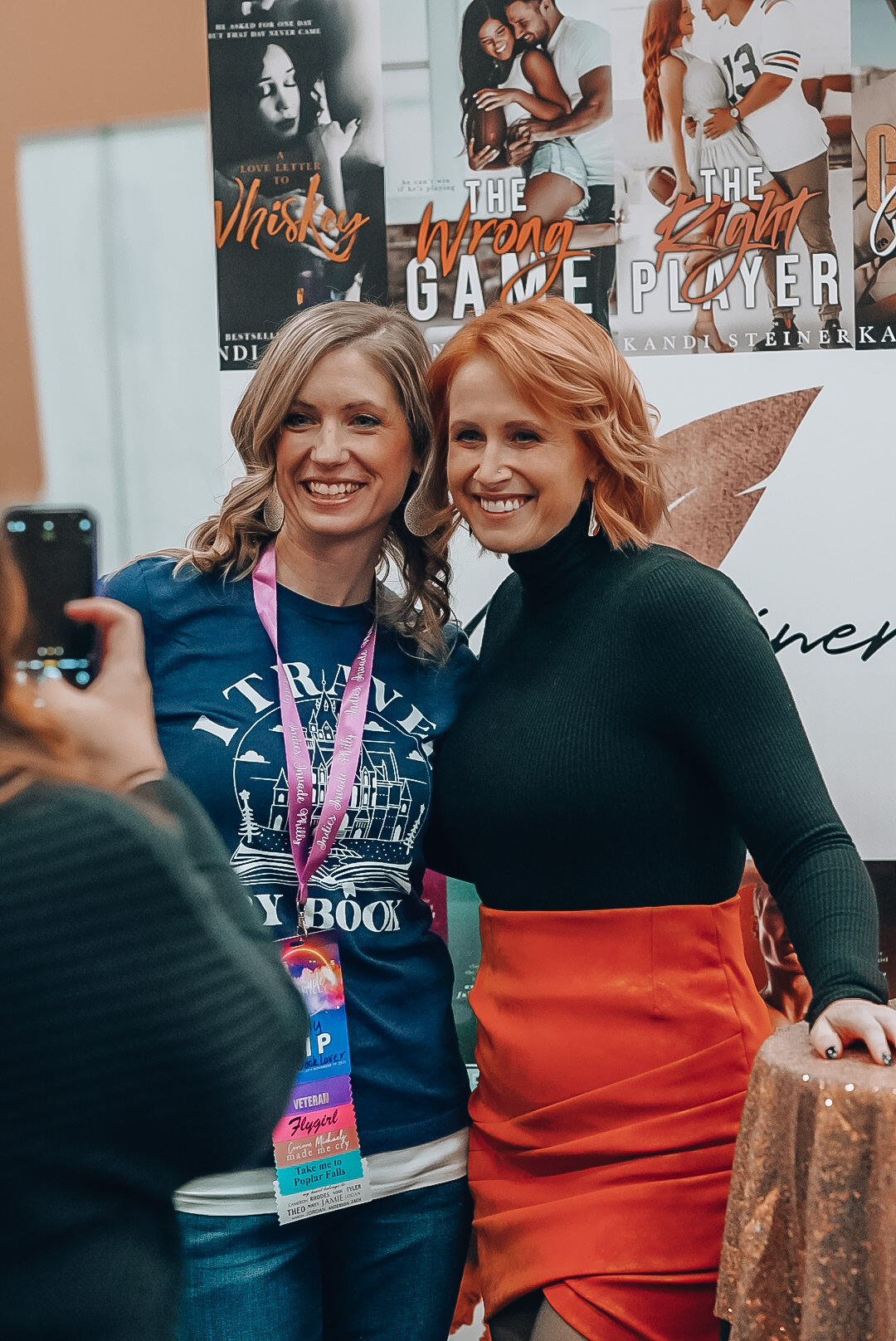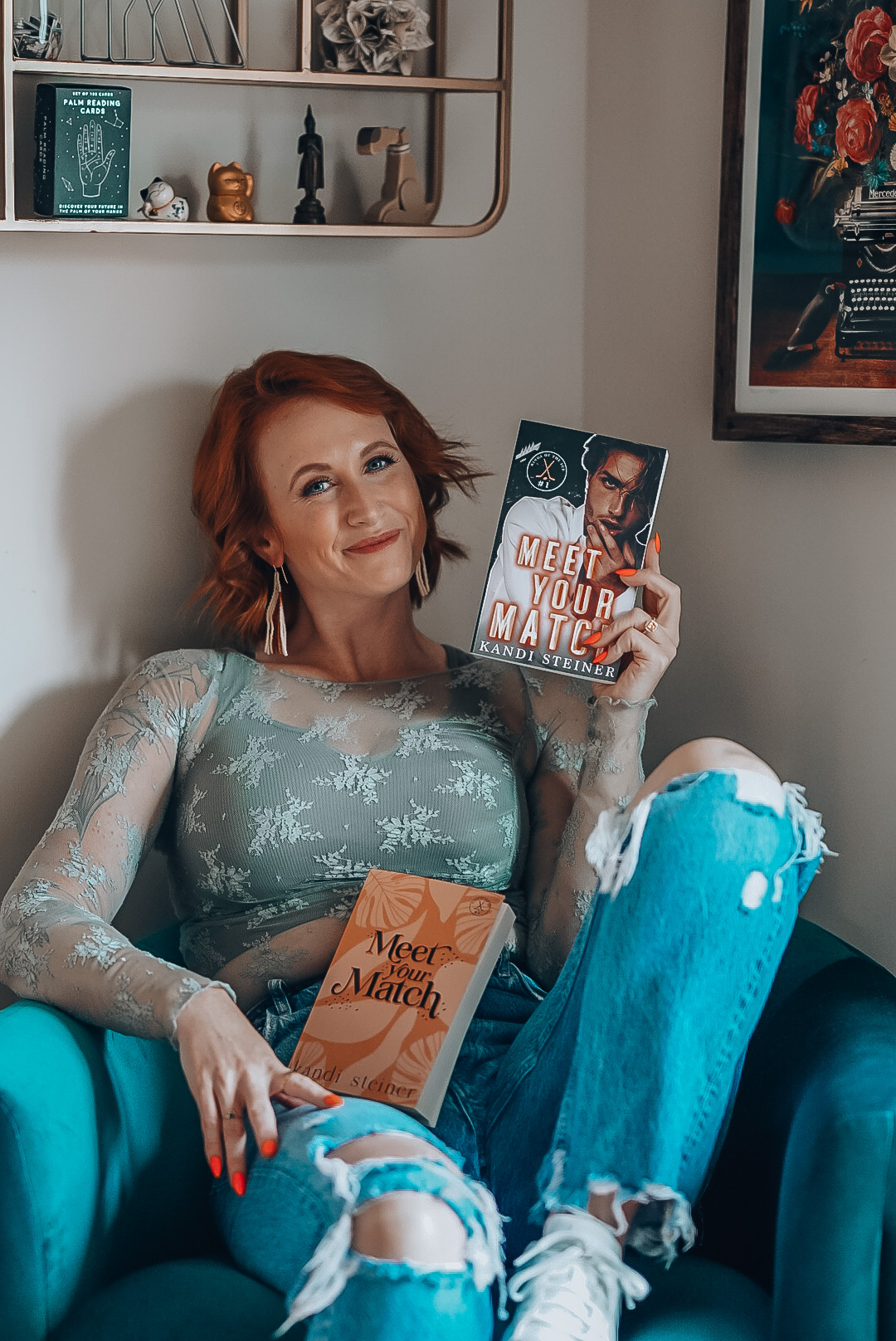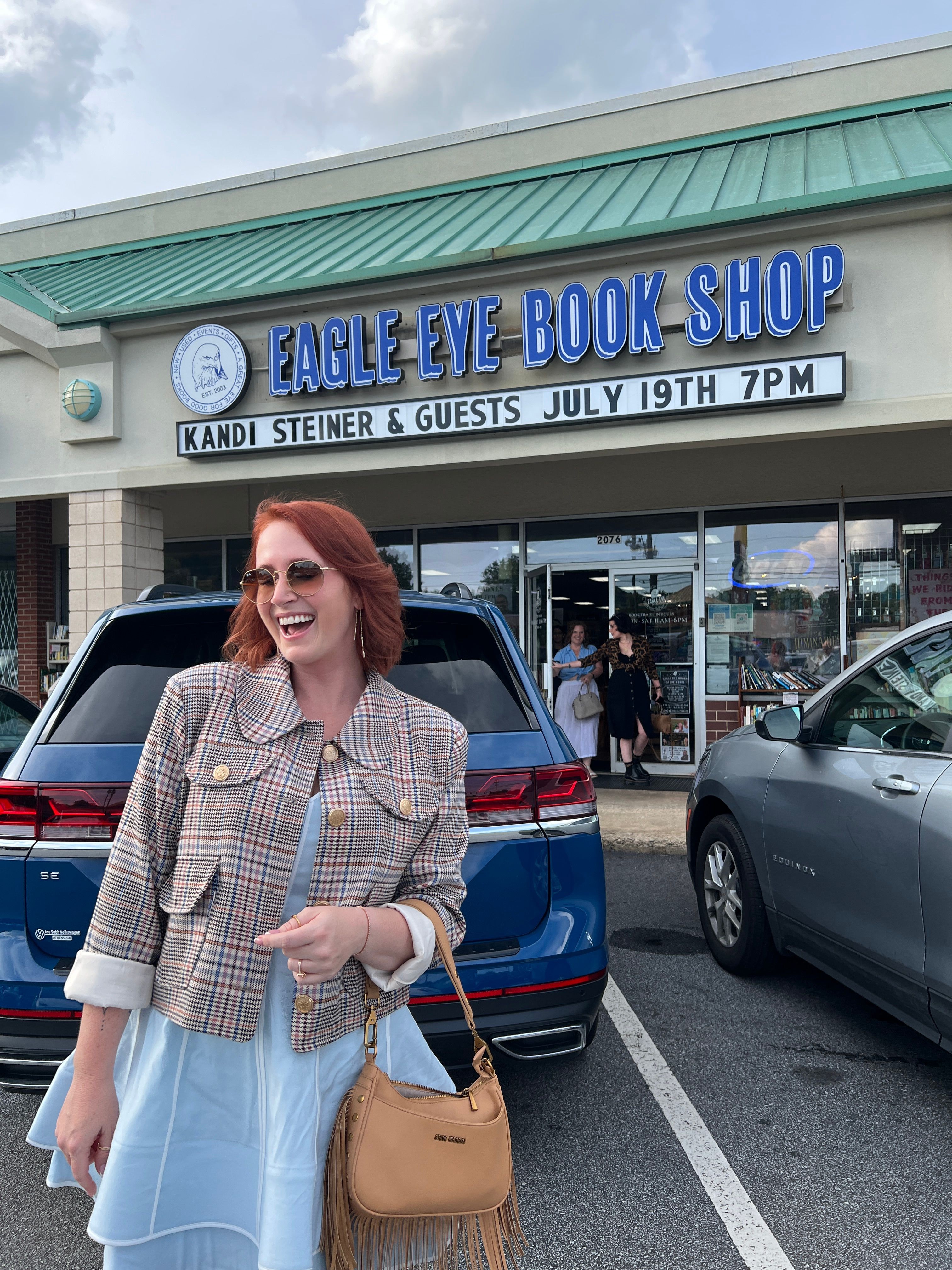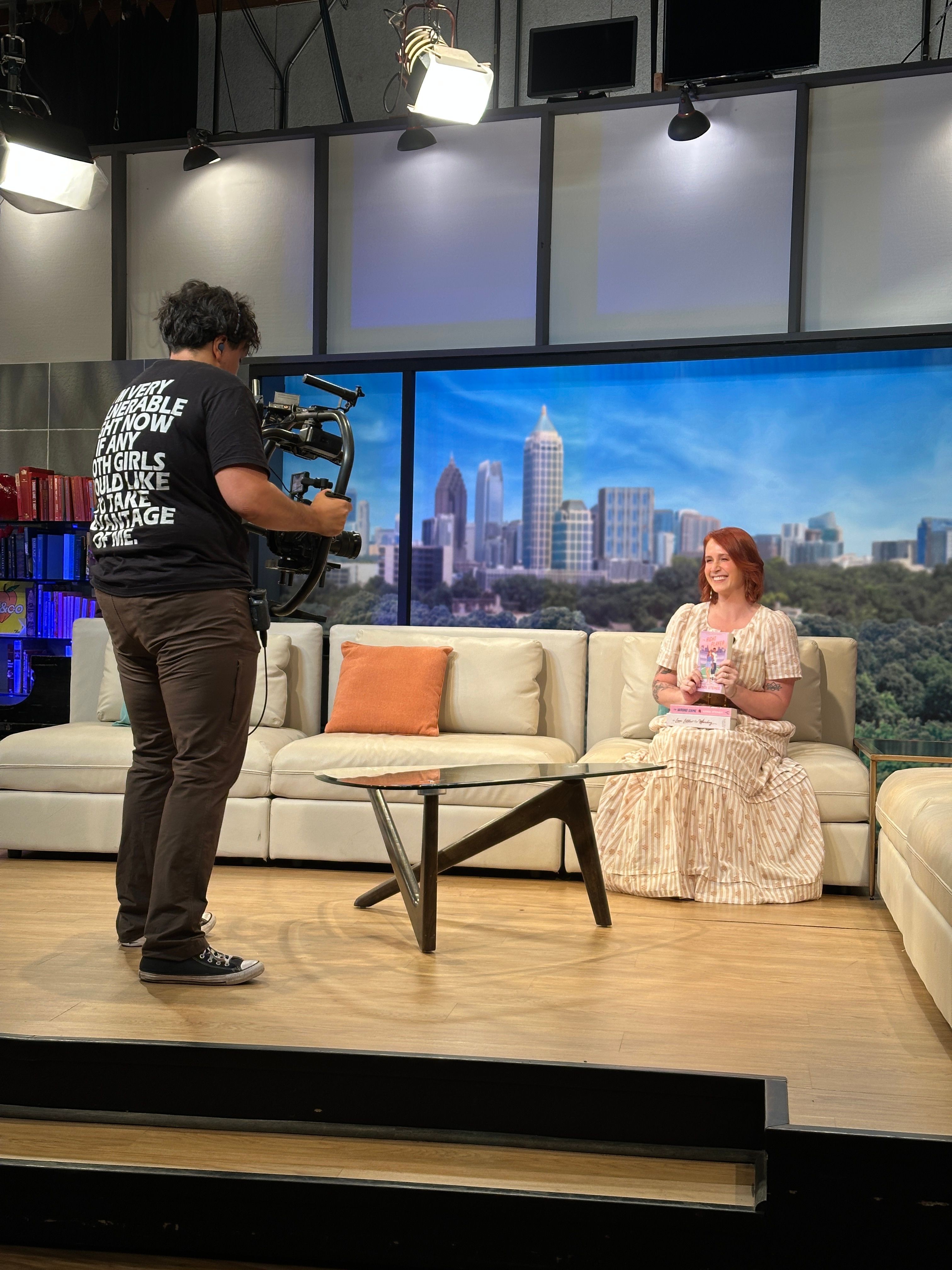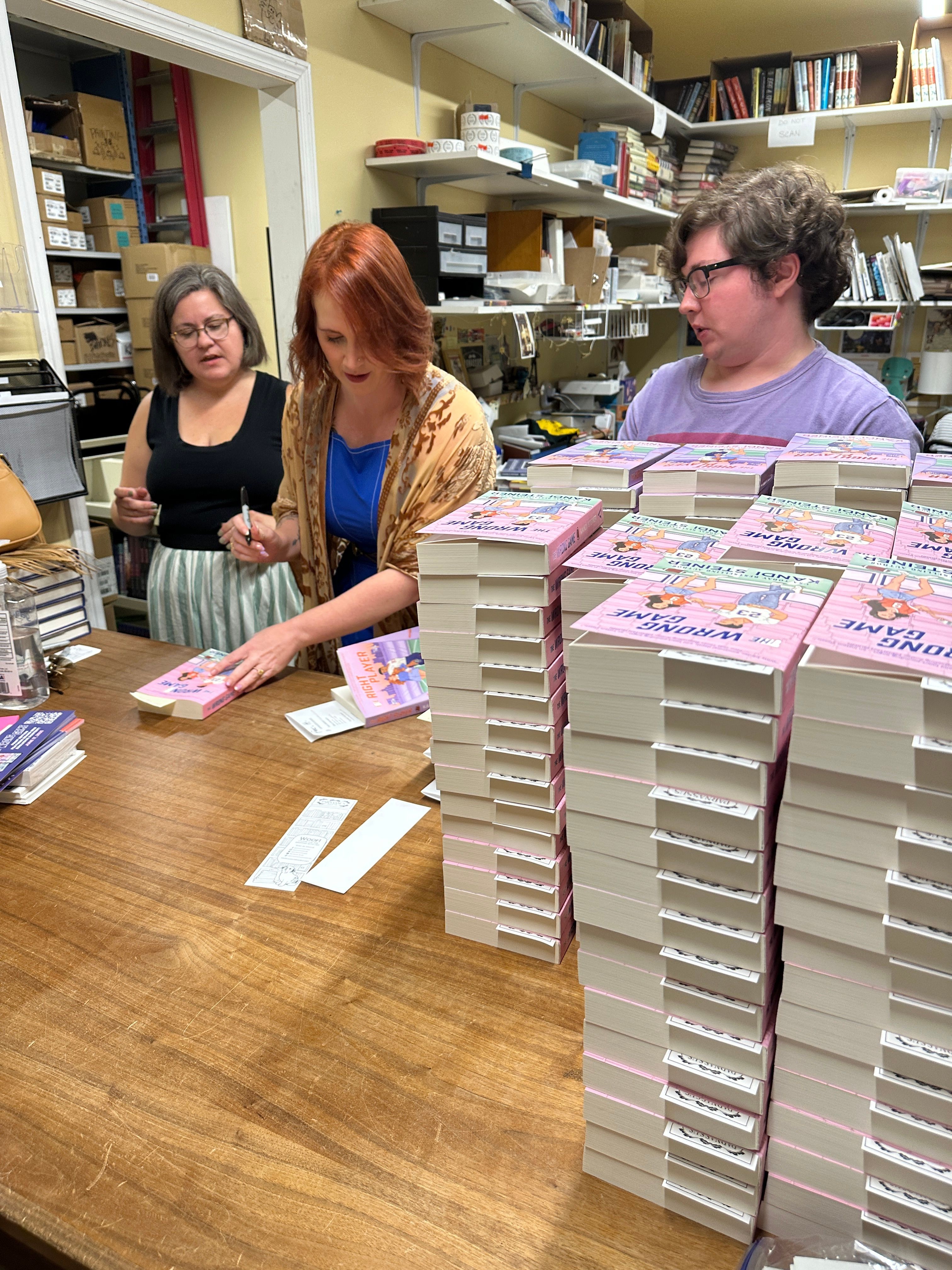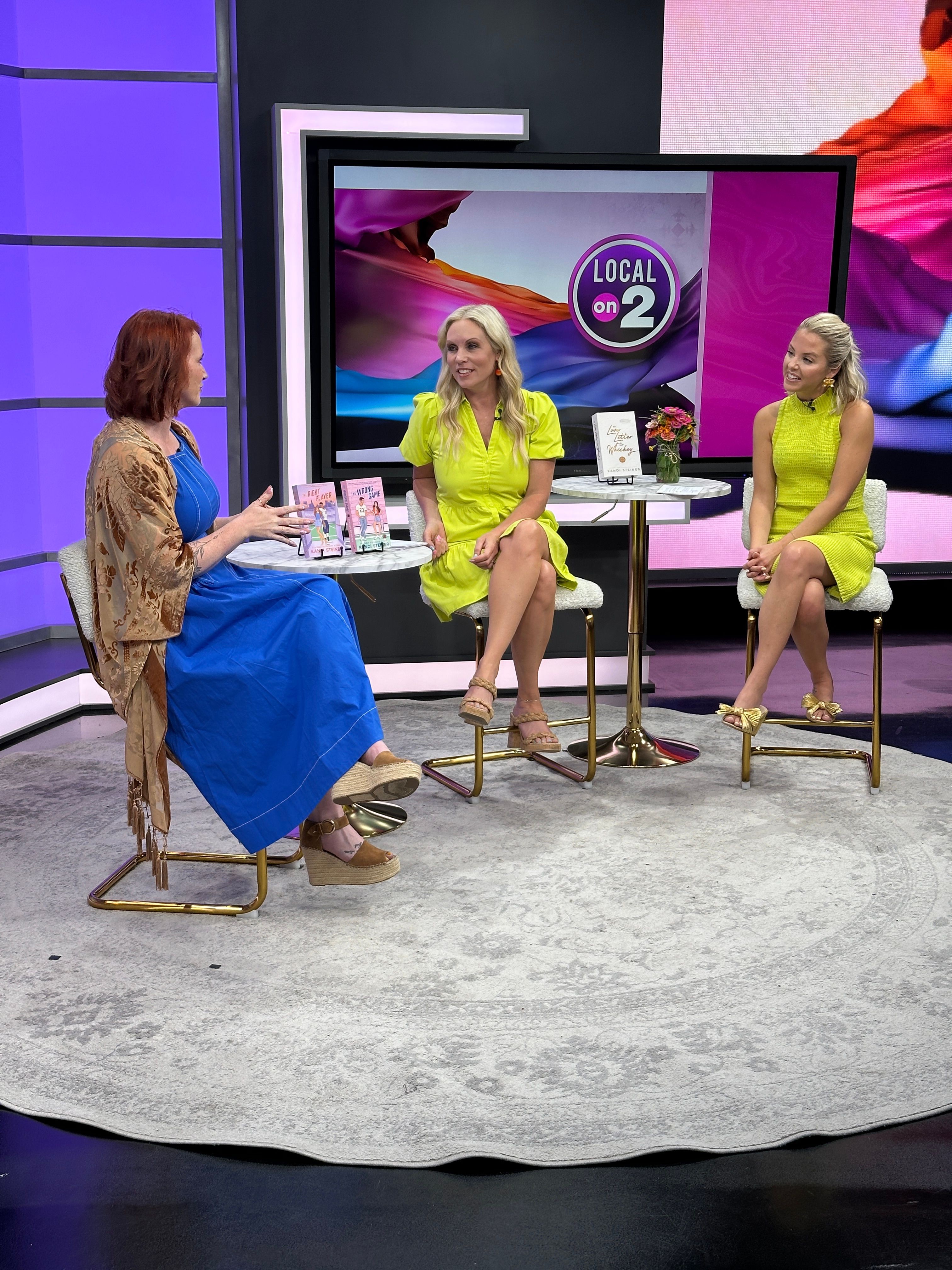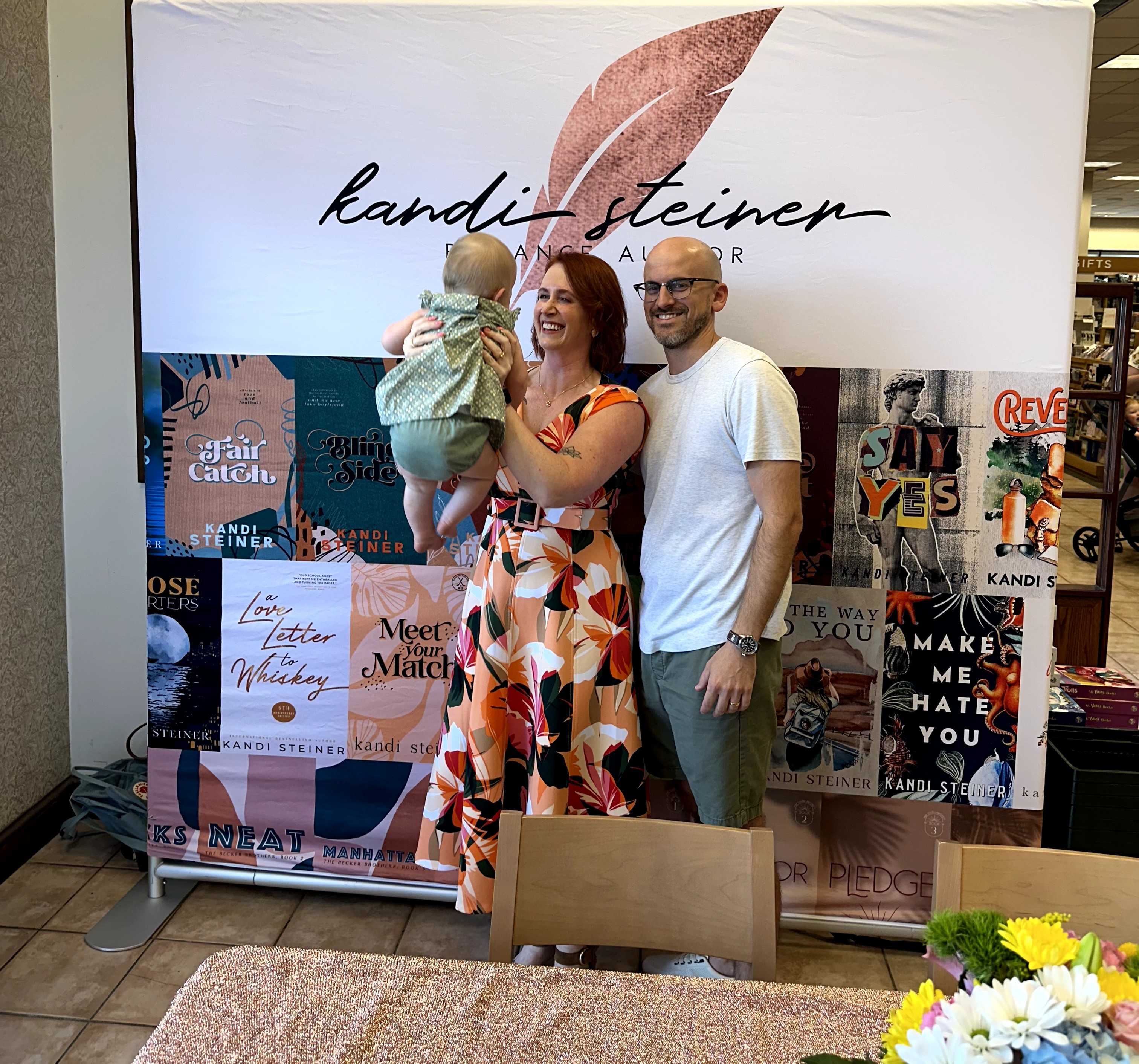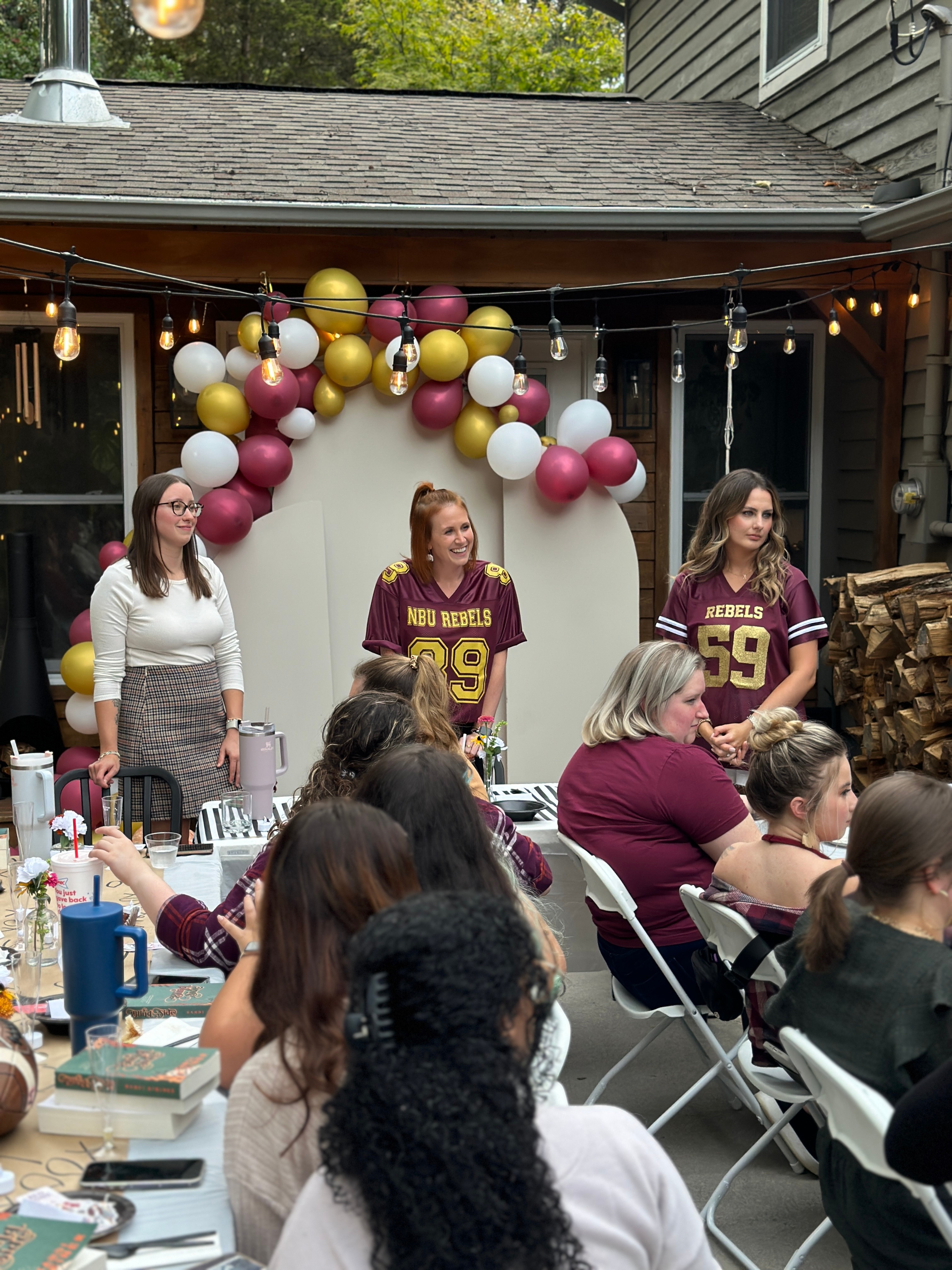



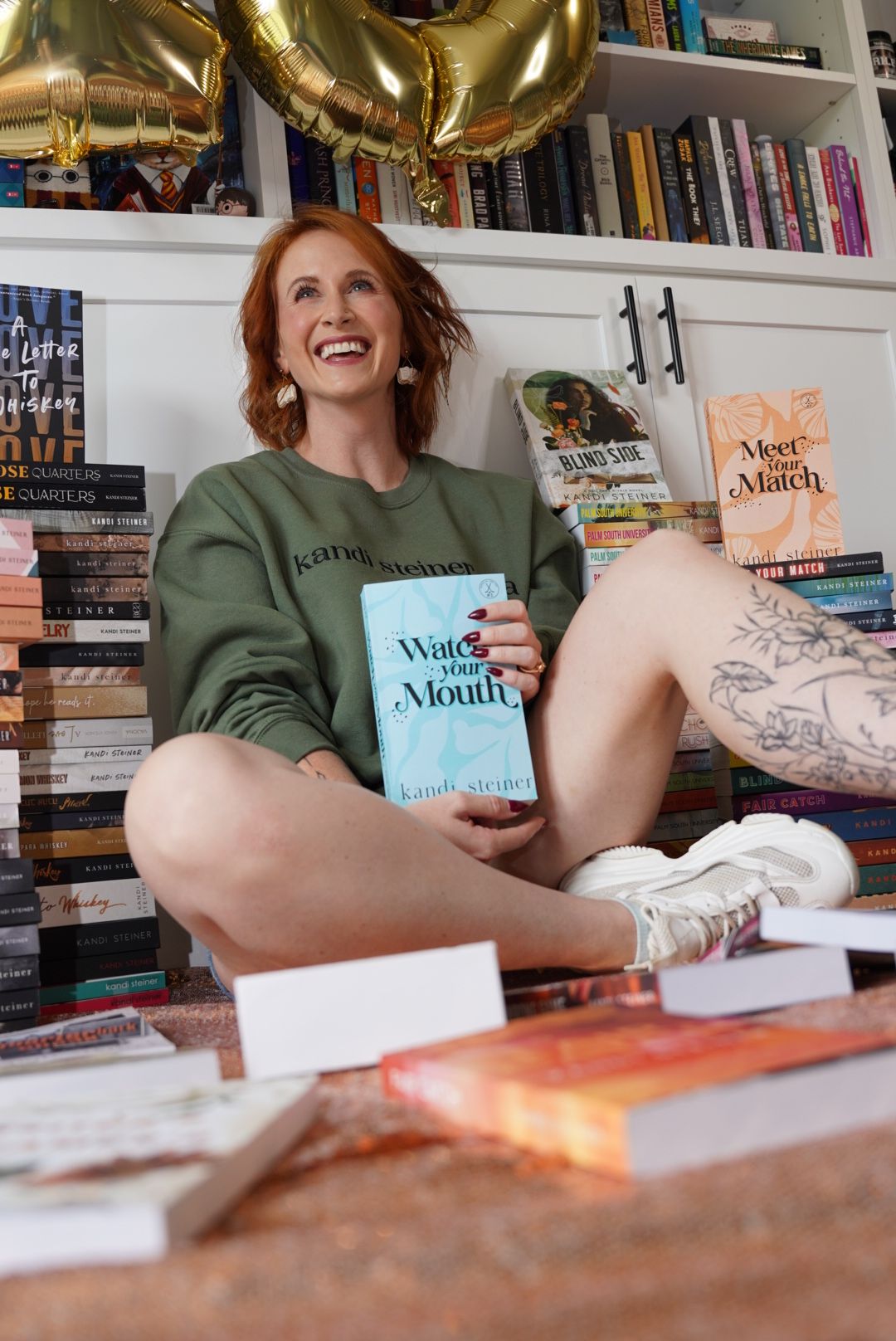
Kandi Steiner shared their story and experiences with us recently and you can find our conversation below.
Kandi, so good to connect and we’re excited to share your story and insights with our audience. There’s a ton to learn from your story, but let’s start with a warm up before we get into the heart of the interview. What do the first 90 minutes of your day look like?
I try to wake up at 5:30am most mornings. I let our doggo out, feed her and the cat, get my coffee set to brew, and then sit down with my trusty Spectra pump. I’m a breastfeeding mama and pumping allows others to feed my daughter when I’m unavailable. From there, I take my coffee up to my office and get in about 45 minutes to 1 hour of writing or brainstorming before my daughter wakes up at 7!
Can you briefly introduce yourself and share what makes you or your brand unique?
I’m Kandi Steiner, a bestselling romance author who’s been writing stories that inspire, devastate, and ultimately heal for more than a decade. My books are often described as “emotional rollercoasters” — the kind that leave you breathless, teary-eyed, and still somehow hopeful at the end. I like to think of my brand as equal parts raw and relatable; I write characters who feel like real people, with flaws, messy lives, and impossible choices, because that’s what love looks like in the real world.
I started out independently publishing and built my career brick by brick, connecting directly with readers who have become the heart of my community. Now, I’m stepping into a new chapter — with my novel A Love Letter to Whiskey being re-released this fall with a publisher and, for the first time, landing on bookstore shelves. It feels like a full-circle moment, and I’m more excited than ever to keep telling stories that remind readers they’re not alone in their own journeys with love, heartbreak, and everything in between.
Amazing, so let’s take a moment to go back in time. What’s a moment that really shaped how you see the world?
Becoming a mother was the moment that reshaped everything for me. When I gave birth to my daughter, my entire perspective shifted — not only on how I see the world, but how I see myself. She taught me to be kinder to myself, to release some of the impossible standards I’d carried for so long, and to truly step into my own power.
It also changed the way I experience stories — both the ones I read and the ones I write. For most of my life, I related to the daughter in a narrative, but now I feel the weight and wonder of the parent, too. Suddenly, characters I had written years ago came alive in a new way, and I found myself reading my own books differently. It gave me a deeper appreciation for the complexity of love across generations, and that has made its way into the stories I tell today.
What have been the defining wounds of your life—and how have you healed them?
Some of the deepest wounds of my life came from growing up with an abusive stepfather. Those experiences shaped the way I saw myself and the way I understood love, even long after I’d left that environment. Later, I found myself in a toxic marriage, and it wasn’t until I made the difficult choice to leave that I realized I had the power to break the cycle I grew up in.
Ending that marriage was one of the hardest and bravest decisions of my life, but it was also one of the most healing. It marked the beginning of starting over — on my own terms, with my own voice, and with a renewed understanding of what love should look like. Writing has always been part of that healing, too. In my stories, I explore the messiness of relationships, the pain of heartbreak, and the resilience it takes to love again, because I know firsthand that sometimes the most beautiful beginnings come from the most painful endings.
Next, maybe we can discuss some of your foundational philosophies and views? What are the biggest lies your industry tells itself?
One of the biggest cultural lies in publishing is that romance novels aren’t “real literature.” They’re often reduced to smut or dismissed as “just porn,” when in reality, romance novels carry just as much emotional depth, character growth, and thematic richness as any other work on the shelf. These stories explore the thing every human being craves most — to be loved — and they don’t shy away from the messy, complicated, beautiful journey it takes to get there.
What’s even more frustrating is the double standard: love and romance appear in nearly every classic and contemporary work of literature, but the moment we center women’s stories — and especially women’s pleasure — suddenly, the genre is deemed unworthy. And yet, romance is the leading selling genre in publishing. The truth is, romance quite literally keeps the lights on for this industry; the revenue from it sustains so many other genres that might otherwise never see the inside of a bookstore. It deserves the same respect and recognition as any other form of storytelling, and I’ll keep championing that truth with every book I write.
Thank you so much for all of your openness so far. Maybe we can close with a future oriented question. What pain do you resist facing directly?
The pain I resist facing directly is the reality that no matter how hard I work in this industry, some of my dreams may never come true. I’ve been at this for eleven years, and in that time I’ve achieved so many things I once thought impossible — hitting the USA Today list, landing #1 spots on Amazon, seeing my books translated into dozens of languages and sold across the globe, meeting readers who wait hours in line just to hug me. I pay my bills doing what I love, and that in itself is a dream realized.
And yet, I’d be lying if I said there wasn’t a quieter ache beneath it all. The truth is, only so many authors will ever see their books in every bookstore around the world, or have their stories adapted for the screen, or hit the New York Times list, or be invited onto the big talk shows. I resist sitting with that truth because we’re conditioned — especially in America — to believe that hard work and perseverance guarantee results. But the reality is, in publishing (and in life), there isn’t always a direct correlation.
So I remind myself often that success isn’t just about those marquee moments. It’s about why I started writing in the first place: to tell stories that move people, to make someone feel a little less alone, to capture the beauty and heartbreak of love. That’s the payoff. That’s the choice I make every day, even when it’s hard.
Contact Info:
- Website: https://www.kandisteiner.com
- Instagram: https://www.instagram.com/kandisteiner
- Facebook: https://www.facebook.com/kandisteiner