



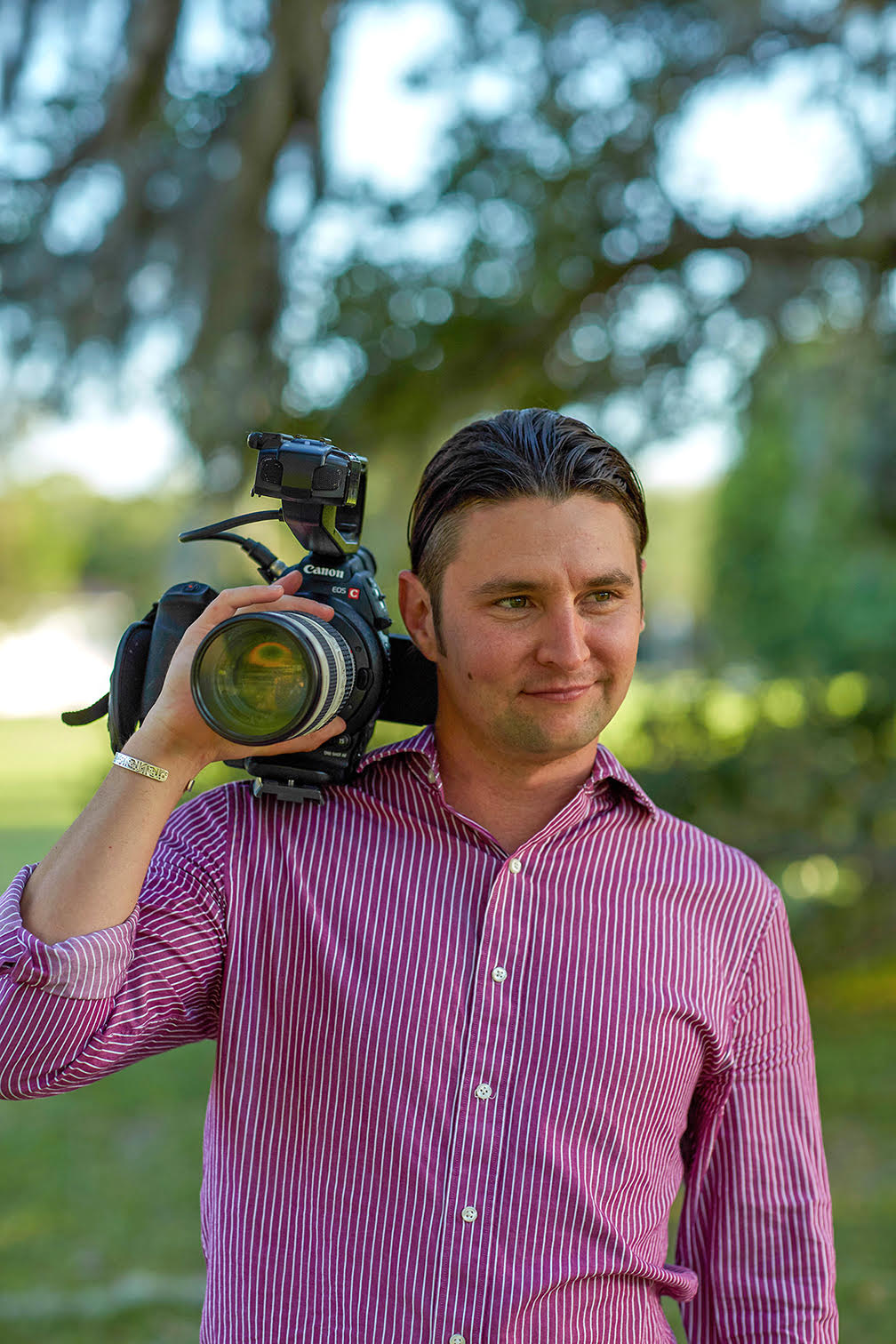
Today we’d like to introduce you to Wilson McCourtney.
Alright, so thank you so much for sharing your story and insight with our readers. To kick things off, can you tell us a bit about how you got started?
I was raised in a family of photographers and artists. When I was 15, my dad handed me a Nikon FM2 35mm camera along with two rolls of film and said, “Go shoot your heart out and see what happens.” The rest, as they say, is history. We’d spend long nights in our home darkroom on Siesta Key printing black-and-white photos while he smoked Camels and howled to Bob Dylan. I fell in love with the dim warmth of the amber lightbulbs, the smell of the chemicals, and the magic of watching my images slowly come to life as I rocked the trays back and forth.
Those are some of my fondest memories because I grew up watching my dad constantly shooting, and when it was finally my turn behind the lens, he showed me the ropes. That one-on-one time was incredibly meaningful—especially since our home life was often chaotic and he was usually pulled in many directions.
In 2001, I was able to skip my senior year at Pine View School for the Gifted (ha!) and attend Simon’s Rock College of Bard, where I began pursuing an associate degree in Fine Art Photography. After two years there, I was accepted into the Documentary Studies program at the College of Santa Fe (now Santa Fe University of Art and Design) in New Mexico. One of the biggest draws of that program was the opportunity to spend a semester abroad, and I chose to return to Brazil—a place I had lived as a kid when my mom received a Fulbright to teach English there. We packed up one day and moved to Rio, where I spent ages 5 through 8 immersed in a wildly different culture.
While abroad, I worked on my senior thesis at Instituto Terra, the reforestation project spearheaded by the legendary Magnum photographer Sebastião Salgado—who, heartbreakingly, passed away just a couple of weeks ago.
Back in Santa Fe, my professor Tony O’Brien casually walked into class one day and said, “Hey, we just got a grant and picked up some video equipment. If anyone wants to play around with it, go ahead.” I made a beeline to grab the Canon GL2 and every battery I could carry. “What about editing software?” I asked. Tony pointed to the computer lab down the hall with a smirk. That was the moment it all clicked—I dove headfirst into filmmaking.
My first documentary, Behind the Paint, explored the social impact of graffiti in Santa Fe. I was out filming with taggers late at night on the train tracks, getting chased by cops, and stashing my mini-DV tapes at a girlfriend’s house just in case the police came knocking. I interviewed my main subject in front of a mural he painted for a school, with his face covered the entire time to protect his identity.
The second I synced moving images to music, I was hooked. I obsessed over the edit, watching it repeatedly, cutting it to the beat—something I learned from my days watching skateboarding films. That kinetic, rhythmic style eventually became the backbone of my wedding videography work.
Later, I returned to Brazil to shoot a 45-minute documentary about the MST (Movimento dos Trabalhadores Rurais Sem Terra), a land reform movement aiming to redistribute unused farmland to impoverished families. It was a true Robin Hood story. I embedded with the movement for four months, sleeping in a tent on the side of a rural highway and jumping barbed wire in flip-flops with a Canon XL2 on my shoulder. My friend Matt Herbert, another student from the program, shot black-and-white stills for his thesis alongside me. It was raw, gritty, and life-changing.
After wrapping the film just in time to graduate, I submitted it to a few small festivals and sold DVDs to friends and family. Then I moved to L.A. and worked as an assistant editor at a post-production house, cutting Taco Bell and Gatorade commercials. It was corporate, polished, and soul-crushing. I realized I needed to return to the kind of guerrilla-style filmmaking that had originally inspired me.
Eventually, I moved back to Florida and stayed at my parents’ house in Sarasota. That’s where I met Silvana. We fell in love and began a long-distance relationship—she was based in San Francisco at the time. She flew me out on a one-way ticket, and I started looking for work in the film industry, but nothing really clicked. So I started waiting tables.
Then, in 2013, one of Silvana’s friends got married in Eugene, Oregon, and asked me to film the wedding. I said yes, and created this quirky, heartfelt little video. After watching the final cut, I said to myself, “Damn, I’m pretty good at this… I wonder if I could build a business around it.”
In 2014, a photographer we hired for our own wedding asked if I’d shoot a wedding for one of his clients. I charged $600. And just like that—Baby Blue Film was born.
The business exploded. I had so many clients in Napa, Sonoma, and the Bay Area that I began double-booking weekends. I trained my best second shooters to become leads so we could cover multiple events simultaneously. Fast forward to today, and we’ve been in business for 12 years. We operate in three regions: the Bay Area, Sarasota, and Maine/New Hampshire, where I currently live. I now manage a team of 15+ independent contractors who film weddings year-round.
After our first son, Nico Ocean, was born, we moved back to Florida to be closer to family. Rather than shut down the SF operation, I trained up my team and kept it running while launching a second branch in Florida. We later had two more sons: Santiago Storm—who was born with a rare genetic disorder called Aicardi-Goutières Syndrome and is the sweetest soul you’ll ever meet—and Rio Midnight.
After five or six years in Sarasota, we were ready for a new adventure. We chose Maine: liberal, coastal, forested, uncrowded, filled with seasonal magic and great schools. I applied the same expansion model I used in California and Florida, and it worked flawlessly. We’ve been in Portland, Maine, for three years now, and we love it.
Back in 2016, I saw a film that changed my life: Sharkwater by Rob Stewart. That’s when I knew I wanted to become an underwater cinematographer. So I taught myself how to freedive, got scuba certified, and began filming sea turtles, whales, manatees, coral reefs—you name it. That journey led to Fighting for Florida, a documentary about my conservation efforts, shark protection, and ocean advocacy. It took seven years to make while raising three kids and running a thriving business.
I finished the film in March 2025 and have since been submitting it to festivals. So far, it’s received:
- Award of Excellence in Nature/Wildlife/Environment – IndieFest
- Outstanding Excellence in Ocean Life – Nature Without Borders International Film Festival
- Award of Excellence for Cinematography – Global Accolades Film Competition
We all face challenges. Looking back, would you describe your path as relatively smooth?
Definitely not smooth. I’m a true creative, so becoming a businessman was a steep learning curve. No one taught me about accounting or payroll—I had to figure it out through trial and error. I learned how to break down income, allocate funds for taxes and payroll, price wedding packages effectively, and strategize ad spend. All of it was critical to being able to provide for my family and pay my team.
On the conservation side, it’s incredibly difficult to make a living as a wildlife filmmaker unless you’re on Netflix or Nat Geo. So I found creative ways to fund my projects: I raised $10K on Kickstarter to cover music licensing, sound mixing, and insurance for Fighting for Florida. I also sell stock footage of owls, whales, sharks, and other wildlife—which helps pay off gear and credit cards.
COVID hit hard. Weddings were canceled left and right, and half our clients wanted refunds. PPP and SBA loans helped us stay afloat, but I’m still rebuilding financially.
Managing a team remotely is also a huge challenge. Not everyone treats your business with the same professionalism you would. Hiring, training, and occasionally letting people go is part of the growing process. Thankfully, I now have a strong, reliable team—but being a talent scout is half the job.
So, maybe next you can tell us a bit more about your work?
For weddings, my style is best described as “a high-production-value music video with a cinematic ceremony and a hype reception.” Our films feel like roller coasters—full of emotional highs and lows—crafted to be unforgettable.
Here’s a blurb from our website:
Our films never get boring because they feel like a roller coaster ride through the love story. We use minimal spoken word, beautiful music, and modern editing techniques to handcraft our unique Baby Blue style, which proves to be a home run every time.
Music is everything. If you can’t quite explain why our films give you chills or make you want to rewatch them—it’s probably the way each cut lands perfectly on the beat. We spend hours digging for that perfect track that makes our footage soar. Combine that with stunning visuals and master editing, and it’s magic.
Unlike many competitors, we don’t open with a speech or start at the end of the night. We believe in telling the story chronologically—from beginning to end—because that’s the most powerful way to bring a love story to life.
For my nature and wildlife work, I use striking cinematography to pull you in—and then hit you with a passionate call to action. I consider myself a warrior for wildlife and a voice for the voiceless. Conservation is the rent I pay for living on this planet.
Risk-taking is a topic that people view differently—what are your thoughts?
I love taking risks and betting on myself, even when I’m down to my last $8,000. I’m definitely a “chips all in” kind of guy. Playing it safe leads to mediocrity, and that’s never been my lane.
Expanding from California to Florida and then to Maine—while leaving teams in place—was terrifying. Trusting others to film someone’s wedding is no small leap. Other filmmakers constantly tell me, “You’re crazy—I could never do that.” My response? “Then you’re not ready to grow.”
Photographers are always asking, “How did you expand to Napa and wine country?” And when I share the strategy, they often say, “Oh, I could never trust someone else to shoot for me.” But if your team is properly trained and you believe in them, it works.
When something goes wrong—and yes, it happens—I apologize, offer a bonus like all the raw footage (a $600 value), and move forward. Luckily, issues are rare, and the vast majority of our clients are thrilled with the results. But there have been a few difficult clients who took their frustration out on us. You learn to navigate that with grace.
All in all, I love what I do. I feel incredibly grateful. My career has allowed me to merge art, love, family, and environmental activism. And now, with my conservation films gaining momentum, I truly feel like I’m making a difference on this fragile, beautiful planet.
Pricing:
- click here to copy and paste:https://babybluefilm.com/pricing/
Contact Info:
- Website: www.babybluefilm.com | www.dreamreefcinema.com | www.wildlifewithwilson.com
- Instagram: @babybluefilm @wildlifewilson @wildlifewithwilson @dreamreefcinema @fightingforfloridafilm
- Facebook: @babybluefilm @wildlifewilson @wildlifewithwilson @dreamreefcinema @fightingforfloridafilm
- LinkedIn: Wilson McCourtney
- Youtube: @babybluefilm @wilsonmccourtney @dreamreefcinema
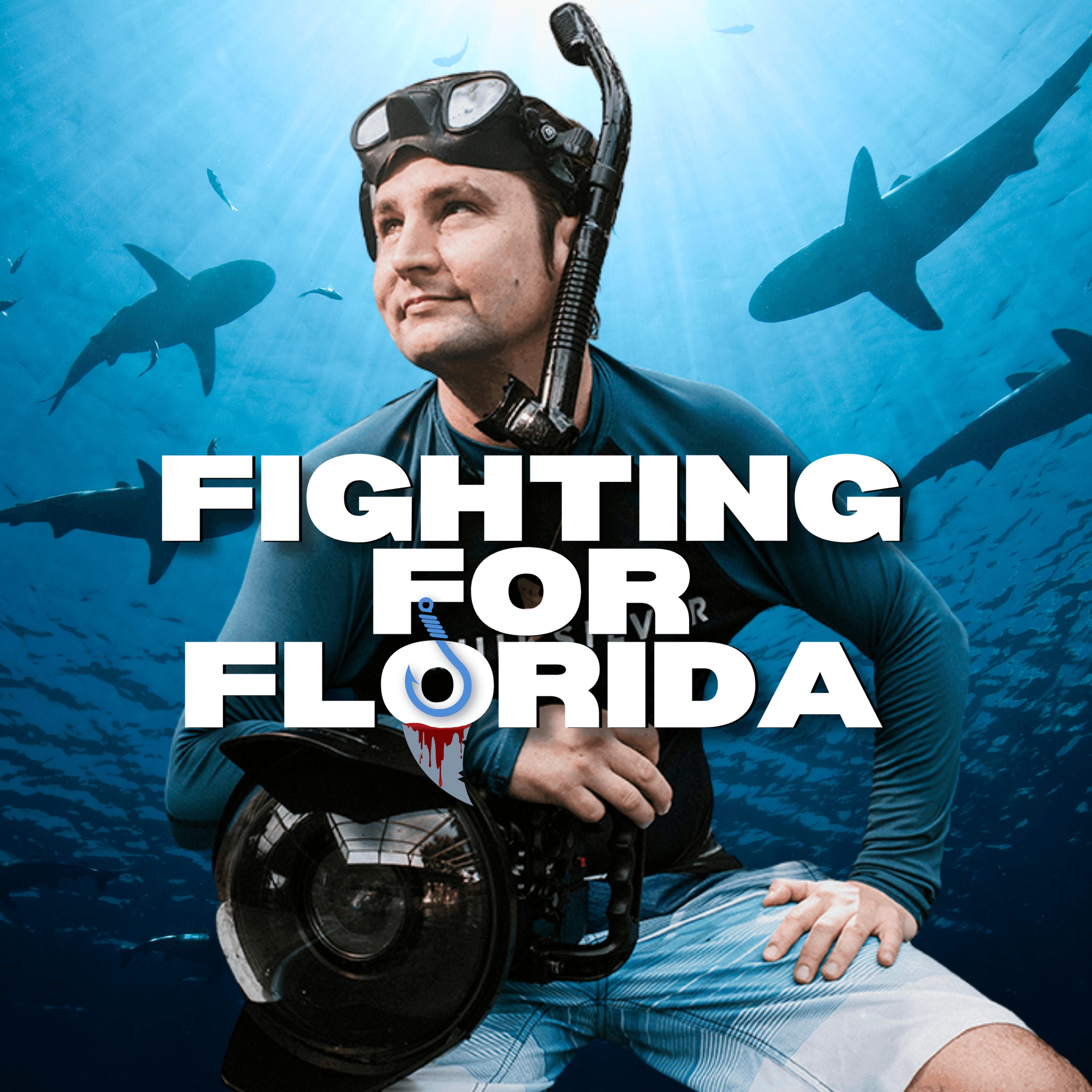
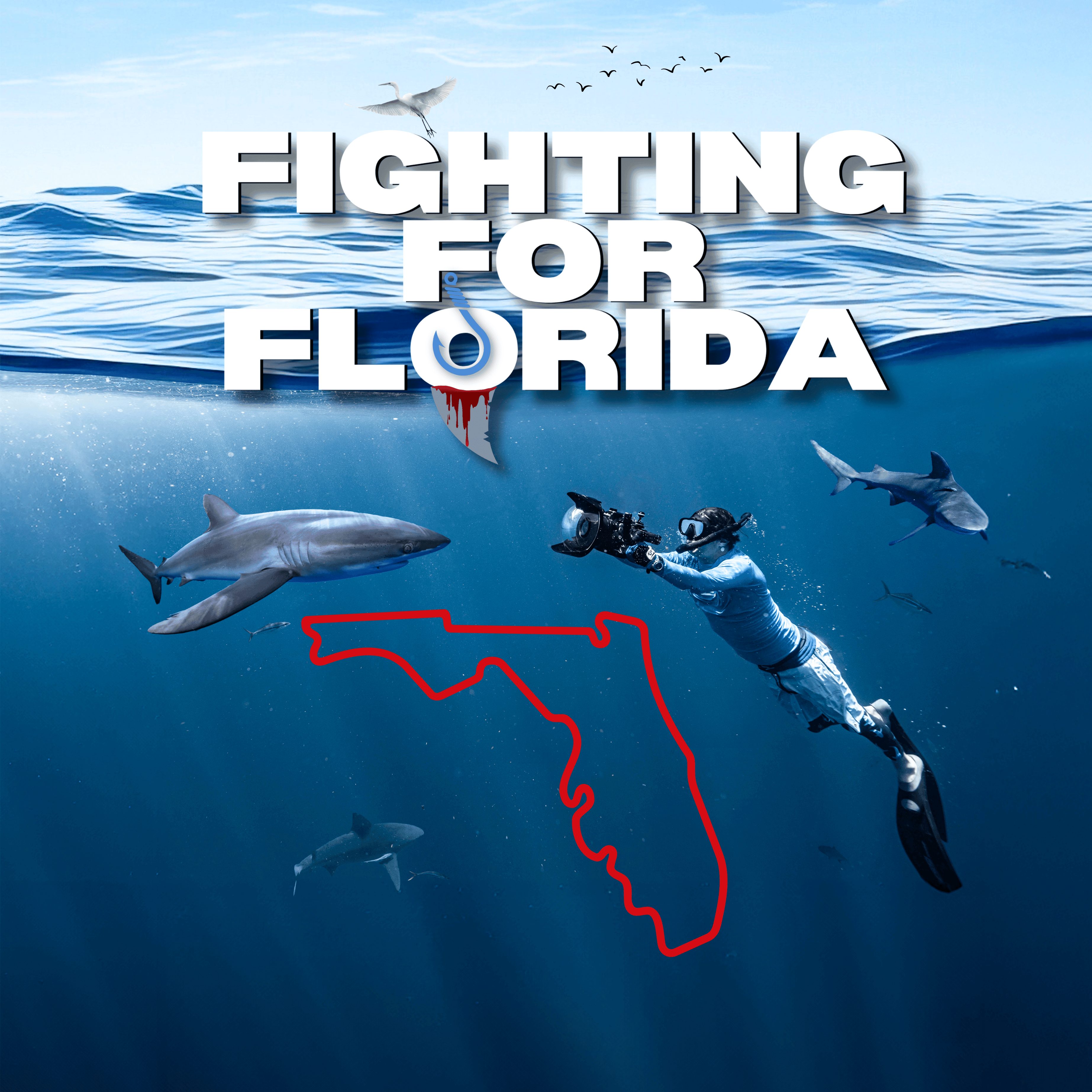
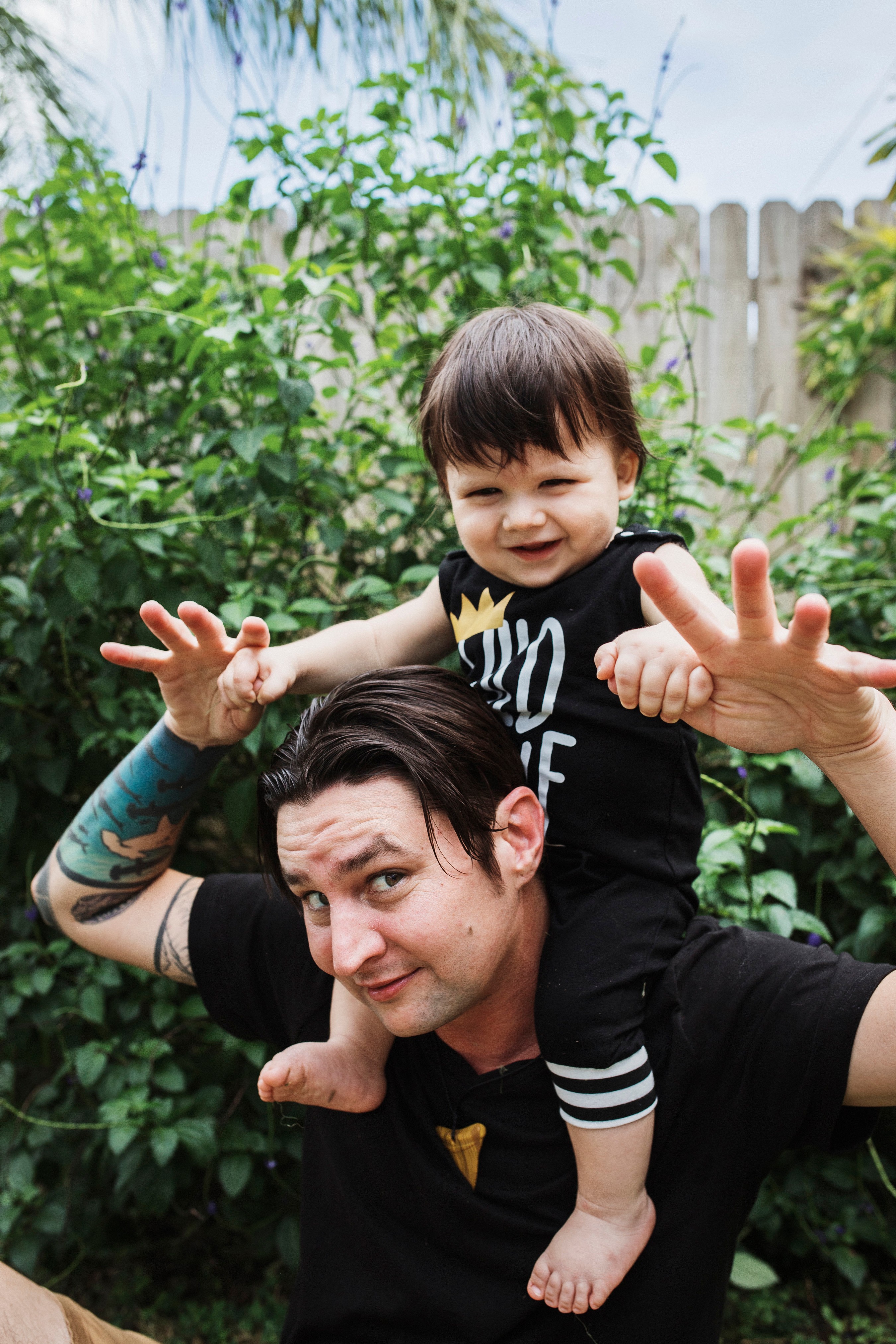
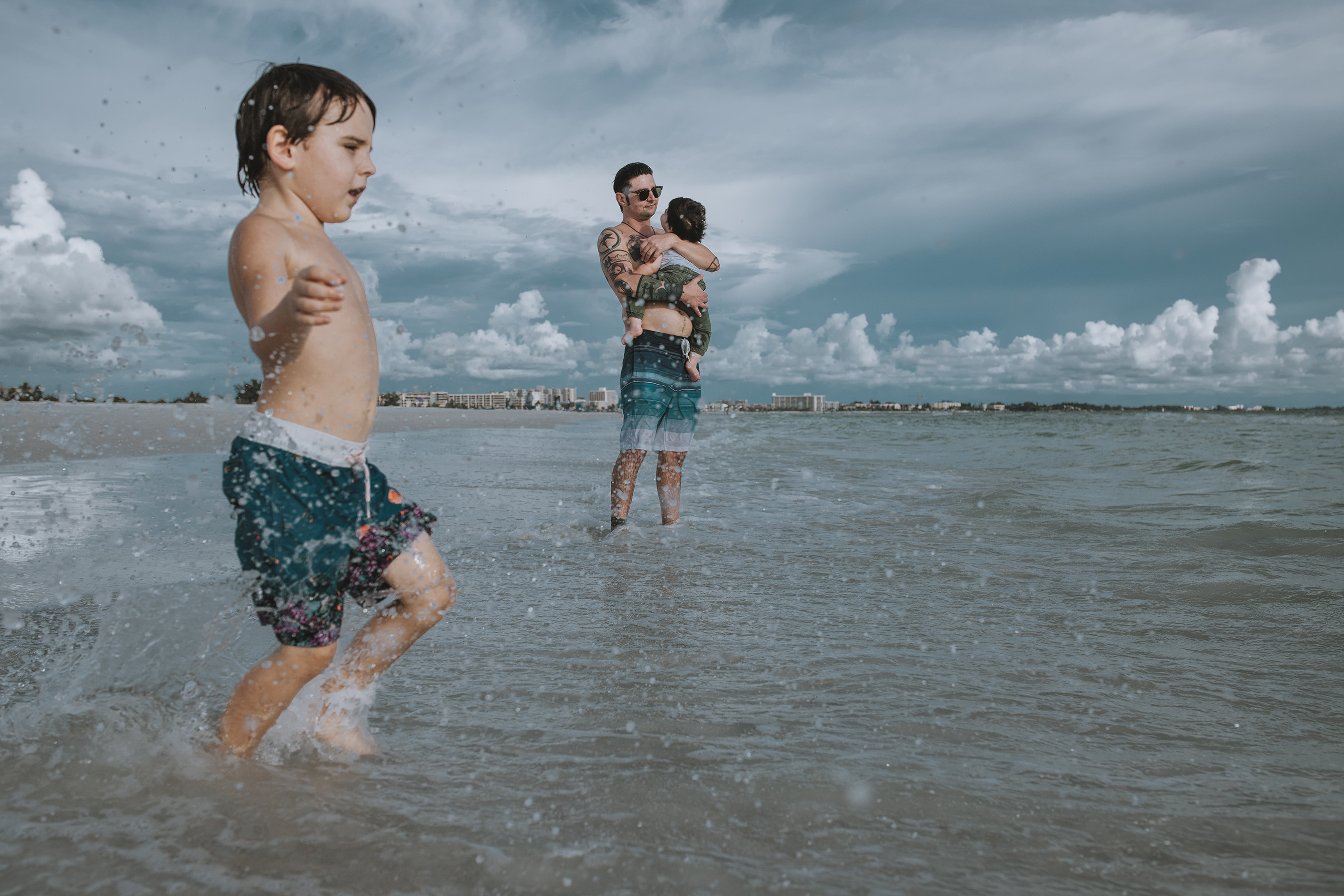
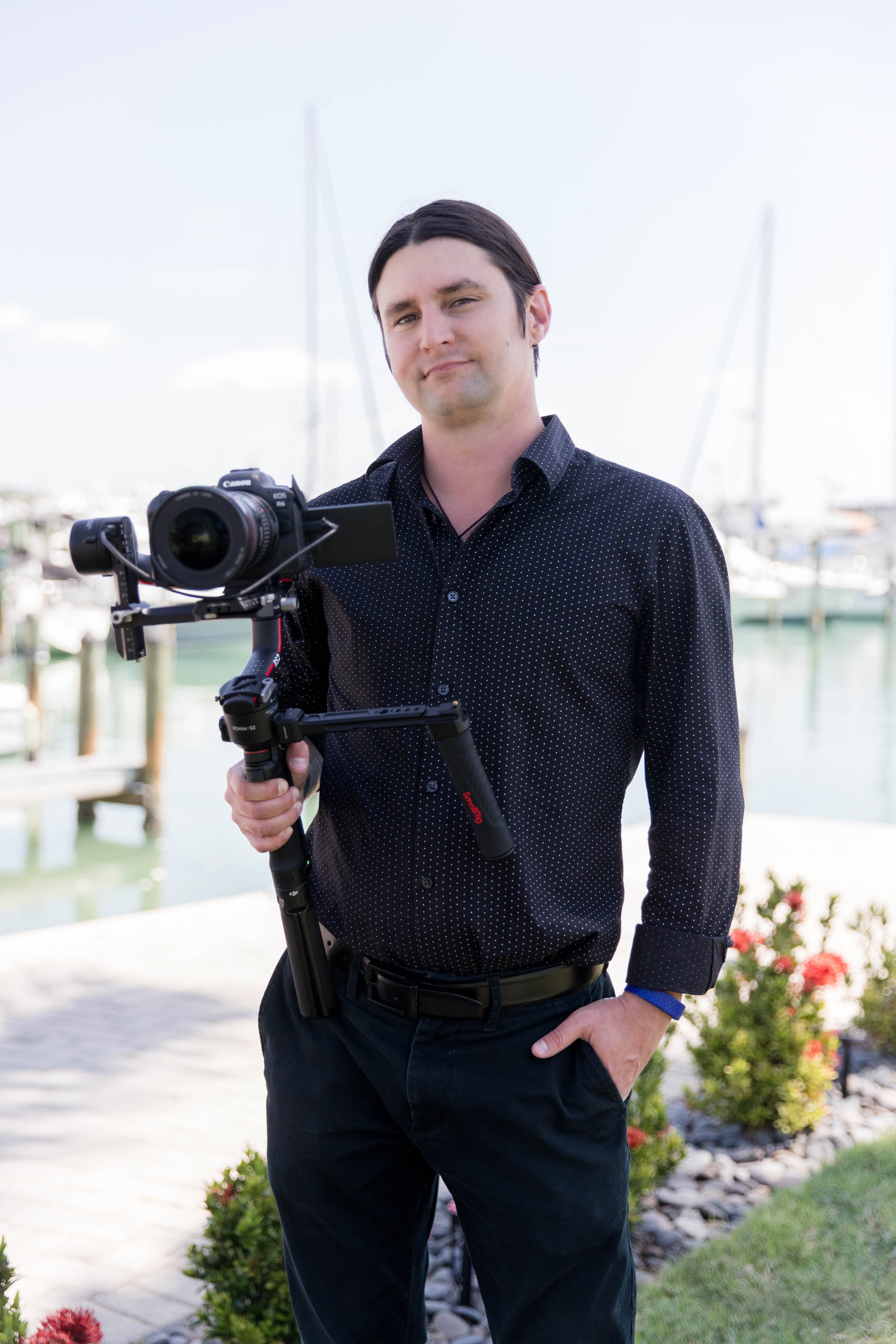
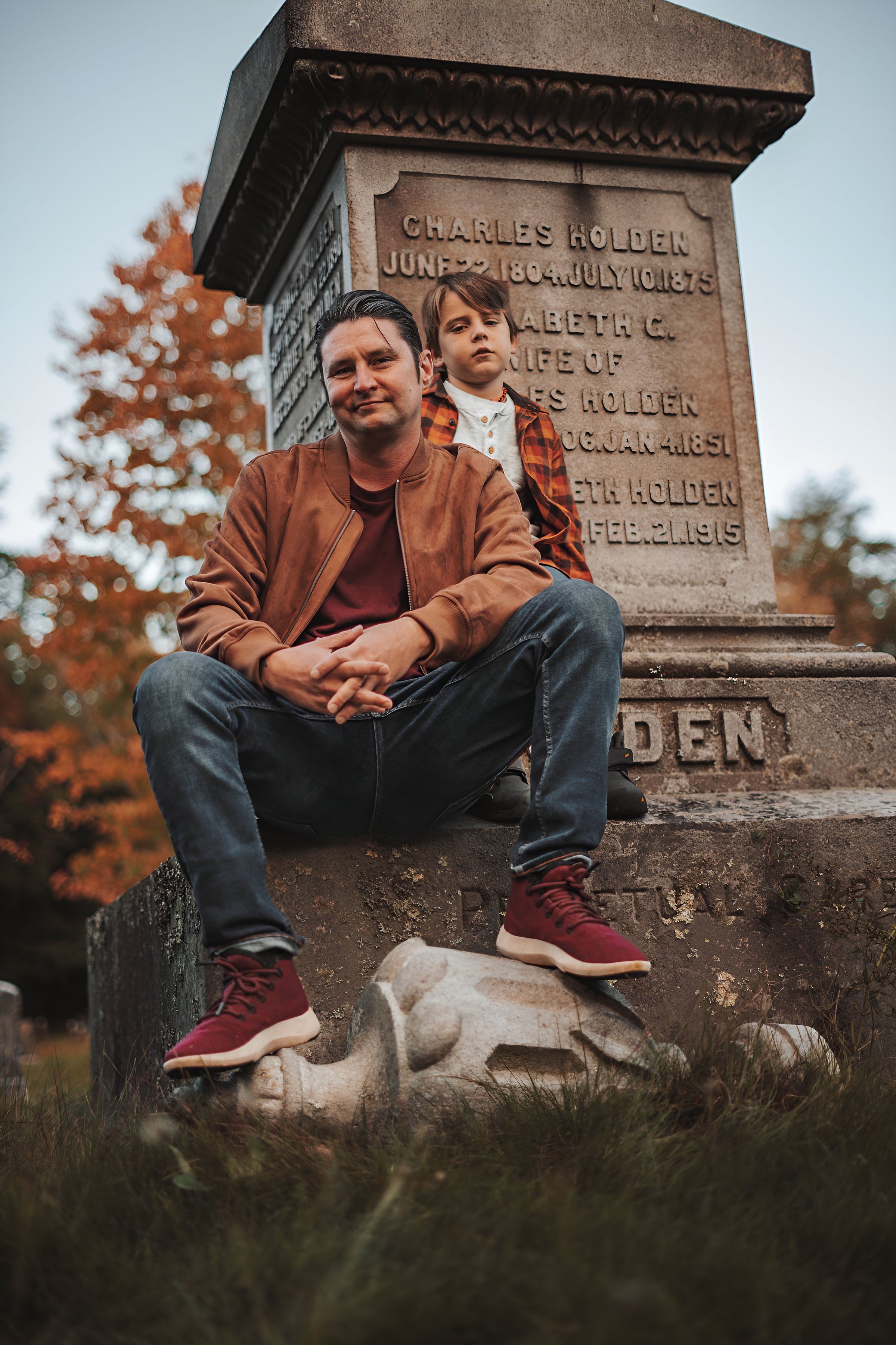
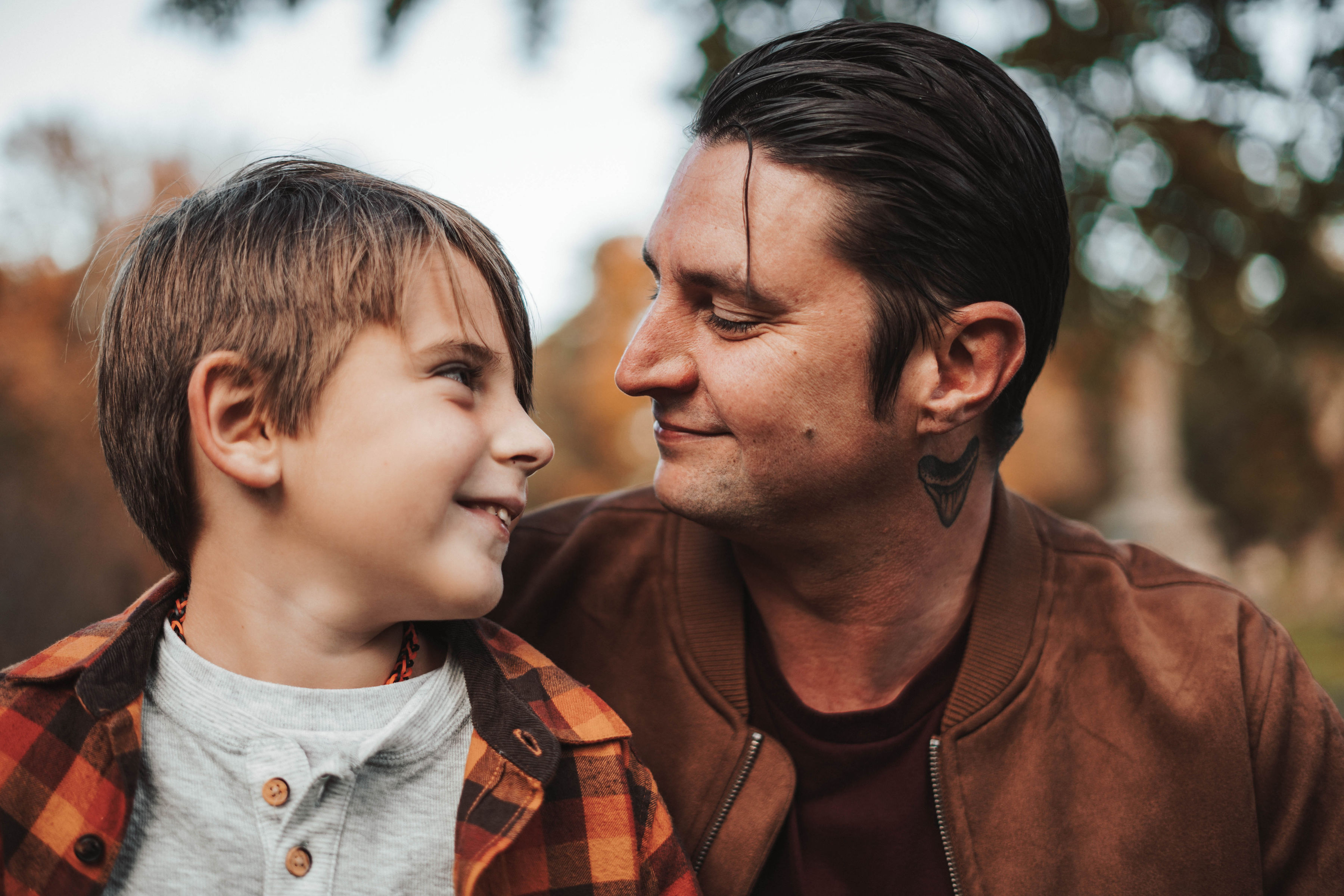
Image Credits
Emily Altovino Photography on the graveyard shots (orange ones with the kids) and Ali Kesner for the beachy ones