



Today we’d like to introduce you to Art Beatz.
Hi Art, please kick things off for us with an introduction to yourself and your story.
My story really starts in Baghdad, Iraq, where I grew up surrounded by music. My older brother played the organ at a church in Baghdad and taught me how to play piano by ear, so music was part of my life from a very young age. When I was 13, my family moved to the United States, and at that point my focus shifted toward school and building a career outside of music.
After college, around the age of 21, I started getting back into music and teaching myself production. I began working with local hip-hop artists around Boston and Worcester, experimenting with different sounds and learning the technical side of recording and production. I was fortunate enough to work with some incredible artists early on, which gave me the confidence to take music more seriously.
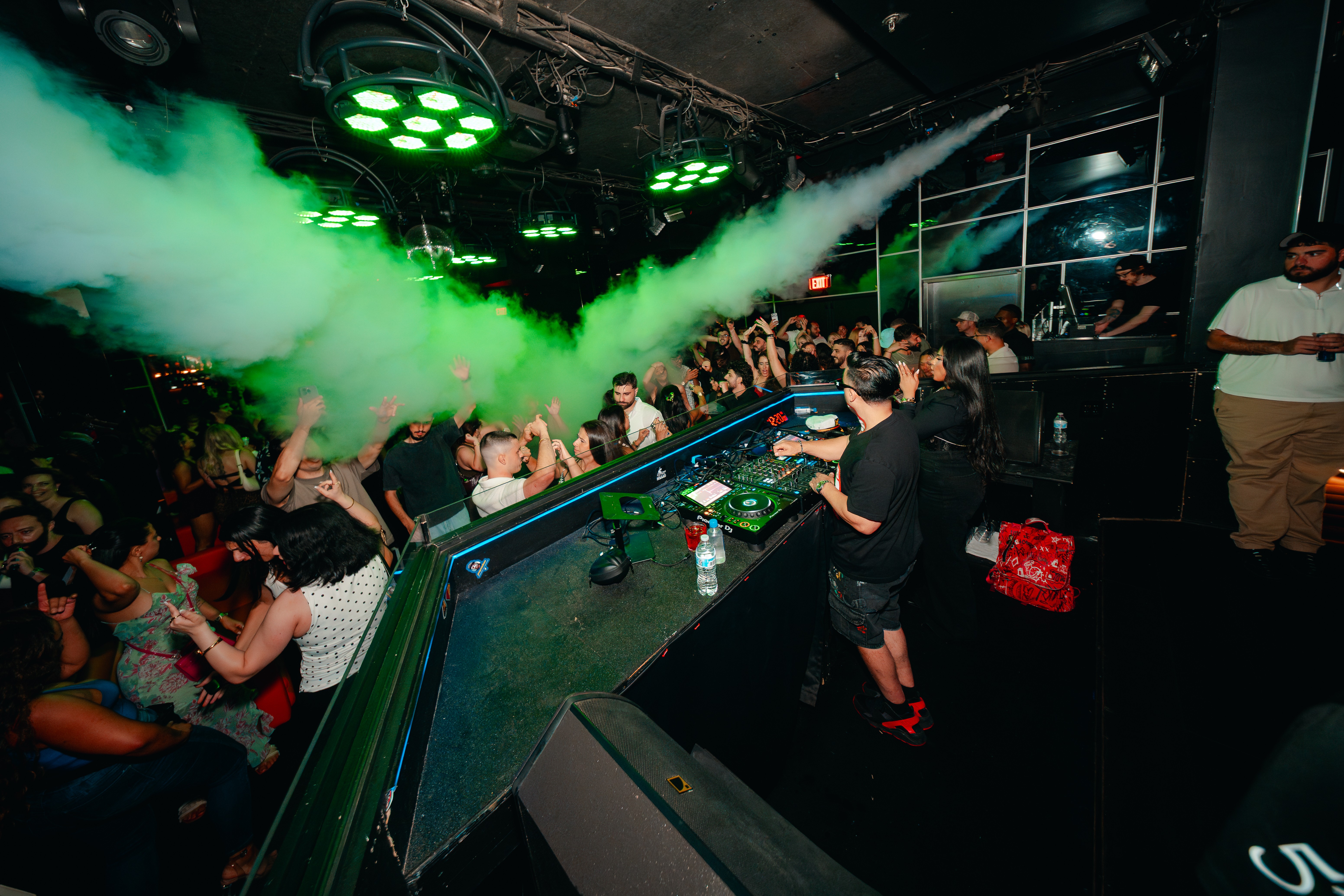
Then I discovered EDM and artists like David Guetta, and that completely changed the direction of my career. I bought my first DJ controller, taught myself how to DJ, and started playing local clubs. What began as something I was doing for the love of music gradually turned into a career.
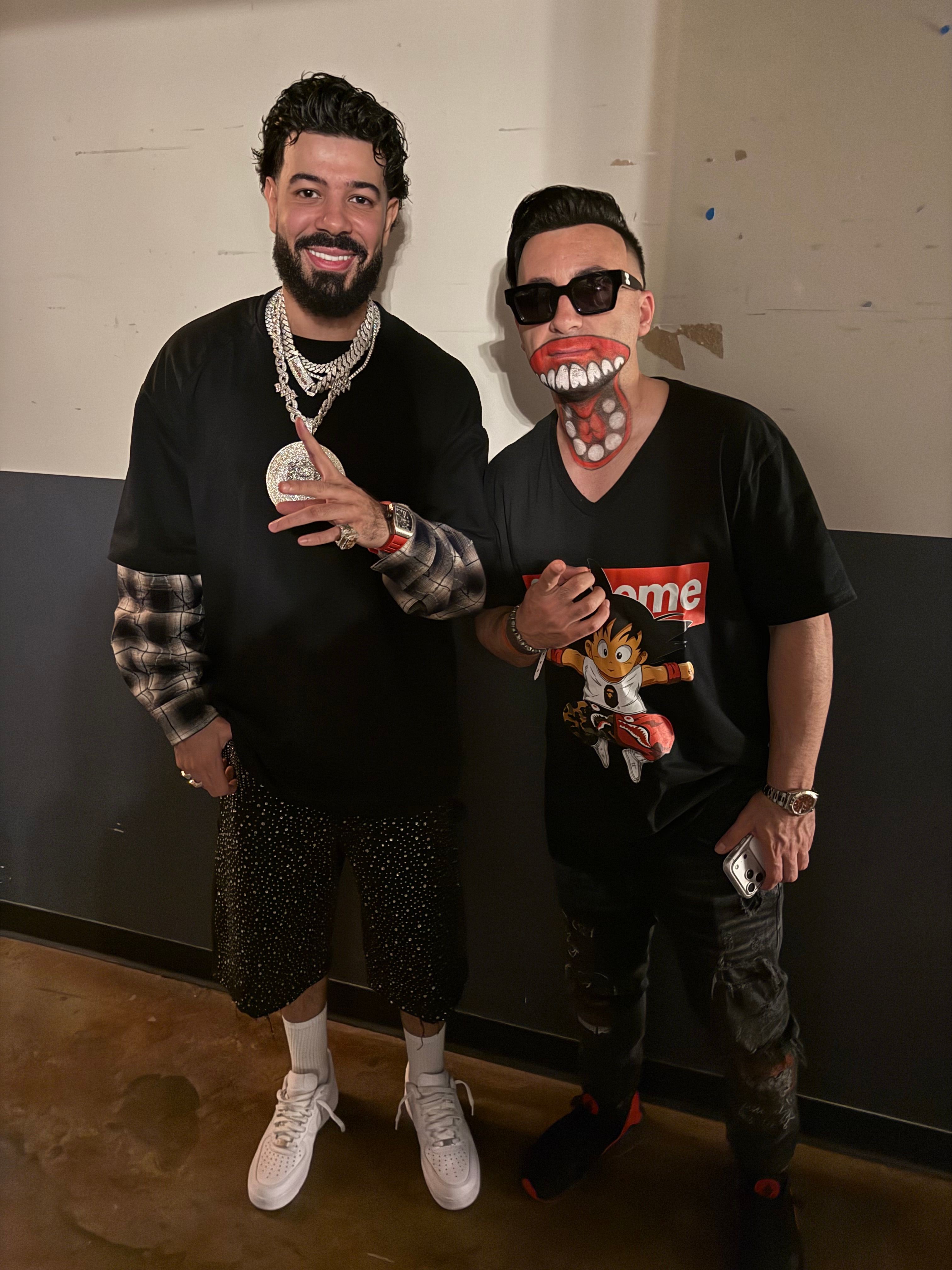
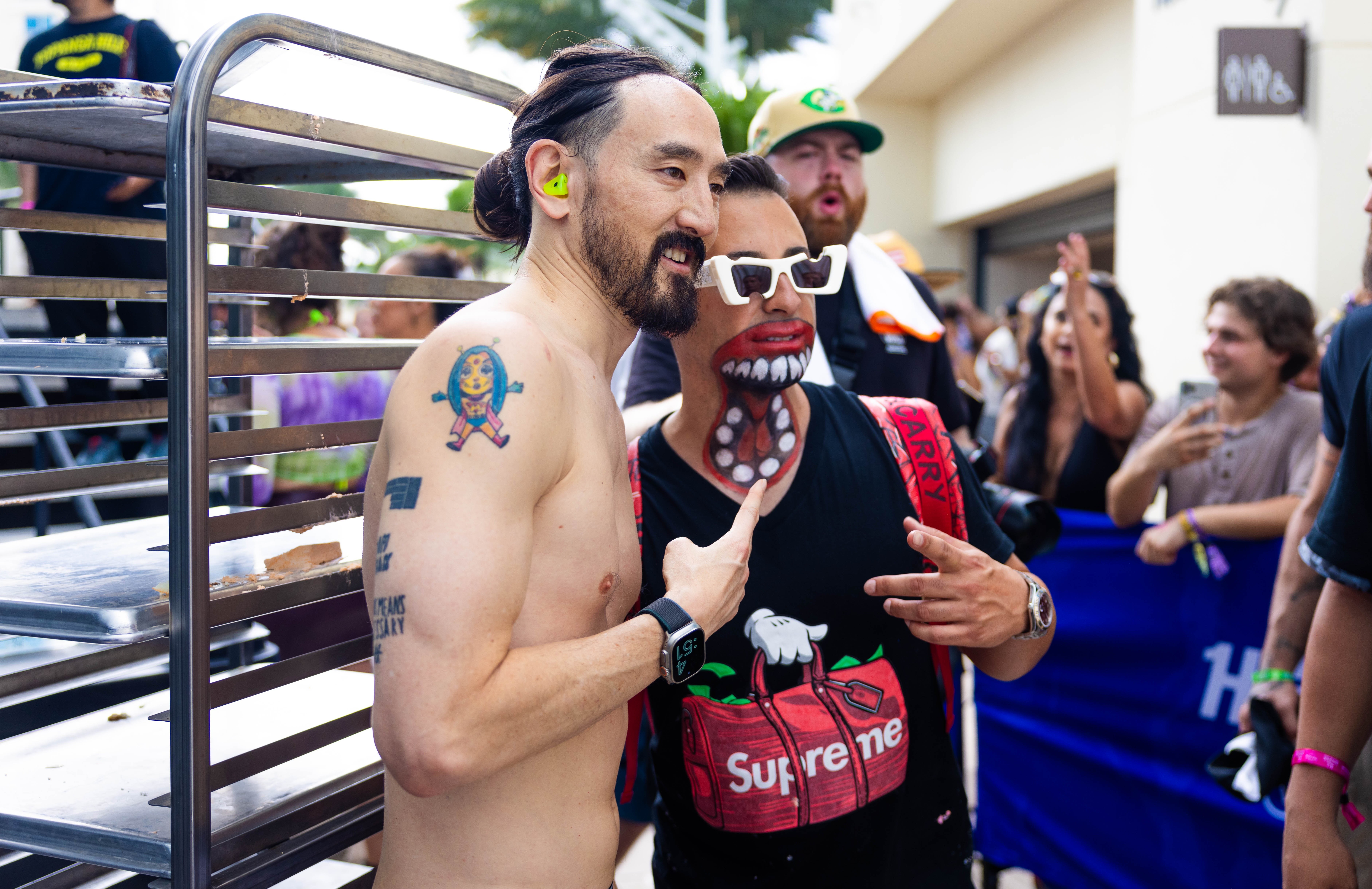
Over the years, I’ve continued to evolve as both a producer and DJ. I’ve had the opportunity to work on music with major artists and be part of projects involving names like David Guetta, Jason Derulo, Nicki Minaj, Willy William, Tamer Hosny and others. I’ve also shared stages with some of the biggest DJs in the world.
But I think the biggest evolution for me has been finding my own identity. Being Iraqi/Armenian and growing up between two cultures naturally influenced the way I hear music. Today, ART BEATZ is about bringing together Arabic and Middle Eastern influences with Afro House, Latin, House and other global sounds. I’m constantly trying to find that balance between where I come from and where modern dance music is going.
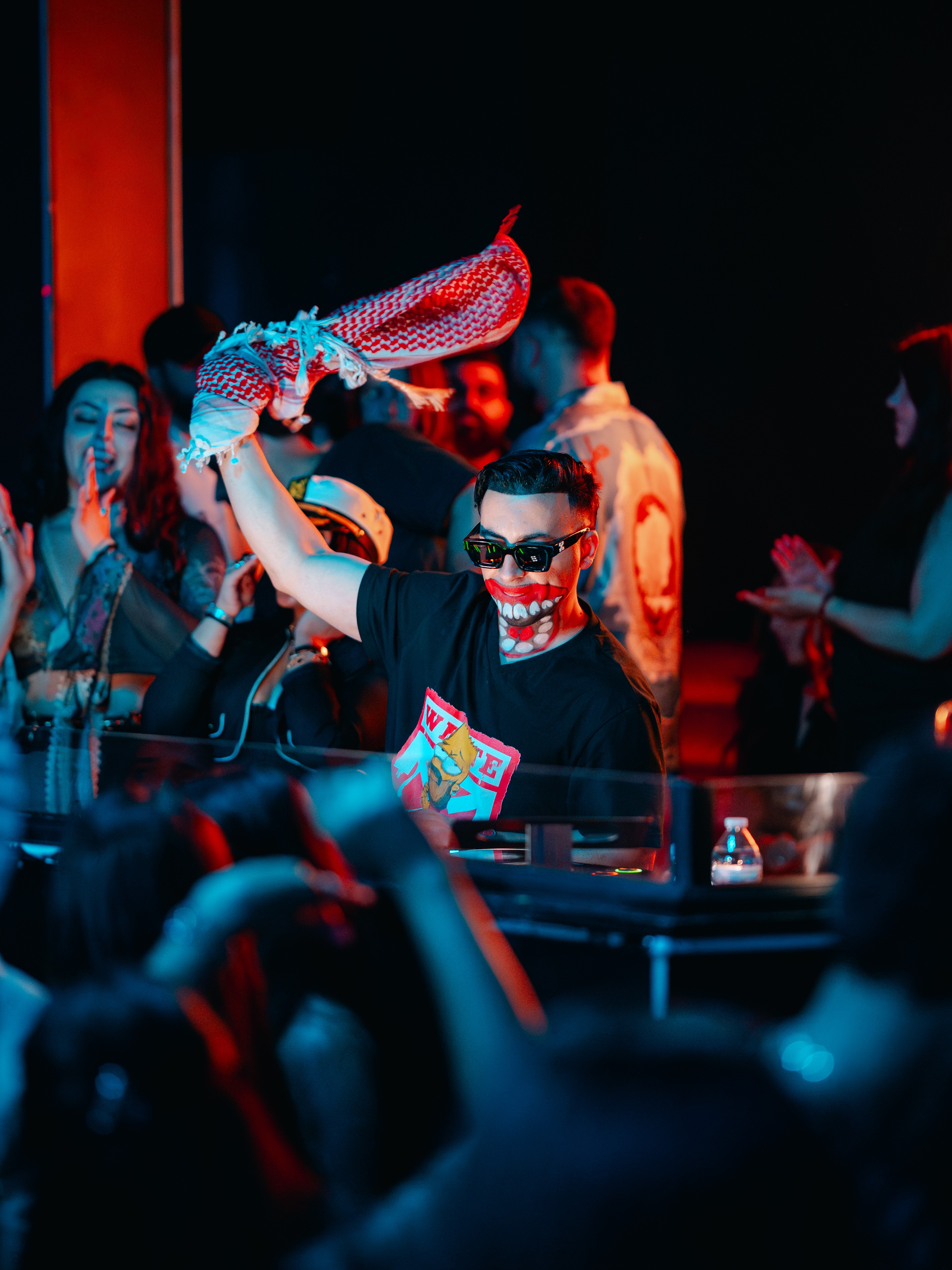
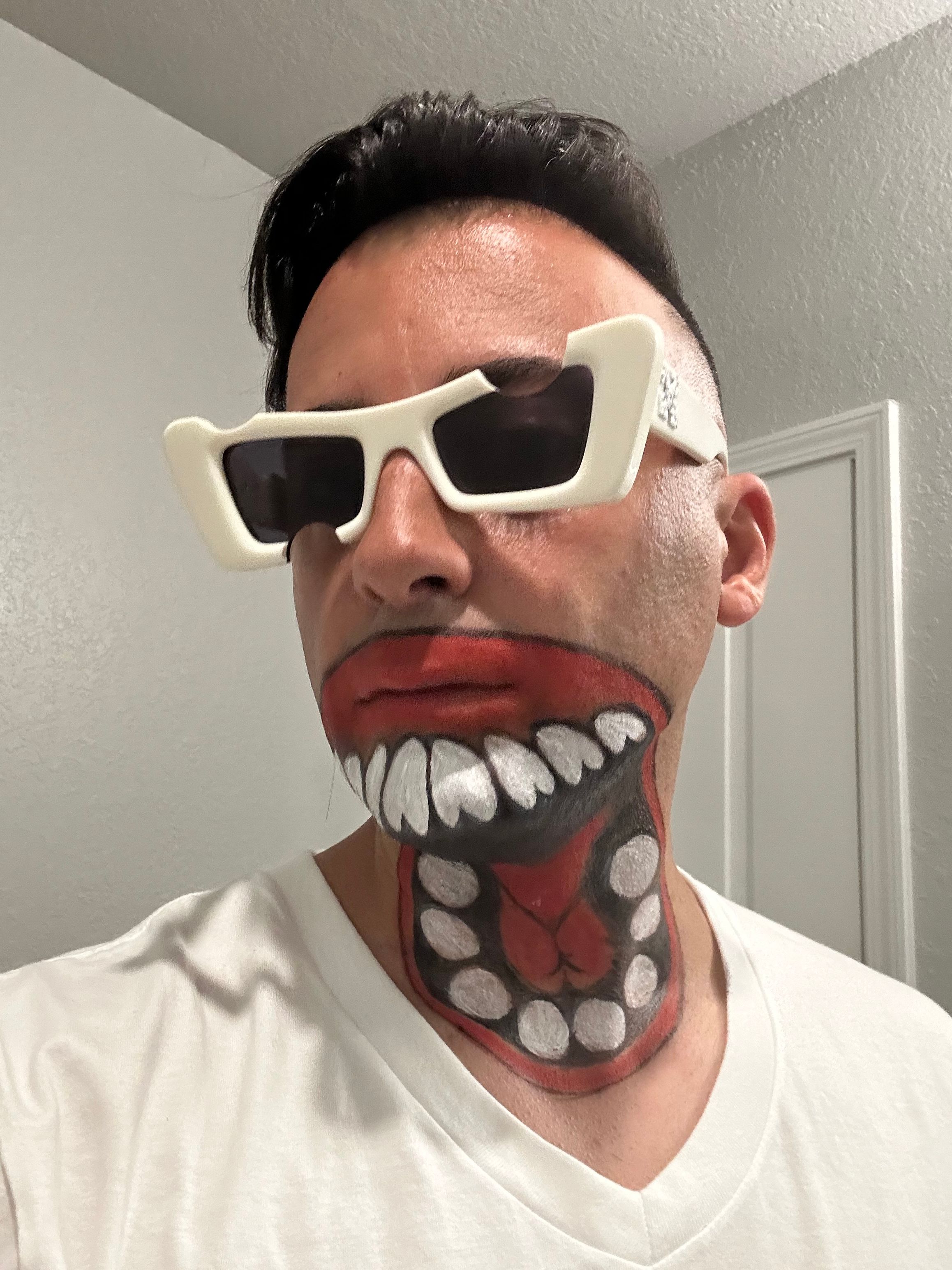
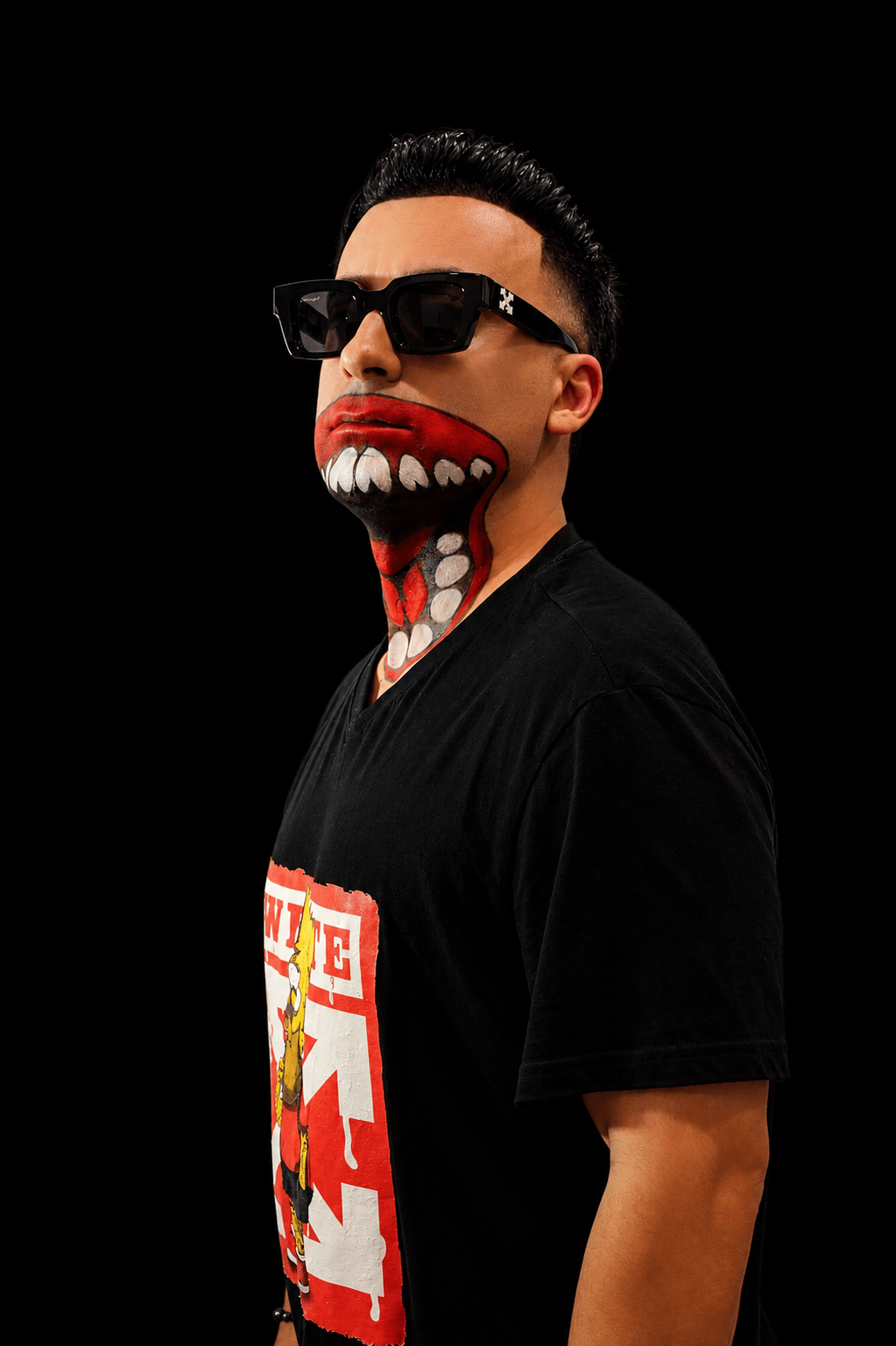
ART BEATZ has also become more than just a DJ name. It’s a visual and musical identity, from the signature face/neck design to the sound I’ve developed. And through Sahara Nights and the events I’ve been creating, I’ve been able to take that identity beyond the music and create spaces where people from different cultures can come together.
I’m proud of how far the journey has come, but I still feel like I’m building. For me, the goal has never just been to become a successful DJ. I want ART BEATZ to represent a sound, a culture, and an experience that people can recognize anywhere in the world.
I’m sure it wasn’t obstacle-free, but would you say the journey has been fairly smooth so far?
No, it definitely hasn’t been a smooth road. There have been a lot of obstacles, rejection, uncertainty, and moments where I questioned whether I was going in the right direction. The music industry is extremely competitive, and early on I had to work hard just to get people to listen to my music, give me an opportunity, or take me seriously.
For almost the first ten years of my career, I was basically doing everything myself. I was producing music, DJing and performing at night, while working other jobs during the day. There were times when I was working at a gas station and at a pharmaceutical company while still chasing music. It was exhausting, but I never wanted to give up on something I believed in.
Another challenge was finding my own identity. I grew up in Baghdad and then moved to the United States as a teenager, so I’ve always felt connected to two different worlds. It took me years to figure out how to bring those influences together in a way that felt authentic to me. I eventually realized that my background wasn’t something I needed to separate from my music it was actually one of the things that made me different.
Even when things started happening professionally, there were still setbacks. The industry can be unpredictable, and one opportunity doesn’t automatically lead to the next. I’ve had to learn not to depend on validation from labels, promoters, or other industry people. I learned that the most important thing is building a genuine relationship with your audience and continuing to create.
I think the biggest lesson I’ve learned is that you have to be willing to keep going when nobody is watching. There were many years when I was putting in the work without knowing if it would ever lead somewhere. But every setback taught me something, every connection opened another door, and every song made me a better artist.
So no, it hasn’t been easy—and honestly, I don’t think it ever will be. But that’s also what makes the journey meaningful. I’ve learned to embrace the obstacles instead of letting them stop me.
Thanks – so what else should our readers know about your work and what you’re currently focused on?
My work is centered around creating and pushing my own style of **Arab House** taking the sounds, melodies, vocals and rhythms I grew up with and bringing them into the modern electronic music world.
I’m a DJ, producer and remixer, but I see ART BEATZ as more than just a DJ project. I’ve always wanted to create a sound that represents where I come from while still feeling fresh, modern and global. My Iraqi and Middle Eastern roots are a huge part of that. I grew up listening to Arabic music, and when I discovered electronic music, I started experimenting with ways to bring those two worlds together.
That eventually became the foundation of my sound: Arabic vocals and melodies combined with the energy of House and Afro House, while incorporating influences from other global genres when they fit. I’m particularly known for taking familiar Arabic songs and giving them a completely different life on the dance floor.
I’ve been fortunate to work with and produce music involving major artists, including David Guetta, Jason Derulo, Nicki Minaj, Willy William and Tamer Hosny, but what I’m most proud of is building something that is uniquely mine. I don’t want ART BEATZ to simply be known for individual songs or collaborations—I want people to hear a track and immediately feel that it has the ART BEATZ sound.
What sets me apart is that Arab music isn’t something I added to my sound as a trend. It’s part of who I am. I grew up in Baghdad, moved to the United States as a teenager, and experienced both cultures firsthand. ART BEATZ is the result of those two worlds coming together.
I’m also proud of how I’ve been able to take that sound beyond the studio. Through my performances and Sahara Nights events, I’m creating an entire experience around Arab House and global music. My goal is to continue taking Arab House to bigger audiences and bigger stages around the world, while showing people that Arabic music can have a powerful place in the global dance music scene.
Networking and finding a mentor can have such a positive impact on one’s life and career. Any advice?
My biggest advice is to give before you ask. Bring value to the relationship. If you’re a producer, make great music. If you’re a DJ, support other DJs and artists. If you meet someone you admire, don’t immediately ask them for a favor—start a genuine conversation and find a way to contribute.
And probably the most important thing I’ve learned is not to chase validation. There have been plenty of moments in my career where I could have focused on whether a promoter, label, artist or industry person believed in me. Instead, I learned to focus on building relationships with the people who actually connect with my music and support what I’m doing. Those relationships with fans and supporters are ultimately what allow you to keep growing.
So if someone is looking for a mentor, my advice would be: find people you genuinely respect, learn from them, be useful, be consistent, and don’t be afraid to start small. You never know which relationship is going to change the direction of your career.
Contact Info:
- Website: https://www.djartbeatz.com/
- Instagram: https://www.instagram.com/djartbeatz
- Facebook: https://m.facebook.com/artbeatzmusic
- Twitter: https://twitter.com/djartbeatz
- Youtube: https://m.youtube.com/artbeatzmusic
- Soundcloud: https://m.soundcloud.com/artbeatz