




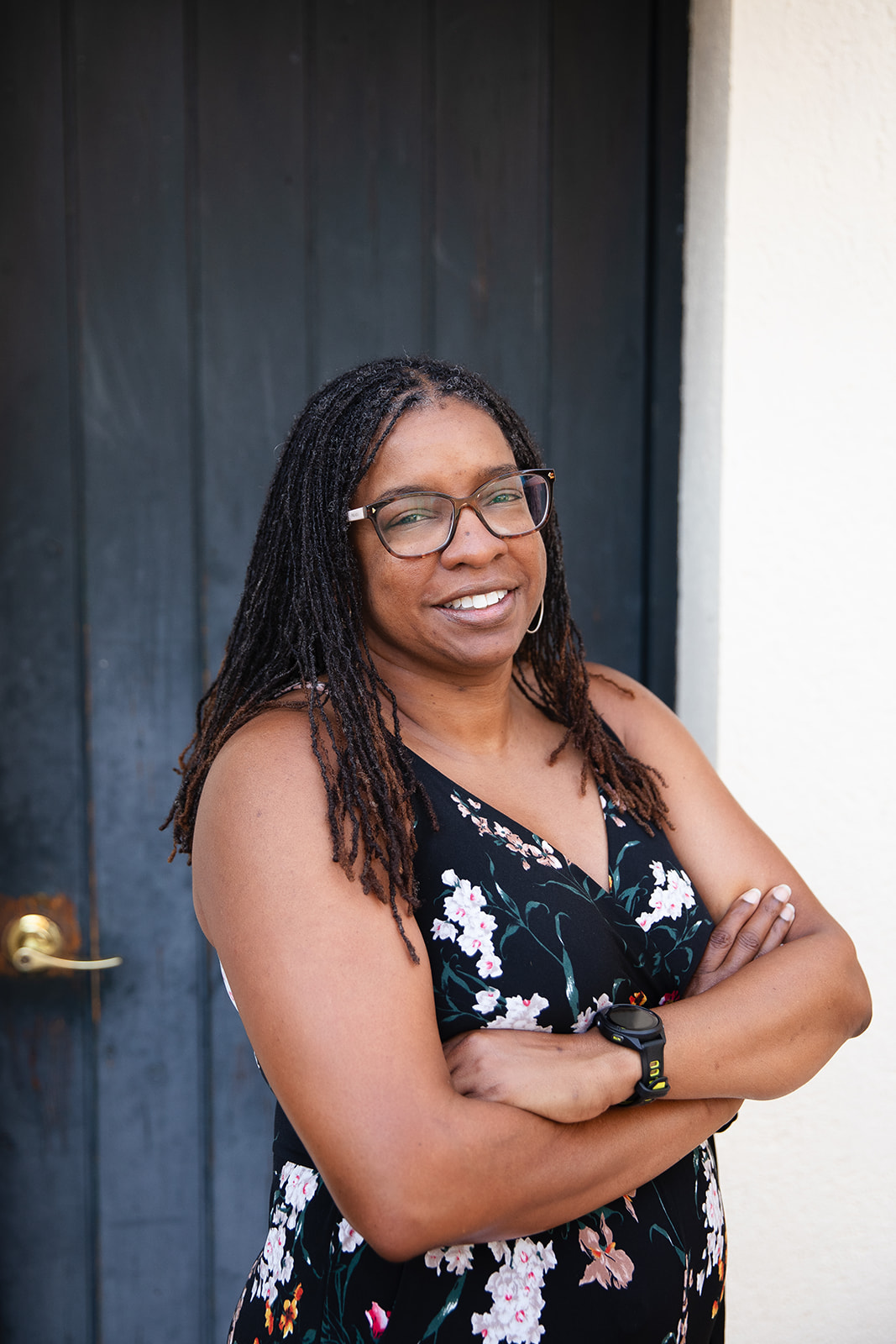
Today we’d like to introduce you to Nikki Barfield.
Hi Nikki, we’re thrilled to have a chance to learn your story today. So, before we get into specifics, maybe you can briefly walk us through how you got to where you are today?
As a child, I always knew I wanted to help people, so choosing social work as my major once I entered college felt like a natural fit. Getting through college, however, was a different story. I took a winding path and ultimately earned my Bachelor of Social Work five years after graduating high school. Despite the challenges, I knew I wanted to do clinical work, so I applied to graduate school—and to this day, I’m still a bit surprised I was accepted. Recently reviewing my undergraduate transcript reminded me just how far I’ve come.
My original goal was to work with at-risk children and adolescents. During graduate school, however, we were encouraged to complete internships with populations outside our comfort zones. At the time, I was also very broke, and a local Department of Veterans Affairs Medical Center (VAMC) offered a paid internship opportunity—so I took it. After graduation, I returned to community work with at-risk youth and loved it, but when student loan payments began, a mentor encouraged me to return to the VAMC temporarily to gain stability. My plan was simple: stay long enough to pay off my loans.
That “temporary” plan turned into a 25-year career with the VA. Over those years, I gained invaluable experience, served in meaningful leadership roles, and simultaneously pursued side projects that brought me joy and aligned with my values. As I grew older, I became increasingly aware of how essential joy and alignment are to overall well-being. While I remain deeply grateful for my time at the VA, the environment eventually shifted in ways that no longer aligned with my spirit.
When the opportunity for early retirement at age 51 arose in February 2025, saying yes felt surprisingly easy. Because I had consistently invested in side work that fulfilled me, I already had a viable path forward—one rooted in purpose and joy.
Today, I am the co-owner of Help is Healthy, a therapy practice focused on helping individuals and couples better understand and heal their patterns, relationships, and intimacy challenges. I’ve intentionally invested in advanced training and certifications, including EMDR, and I am actively pursuing certification in Internal Family Systems and Sex Therapy. My work allows me to serve clients in ways that feel authentic, effective, and deeply meaningful.
Most importantly, I have found joy in everything I now do. I recognize that this is a privilege, and I don’t take it lightly. I’m grateful for every season of my journey—especially the one that allows me to show up fully aligned, grounded, and present for both myself and the people I serve. At this stage of my life, joy is non-negotiable—and Help is Healthy allows me to model the very healing and wholeness I hope clients experience in their own lives.
I’m sure it wasn’t obstacle-free, but would you say the journey has been fairly smooth so far?
It definitely hasn’t been a smooth road. The biggest challenge for me was making a major pivot much earlier than planned. When I started my private practice in 2022, it was intentionally very part-time. The long-term goal was to slowly grow it into a viable option by the time I reached my minimum retirement age of 57. Instead, that pivot came six years early—and with very little time to fully prepare.
Making that kind of shift required quick, high-stakes decisions. Having the unwavering support of my husband was critical, especially when stepping into uncertainty and taking risks on a shortened timeline. While I’ve always had strong business and administrative skills and had already begun exploring clinical trainings aligned with what I enjoyed, I had to become much more focused very quickly.
One of my biggest internal struggles was ensuring that I wasn’t just collecting certifications, but truly building clinical competence. You can attend all the trainings in the world, but if you’re not proficient in applying those skills and achieving meaningful outcomes for clients, that didn’t sit right with me. In many ways, I accelerated my life. I invested in multiple clinical supervisors, deepened my practice in modalities that genuinely resonated with me, and became very intentional about the services I offer.
At the same time, I had to trust myself—and trust that the preparation, focus, and faith I was putting in would pay off. So far, it has. The road wasn’t smooth, but it was purposeful, and today I’m not only more grounded and competent in my work—I’m also genuinely happier doing it.
Great, so let’s talk business. Can you tell our readers more about what you do and what you think sets you apart from others?
Help is Healthy is a boutique therapy practice designed for individuals and couples who want more than surface-level change. The work we do goes beyond symptom management and focuses on helping people understand why they think, feel, and react the way they do—so real, lasting change becomes possible.
My niche is working with adults and couples who are navigating relationship distress, intimacy challenges, life transitions, and internal conflict. I specialize in helping clients unpack long-standing patterns, heal relational wounds, and build more authentic, connected relationships—with themselves and with others. Much of my work centers on couples therapy from a sex-positive lens, including support for desire discrepancies, communication breakdowns, infidelity recovery, and intimacy concerns. I am kink-allied and BDSM-affirming, and I work intentionally to create a non-judgmental, affirming space for clients whose identities, relationships, or sexual expressions may not be supported elsewhere.
What truly sets Help is Healthy apart is the depth of training and intentionality behind the work. I bring advanced training in EMDR, Internal Family Systems, and couples-focused modalities, and I integrate these approaches to meet each client’s unique needs. I don’t believe in one-size-fits-all therapy. I am deeply invested in clinical competence and outcomes, and I continually seek consultation and advanced supervision to ensure the work I offer is both ethical and effective.
I am especially proud that Help is Healthy is a BIPOC-owned practice that prioritizes culturally responsive care. Representation matters, and many clients seek me out because they want a therapist who understands the layered experiences of race, culture, identity, and relationships. I also intentionally offer in-person sessions, evening and weekend availability, and therapy intensives for clients who want focused, accelerated work beyond traditional weekly sessions.
Brand-wise, I am most proud that Help is Healthy reflects who I am—grounded, skilled, honest, and values-driven. This practice was built with intention, joy, and integrity. I want readers to know that this is a space where clients are respected as whole people, where healing is collaborative, and where therapy is not about fixing what’s “wrong,” but understanding what’s happened and learning how to move forward with clarity, connection, and compassion.
What matters most to you?
What matters most to me at this stage of my life is alignment—living and working in ways that feel honest, intentional, and joy-centered. I spent many years doing what I was supposed to do, following paths that made sense on paper and met expectations, even when they required me to put parts of myself aside. That chapter taught me discipline, resilience, and responsibility, but it also clarified what I no longer want.
I’m done making decisions solely because they are socially acceptable or expected. Instead, I prioritize joy—not as something indulgent or frivolous, but as something essential. Joy, for me, is about sustainability. It’s about having the emotional and physical capacity to show up fully for my family, my clients, and myself without burnout or resentment.
Leaning into joy has required trust, courage, and a willingness to disappoint others at times. It has meant choosing alignment over approval and fulfillment over external validation. What I’ve learned is that when my life is grounded in joy and purpose, I am more present, more effective, and more generous in how I show up. I’m not for everybody and I’m ok with that.
At its core, what matters most to me is living a life that feels whole—one where my values, my work, and my well-being are not in competition, but in conversation with one another. Joy is no longer a reward I work toward; it’s the foundation I build from.
Contact Info:
- Website: https://www.helpishealthy.com



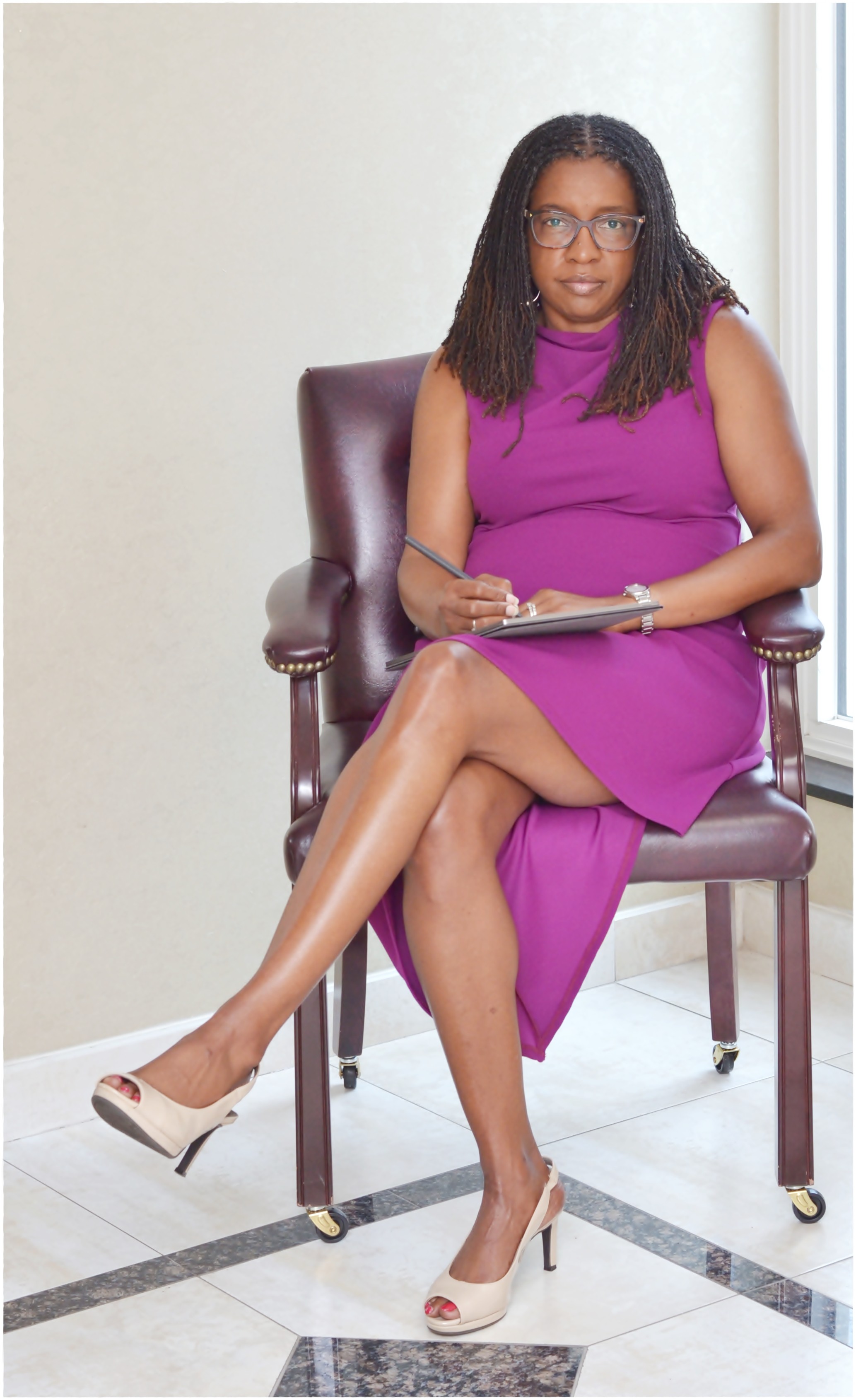
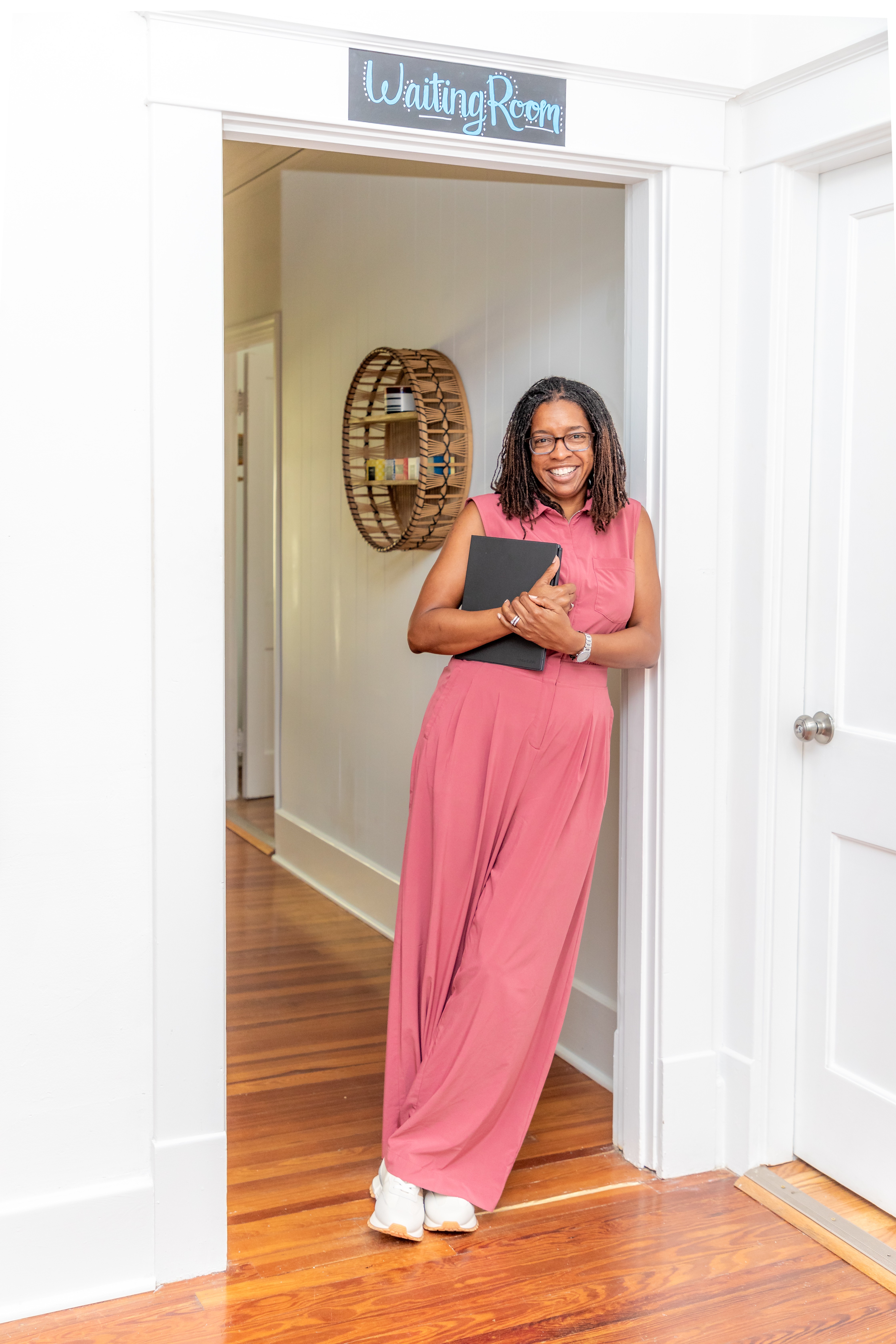
Image Credits
Ariel Shumaker, Casandra Chatman, Trevor Howard