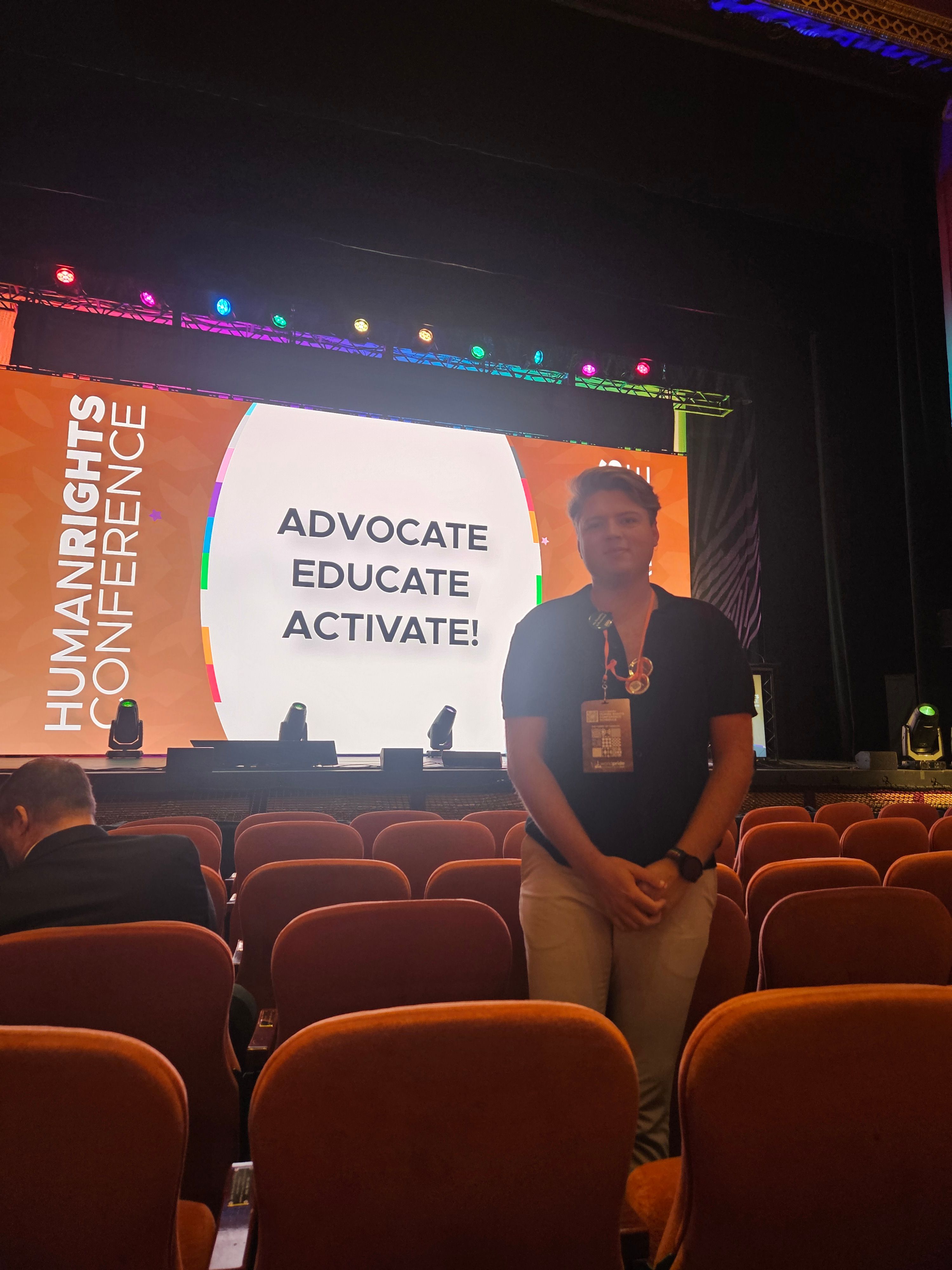




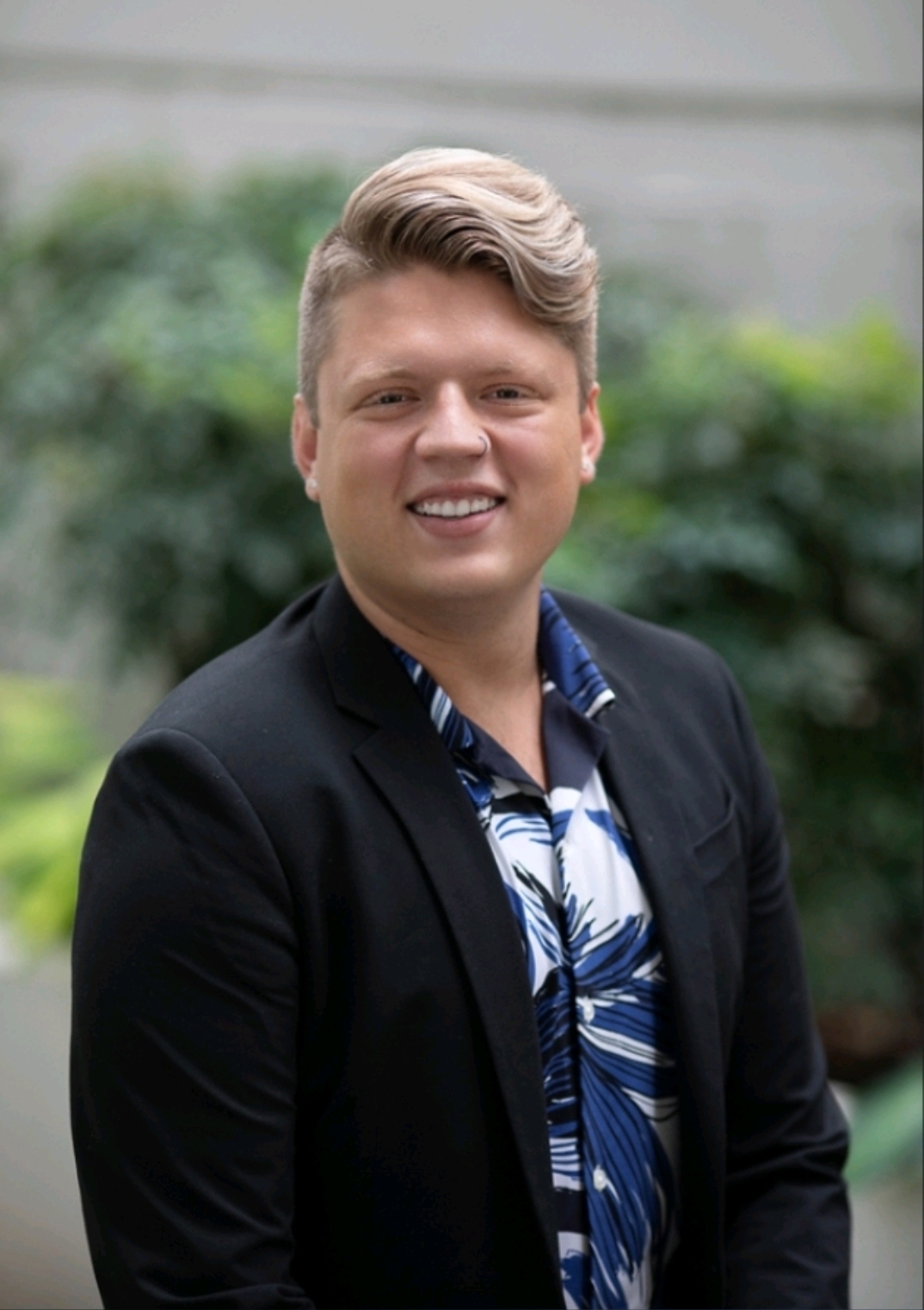
Today we’d like to introduce you to Jason Schmidt Avendaño.
Hi Jason, please kick things off for us with an introduction to yourself and your story.
I was raised in a proud, multicultural family, my mom is Panamanian, and my dad served 23 years as an officer in the Air Force. From a young age, I was surrounded by discipline, resilience, and a deep sense of service, but also warmth, storytelling, and community. Before I even had language for my sexual or gender identity, I understood the power of belonging. My parents modeled resilience, compassion, and service in ways that made me understand that connection isn’t something you find, it’s something you create.
Music was the first place I learned how to build that connection. As a trained opera singer, I discovered how sharing something deeply emotional could bridge even the widest gaps between people. For my senior recital in high school, I chose to perform at a local assisted living facility, thinking it would be a way to combine my passion for music with my then-interest in music therapy. My second-to-last piece was a difficult Italian art song, Luna d’estate by Tosti. After I finished, a woman in the front row softly said, “Beautiful.” I didn’t think much of it until I noticed her family’s stunned faces. After the recital, they told me their mother hadn’t spoken in over five months. She had severe memory issues and hadn’t even recognized them. But she had grown up in Italy, where her father owned a bakery that often played Tosti’s music. Hearing that song had brought her voice back, if only for a moment.
That experience changed me. It was one of those movie-like moments where the world narrows in, and something inside you shifts. I realized then that my purpose wasn’t about performance, it was about creating moments that awaken something in others. I didn’t know it at the time, but that moment planted the seed for everything that came after: my passion for understanding emotion, identity, and belonging.
As I came out as a cis gay Latino man, that sense of purpose deepened. I became more aware of how identity shapes emotion, how both pride and prejudice intertwine for queer people navigating the world. That curiosity led me to neuroscience, where I study how affirming and discriminatory experiences shape the way LGBTQ+ individuals process and regulate emotion. My research sits at the intersection of science and humanity, asking how our lived experiences write themselves into our neural stories.
At the core of everything I do, whether in research, advocacy, or daily life, is a commitment to being intentional, values-driven, and equity-focused. I call these guiding principles M.I.N.D., which stands for Meaningful, Inclusive, Nurturing, and Deliberate. These values guide how I engage with people, approach challenges, and build solutions that are inclusive, impactful, and sustainable. More than anything, I hope my work, whether through research or community projects like Threads of Inclusivity, creates spaces where people feel seen, supported, and empowered to be their full selves.
Can you talk to us a bit about the challenges and lessons you’ve learned along the way. Looking back would you say it’s been easy or smooth in retrospect?
It definitely hasn’t been a smooth road. I followed my passions for both music and psychology through undergrad, earning double majors that eventually led me into a Ph.D. program where I originally studied the neuroscience of music. Somewhere along the way, though, I lost myself. Academia, like many systems in America, still struggles with issues around equity and inclusion. I loved the science, but I didn’t always love the culture.
At the same time, I was pouring myself into Diversity, Equity, & Inclusion (DEI) work outside the lab, volunteering, consulting, and interning across government, nonprofit, and consulting sectors as a DEI practitioner. I found meaning in helping people and organizations become more equitable, but I felt split between two worlds. I was training to be a neuroscientist 50 hours a week, yet spending my free time trying to make systems more human. I started to feel like an imposter in every room I entered, not because I lacked the skills to belong, but because I felt like I was living two different lives.
That changed when my now-advisor, Dr. Ruthann Atchley at the University of South Florida, called out what I couldn’t yet see: that “Jason the neuroscientist” and “Jason the DEI consultant” could be the same person. That my passion for research and my commitment to equity weren’t competing forces, they were two halves of the same purpose. Her belief in that helped make me whole again.
After completing my master’s degree, I shifted my research to focus on LGBTQ+ emotion regulation in the brain, work that allows me to merge my scientific training with my values. I now center DEI principles and equity-based best practices in everything I do, from how I design studies to how I mentor students. That shift also expanded how I showed up within the university itself. I began leading diversity initiatives in the Department of Psychology, supporting student committees, and advising on inclusive policy development.
It was through that work that Threads of Inclusivity was born, a project rooted in the belief that belonging shouldn’t depend on access to resources. What started as a simple idea to provide free gender-affirming clothing and accessories for all students, faculty, and staff has grown into a campus-wide initiative that embodies everything I value: inclusion, care, and community. By integrating the same intentional, equity-focused practices I use in research, Threads of Inclusivity has become more than a clothing closet, it’s a space of affirmation, connection, and dignity.
This journey taught me that purpose isn’t about choosing between disciplines, it’s about finding the thread that ties them together. For me, that thread is humanity.
Alright, so let’s switch gears a bit and talk business. What should we know about your work?
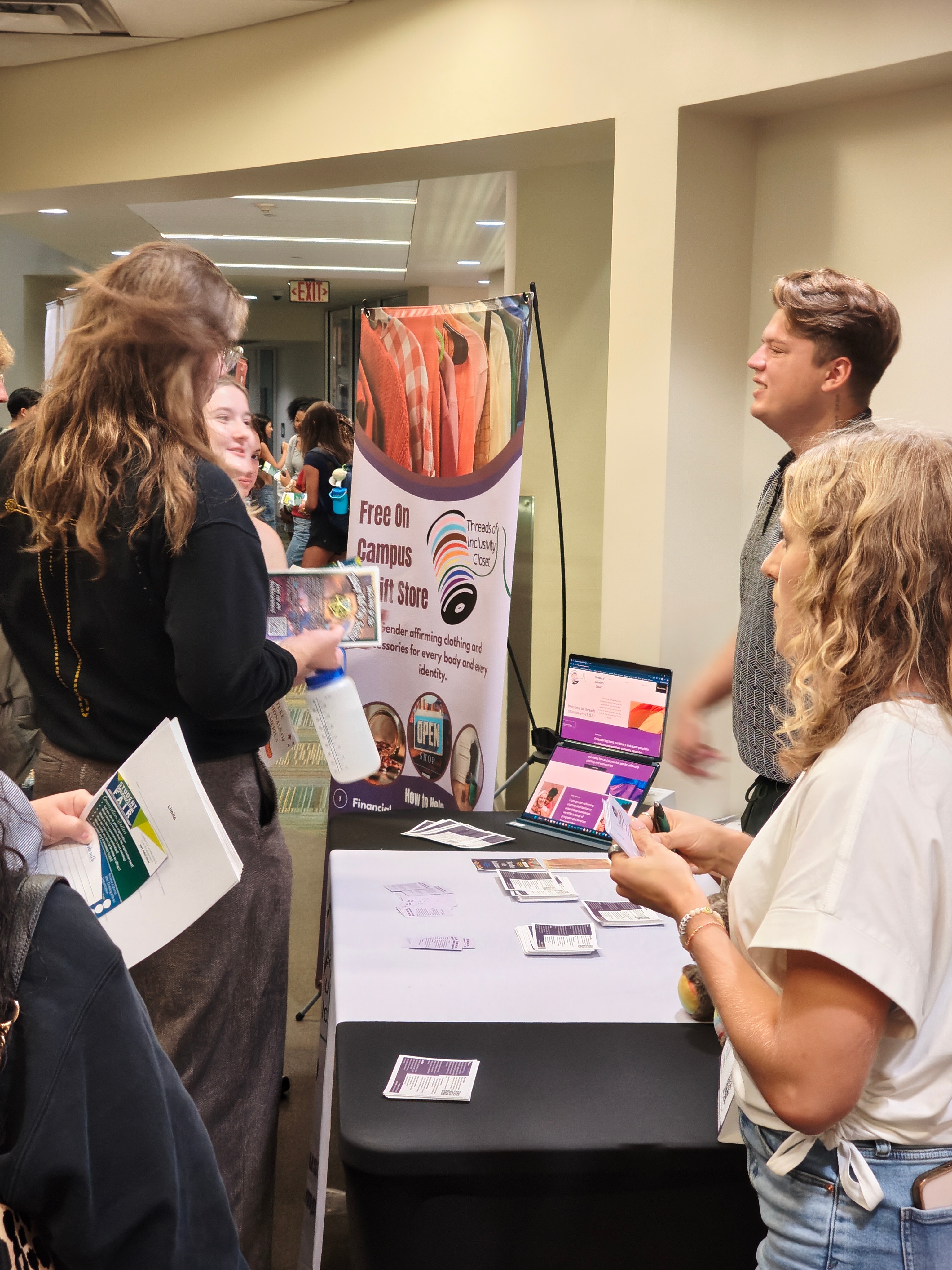
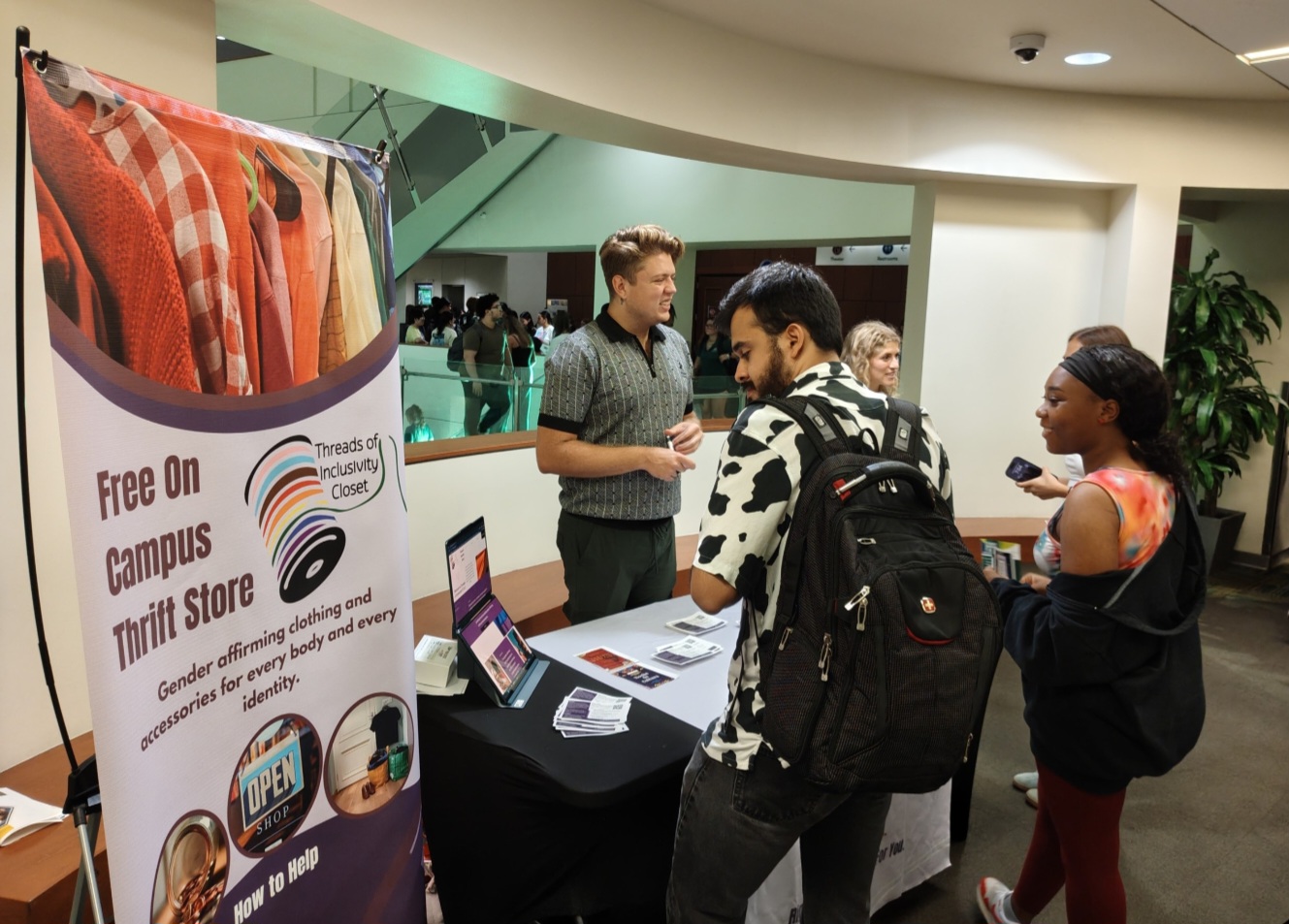
At the heart of my work is Threads of Inclusivity, a campus-based initiative I founded at the University of South Florida that provides free gender-affirming clothing and accessories for every body and every identity. What started as a small idea, collecting clothes to help a few students feel more comfortable in their skin, has grown into a program serving hundreds of people each semester.
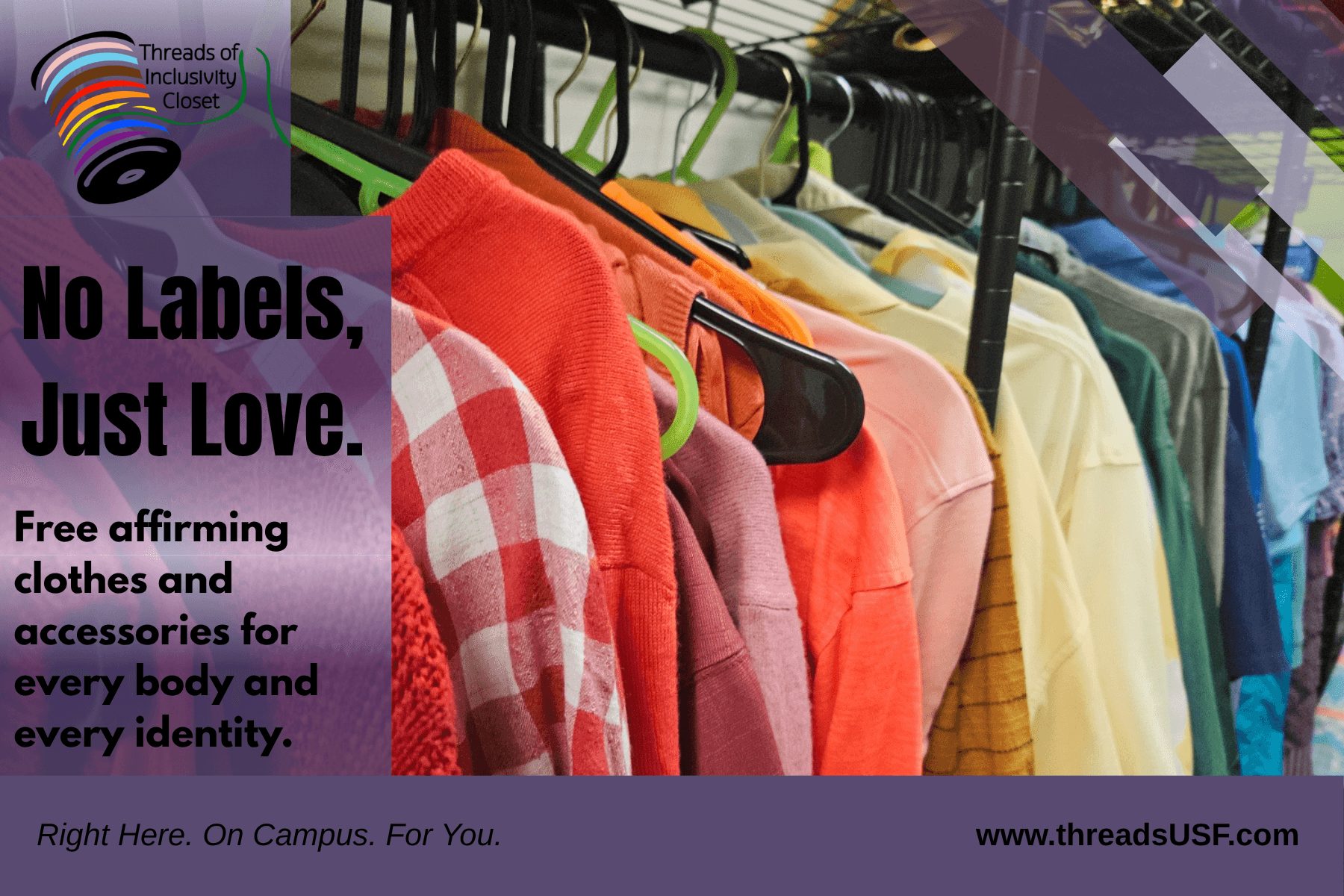
Threads of Inclusivity operates as a free on-campus thrift store, where students can browse and take what they need without question, cost, or stigma. It’s more than a clothing closet, it’s a space of dignity and belonging. Every item on our racks, every accessory, and every conversation shared in that space represents something bigger: the freedom to show up as yourself.
What sets Threads apart is that it’s built with the same intentional, data-informed, and equity-based practices that guide my research and DEI work. From sustainable donation systems to inclusive sizing, lighting design, and signage, we’ve been deliberate about creating an environment that feels safe, affirming, and reflective of the diverse community we serve. It’s not just about giving clothes, it’s about creating visibility, building confidence, and reminding people that they deserve to take up space exactly as they are.
We’ve expanded in ways that still amaze me. Our website now allows people to donate directly online, host donation boxes in their businesses or organizations, or ship clothing and accessories straight to us. Every contribution, whether financial, physical, or through advocacy, helps us sustain and grow a space that has become a lifeline for so many USF community members navigating identity and belonging.
What I’m most proud of isn’t just the closet itself, it’s the community that’s formed around it. Seeing students light up when they find something that feels like them is an experience I’ll never forget. It’s proof that when we invest in visibility and care, we’re not just giving clothes; we’re giving confidence, safety, and the radical affirmation that everyone deserves to feel seen. We’re now preparing for our grand opening in Spring 2026, where we’ll celebrate the official launch of our expanded space and highlight the incredible support that’s made it possible. We’re excited to share more event photos, stories, and details in the coming months as Threads of Inclusivity continues to grow into a space that embodies care, creativity, and community.
Where we are in life is often partly because of others. Who/what else deserves credit for how your story turned out?
So many people deserve credit for where I am today and for what Threads of Inclusivity has become. I’ve been surrounded by communities that have shaped, challenged, and supported me in every space I’ve had the privilege to navigate.
Every workplace, job position, and learning experience has given me skills that I now embed into my own programs, lessons in empathy, leadership, and how to create systems that truly care for people.
I’m also deeply grateful for the university community and my peers, who have been a constant source of encouragement and collaboration. None of this work happens in isolation; it’s the product of shared belief and collective effort.
And to my friends and the broader queer community, thank you for being my joy and my grounding force. The love and connection I experience in intentionally queer spaces replenish my spirit and remind me why this work matters. It’s that sense of community care, laughter, and chosen family that keeps my cup full and my heart focused on the kind of change I want to build.
Contact Info:
- Website: https://www.threadsusf.com/
- Instagram: @threadsusf
- LinkedIn: https://www.linkedin.com/in/jayschda%C3%B1o/