


Today we’d like to introduce you to Ella Balasa
Ella , we appreciate you taking the time to share your story with us today. Where does your story begin?
Being born with cystic fibrosis (CF) — a progressive, genetic lung disease — I have had countless health care encounters throughout my life, spending time in the hospital being treated for lung infections through adolescence and into adulthood. From these experiences, I learned the power that lies in self-advocating for my health in the clinical setting.
I studied biology in college, and worked in a microbiology laboratory after graduation. It was in this role that I first realized my own experiences as a patient could help bridge the gap between research and patient communities. At the time, I was studying antibiotic resistance — something I have dealt with in my medical journey using antibiotics frequently to treat lung infections, which over time means that my body has developed a resistance to them. There have been points in my life where treatments weren’t effective because of this. This connection between my own health experiences and the research in the laboratory led to my passion for building inroads between research and patient communities.
I began lending my voice as a patient perspective in research, serving on various committees with the CF Foundation, on advisory boards, and in consultant roles with pharmaceutical and healthcare companies developing patient-facing lay language materials to support health literacy, reviewing clinical trial protocol designs, and overall helping industry to consider the patient experience throughout drug development.
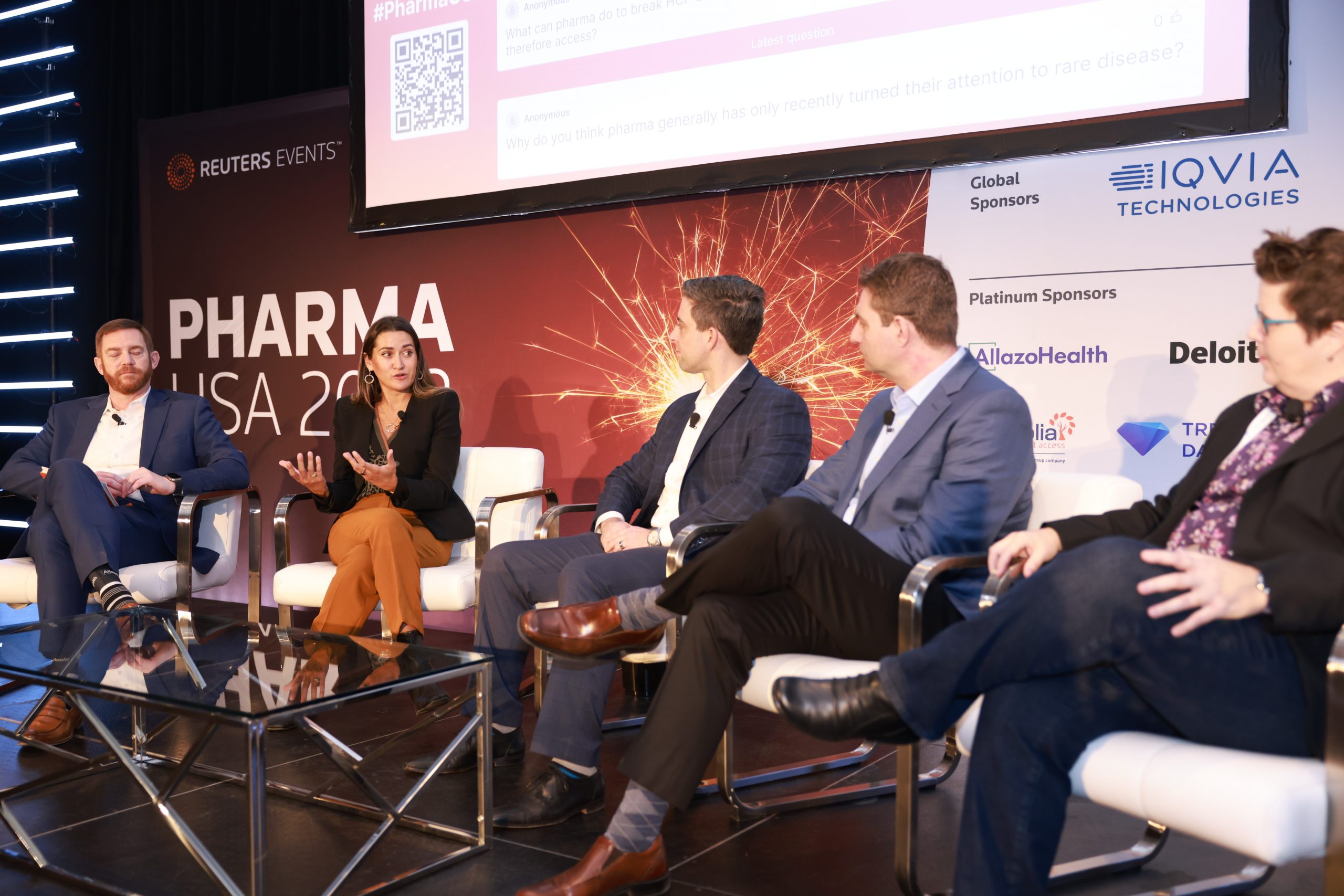
I have grown my industry connections by speaking on panels, at conferences, and other events branching beyond CF consultation, ensuring the patient perspective is represented within research for other rare diseases. Now, I work with industry professionals to identify and meet the needs of many different patient communities.
I now have experience collaborating with healthcare and pharma companies. I’ve spoken directly to companies by presenting about my healthcare journey and how they can best support patients with my diagnosis and overall patient needs. I have provided consulting and patient experience feedback about clinical trial experiences and the use of mobile patient monitoring technology. And I am a patient advisor to a few other pharma and healthcare companies where I provide ongoing feedback to new initiatives, marketing, and overall input on patient centricity.
Alright, so let’s dig a little deeper into the story – has it been an easy path overall and if not, what were the challenges you’ve had to overcome?
Cystic Fibrosis is an invisible disease. Because of that, people have a hard time understanding the gravity of it. No one really knows how sick you are because they can’t “see” it. When you look fine on the outside, people assume you are fine. I mean, sure, people can sometimes see when I’m out of breath, and if you lived with me you’d see that I’m coughing all the time and using oxygen. But other than that, it’s hard for people to grasp. It doesn’t bother me as much anymore, but there was a time when it was really frustrating. I felt so misunderstood. I want to help people realize just how difficult it really is.
CF causes a buildup of mucus in the lungs. Three to four times a day I have to use a nebulizer with aerosolized medication to clear my airways. The treatment makes the mucus thinner so that I can cough it out, because that’s the only way to expel it. But the mucus attracts bacterial infections, which require intravenous antibiotics to treat them. I’ve had countless lung infections over the course of my life, so I’m very familiar with these treatments. I’d be in the hospital for three weeks at a time, multiple times a year. As I’ve gotten older, the infections have become more and more difficult to treat, because the frequent antibiotic use has led to antibiotic resistance. So there are now less antibiotics that work effectively against the bacteria. And the ones that do work take a long time to work. Most people are at 100% lung function. I’ve had less than 40% lung function for over 10 years, which is pretty low. Currently, it’s at around 28%. It’s been a slow decline.
I have spent countless weeks in the hospital getting treated for these infections that have over time become more and more difficult to treat, using the same few antibiotics cycled many times – I am running out of antibiotic options.
In 2019, I experienced the worse infection I had ever had. And even intravenous antibiotics lost their potency. I was on intravenous antibiotics for weeks and I wasn’t having any relief of my symptoms. I was doing breathing treatments every two hours or so just to quieten the wheezing and secretions in my airways as I breathed. My lung function dropped to 18% and I was put on supplementary oxygen.
I managed to clear that difficult infection, but it was one of the most difficult obstacles of my life. Other than health challenges, having come into the advocacy world from a person with only lived experience of a condition, and not professional employment directly in the space, it was a challenge to establish my legitimacy and be viewed as an expert beyond just what Ive experienced. I had spent countless hours, networking, learning from webinars, applying for advisory board roles to expand my involvement with different stakeholders and learn the ins and outs of drug development. It certainly has paid off, and now as an established consultant, when I go to a conference or speak at an event, I have built up a reputation and experience but it takes time and purserverance.
Can you tell our readers more about what you do and what you think sets you apart from others?
if I really think about it from a purely factual, objective way – in terms of the impact I’ve had on the rare disease community – it’s impactful. I’ve been flown around different cities and countries to share my story at conferences. I’ll admit, I’m always striving for that next thing, always wanting to do more to help others. So I try to remember to take a step back and be proud of what I’ve already done and the positive impact I’ve had on other people’s lives. Speaking gigs, where I talk in front of thousands of people, are really amazing (I used to get scared speaking in front of strangers) but I’ve realized it’s those smaller moments of connection – where I meet with people from the audience – that feel most impactful.
Over the years, I’ve made countless connections with people that reached out to me from seeing my content. The Associated Press included me in a documentary with various people experiencing lung infections (some CF related, some not). I was also part of a documentary called Silent Pandemic, where they chronicled journeys of people living with antimicrobial resistance (AMR). As mentioned, the bacteria in my lungs form resistance to the antibiotics. It’s been shared globally and has had a huge impact because of the sheer volume of people that have seen it. Hopefully it will bring more awareness to AMR and at some point down the line, inspire new research.
As far as what sets me apart from others, I feel like I haven’t given up. I would apply for opportunities I didn’t always think I qualified for, to expand my network. I connected with other established advocates and industry patient engagement teams through LinkedIn. I’ve taken stock in the vast knowledge I possess about my disease and the healthcare space in general.
Lastly, I’ve continually been inquisitive and have a desire for gaining new insights and information that will not only aid my own healthcare, but that I’ve utilize to inform companies and researchers across the healthcare continuum on the needs of patients.
I want to emphasize that I am still working towards becoming even more established patient advocate and consultant, but it takes grit and determination and a passion to make an impact in the advancement of healthcare. I want to serve as an example and inspiration for what others can achieve as well.
What quality or characteristic do you feel is most important to your success?
My work in patient advocacy is truly my passion. This is tremendously valuable to success – to be passionate about the work we do. I also don’t like to wallow or dwell on things; I’ve found that there’s no use in that. If I am going to make the most of this life, I’m going to focus on the things I can control and try to let go of the rest. I now have large networks both professionally and socially. I also just love new experiences and adventures – that includes forging connections/relationships and learning from others so that I can develop my experience and contribution to the healthcare industry.
Cystic fibrosis has been my greatest curse and my greatest blessing. I’ve dealt with a lot of very difficult health obstacles and challenges in various ways. But I wouldn’t have gained the resilience and perspective I now have without it. I’d be more caught up in the insignificant things in life that really don’t matter, and might not be striving to live my life to the fullest as I am now. My experiences have taught me who I am and how to live my life. I wouldn’t change it.
Contact Info:
- Website: https://www.ellabalasa.com
- Instagram: https://www.instagram.com/ellabalasaadvocacy/
- Twitter: https://x.com/ellabalasa1?lang=en

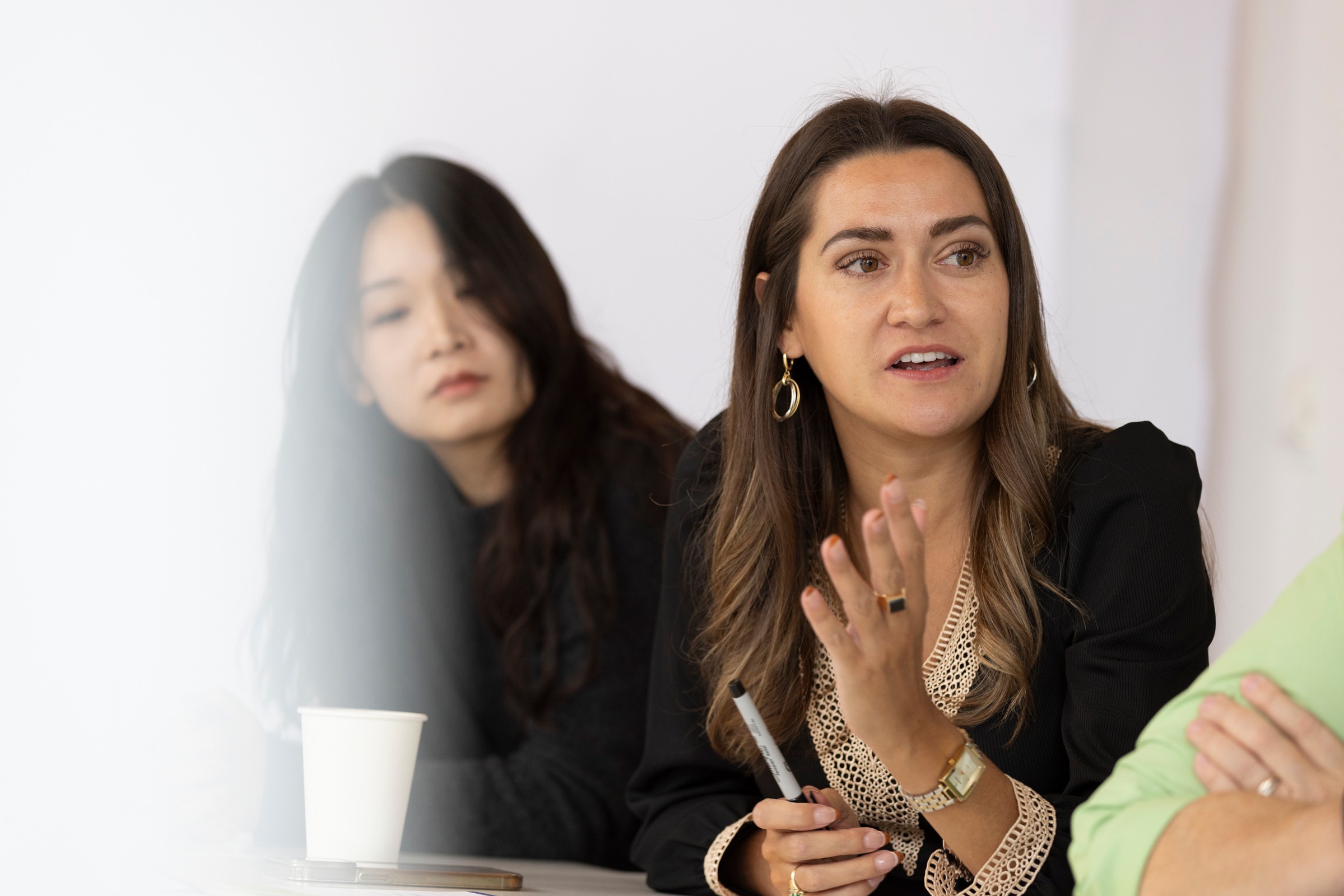
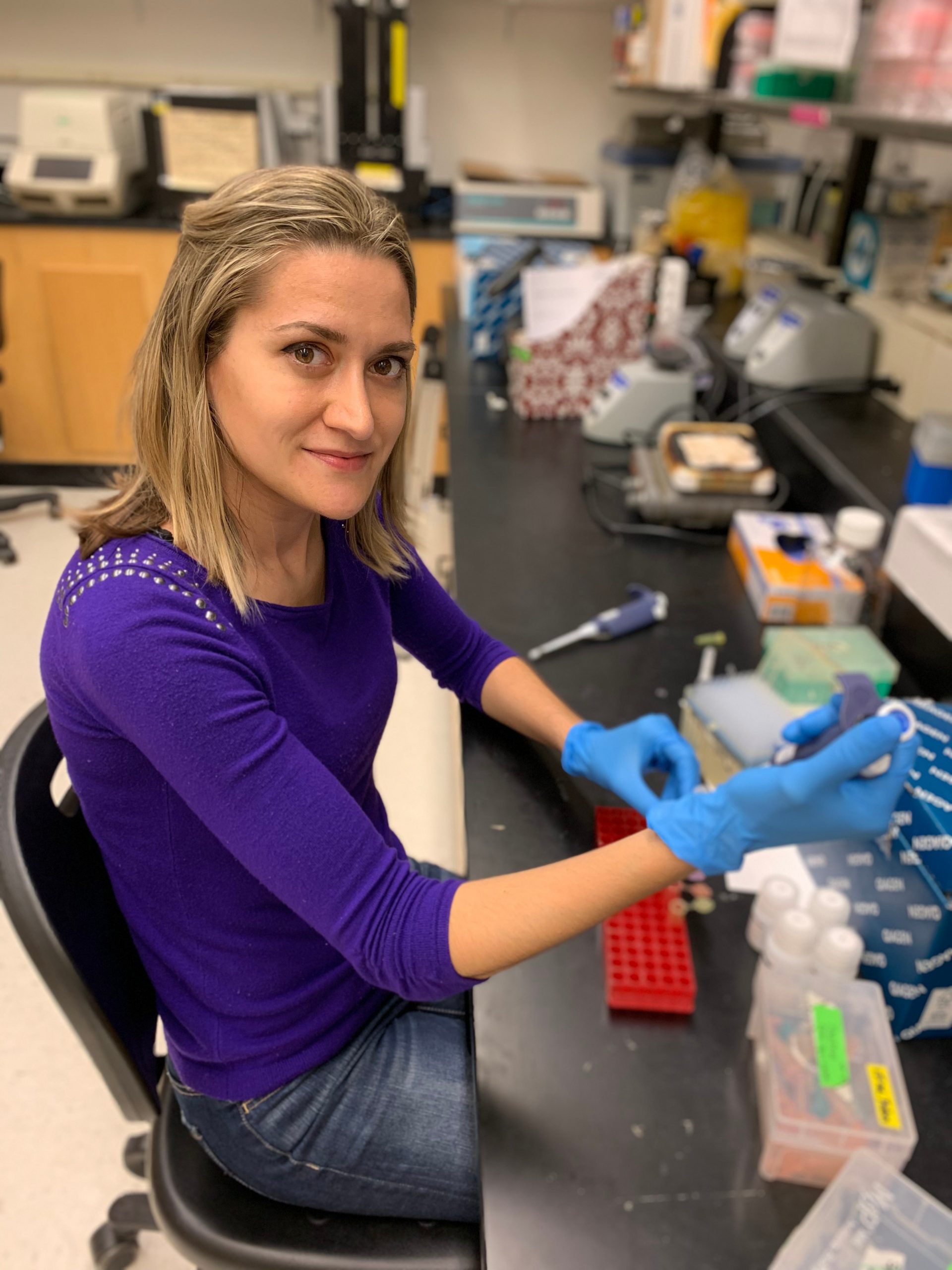
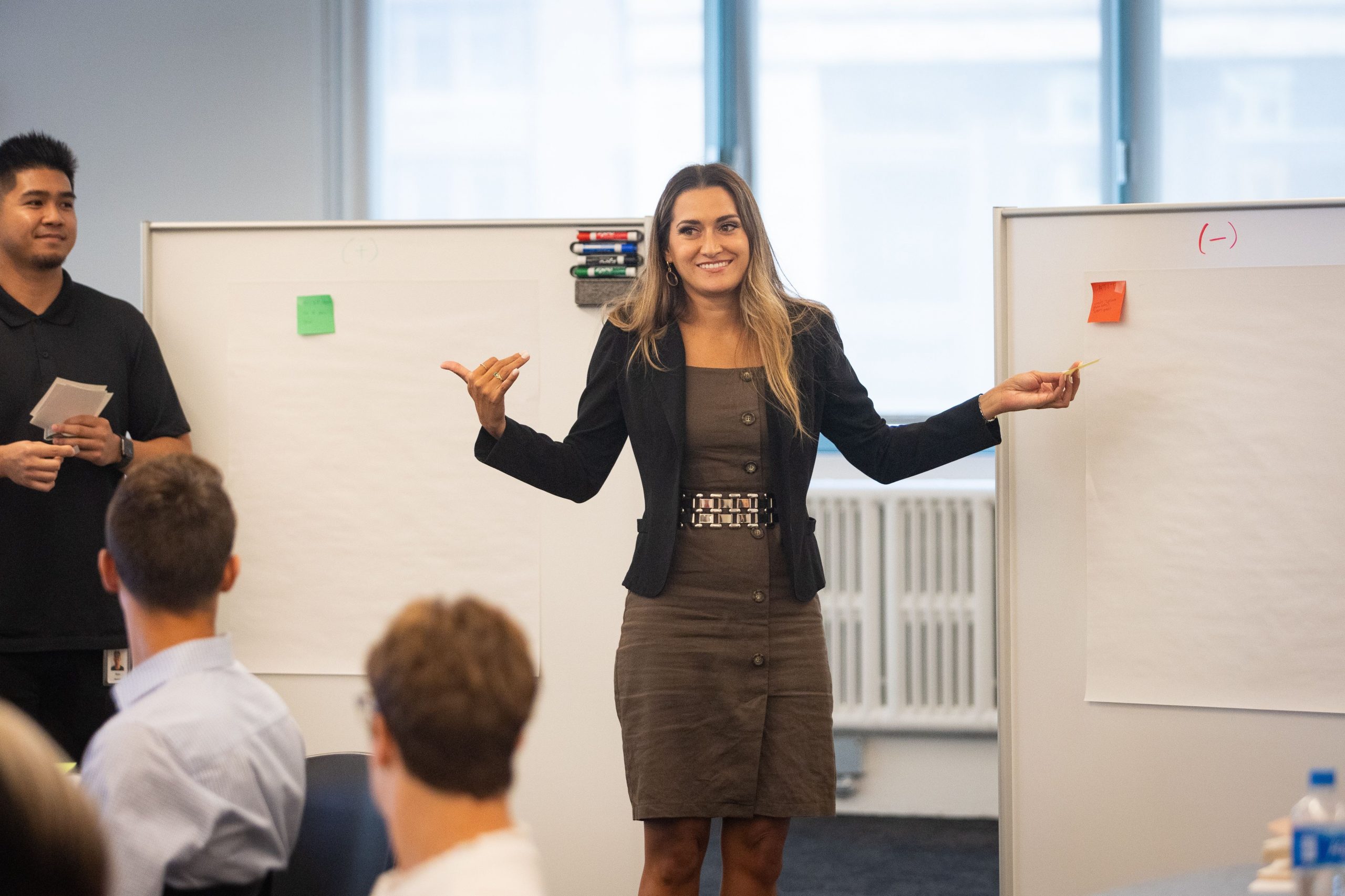
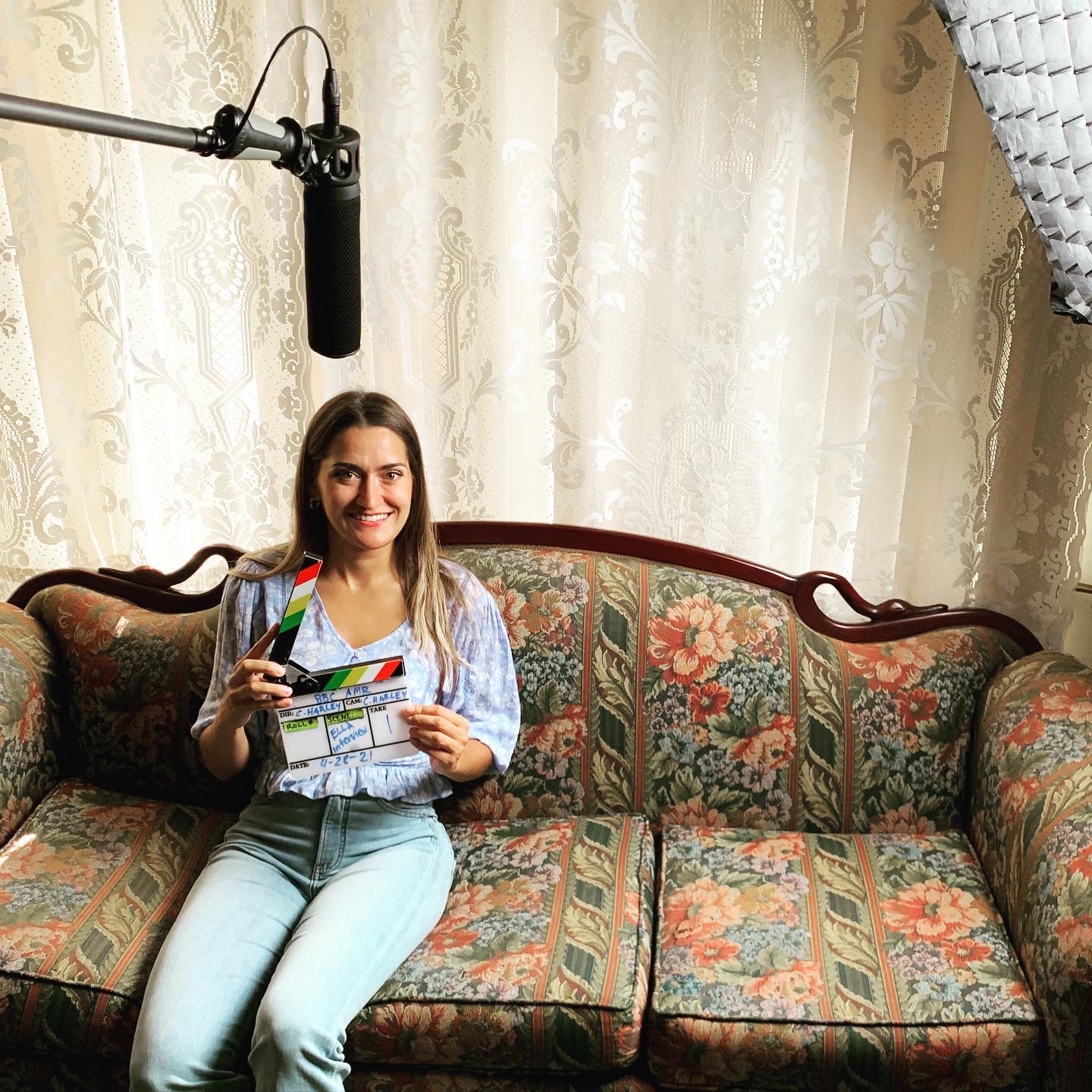
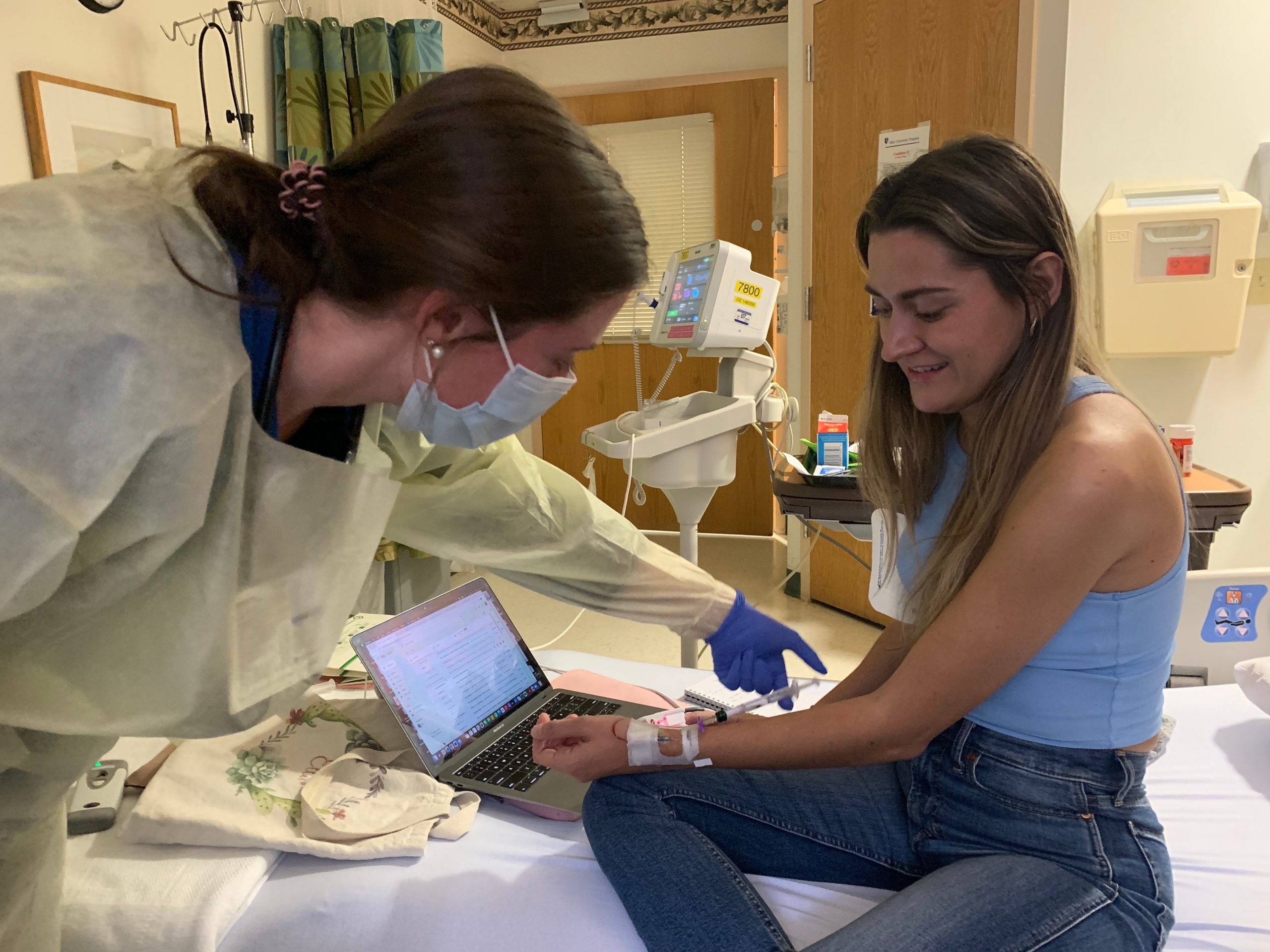
Image Credits
Ella Balasa