



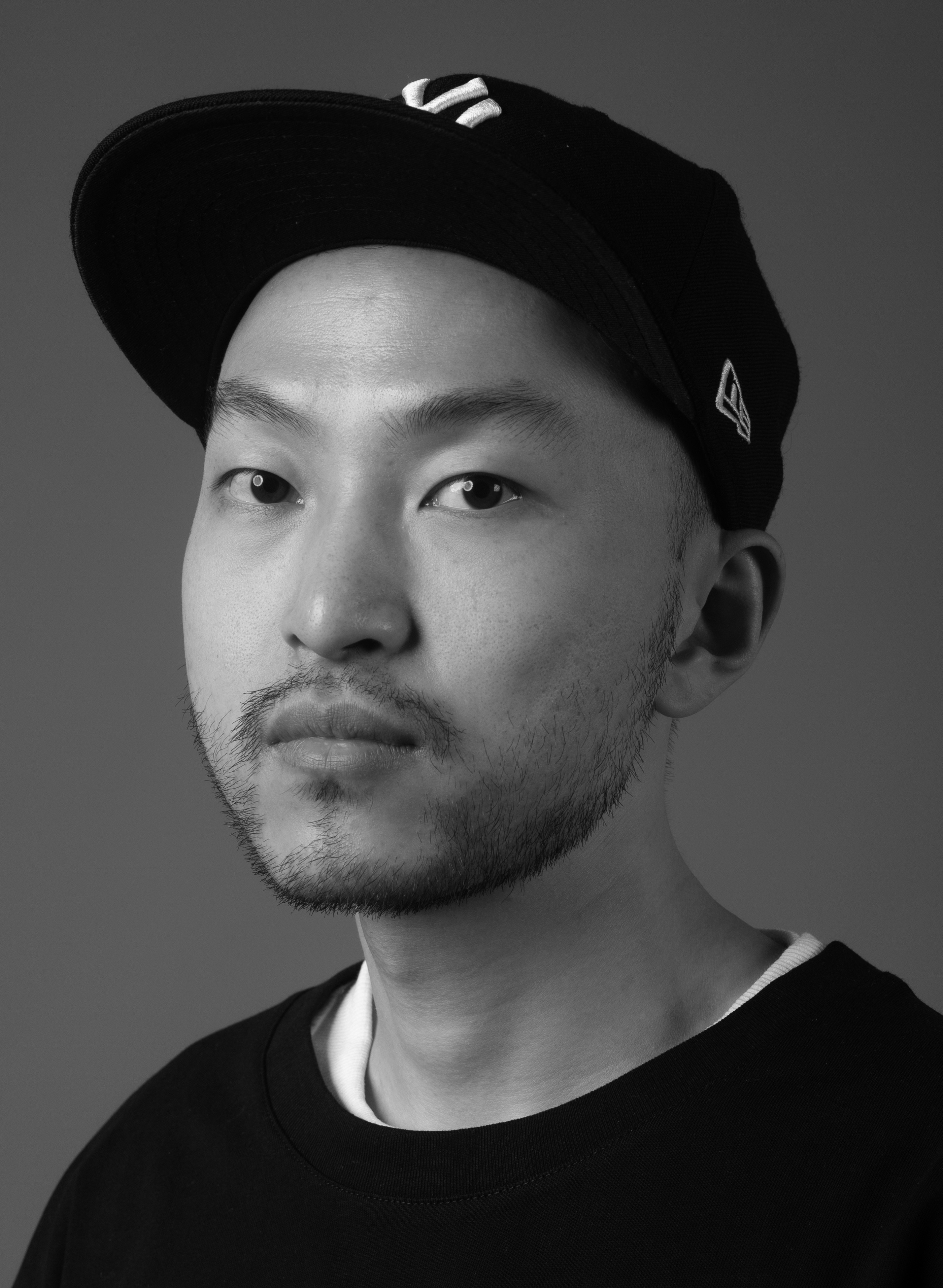
Shengwei Zhou shared their story and experiences with us recently and you can find our conversation below.
Shengwei, really appreciate you sharing your stories and insights with us. The world would have so much more understanding and empathy if we all were a bit more open about our stories and how they have helped shaped our journey and worldview. Let’s jump in with a fun one: Who are you learning from right now?
I am currently learning how to reclaim the curiosity I had as a child—one free from instrumental rationality and utilitarian purposes. My mother is someone who fears death deeply and insists on assigning meaning to life and living. In front of her, I can hardly ever talk about my own death, as it triggers extreme anxiety in her. Her fear of death and pursuit of a materialistic, secular life have also been passed on to me, causing my secular personality to grow increasingly rigid.
Yet, there has always been another voice within me, suppressed deep in my heart—an authentic self from my childhood, one that doesn’t care about efficiency, merit, profit, or outcomes, and remains curious about death. I remember how, as a child, I could spend an entire afternoon observing a chewed-up betel nut husk. That pure, unfiltered curiosity toward all things has long been buried under the weight of my secular self. Recently, I’ve been learning how to reawaken it.
Can you briefly introduce yourself and share what makes you or your brand unique?
My name is Shengwei Zhou and I am an independent animation and multi media artist and filmmaker. I am currently working as assistant professor in animation in school of art & art history in college of design, art and performance in University of South Florida. I created a feature animation SHe, a mockumentary Art Is Dead, short film Let’s Fall In Love. And I am currently working on a multi media animation series Perfect City, including 4 episodes and 1 VR piece. I am also creating ceramics and sculptures as installation combined with animation.
In my works, I explore my dreams, memories, trauma, and self defensive mechanism. I use materials in our daily life to convert emotions in my dreams into visual and sound forms. Animation combined with installations is a great way for me to not only express my feelings with tactile sensation to the audience, but also reflect both time and space in the piece.
Amazing, so let’s take a moment to go back in time. Who were you before the world told you who you had to be?
Before I received an education—that is, before the age of six—I felt a pure, unfiltered curiosity and desire to explore the world, one unbound by morality. For example, I wondered what would happen if I injected water into a caterpillar’s body. When I did it, some people scolded me, calling it cruel, while others later praised me because caterpillars are harmful to crops, making my act commendable. But my motivation was simply curiosity—I just wanted to see how the caterpillar would change, how it would behave under the influence of pain.
I also did many seemingly pointless things, like studying the shapes of trash, observing chewed betel nut remnants, and imagining how different people might chew them in their mouths. I would make things too, like filling eggshells with sand to create roly-poly toys.
But education is a process of relentless socialization. The shackles of morality, the norms of society, and the expectations of family wrapped around me like layers of film, molding me into what is called an “adult.”
What fear has held you back the most in your life?
My deepest fear, a product of years of socialization, is the dread of falling behind in the relentless pursuit of “advancement.” This kind of advancement—the utilitarian, achievement-obsessed, efficiency-driven rat race—terrifies me, because it inevitably corrodes the raw energy of artistic creation.
The anxiety of not measuring up, of losing ground in this manufactured competition, distorts my vision, making me blind to life’s delicate, unquantifiable beauty. This fear isn’t just my own; it was instilled in me—partly by my mother’s relentless expectations, partly by the system’s invisible machinery of rewards and punishments, conditioning us to chase hollow milestones at the cost of our inner truth.
So a lot of these questions go deep, but if you are open to it, we’ve got a few more questions that we’d love to get your take on. What would your closest friends say really matters to you?
For a long time, I suffered from obsessive cleanliness—cleaning as power, as a way to impose visible order on my life. It was, of course, a manifestation of anxiety and a fear of death.
Once, while I was cleaning, a friend saw me about to sweep away a spiderweb. She sighed and said, “Look at how beautiful this web is, floating in the breeze.” So I stopped and stared at it. And it was beautiful—that fragile, drifting motion, as if suspended between water and air, moving so slowly that my own sense of time seemed to warp. I fell into the spiderweb’s slow-motion world, where seconds stretched like silk.
Before we go, we’d love to hear your thoughts on some longer-run, legacy type questions. When do you feel most at peace?
Immerse myself creating art works. Especially doing ceramics. Creating ceramics layer by layer is a great way for me to forget time and stop thinking.
Contact Info:
- Website: https://zhoushengwei.squarespace.com
- Instagram: shengwei_zhou_director
- Linkedin: shengwei zhou
- Facebook: shengwei zhou
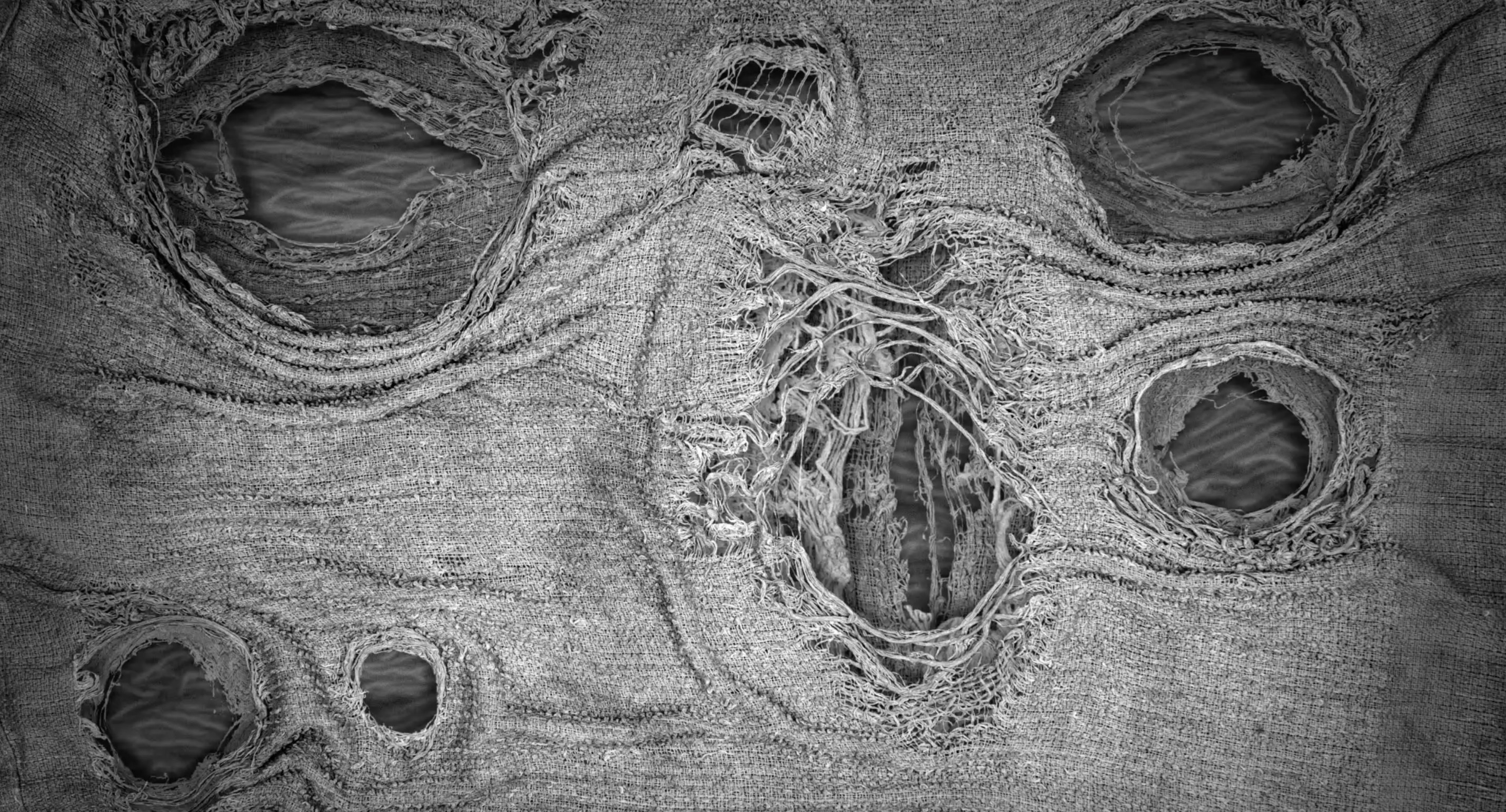
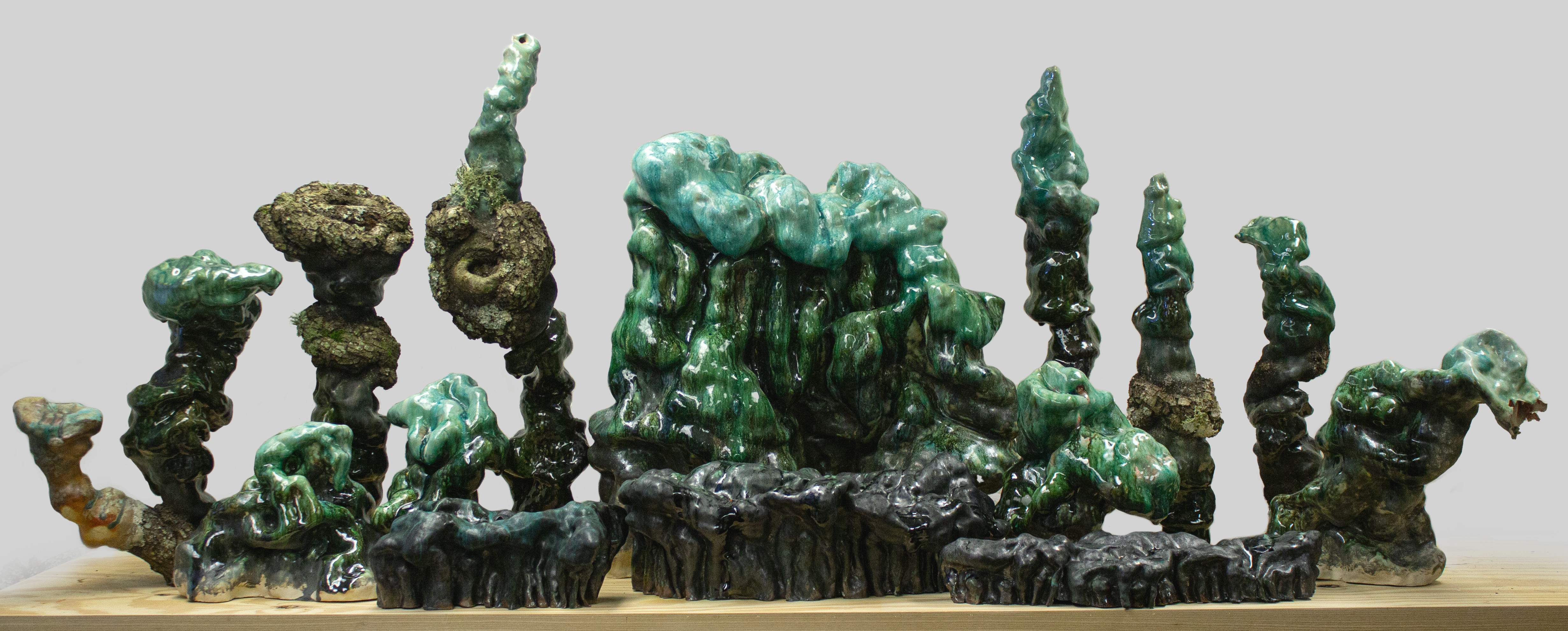
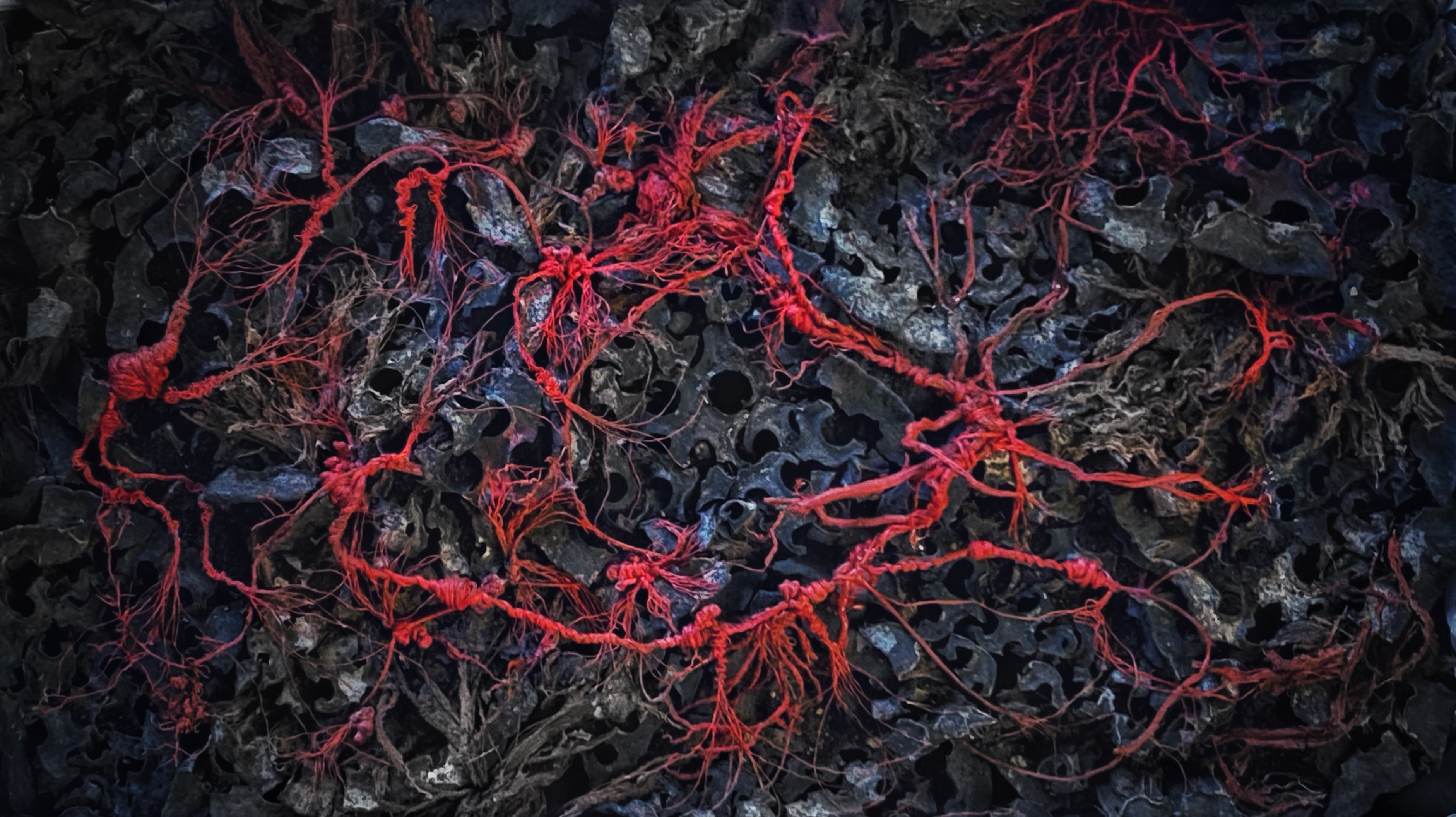
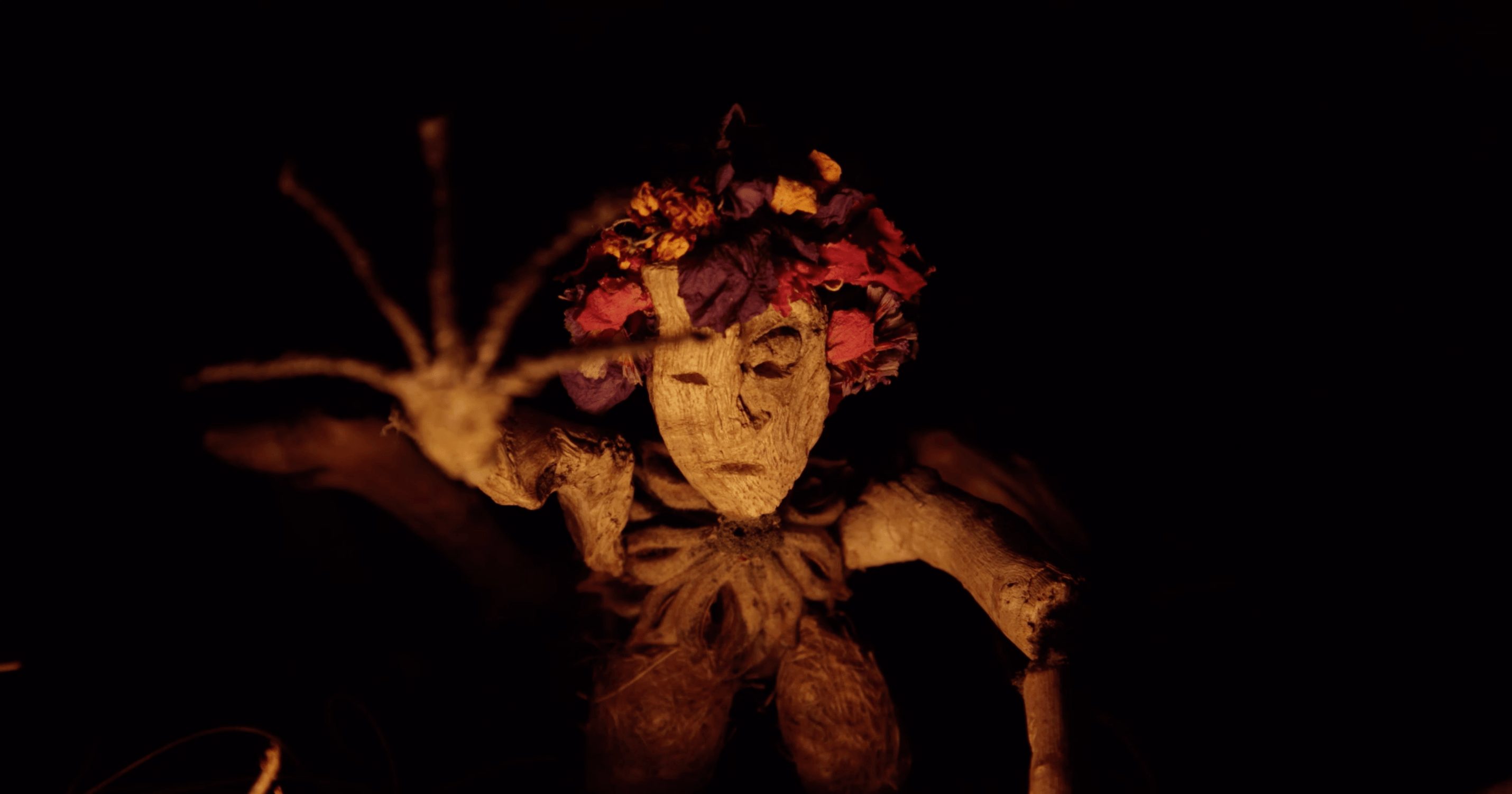
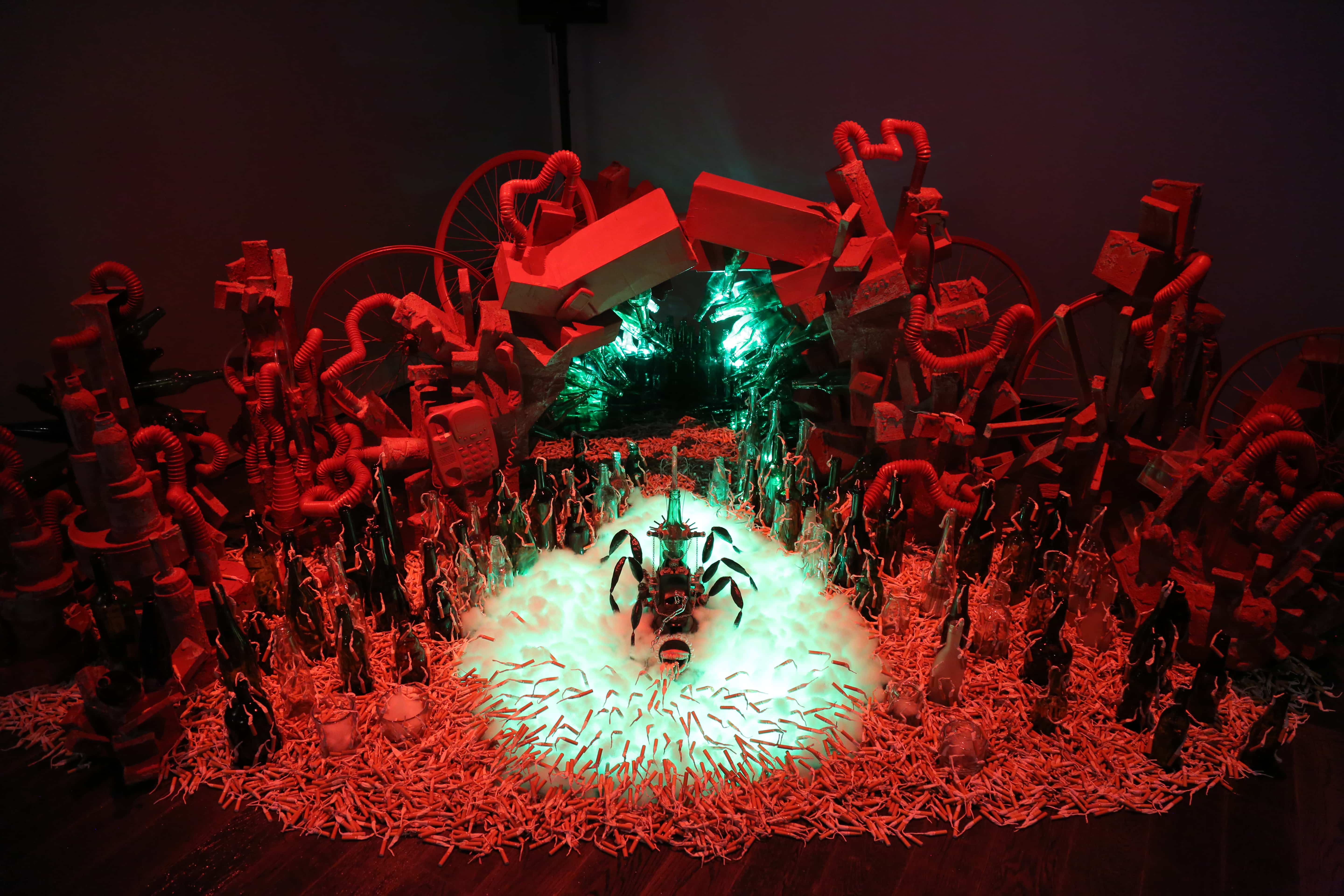
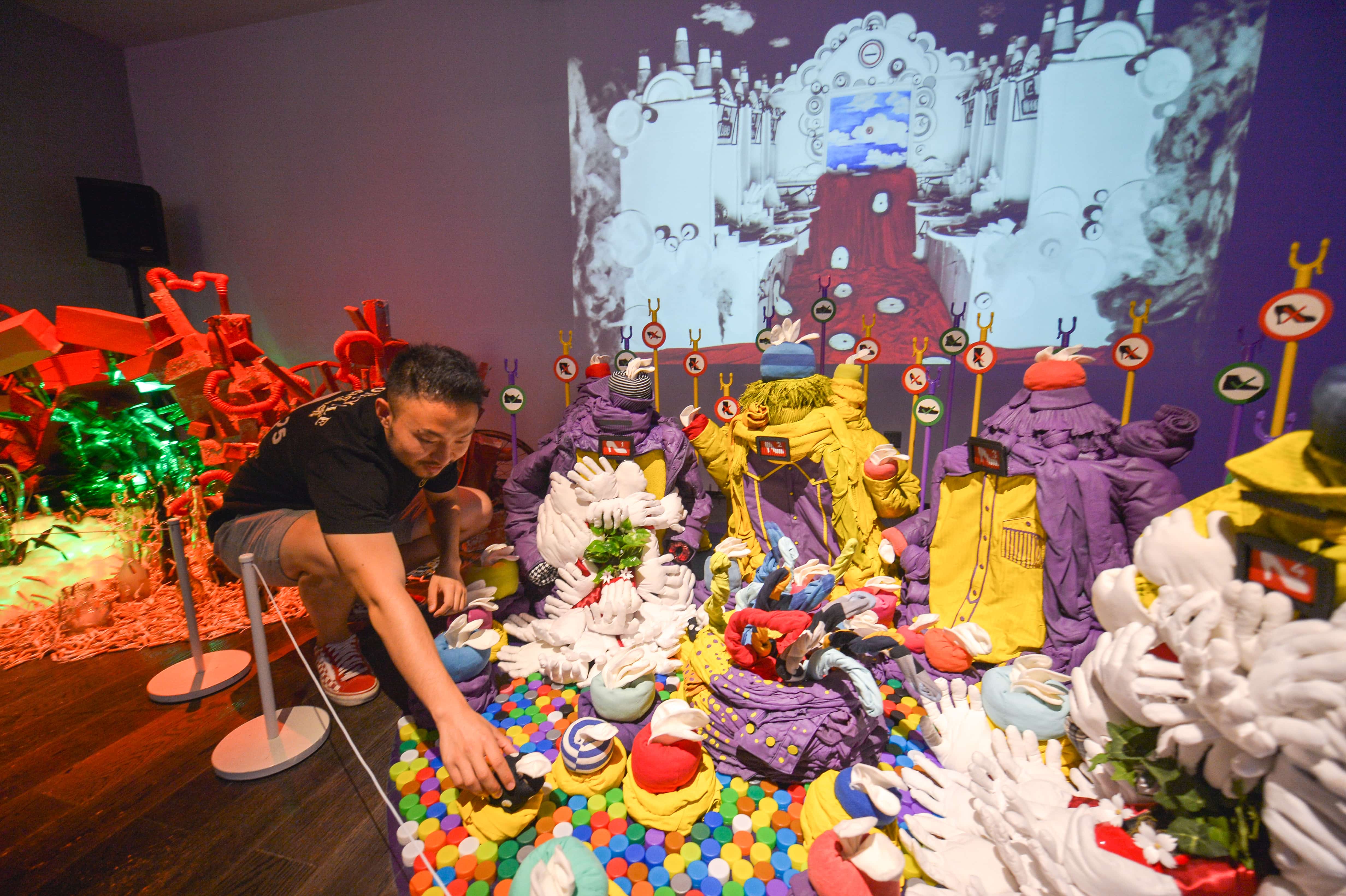
Image Credits
Shengwei Zhou