



We recently had the chance to connect with Dean Johanesen and have shared our conversation below.
Hi Dean, thank you for taking the time to reflect back on your journey with us. I think our readers are in for a real treat. There is so much we can all learn from each other and so thank you again for opening up with us. Let’s get into it: What do the first 90 minutes of your day look like?
I have been starting my days with an early morning bike ride. I try to get that done before the heat really kicks in here in FL. I return from the ride and do a writing session on my back porch. That typically includes a journal page, a “free write” or stream of consciousness page of writing and then work on a current song I am trying to finish.
I started a songwriting group at the beginning of January 2025 and we have to write a new song based off of a random prompt every 2 weeks. (a prompt would be a word or phrase that sparks an idea for a song.) Every writer in the group submitted 2 prompts for me to add to a hat. I draw a new prompt every other Wednesday after we turn on the new song from that last prompt.
Coffee follows the writing session once I have cooled down from that bike ride and then I am either working on more of the new song or scheduling promotions for my gigs coming up or for the music class I teach for preschool kids.
Can you briefly introduce yourself and share what makes you or your brand unique?
My name is Dean Johanesen, I am a full time songwriter, singer, guitarist, performer and music educator.
My original music is a mix of influences that mainly include Western Swing (Bob Wills) , Hot Club Jazz (Django Reinhardt) and American Roots Music (Lyle Lovett). I also perform songs by some of those artists and I do a fair share of Hot Club Jazz and Spanish inspired guitar music depending on the gig.
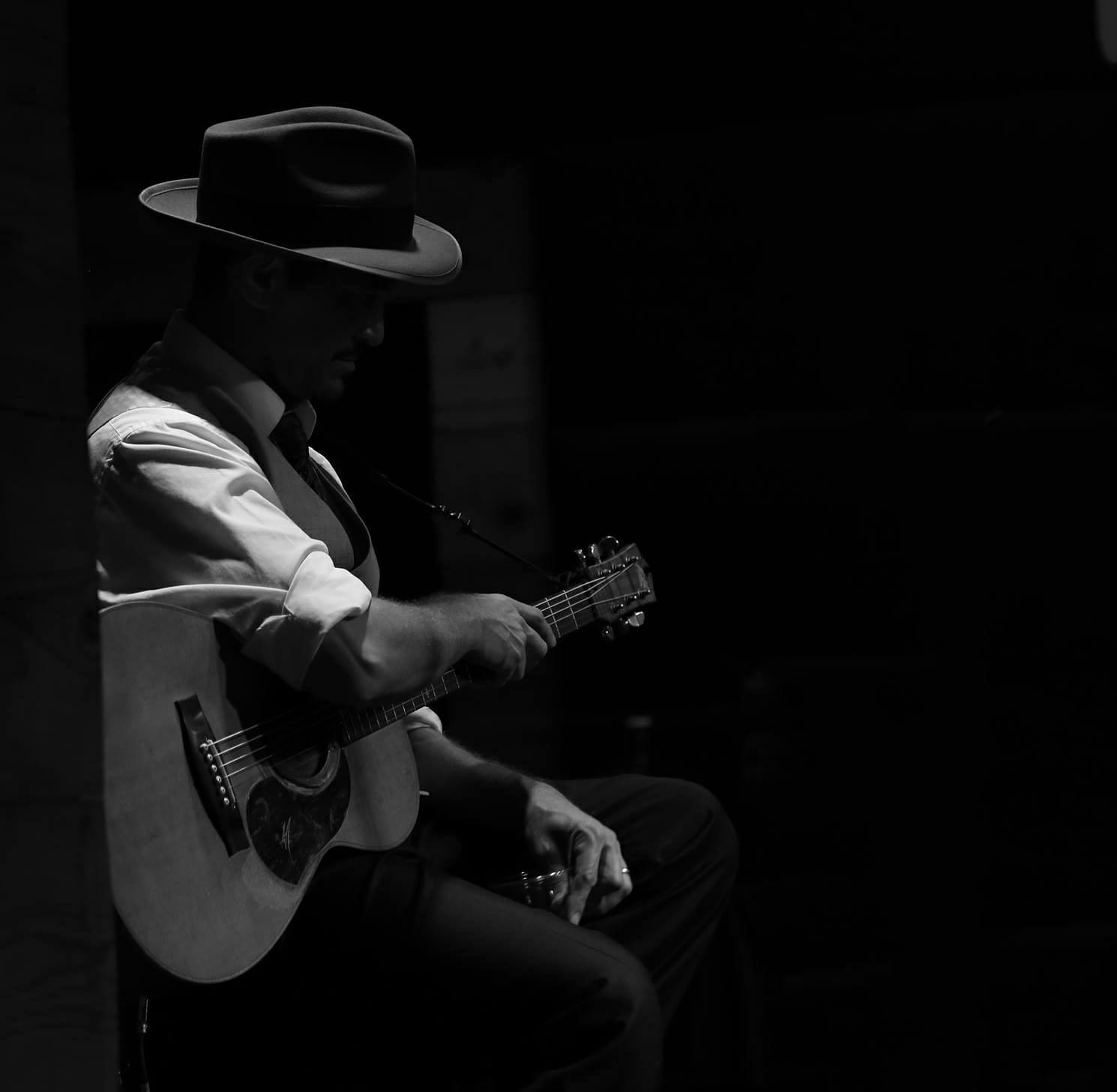
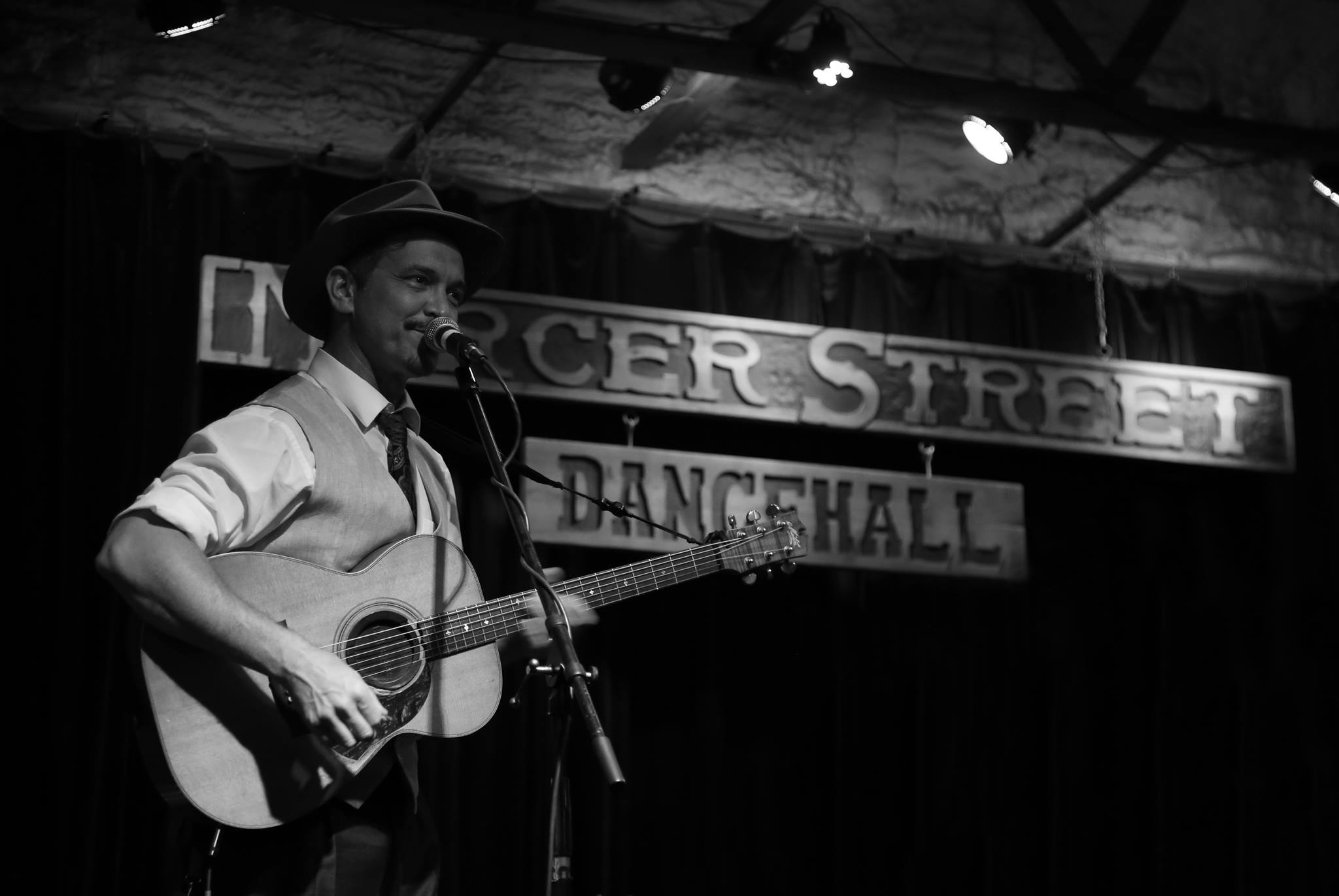
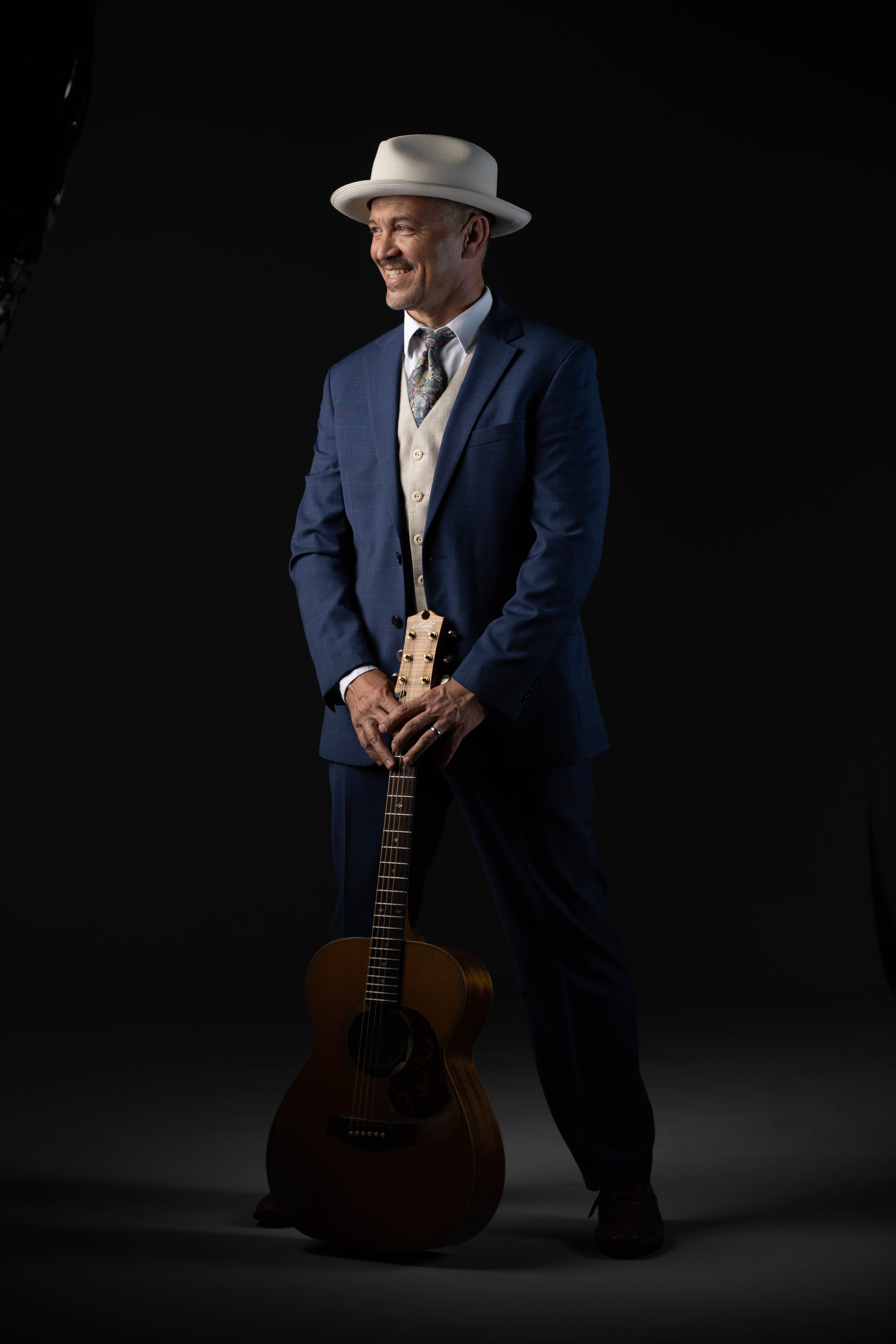
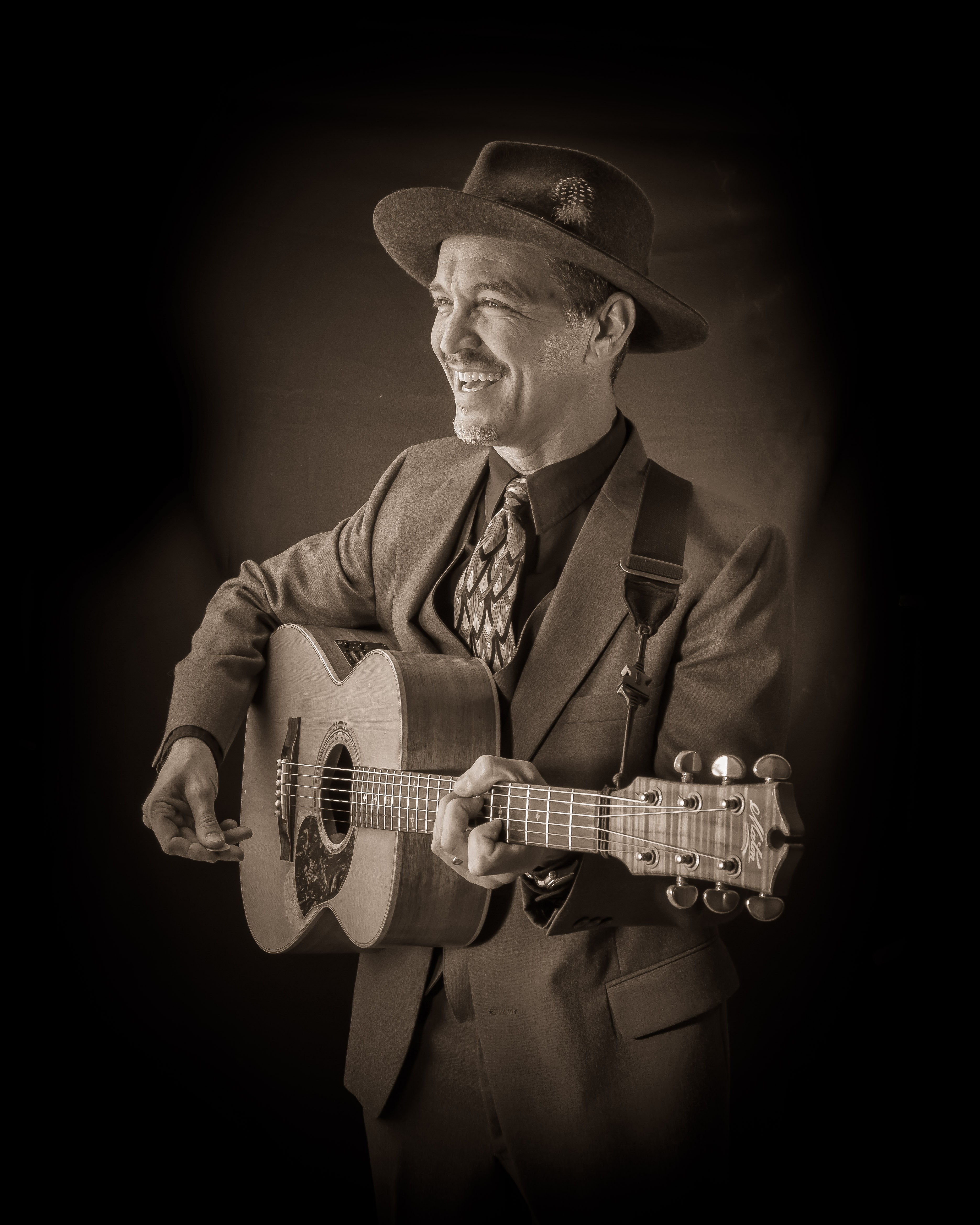
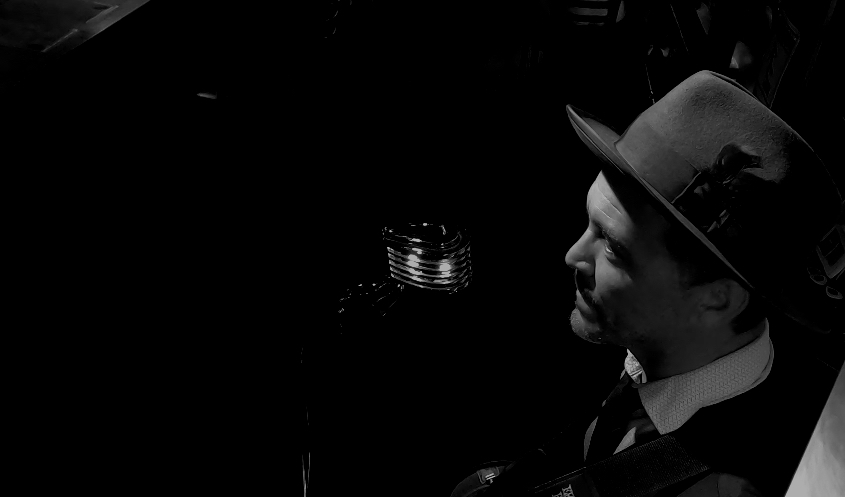
For my live shows, the presentation is pretty important to me. Obviously the music is the most important thing but I like to take some extra steps for the audiences at my gigs that include a bit more staging.

Old suitcases, a clown tip jar that is interactive in tossing tips in the nose. I have a retro looking microphone that could have been a mic from the 30’s and I typically wear a vest, tie and fedora taking my cues from the BeBop and swing era jazz musicians of their time. My grandfather always dressed in suits and had a fedora so that is a personal thing for me as well.
I think these things definitely help give me a little bit more of someone’s attention or time, and as a performer, they might just be the thing that gets them interested enough to listen to my music.
Thanks for sharing that. Would love to go back in time and hear about how your past might have impacted who you are today. Who taught you the most about work?
I think My Mom has to be the person who taught me the most about work. I think she took a lot of that from my grandfather as well.
That said, she has been a real life example of hard work and making things happen. Miracles really. She was a single Mom raising a bunch of kids and had to provide for us on her own.
I had a job at 10 years of age working for a restaurant. An older cousin got me the job making salads and desserts to earn a bit of cash for my brother and I to get toys or candy etc. I think I felt the need to become somewhat self-sufficient in a way that might help my Mom. I was the oldest of the 4 of us and felt responsible in some way to pitch in.
I also used to collect towels and ashtrays for cleaning at a pool near where we lived with my grandmother for money to hit the arcade nearby.
I think I have always just had a job and felt it was important to do good work and “earn my keep” so to speak. It has served me well as a musician to have my Mothers influence of hard work and dedication to something.
What did suffering teach you that success never could?
I think any suffering we go through can teach us a bit about our ability to overcome and persevere.
It is not always easy to see when we are going through something, but I think every time we suffer, we have an opportunity to find the lesson in that suffering and grow from it. We can change our habits, note something we can do differently the next time we experience a similar situation etc.
At the lowest points in my life I seem to need about 3 days of processing and embracing all emotions to find enough clarity to see what I can do to work through a tough time. Being a songwriter helps in writing out the emotions. They don’t always lead to songs, but I have a place to put my thoughts down and get them out of my head.
I think we sometimes learn a lot more from suffering than we do from our successes and those things can also give us strength to overcome and turn suffering into a successful outcome.
Don’t get me wrong, I will take whatever success I earn, but certain hardships have taught me a lot about myself and my ability to work through things in life.
Next, maybe we can discuss some of your foundational philosophies and views? What are the biggest lies your industry tells itself?
As a full time musician there is often a belief that you have to do things a certain way (the way that a lot of other folks do) to get gigs or to stay booked etc.
This usually forms around the “songs you have to know” to get gigs. A lot of songwriters are discouraged about performing their own original songs or feel like they have to perform songs they don’t or may not like to get the gig.
I don’t subscribe to this theory at all. I perform around 200 + gigs a year and I have never really felt the need to compromise on what I do. I play original music and I only pick covers that inspire me as a songwriter or guitarist.
I think that has made a difference for me in audience reactions. Most people ask me “what type of music is this?” or what would you say your “music style” is? They also comment on the fact that it is refreshing to hear something different.
That’s not to say what I do will work everywhere but I find the places that I feel fit what I do and that are open and supportive of a different option.
This has worked well for me over the last 12 years of doing this solo and full time.
I mainly mention this aspect of performing full time to encourage other artists to embrace who they are. If you like doing popular covers and you do not write originals, by all means do that.
My take is if that is not who you are or what you want to do, you can figure out your own way to make this work for you and you will find your audience.
Okay, so let’s keep going with one more question that means a lot to us: When do you feel most at peace?
I think I feel most at peace in a number of different places in my life.
Being with my family or friends has always brought me joy and I guess peace in return. Spending time with my wife or adult son are certainly top of the list.
Writing in my home studio or out on our back porch is a common one.
If I have a really great gig, I drive home in complete silence. I don’t feel the need for anything else that night. That can go along with being at a really great show.
I also find peace on the road touring from one state or city to the next. The late night drives on tour with no one on the road, except an occasional trucker, have always offered a certain peace for me. I guess I am really lucky to have so many answers here.
Contact Info:
- Website: https://www.deanjohanesen.com
- Instagram: http://instagram.com/deanjohanesen
- Facebook: https://www.facebook.com/deanjohanesen/
- Youtube: https://www.youtube.com/channel/UC87XVkUryfjXTHz5sH4SjjA/
- Other: https://linktr.ee/deanjohanesen