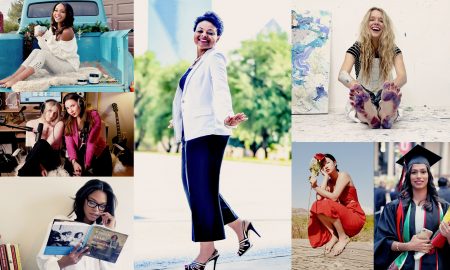




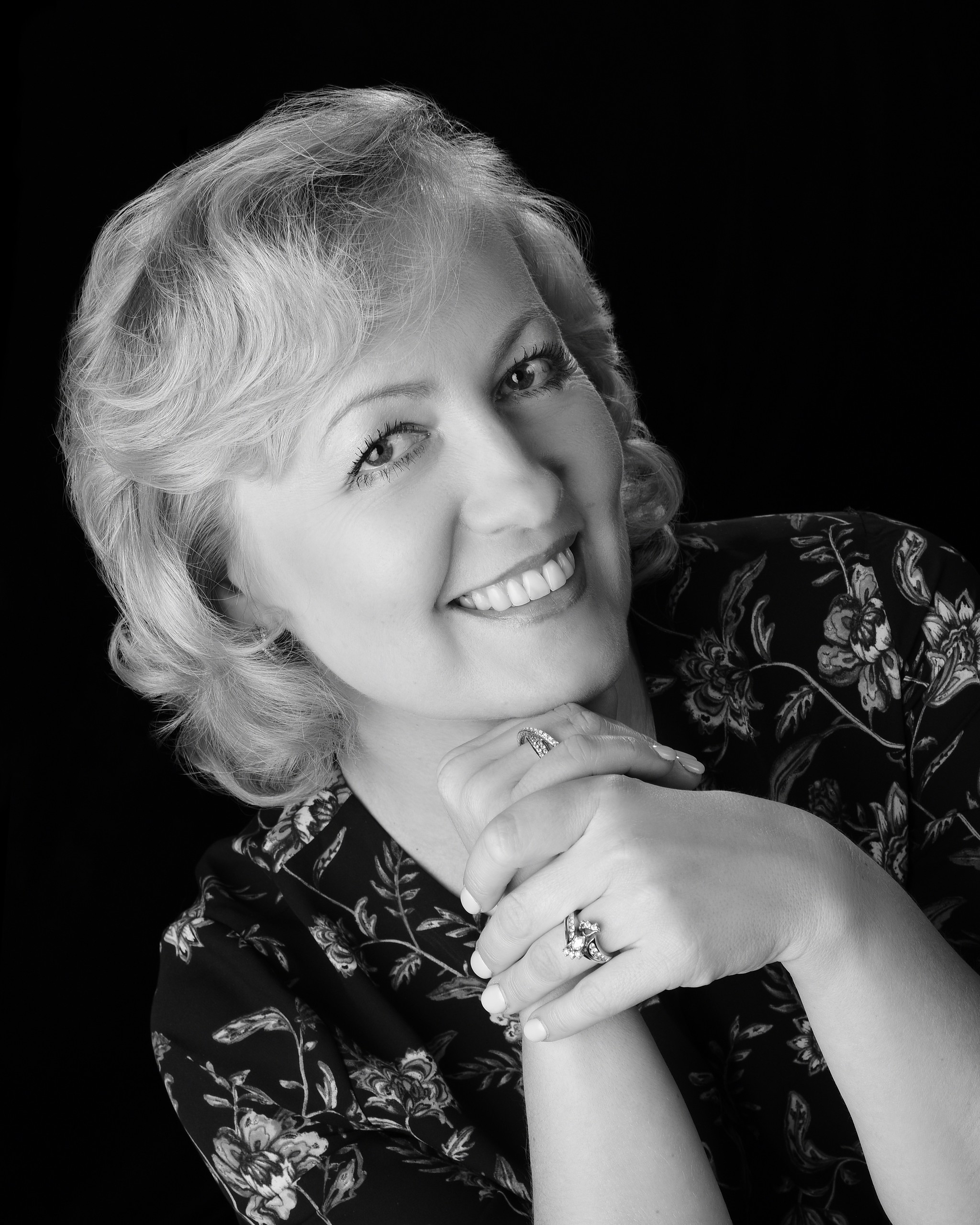
LARISA CROCKETT shared their story and experiences with us recently and you can find our conversation below.
LARISA, we’re thrilled to have you with us today. Before we jump into your intro and the heart of the interview, let’s start with a bit of an ice breaker: What makes you lose track of time—and find yourself again?
Whenever I create, time stretches and softens.
When you are with camera, observing and noticing details becomes second nature, and once you slip into that state, you stop feeling the clock altogether—time simply slips past while your attention stays fully alive in the moment.
Later, when you work on the images, you slip into that same river again—reliving the laughter, the landscapes, the stories behind each frame. Editing becomes a kind of time travel, and hours disappear without me realizing it.
I fall into that same flow when I’m creating something new for my photography school for kids. Planning lessons, designing activities, shaping ideas into something that sparks curiosity—those moments feel like creative play, and I never look at the clock.
And when I talk with people about their homes and the art that will live in their spaces, that’s another version of “losing” time. Helping someone discover the photograph that resonates with their memories or their hopes brings me into a deep, focused conversation that feels as natural as breathing.
In short, I lose track of time whenever I’m doing what I love—whether it’s creating, teaching, or guiding people to surround themselves with meaningful images. And in those same moments, I also find myself again. Creative work doesn’t pull me away from life; it returns me to the center of it because it always makes me happy.
Can you briefly introduce yourself and share what makes you or your brand unique?
I am a photographer whose life has unfolded through images, travel, and a desire to help others see the world—and themselves—with more clarity. Long before I ever stepped foot in 50+ countries, before the travel books and gallery walls, I was a child who found refuge and purpose behind a camera. Photography gave me a sense of direction when I faced challenges that many kids quietly struggle with today. That early experience stayed with me, almost like a compass, pointing me toward the idea that creativity isn’t just decorative—it’s transformative.
Later I became a teacher, which means I don’t simply love photography, I understand how to translate it into an engaging, confidence-building experience for children. I never stop learning from some of the best photography instructors around the world, constantly refining both the artistic and the teaching sides of my craft. My studies in the Sheffield School of Interior Design added another layer, giving me a deeper sense of how images live in a space and how art can shape the energy of a home.
Living in different countries shaped my eye and my worldview. Culture shifts your vision; it teaches you to observe differently, to listen more closely, and to understand the emotional undertones of a place. All of that finds its way into my work—whether I’m creating a travel photography book, guiding a client through selecting art for their home, or helping a child discover the joy of making their first “real” photograph.
The heart of my brand is the photography school I created for kids. It was born from a very personal place: I know what it feels like to be a young person who needs a creative outlet, a sense of accomplishment, and a way to channel emotions into something meaningful. My own childhood makes me especially aware of the struggles many kids carry—pressure, distraction, wavering confidence—and I built this program to show them the same doorway that opened for me.
Every lesson is designed to be playful, structured, and empowering. It’s not about technical mastery; it’s about giving kids the chance to slow down, notice details, express themselves, and develop resilience through the act of creating. Parents tell me their children become calmer, more observant, more confident. I believe that’s because photography invites them to see themselves differently.
All the threads of my life—teaching, traveling, designing, learning, healing—come together in this work. I continue to create books, photograph people and places, and collaborate with clients on art for their homes, but my biggest passion right now is expanding my children’s photography program. It feels like a way to give the next generation the tool that changed my own life. The more I teach, the more I see that photography doesn’t just create pictures; it creates happier, more grounded kids who begin to see their world with new eyes.
Thanks for sharing that. Would love to go back in time and hear about how your past might have impacted who you are today. Who taught you the most about work?
The person who shaped my work the most wasn’t a photographer at all—it was my dad. He gave me my first professional camera for my 12th birthday, a camera that looked huge and complicated in my small hands. I remember staring at it like it was some mythical creature with too many buttons. But he had this engineer’s mind and an artist’s heart, a combination that made him wonderfully good at translating the complex into something simple.
He wasn’t teaching me photography in the traditional sense; he was teaching me how to feel capable. He totally participated in my process of perceiving photography. He’d look at the camera, break it down in the most child-friendly way, and suddenly the “monster” made sense. What felt overwhelming became fun. What seemed too technical became a puzzle I wanted to solve. That gentle, clear style of explaining things gave me confidence long before I had skill. It made me eager to try, to experiment, to keep going. That’s the spark every child needs when they’re learning something new.
And there’s a bigger truth inside that memory: parents play an enormous role in shaping the creative paths their kids take. They’re the ones who choose the activities, the tools, the clubs. They’re the ones who notice what lights their child up. That one decision my father made—to hand me a real camera and explain it in language I could understand—changed the whole direction of my life. It shows how powerful it can be when a parent opens the right door at the right moment.
That’s why, in my own teaching, I always think about children first. No heavy technical jargon. No intimidating words. Just clear, warm explanations that give kids the sense that they can do something meaningful with their own two hands. I want to give my students the same feeling my dad gave me: the excitement of understanding, the joy of discovery, and the confidence that grows when something complicated suddenly feels possible.
His approach taught me that good teaching is not about showing how smart you are. It’s about opening the world in a way a child can actually enter—and feel brave enough to stay.
When you were sad or scared as a child, what helped?
As a child, sadness and fear didn’t arrive as big dramatic moments—they crept in through boredom, shyness, and that restless feeling of not knowing where to put my energy. I remember finishing books too quickly, drawing until the paper ran out, doing whatever my parents gave me just to stay occupied… and then feeling that same emptiness return. There were no phones to scroll, no endless distractions, just this quiet ache of wanting something meaningful to do.
I was also a shy girl. I had a couple of close friends, but speaking up or stepping forward felt terrifying. I kept so much inside because I didn’t know how to express it. And then, one day, I met the friend who would change everything for me: a camera.
It didn’t feel like a tool at first—it felt like a companion. A shield, even. Holding it made the world less intimidating. It gave me a way to observe without being overwhelmed, and to participate without feeling exposed. And slowly, the strangest thing happened. The shy girl who whispered became the girl everyone in school lined up to see. My classmates wanted me to take their photos, and suddenly I wasn’t hiding behind the camera anymore—I was connecting through it.
The camera pulled me out of my shell in the gentlest, most natural way. It gave me a voice long before I learned how to use my own words confidently. I started talking about my photographs, explaining what I saw, what I felt, why a moment mattered to me. Each conversation made me braver. Each image made me more anchored in the world.
That’s the quiet magic photography holds for a developing personality. It doesn’t just teach you how to see—it teaches you how to express, how to step forward, how to understand yourself. For me, it turned fear into curiosity and sadness into purpose. It gave me a way to grow.
That’s why I believe so deeply in teaching kids today. I know what a camera can do for a child who feels restless, shy, uncertain, or overwhelmed. I lived that transformation myself. And now I help them find the same companion that once helped me.
I think our readers would appreciate hearing more about your values and what you think matters in life and career, etc. So our next question is along those lines. What’s a belief or project you’re committed to, no matter how long it takes?
There’s a belief I carry that feels almost like a lifelong mission: children cannot grow up fully alive if they grow up fully immersed in virtual reality. Humans aren’t designed to exist only in glowing rectangles and digital environments. We’re wired for movement, curiosity, fresh air, textures, sunlight, and real eye contact—our natural habitat is the world itself, not the simulation of it.
Modern society often disguises excessive screen use as “preparing kids for the future,” as if constant tech immersion is some necessary evolutionary step. And I don’t reject technology; it’s part of our world, and it brings incredible possibilities. But I’m committed to restoring what has quietly slipped away: balance. The kind that keeps a child human, not robotic. The kind that strengthens their senses, emotions, and imagination, not dulling them.
For me, this isn’t abstract. I see what happens when children spend too many hours scrolling—they become overstimulated and under-inspired. And I see the opposite, too: what happens when a child holds a camera, steps outside, and starts noticing light, texture, movement, faces. They reconnect with the world. They reconnect with themselves.
My project—my ongoing, no-matter-how-long-it-takes commitment—is to offer kids real alternatives to passive digital consumption. To give them tools that build character instead of draining it. To help them develop creativity, focus, resilience, empathy, and a sense of meaning—traits no gadget can download for them.
This is why my photography program for kids is more than a course. It’s a counterbalance. A doorway back into nature, observation, and human expression. A reminder that children are not meant to be spectators in their own lives. They’re meant to be creators, explorers, thinkers—living fully in the world that shaped them long before screens did.
Okay, so let’s keep going with one more question that means a lot to us: What is the story you hope people tell about you when you’re gone?
The story I hope people tell about me someday isn’t really about achievements—it’s about how my work made them feel. A photograph is never just a picture of a person or a place. It always carries something of the artist: a mood, an intention, a whisper of personality. When someone buys my prints or my travel books and brings them into their home, I hope they sense that—like a gentle trace of the moment I created them.
I’ve always believed that photography has the power to transform a space into something calmer, warmer, more balanced. There’s real science behind that feeling. Green environments, natural textures, and images that evoke the outdoors can lower stress levels, reduce heartbeat rates, ease tension, and restore mental clarity. This comes from two well-known frameworks: Stress Reduction Theory, which focuses on how nature calms the nervous system, and Attention Restoration Theory, which explains how natural imagery helps our minds recover from overload. I like the idea that my photographs might offer that kind of quiet medicine—small windows into peace that people can carry with them every day.
I also hope my students will tell a story of someone who helped them see more clearly. Not just through a lens, but in life. Someone who taught them to slow down, to pay attention, to notice the magic in everyday light. Someone who encouraged them to appreciate beauty in the world—and in themselves. If what they learned from me helps them stay curious, more grounded, more observant, then my work continues long after I’m gone.
And the families I’ve photographed over the years—I hope they remember me through the images passed down through generations. The portraits that become family treasures, the books that mark milestones, the little moments frozen before time rushed past. I love imagining someone flipping through an album decades from now, smiling at a memory I helped preserve, grateful that they paused life long enough to capture it.
If there’s a story people tell about me, I hope it sounds something like this: she used her camera to bring comfort, clarity, joy, and connection into people’s lives. She helped children grow, helped families remember, and helped homes feel more like sanctuaries. And she left behind images that still breathe a little peace into the rooms where they hang.
Contact Info:
- Website: https://www.photoschool.pro
- Instagram: https://www.instagram.com/larisacrockett/
- Linkedin: https://www.linkedin.com/in/larisa-crockett-a82a05245/
- Twitter: https://x.com/LarisaCrockett
- Facebook: https://www.facebook.com/LarisaCrockettPhotography
- Other: www.larisacrockettphoto.com
www.LarisaCrockettPhotogrpahy.com
www.larisa-crockett.pixels.com
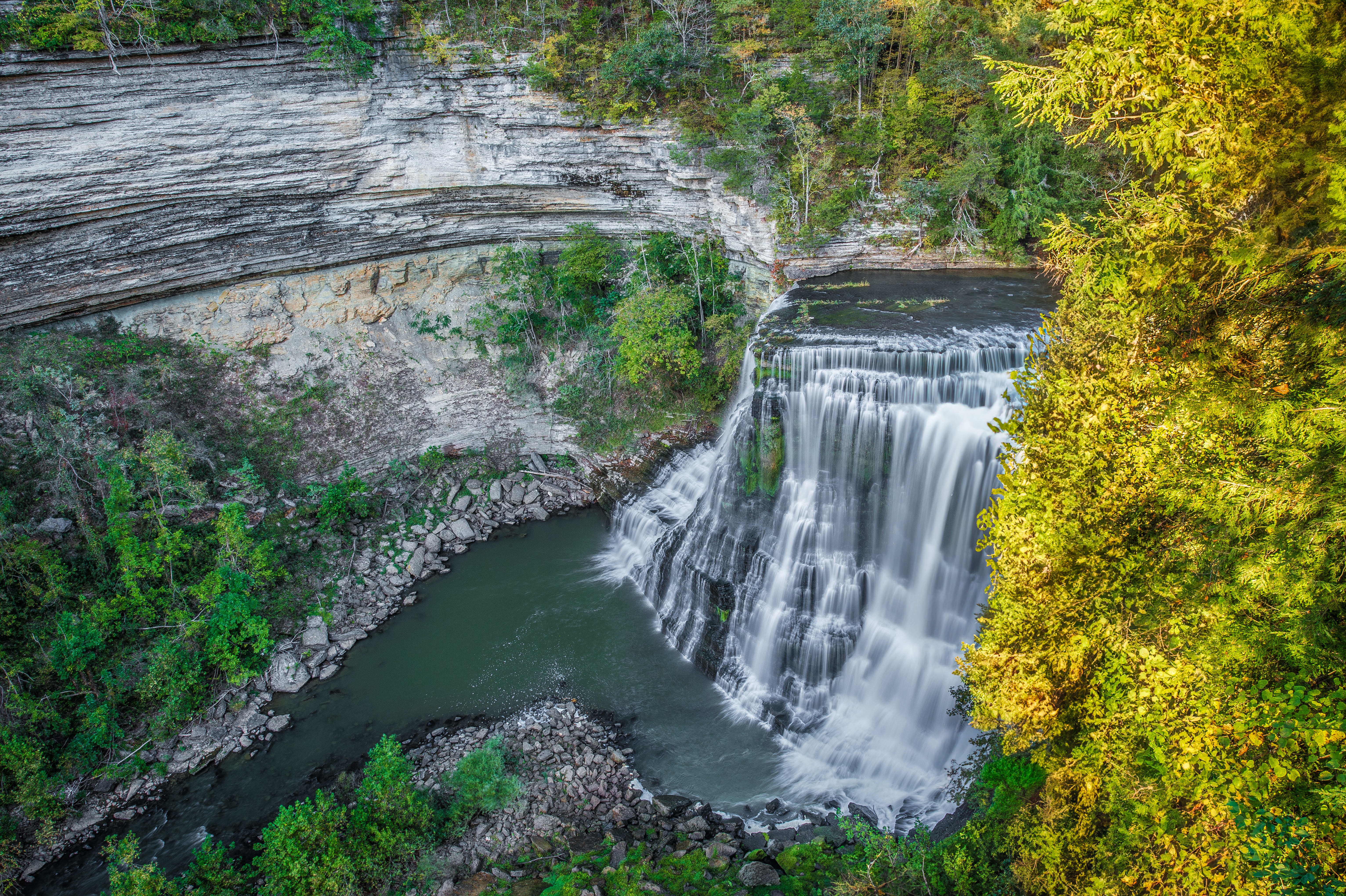
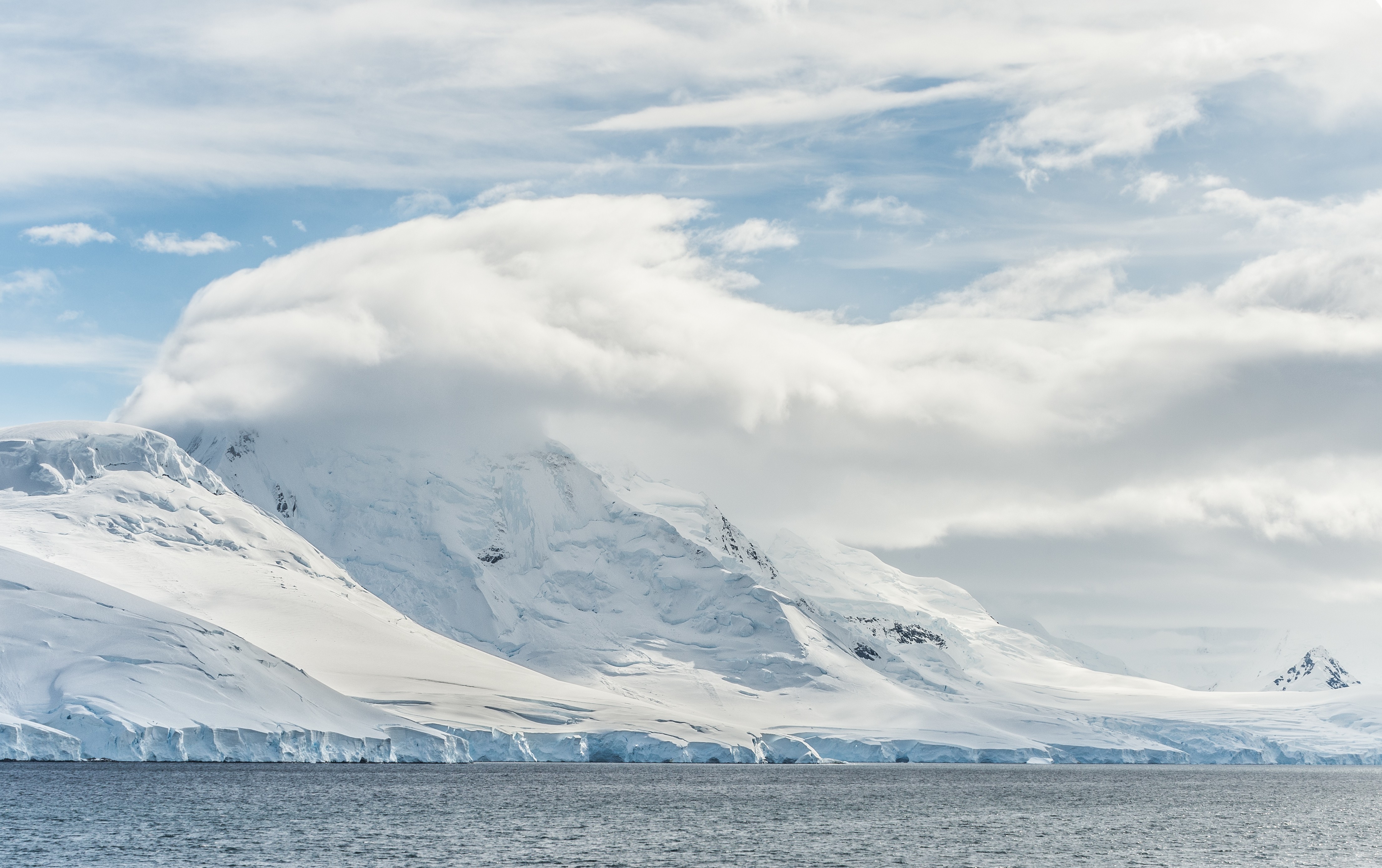

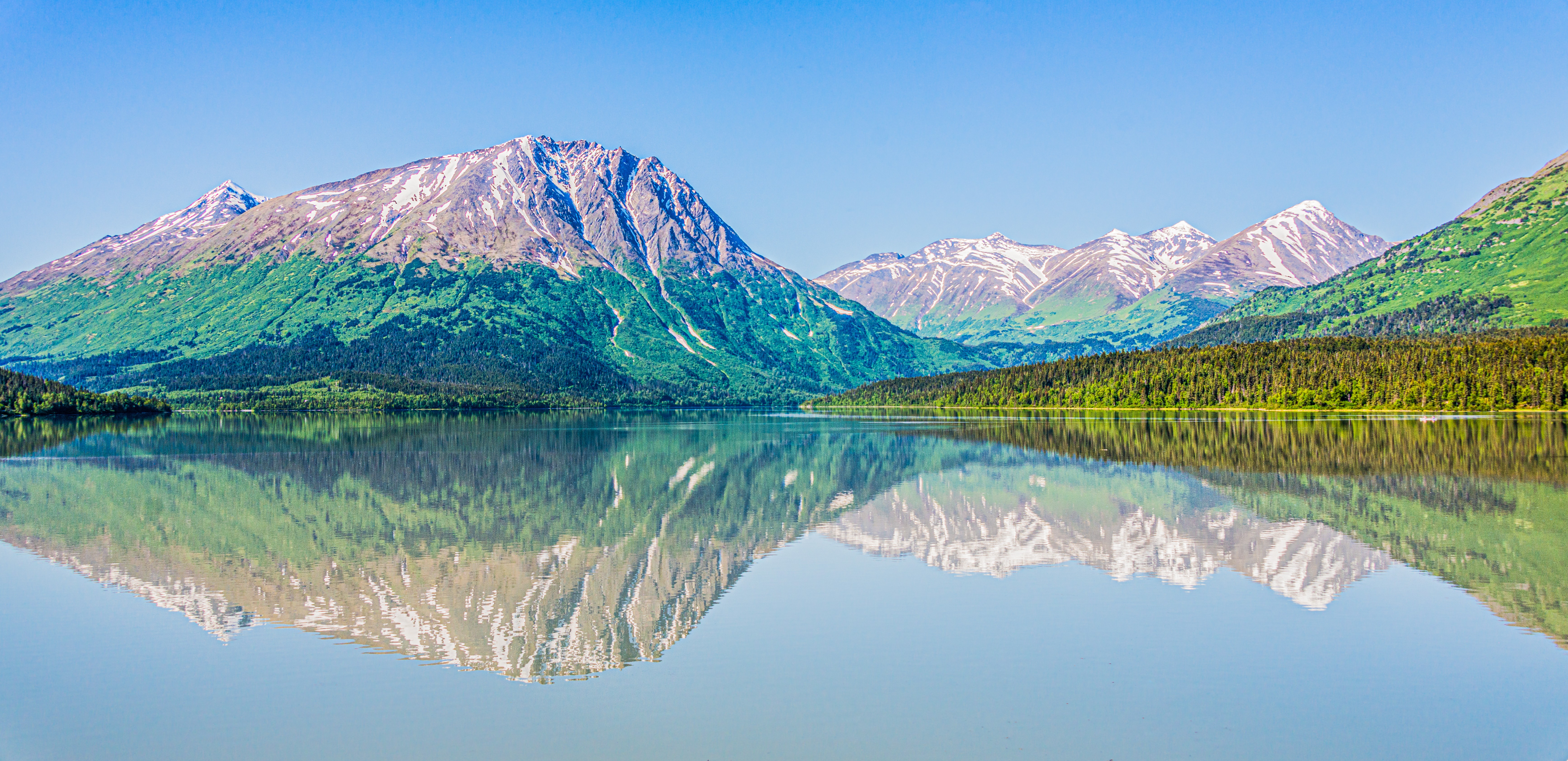
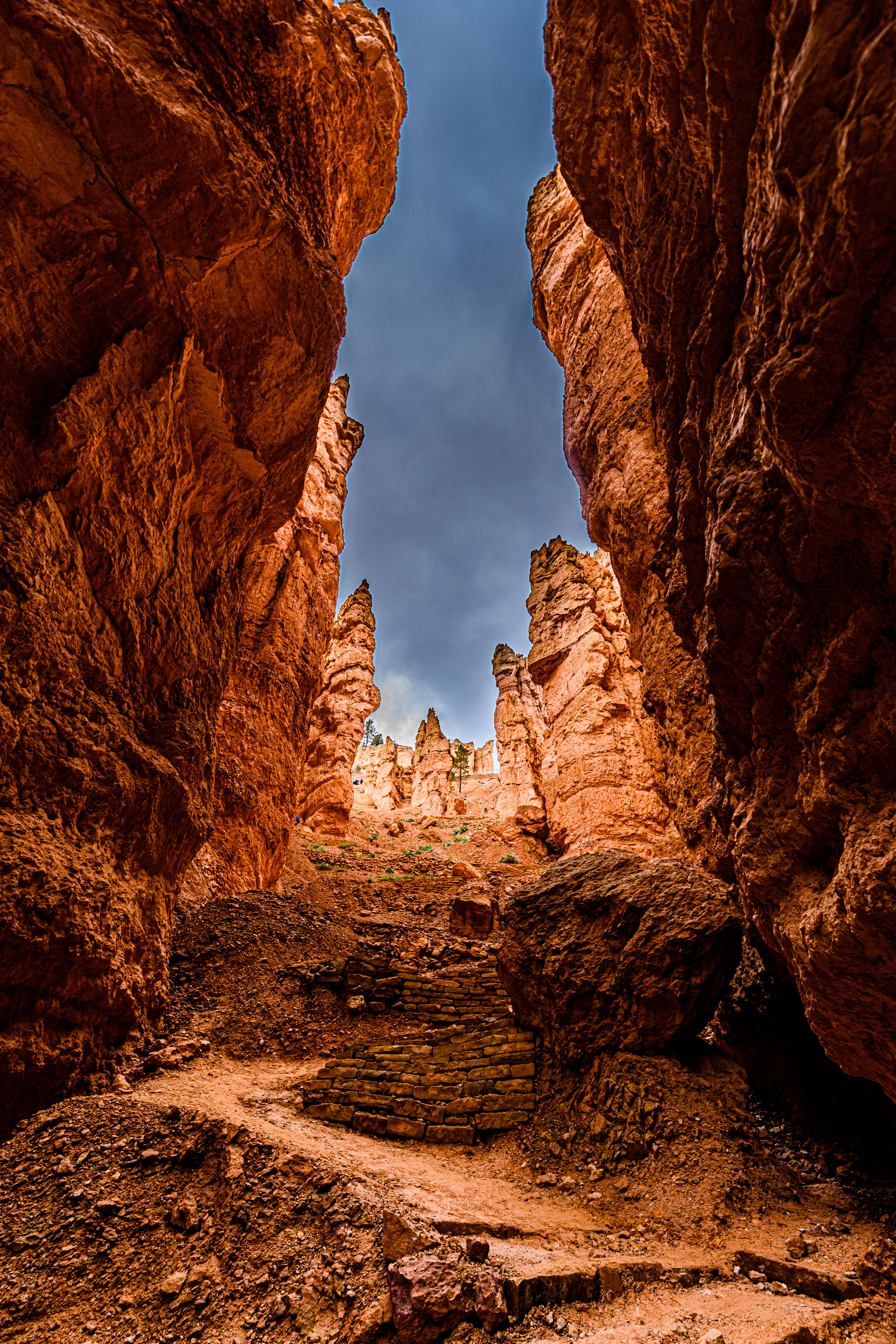
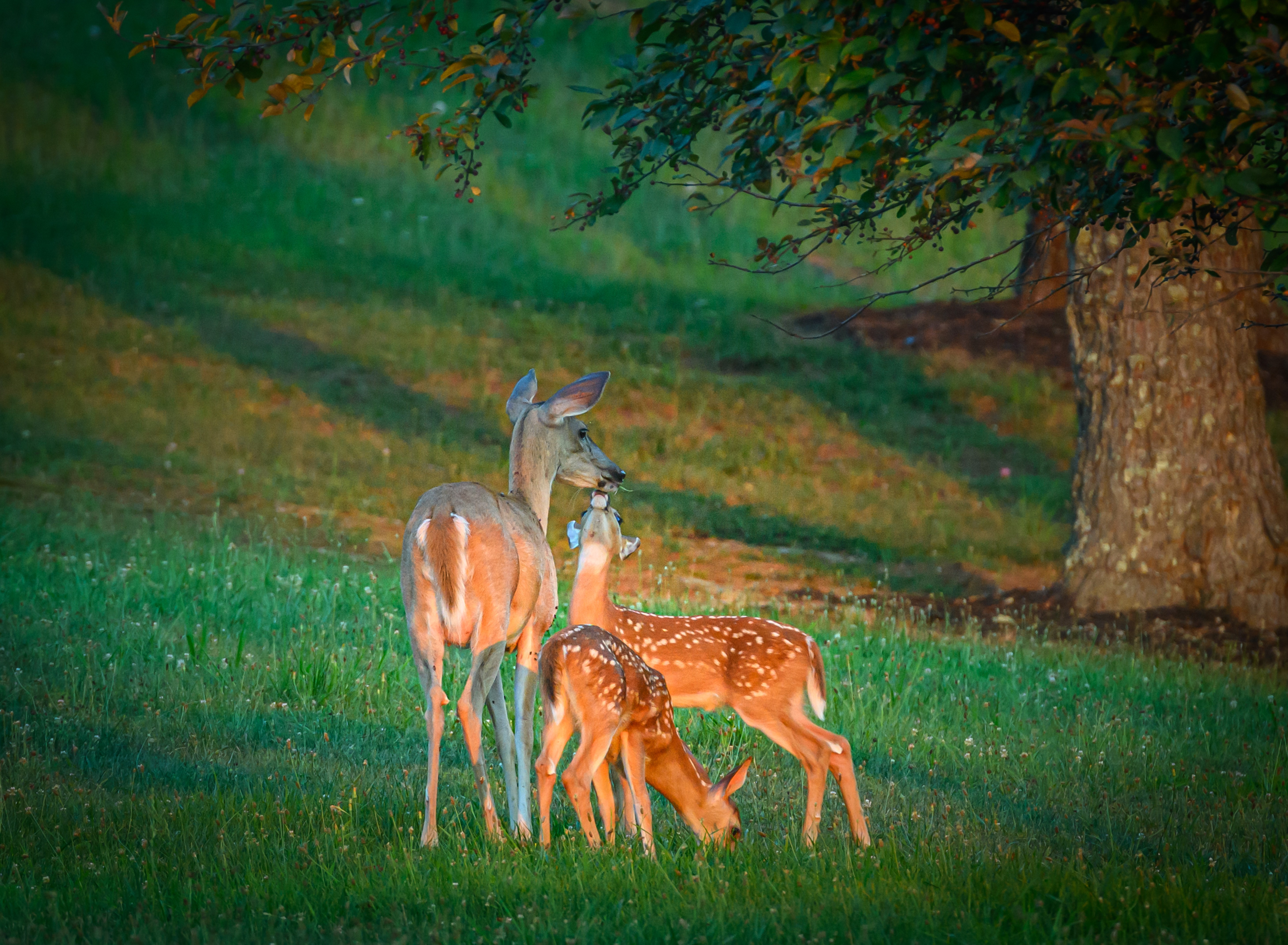

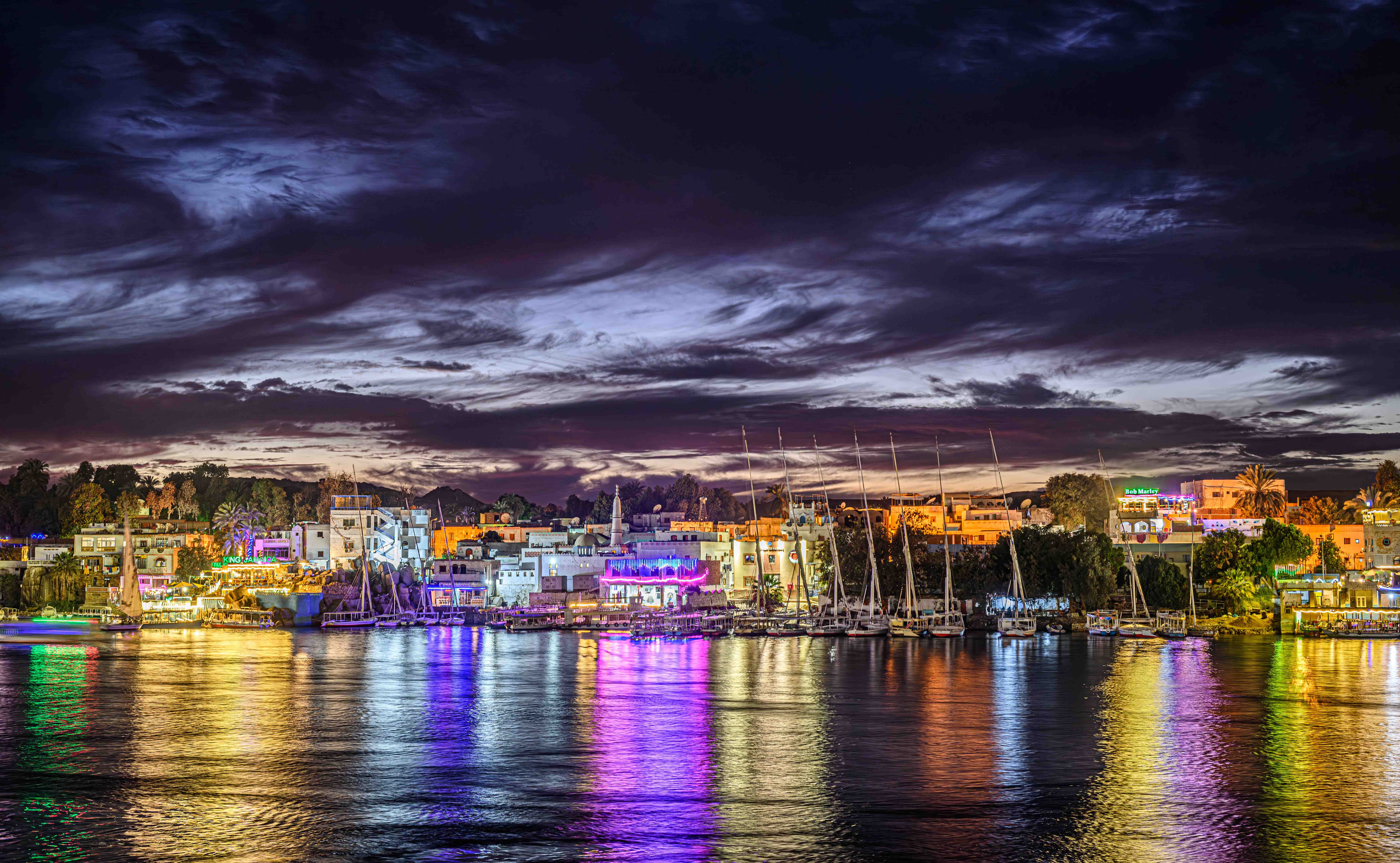
Image Credits
All the pictures are mine