





Today we’d like to introduce you to Brian Zajac.
Hi Brian, thanks for joining us today. We’d love for you to start by introducing yourself.
Since 2006, 3DAS has been dedicated to creating detailed and photorealistic visualizations for architects, interior designers, and real estate developers. We’ve built a strong reputation for our hands-on, consultative approach and our commitment to delivering top-tier results.
However, I noticed a growing need in the market for a more immediate and accessible form of design visualization. While our high-end renderings are perfect for final presentations and marketing materials, there was a gap for a tool that could facilitate real-time idea generation and collaboration during the early stages of a project.
This realization, combined with my experience in web development and the advancements in generative artificial intelligence, led to the creation of DIY Render. The goal was to develop a web-based application that empowers a broader audience—from homeowners to design professionals—to quickly and affordably visualize design concepts. With DIY Render, users can instantly restyle spaces, stage virtual interiors, and explore exterior design options simply by uploading a photo.
Can you talk to us a bit about the challenges and lessons you’ve learned along the way. Looking back would you say it’s been easy or smooth in retrospect?
It hasn’t always been a smooth road, and I think any business owner would be kidding themselves if they said it was. The journey with both 3DAS and DIY Render has been incredibly rewarding, but it has certainly come with its own unique set of challenges. These challenges have been different for each venture, reflecting the different nature of the services they provide.
With 3DAS, our core business has always been about delivering the highest quality architectural visualizations. The struggles we’ve faced here are inherent to the high-end service industry:
– Managing Client Expectations: A significant challenge is aligning a client’s ambitious vision with the practicalities of a project’s timeline and budget. It’s a delicate balancing act to ensure we can produce the photorealistic quality we’re known for while also meeting tight deadlines.
– Keeping Pace with Technology: The 3D rendering landscape is in a constant state of evolution. Staying ahead of the curve with the latest software, hardware, and techniques is crucial to remain competitive, but it requires continuous investment in both technology and training.
– The Iterative Design Process: Architectural design is rarely a linear process. Clients often request revisions and changes, which can impact workflows and project timelines. Effectively managing this feedback loop to ensure the final product is perfect without causing significant delays is a constant focus.
Developing and launching DIY Render brought a completely different set of challenges, many of which are common to pioneering a new technology:
– Educating the Market: Because AI-powered design visualization is a relatively new concept, a significant hurdle has been educating our target audience. We need to clearly communicate how DIY Render works, what it’s capable of, and how it can benefit them.
– Building Trust in AI: There can be some initial skepticism about AI-generated designs. We’ve had to work hard to build trust by ensuring our tool is user-friendly, produces high-quality results, and is transparent in its capabilities.
– The Nuances of AI Development: AI is not a magic bullet. Training our AI models to understand architectural and design principles, and to produce results that are both creative and contextually appropriate, has been a significant undertaking. There’s a constant need to refine the algorithms to avoid generic or “boilerplate” outputs and to ensure the AI understands the subtleties of design.
Data Privacy and Security: As with any online tool that involves user-uploaded content, ensuring the privacy and security of our users’ data is a top priority. We’ve had to be meticulous in building a secure platform to earn and maintain our users’ trust.
One of the most significant overarching challenges has been balancing the needs of two very different business models. 3DAS is a high-touch, service-oriented business, while DIY Render is a scalable, product-based platform. Running both simultaneously requires a dual focus and a deep understanding of two different types of customers and their respective needs.
Alright, so let’s switch gears a bit and talk business. What should we know?
At our core, we are a business dedicated to the art and science of architectural visualization. We operate under a unique dual model that caters to the entire spectrum of the design world. On one hand, you have 3DAS, our flagship brand, and on the other, you have DIY Render, our innovative, AI-powered platform.
Since 2006, 3DAS has established itself as a trusted partner for architects, developers, and designers seeking the highest quality in 3D renderings and animations. We are known for creating stunningly photorealistic visuals that bring architectural concepts to life with precision and artistry. Our specialization lies in a deeply collaborative and consultative process. We don’t just create “pretty pictures”; we work hand-in-hand with our clients to ensure every detail, from lighting to materials, accurately reflects their design intent. What truly sets 3DAS apart is our unwavering commitment to quality and client satisfaction. We’re not a high-volume, automated rendering farm. Instead, we offer a boutique experience that combines technical expertise with a creative eye. This ensures our clients can present their projects with the utmost confidence.
DIY Render is our answer to the industry’s need for speed, affordability, and creative exploration. It’s a web-based application that empowers users to instantly visualize design ideas by leveraging artificial intelligence for tasks like restyling spaces, virtually staging empty rooms, and experimenting with exterior designs. What makes DIY Render unique is its accessibility. It’s designed for a broad audience, from homeowners wanting to remodel a kitchen to interior designers needing to quickly show a client multiple options. The platform’s use of AI allows for near-instant results, a stark contrast to the days or weeks required for traditional rendering. This allows for a level of creative iteration that was previously impossible for many.
The combination of 3DAS and DIY Render is what truly differentiates us. We have the unique ability to service the entire project lifecycle. DIY Render is the perfect tool for early-stage brainstorming and exploring a wide range of design possibilities quickly and cost-effectively. Then, for the final marketing materials and client approvals, 3DAS provides the high-fidelity, photorealistic renderings and animations needed to close the deal. This hybrid “do-it-for-me” and “do-it-yourself” approach means we can cater to any need, any budget, and any stage of the design process.
Brand-wise, I am most proud of the trust and reputation we’ve built with 3DAS over nearly two decades, which is now the foundation upon which we’ve launched the innovation of DIY Render. The 3DAS brand stands for quality, reliability, and expertise, while the DIY Render brand represents the future—it’s about making powerful design tools accessible to everyone. What I want people to know is that we are passionate about the power of visualization to transform ideas into reality. Whether it’s through the meticulous, handcrafted artistry of 3DAS or the instant, AI-driven creativity of DIY Render, our ultimate goal is to provide our clients with the visual tools they need to communicate their vision with clarity and confidence.
Networking and finding a mentor can have such a positive impact on one’s life and career. Any advice?
My advice for both finding a mentor and networking, in general, boils down to one core principle: focus on building genuine relationships, not just collecting contacts. It’s a long game, and authenticity is your greatest asset.
When it comes to finding a mentor, my approach has always been to let the relationship develop organically. The idea of formally asking someone, “Will you be my mentor?” can be intimidating for both parties. Instead, I’ve found it’s better to identify people you admire—not just for their success, but for the way they approach their work and challenges.
Start by asking for a small, specific piece of advice. It could be a 15-minute video call or a quick meeting prior to a gathering / network to discuss a particular business hurdle you’re facing. This shows you respect their time and have a clear purpose. When you talk, be prepared, listen more than you speak, and be genuinely curious about their journey. After the meeting, follow up and keep them updated on how their advice helped you. If you do this a few times over several months, a mentorship-like relationship often forms naturally. The key is to demonstrate that you value their wisdom and are capable of putting it into action.
For networking more broadly, what has worked well for me is to shift my mindset from “What can I get?” to “What can I give?” When I meet someone at an industry event or connect on LinkedIn, I focus on learning about what they do and the challenges they face. Sometimes, I can offer a helpful introduction, share a relevant article, or provide a perspective they hadn’t considered. This builds a foundation of goodwill and mutual respect.
Being a good listener is the most underrated networking skill. People remember when you show a genuine interest in them. Ask thoughtful questions and pay attention to the answers. Then, the most critical step is the follow-up. A brief, personalized email or message referencing your conversation makes a huge difference in solidifying the connection. It shows you were paying attention and value the interaction.
Ultimately, whether you’re seeking a mentor or just expanding your professional circle, it’s about finding your people. Look for those who share your passion and values. Those are the relationships that will not only help your business grow but will also make the journey more rewarding.
Pricing:
- Free (Unsplash)
- 50 cents per DIY Render
- $350 for Consultations
- $750+ for 3D Renderings
Contact Info:
- Website: https://3das.com/
- Instagram: https://www.instagram.com/brianzajac/
- LinkedIn: https://www.linkedin.com/in/brianzajac/
- Twitter: https://twitter.com/3dsMax
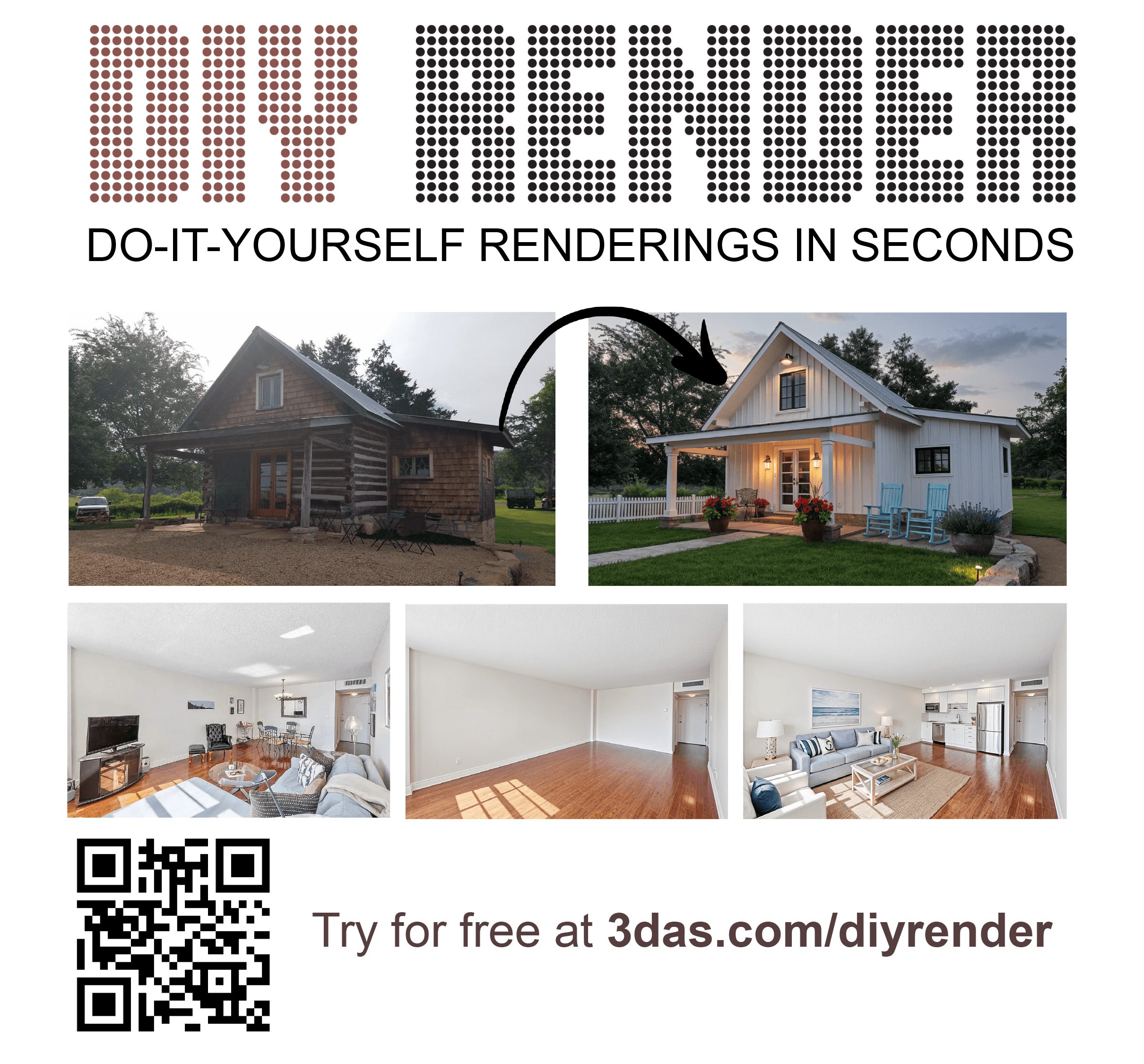
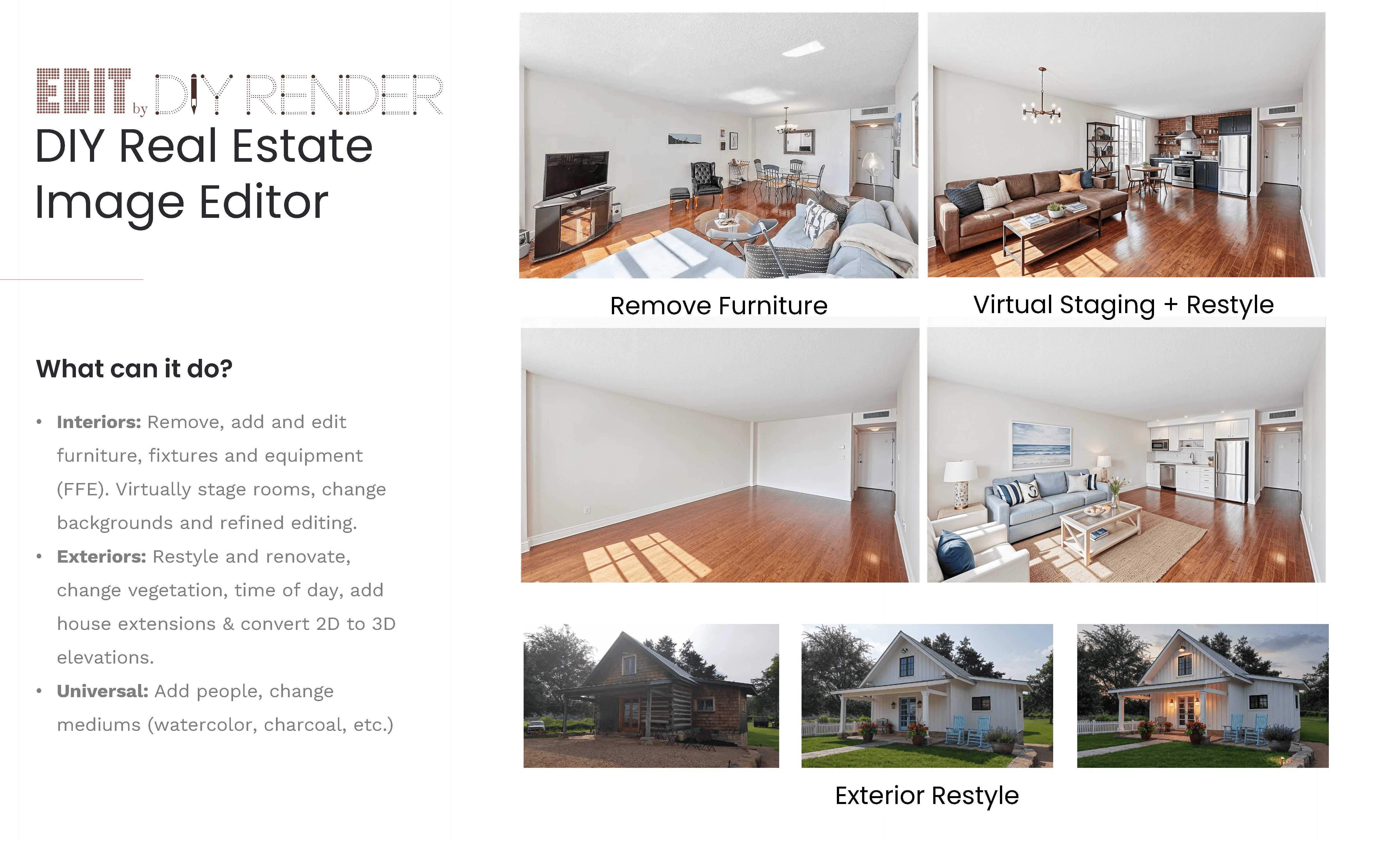
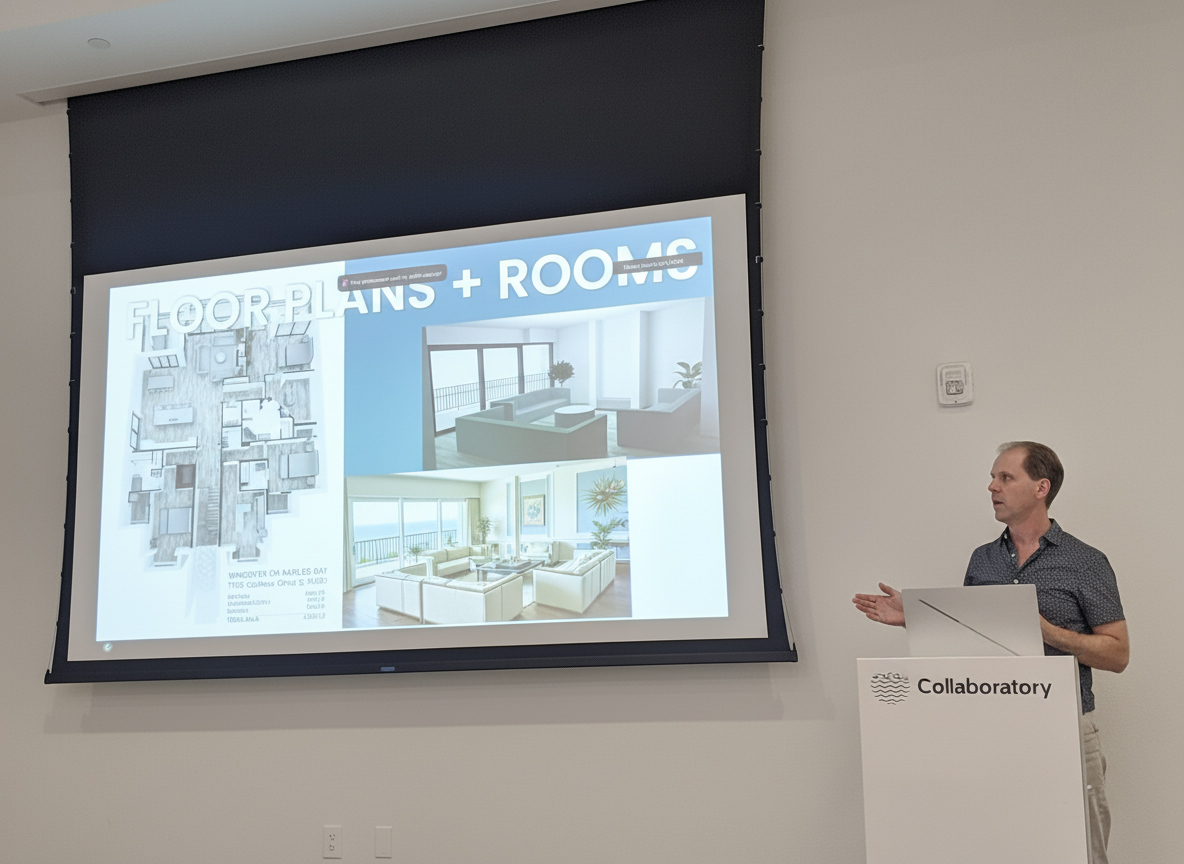
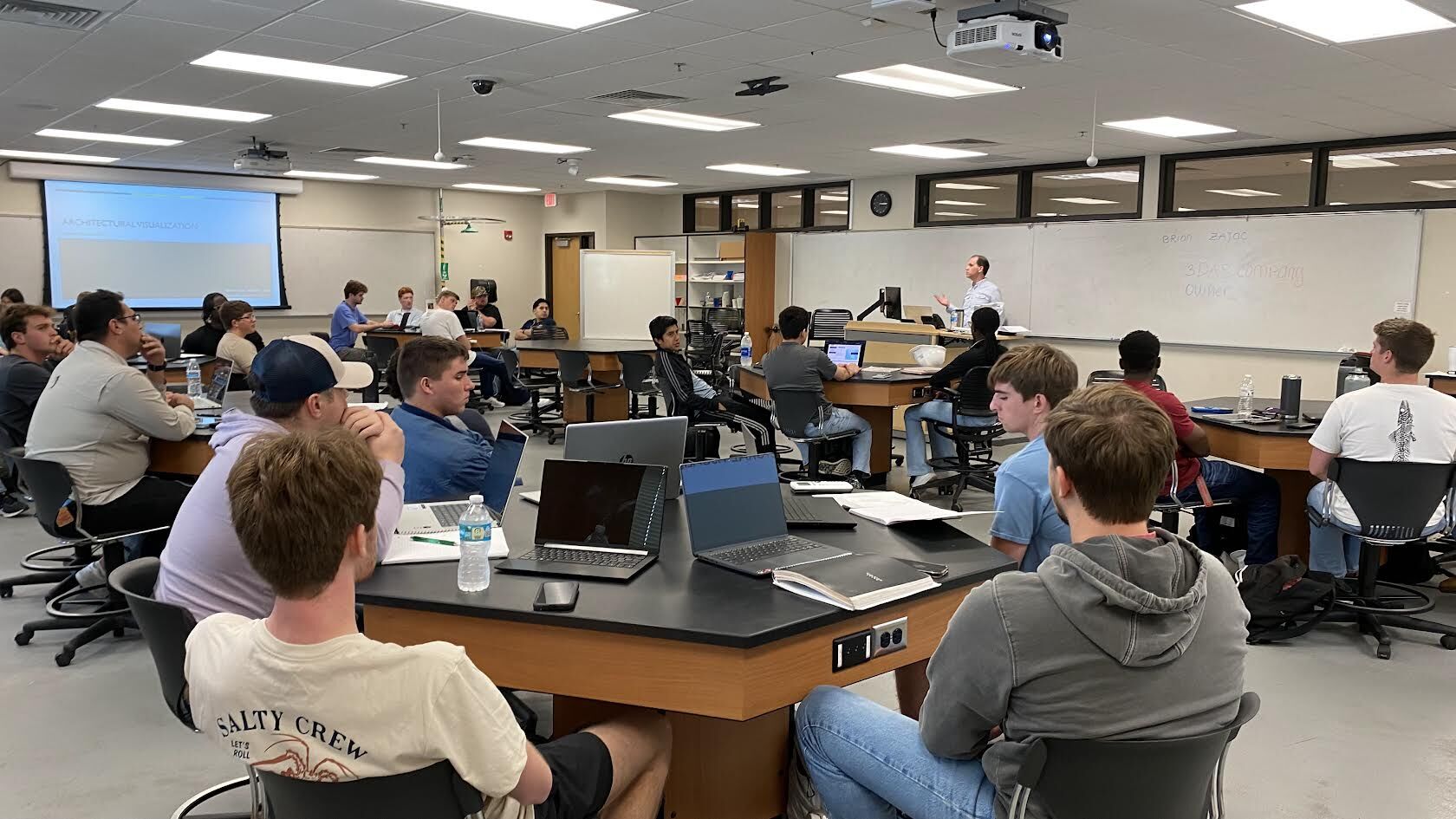
Image Credits
Zarela Graves, SWFL Coders (me presenting at podium), Anh D. (Andy) Chau, FGCU (me teaching class)