



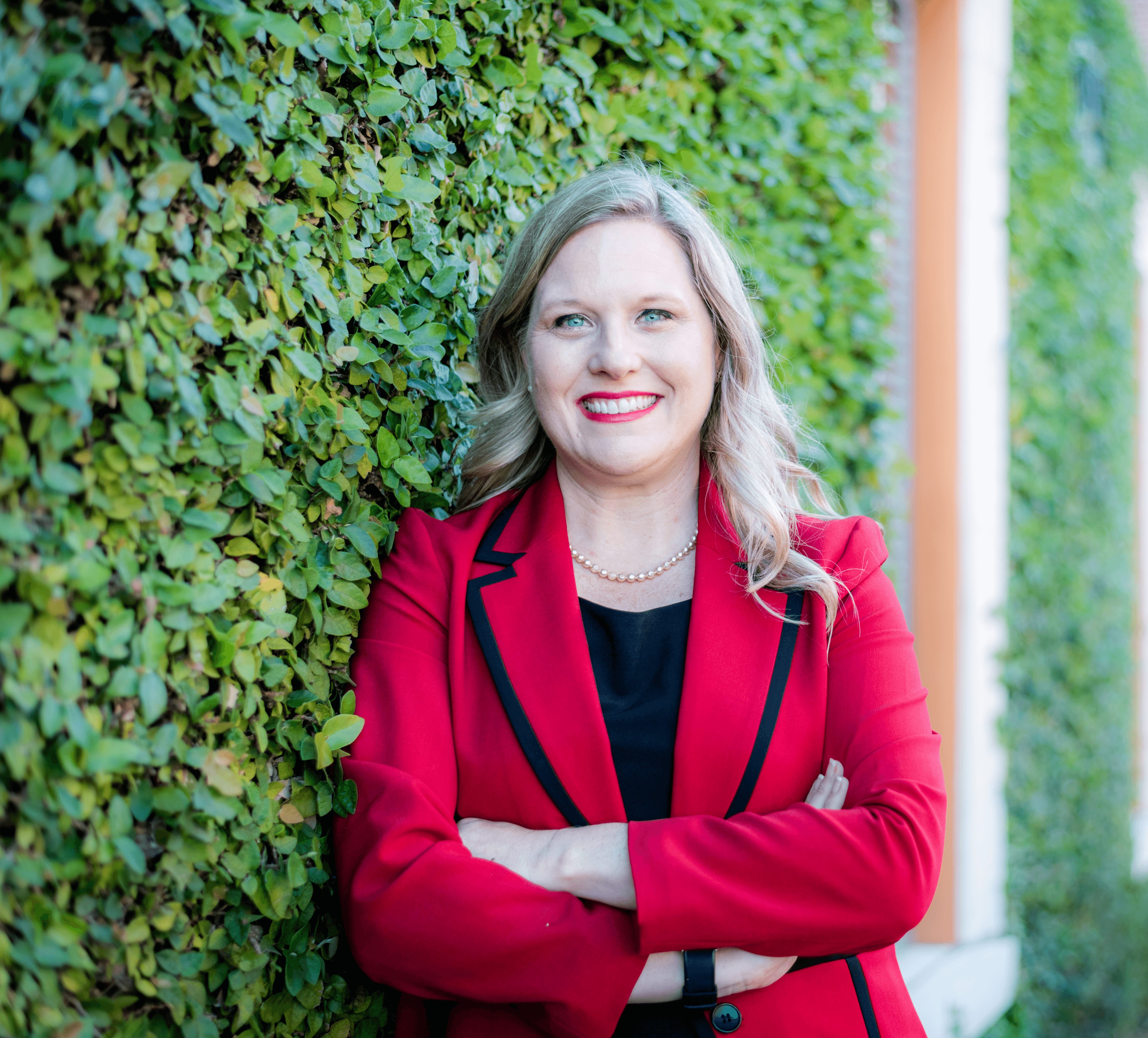
Today we’d like to introduce you to Laura Bray.
Hi Laura, we’d love for you to start by introducing yourself.
My journey began the day my daughter was diagnosed with acute lymphoblastic leukemia. Overnight, our family entered a world where every medication mattered—and where the absence of one could mean the difference between recovery and relapse. When we learned that a critical chemotherapy drug was unavailable, I felt the same fear thousands of families across the country experience every year: what happens when the medicine your child needs simply doesn’t exist that day?
That moment changed me. Instead of accepting drug shortages as an inevitable part of the system, I began asking questions—as a mom and as business professor. I discovered that many of these shortages were preventable. No family should have to experience the fear mine did, and no clinician should ever have to choose which patient receives a lifesaving drug.
What began as a desperate search for one medication on shortage for one patient, grew into Angels for Change—a nonprofit on a mission to end drug shortages through awareness, advocacy, and a resilient supply chain. While we respond to every patient in crisis, our work reaches far beyond a single call now: we partner with hospitals, healthcare systems, and the pharmaceutical supply chain to ensure that no patient anywhere faces empty shelves.
From those first desperate late-night phone calls to the halls of Congress, the White House, and national industry leadership, our mission has always been clear: to create a system where lifesaving medicines are available to all who need them, when and where they need them. And it all starts the same way it did on day one—answering a call, rising to the challenge, and doing everything possible to save a life.
We all face challenges, but looking back would you describe it as a relatively smooth road?
Absolutely not—and that’s why the work matters.
The hardest part has been confronting a system that was not designed with transparency, back up plans, or resilience. Drug shortages are complex: manufacturers, global supply chains, economic pressures, regulatory requirements, deeply fragmented and brittle with razor-thin margins all collide. You can’t fix one piece without understanding the whole picture.
Early on, people told me our mission was “too big” and the system “too broken” it was all a “waste of time.” I was a mom stepping into the healthcare supply chain world, but my background as a business professor armed me with economics and supply chain expertise. Maybe this crisis needed someone from the outside to find the practical business solutions that those from within couldn’t see. We built trust one relationship at a time, often in moments of true crisis when a patient desperately needed help. If we made a call that ended in a failure, we dust ourselves off and made the next calls until we succeeded in finding a solution.
On a personal level, balancing advocacy with being a mother and caregiver during my daughter’s treatment was incredibly hard. There were many days I felt like I was building an airplane while flying it. But every challenge reaffirmed the urgency: if the system wasn’t built to protect patients, then we had to help build a better one. And every success created hope for a different future.
As you know, we’re big fans of Angels for Change, Inc.. For our readers who might not be as familiar what can you tell them about the brand?
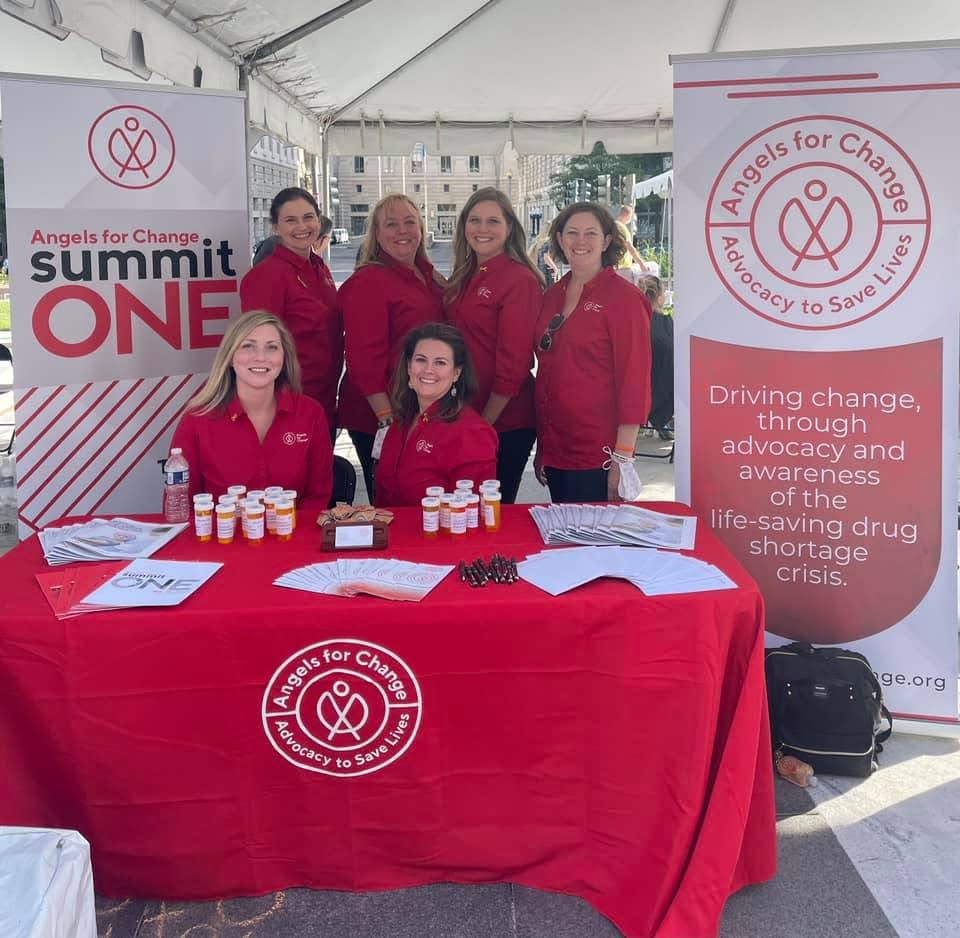
Angels for Change is the only nonprofit dedicated to ending drug shortages with a patient-first approach. We run the nation’s only Drug Shortage Hotline. Readers should know if they are facing a drug shortage, they are not alone. We are here to help.
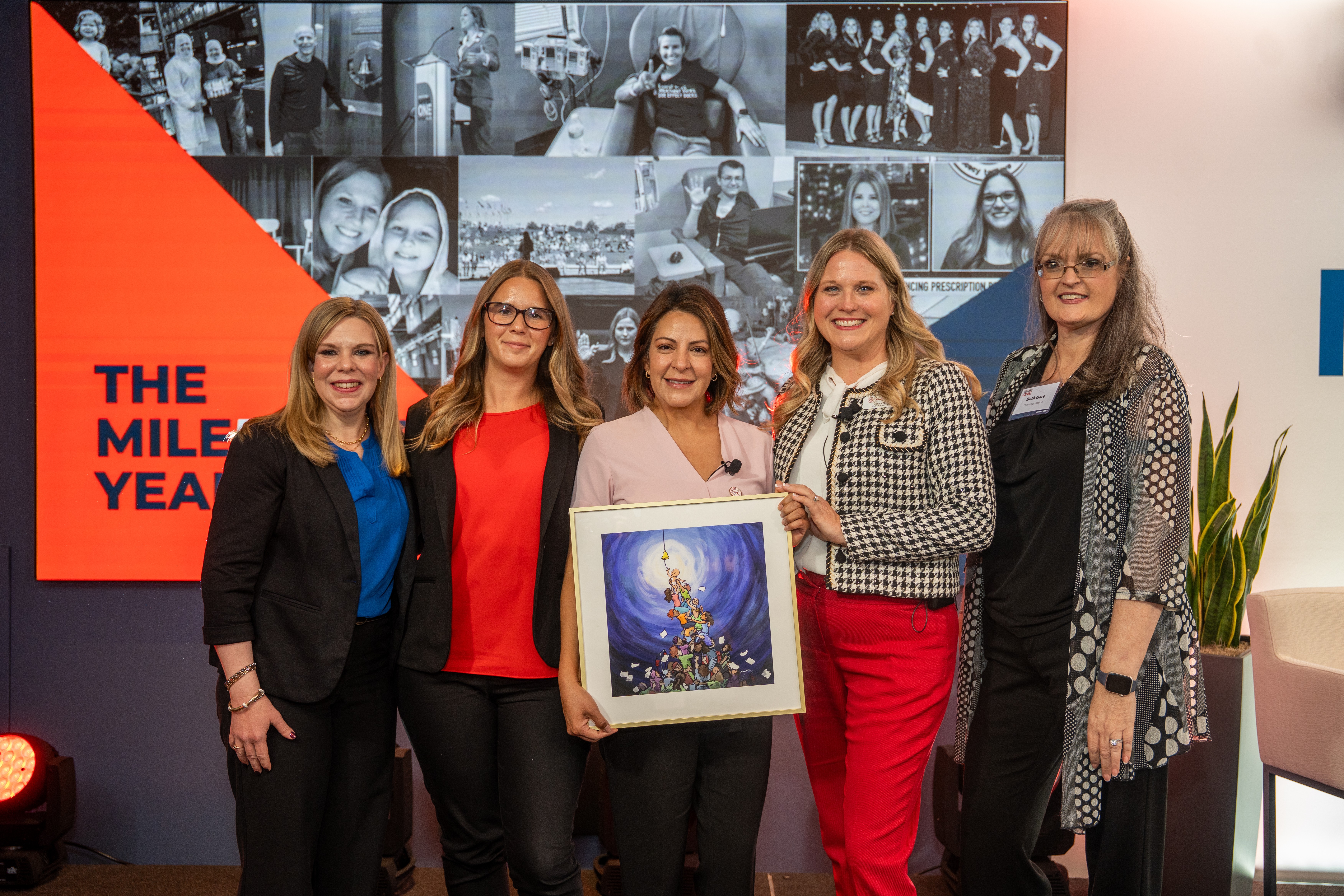
I’m most proud that Angels for Change has proven that drug shortages are a solvable problem. We’ve moved beyond crisis response to shaping the supply chain of the future—one that protects every patient, every time. Seeing hospitals, manufacturers, distributors, federal partners, and communities rally around this mission gives me such hope for a better future. Sparking the movement, igniting the conversation and creating a national model for resilience is something I hold with deep pride.
We plan to end drug shortages focused on three key areas:
• Awareness: Educating the public, policymakers, healthcare experts, and industry on how shortages happen—and how preventable many of them are and the practical solutions to end this 2 decade crisis.
• Advocacy: Working directly for patients and pharmacists during drug shortages through our Drug Shortage Hotline (DSH) and being their voice with federal leaders, manufacturers, and healthcare systems to fix the root-cause issues.
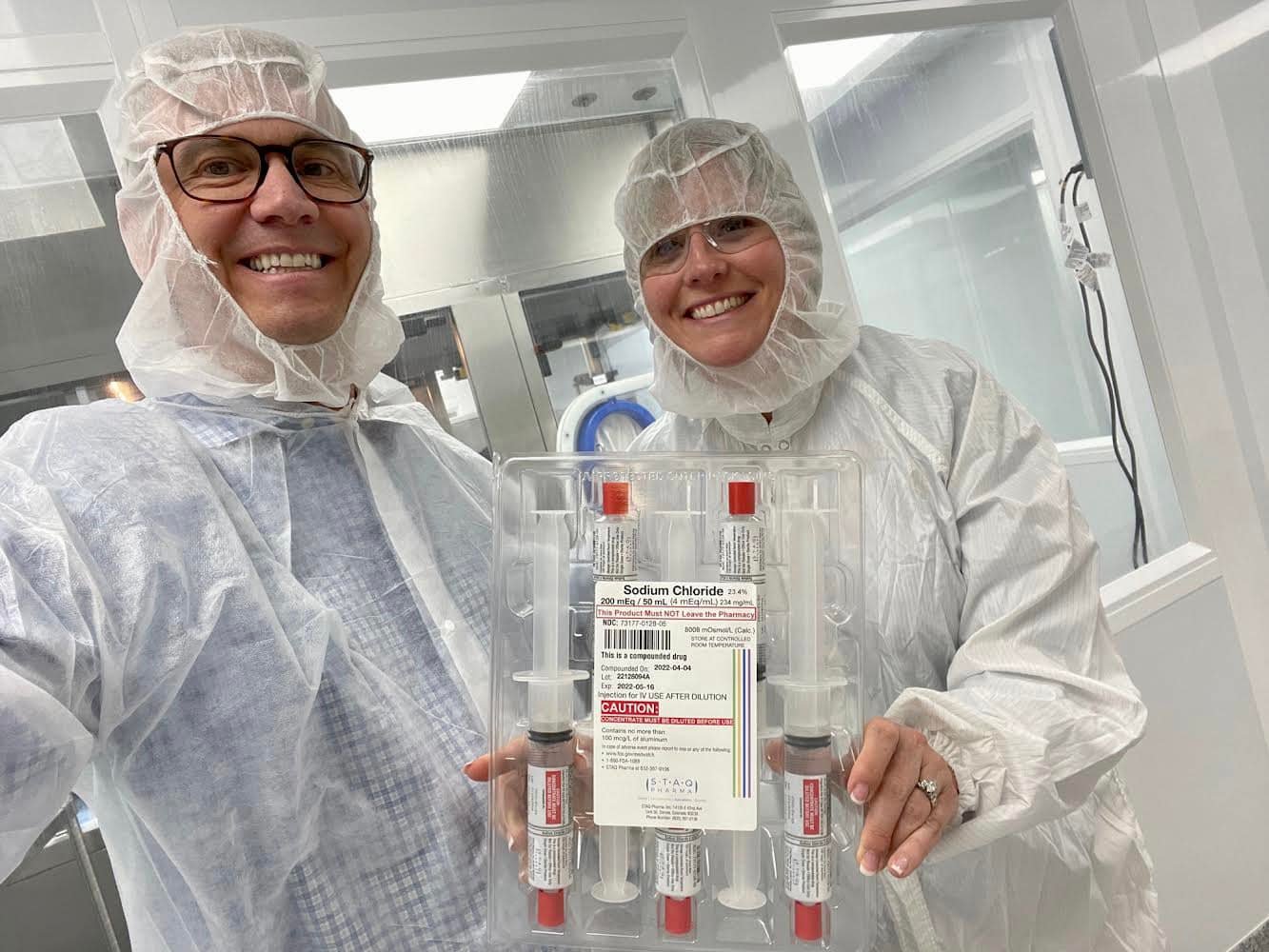
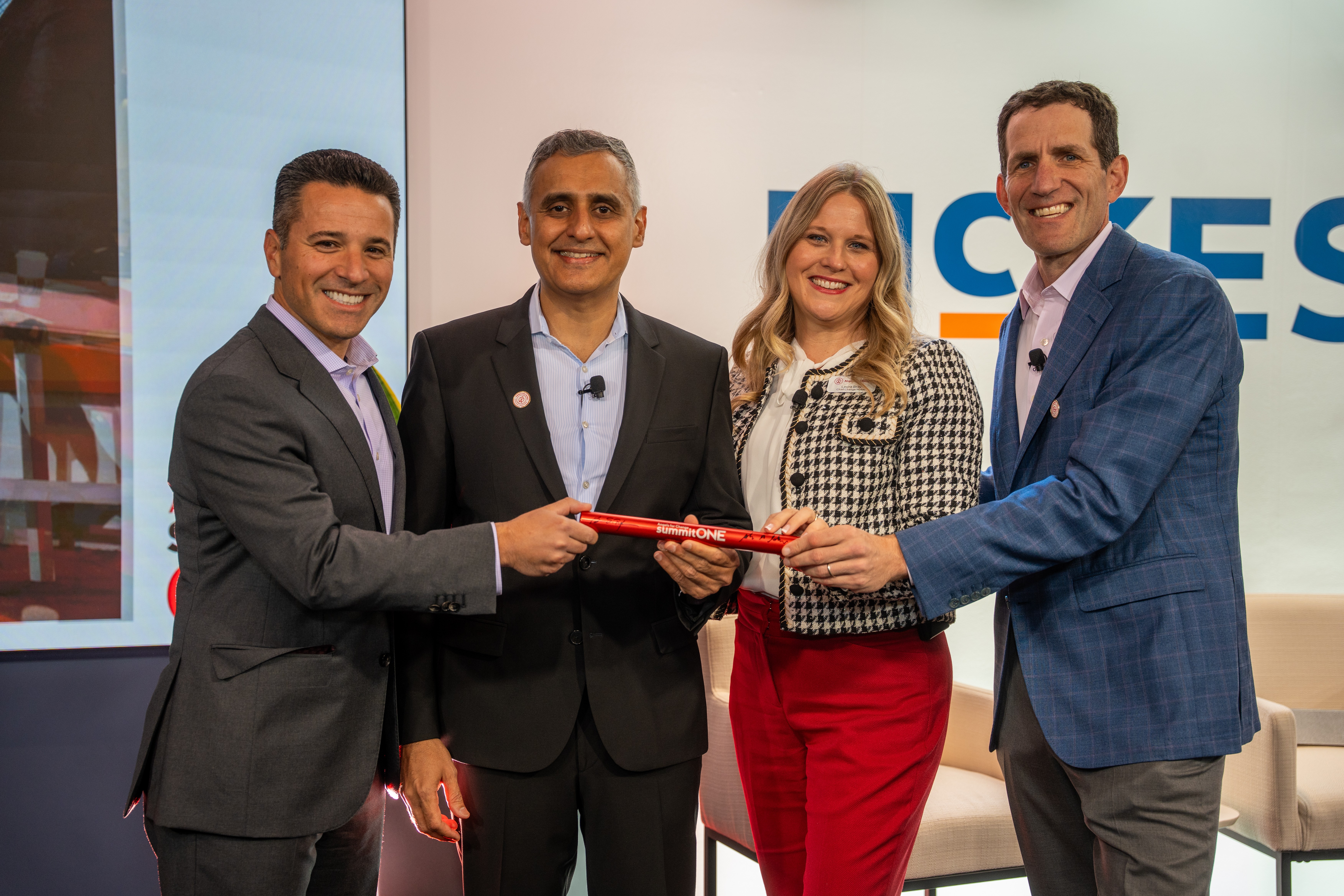
• Resilient Supply Chain: Building the resilient supply chain of the future with industry partnerships and bold innovative programs like our Global Supply Sharing Network (GSSN), National SummitONE, Project Protect and Project Gold.
What sets us apart is our direct connection to patients and frontline care workers. Many organizations talk about supply chains, economics, or policy—we talk about the people who are being harmed by this broken system. Our hotline receives calls from physicians and families facing the worst day of their lives. We treat every request as if the patient were our own child. This connection helps us convene stakeholders and ensure all solutions benefit patient care.
We’ve helped create national solutions, forged partnerships, and brought patient stories to the forefront. I’m most proud that we have become the voice reminding everyone—industry, policymakers, healthcare providers—that drug shortages are not just operational failures. They are human emergencies.
And our “brand,” if you can call it that, is built on compassion, collaboration, practical business expertise and the relentless belief that every patient deserves timely access to lifesaving medicine.
Can you share something surprising about yourself?
Most people are surprised to learn that I never set out to become a national advocate or policy voice. Before all of this, I was a business professor, fully committed to earning tenure and making a difference one student at a time in my small community.
What pushed me forward was the conviction that the drug shortage crisis was solvable—but only if people were willing to stand up and demand change. I realized I had to be part of the solution I wanted to see. If I wasn’t willing to do the work, how could I expect anyone else to take action?
Another thing that surprises people is that, despite all the national work, I still personally answer hotline calls. Staying on the front lines keeps me grounded. It reminds me why this mission began and why it must continue: one patient, one family, one life-saving drug at a time. But more importantly, it reinforces why we must build a resilient supply chain so that, someday, no one needs to call at all.
I often say that I don’t want the phone to stop ringing because I stop answering—I want it to stop because every patient already has the medication they need. Until that day, I’ll keep picking up the phone, remembering exactly what it felt like to be a desperate parent hoping someone—anyone—would help.
Contact Info:
- Website: https://www.angelsforchange.org