




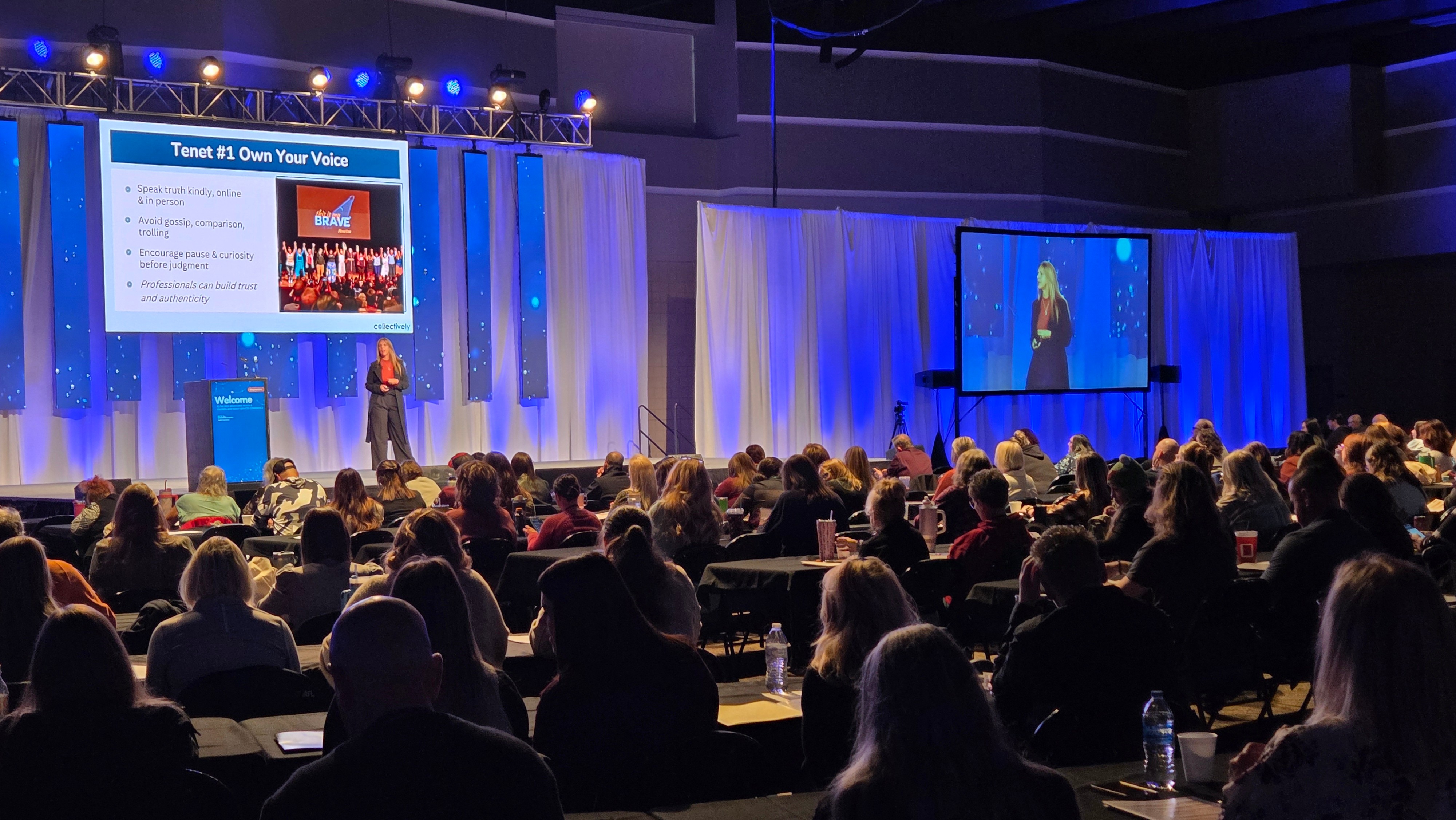
We’re looking forward to introducing you to Dr. Julie Radlauer-Doerfler LMHC. Check out our conversation below.
Hi Julie, thank you so much for joining us today. We’re thrilled to learn more about your journey, values and what you are currently working on. Let’s start with an ice breaker: Have you stood up for someone when it cost you something?
In the past few years I have been researching how our public mental health systems impact the people receiving support within them. This topic is not particularly popular with those in power or operating those systems. Sharing this research with those well-meaning workers within the system opens their eyes about how to better advocate for, and with, those receiving services and support. This work has resulted in my organization losing contracts, access to funding, and the ability to provide services in certain spaces. I believe that the work is truly important if we want to learn to provide services and supports that will make a positive impact in the lives of people.
Can you briefly introduce yourself and share what makes you or your brand unique?
Hello, my name is Julie! I’m the founder and CEO of Collectively. We are an organization committed to supporting mental health through research, education, thought leadership, and public speaking. My organization mainly supports nonprofit, government, and academic institutions. Our tagline is “Together we can change the narrative on mental health”.
Amazing, so let’s take a moment to go back in time. Who taught you the most about work?
My mother taught me the most about hard work and how passion for helping others is a driving force. She was a single mom and a visiting nurse. She loved spending time with her patients in their homes and helping them heal. She worked long hours, had lots of paperwork, but absolutely loved how she was making an impact on her patients. She was a role model for me to find what I love and give it my all.
What did suffering teach you that success never could?
I love this question! No one wants to go through difficult times, but I truly believe that the magic happens when we can find the lessons. We can do everything in our power to not experience difficult times, or we can do our best every day and surrender to what is supposed to happen. Suffering taught me how to see the beauty in the uncomfortable. I just wrote a book for young adults and have an entire section around resilience. The section teaches the reader to see the lesson in the hardship. I love it when something unexpected happens and I see the clarity in why that happened for me. I’m not talking about something traumatic like the death of a loved one or an accident, but rather the smaller happenings that may change our path. When we can take a step back and recognize that not being invited to that party allowed me to spend time with my mom, or not getting that job offer made me really think about if I want to work in this industry, we can find the lesson.
So a lot of these questions go deep, but if you are open to it, we’ve got a few more questions that we’d love to get your take on. What’s a belief or project you’re committed to, no matter how long it takes?
I’m really passionate about the mental health of the next generation. I think young people that grew up during social media, COVID, climate change, and political uncertainty have been exposed to extraordinary challenges. I feel like it is imperative that the adults around them share valuable tools to help them get through these challenging times. Young people look to the adults around them to provide structure and support. It’s really important that we have the tools in our back pockets when the moment presents itself. I’m really passionate about making sure that helping professionals and adults have these tools accessible. It’s not really a project, it’s more of a calling.
Okay, so let’s keep going with one more question that means a lot to us: What do you understand deeply that most people don’t?
The majority of people can have their mental health needs addressed outside of the clinical care model. When people are experiencing mental health challenges, they automatically go to the western medical model. The trouble is that finding the right medical home is very challenging, and for cultural reasons, formal mental health counseling may not be for everyone. Through my years of working in the mental health space and evolving into the prevention space through public health, I have learned to understand that we have the ability to support each other through challenges. The research demonstrates that only 20% of people truly need access to medication or therapy for trauma or to learn coping skills. That means 80% of people struggling can get their needs met through the social aspects of their lives. You don’t need a degree or even training to support someone through a mental health challenge. If they are in that 20%, you can support them in gaining access to a professional, either way, you helped them.
Contact Info:
- Website: https://collectivelyus.org/ https://julieradlauer.com/
- Instagram: https://www.instagram.com/julieradlauer/
- Linkedin: https://www.linkedin.com/in/julie-radlauer-doerfler-drph-lmhc/
- Facebook: https://www.facebook.com/profile.php?id=100077717883180
- Youtube: https://www.youtube.com/watch?v=_v9nJlVvKFs
- Other: https://www.amazon.com/CONNECT-Ways-Create-Happiness-Your/dp/B0CGM51W8Q TEDx:
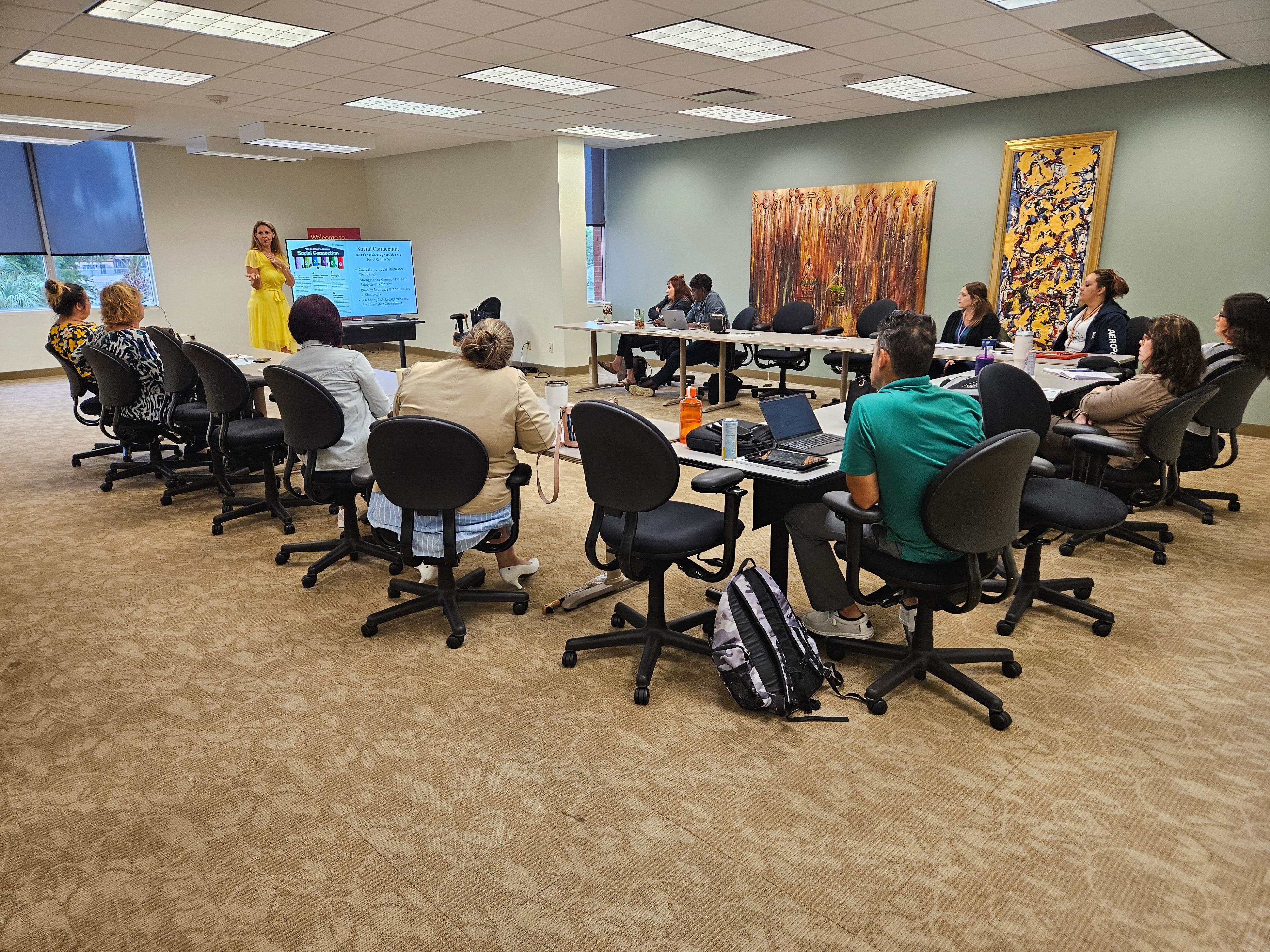
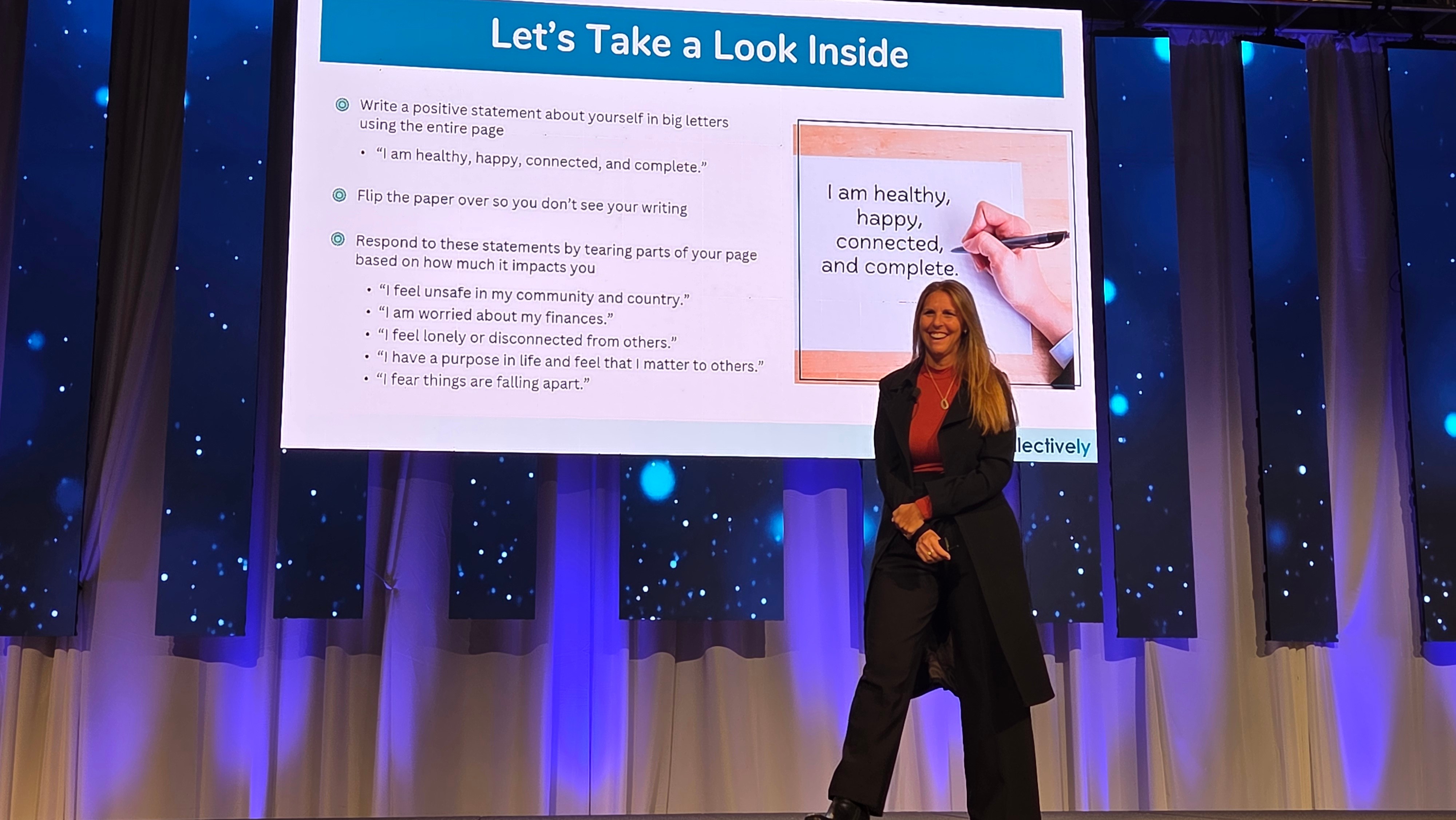
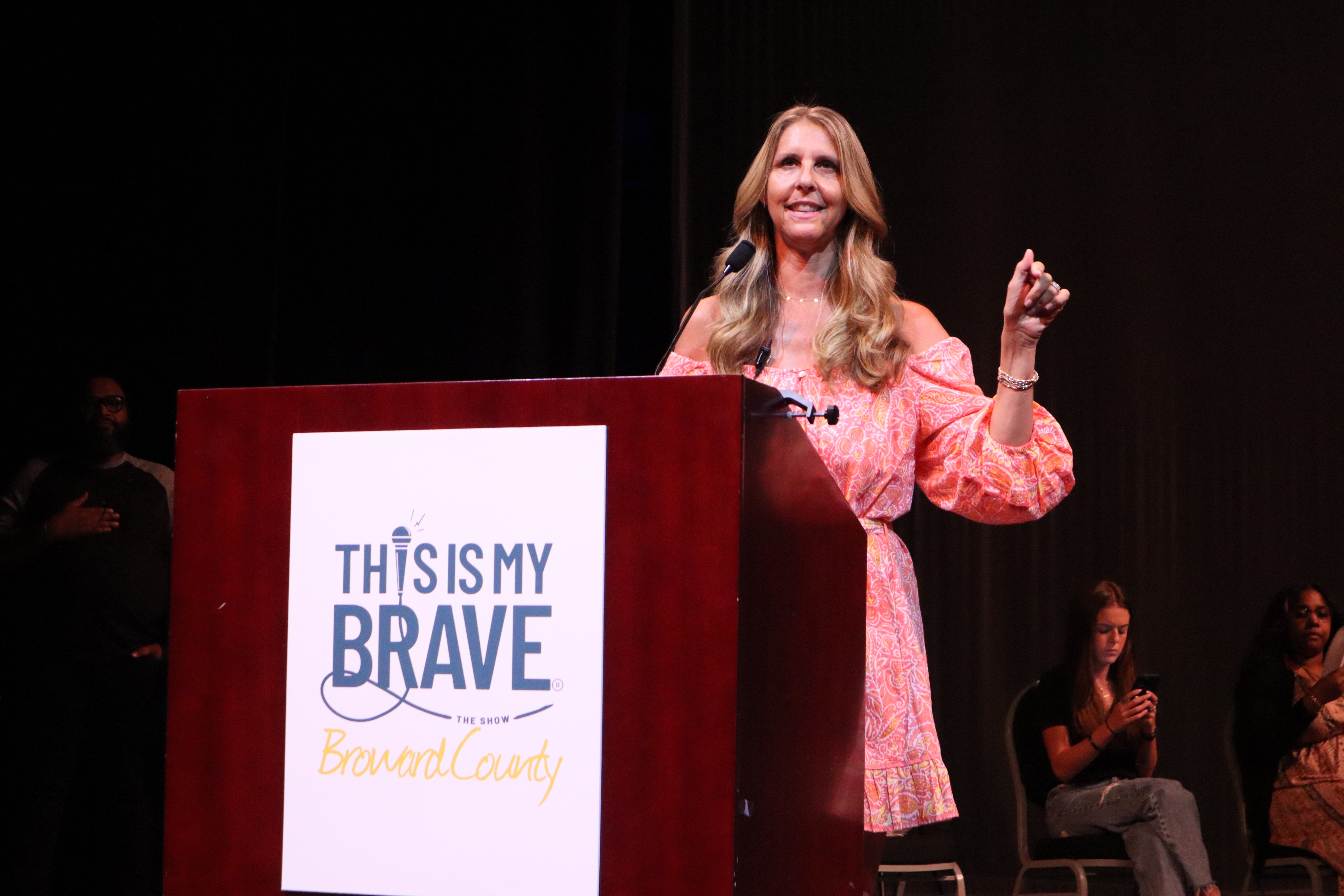
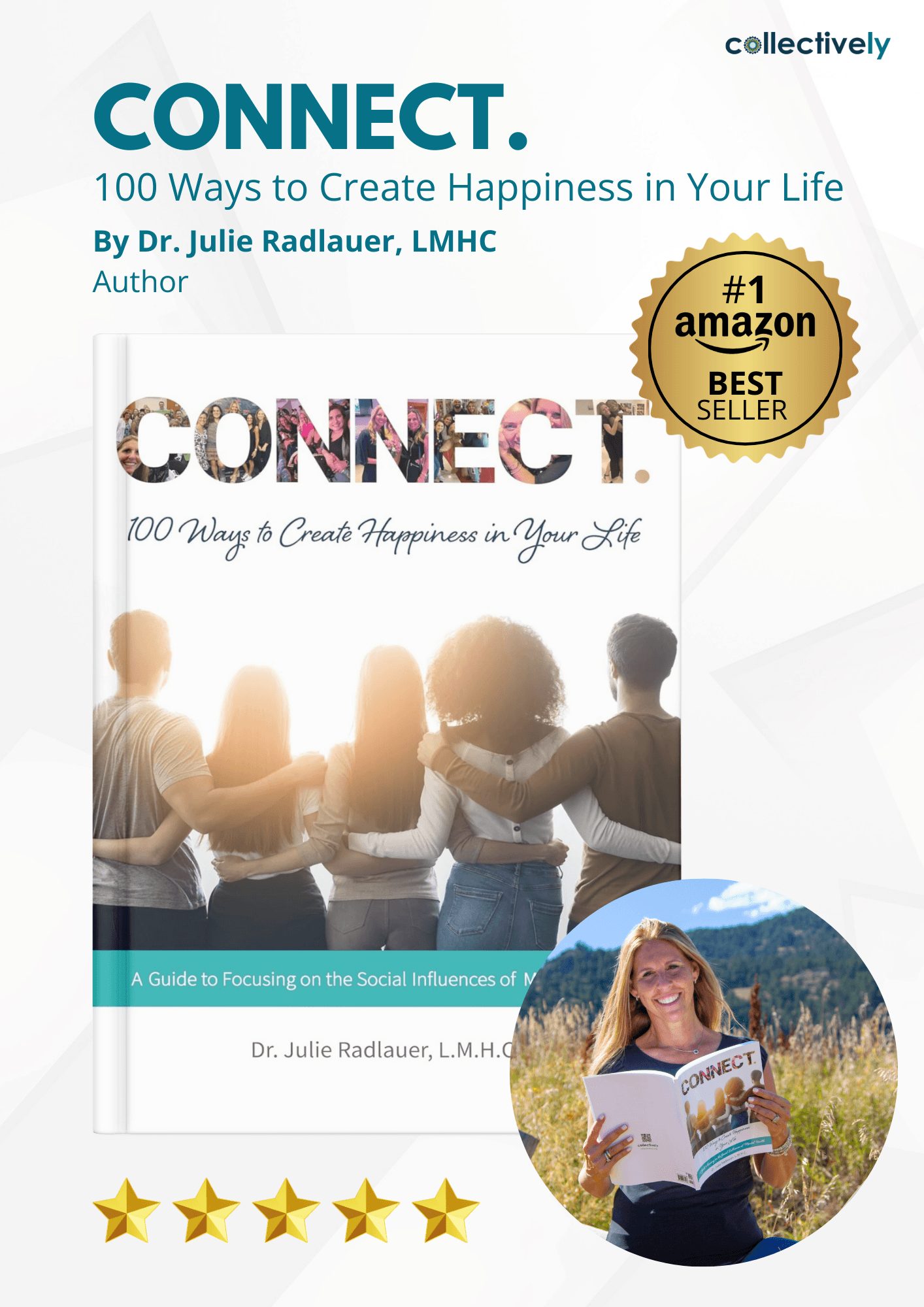
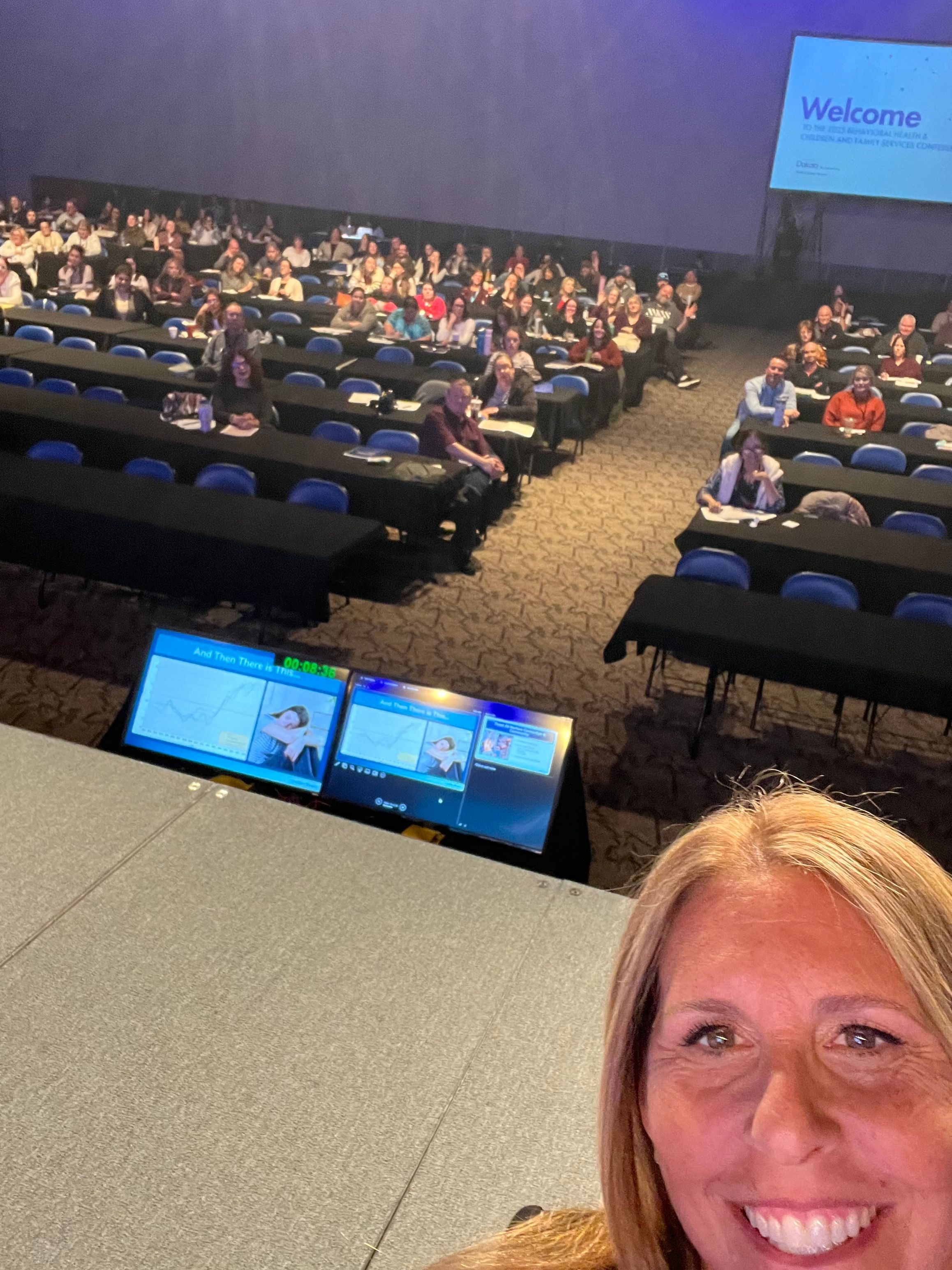
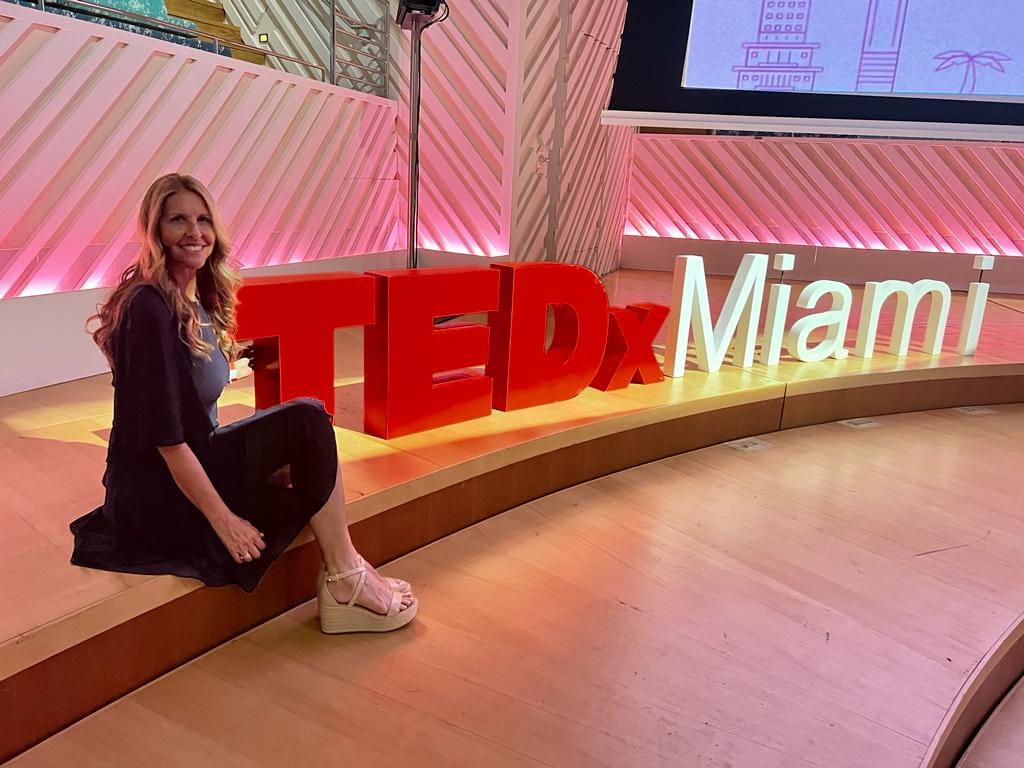
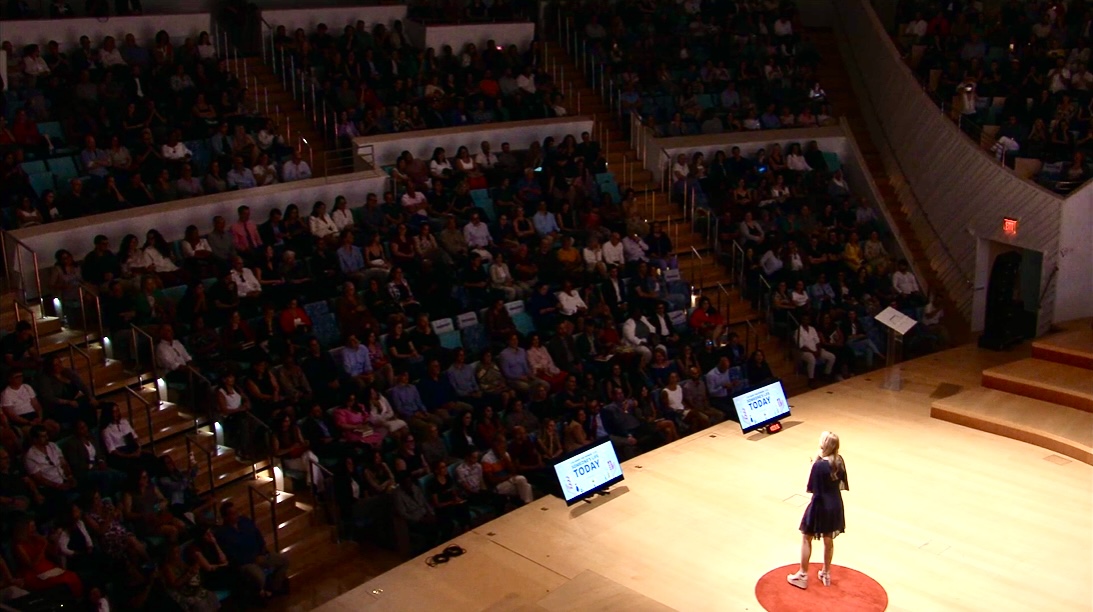
Image Credits
Julie Radlauer