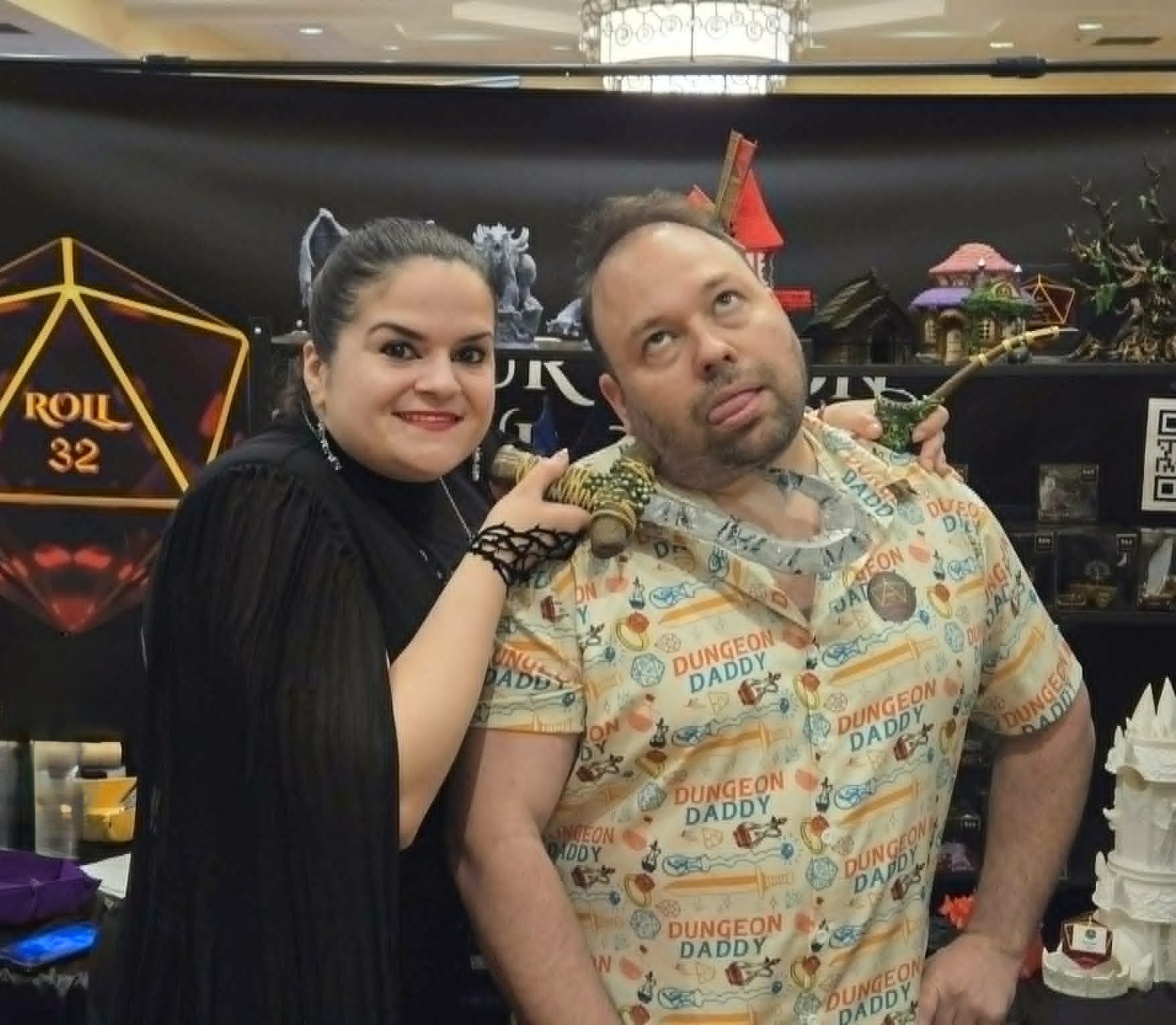




Today we’d like to introduce you to Samya And Marie Alves.
Samya and Marie, we appreciate you taking the time to share your story with us today. Where does your story begin?
Roll 32 started almost by accident.
My wife and I are geeks. We’re the quintessential nerds that enjoy all things fantasy.
Since our daughter is nearing her teens years, we decided we need more “family time” and one easy (and fun!) way of doing that is playing tabletop roleplaying games together.
One Sunday afternoon, my wife and I, our daughter, our son, and my parents, all gathered around the table.
During one especially chaotic session, someone said they wished they could actually “see” what was happening in the battle. So before our next game, I ordered some miniatures online.
When they arrived, I was disappointed. The models felt repetitive, soft on detail, and didn’t really capture the emotion of the story we were telling. In a game that can make you laugh, cheer, panic, and sometimes even tear up, the physical pieces on the table should add to that magic — not feel like an afterthought.
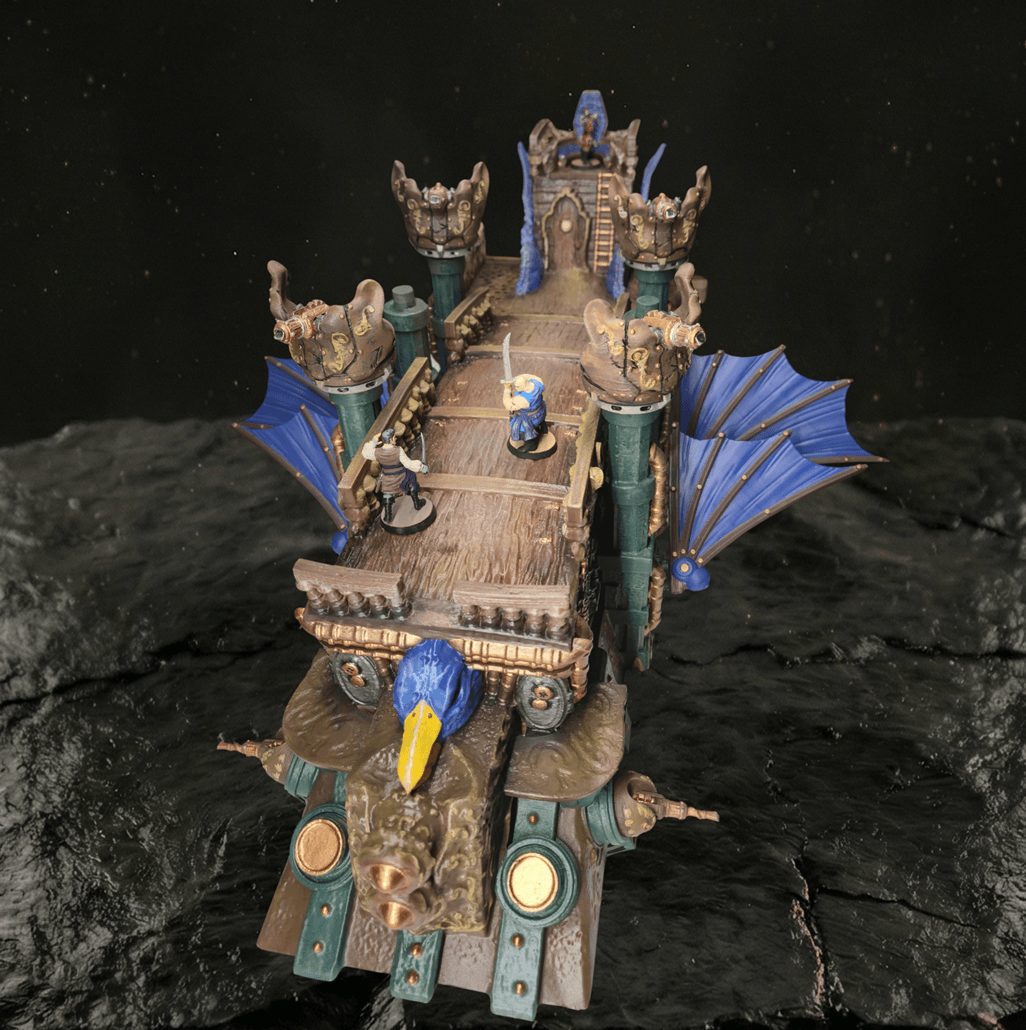
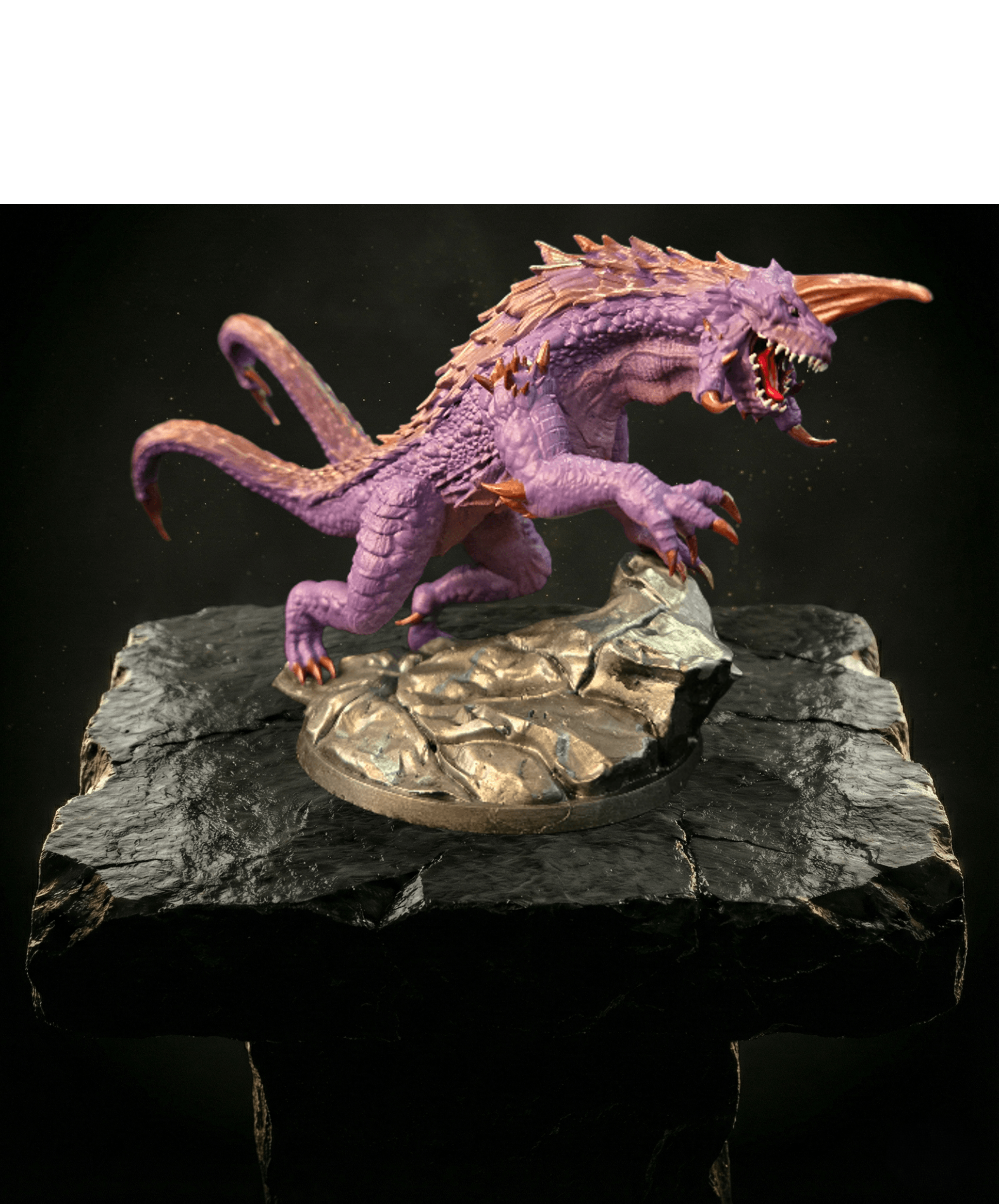
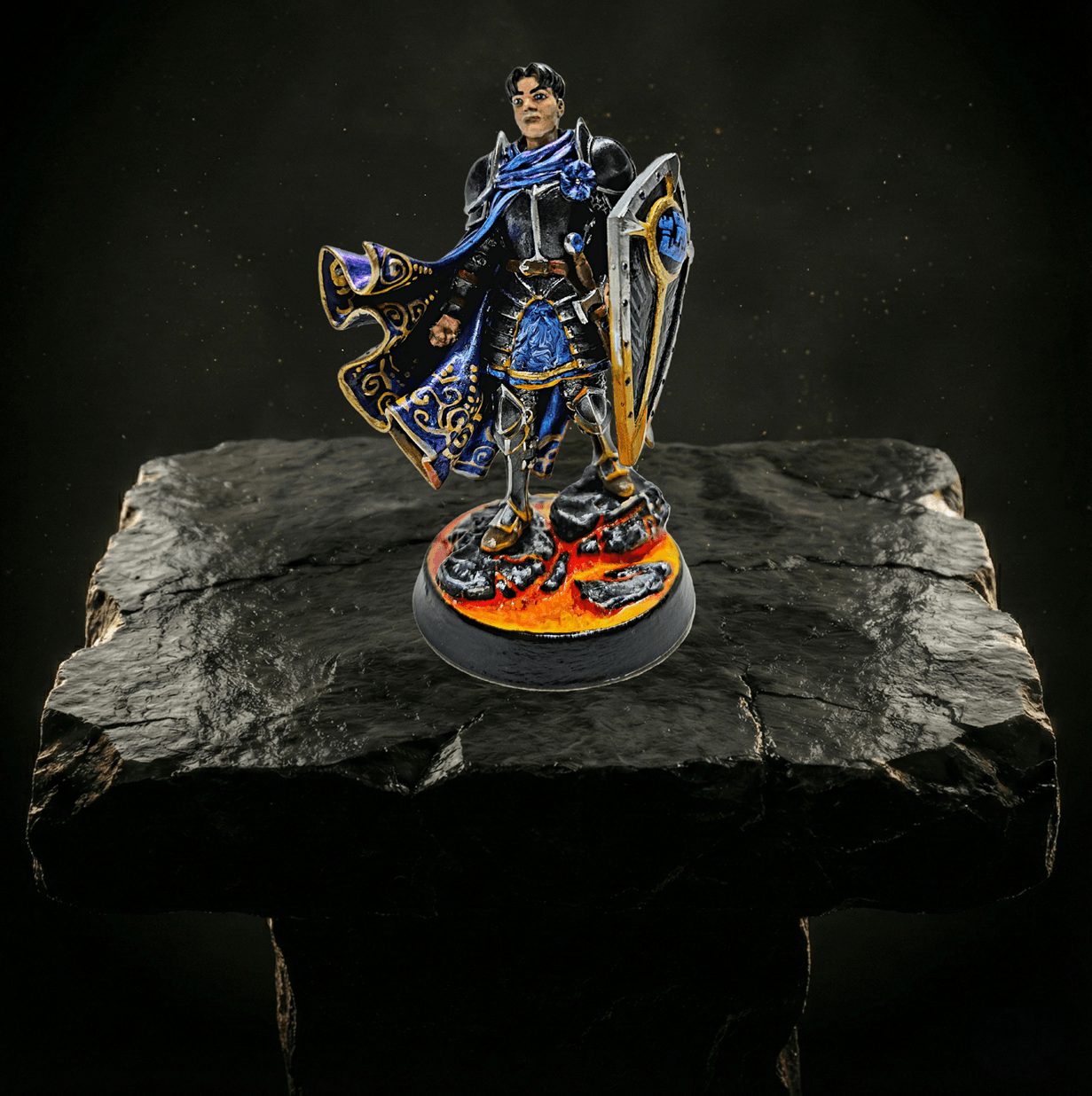
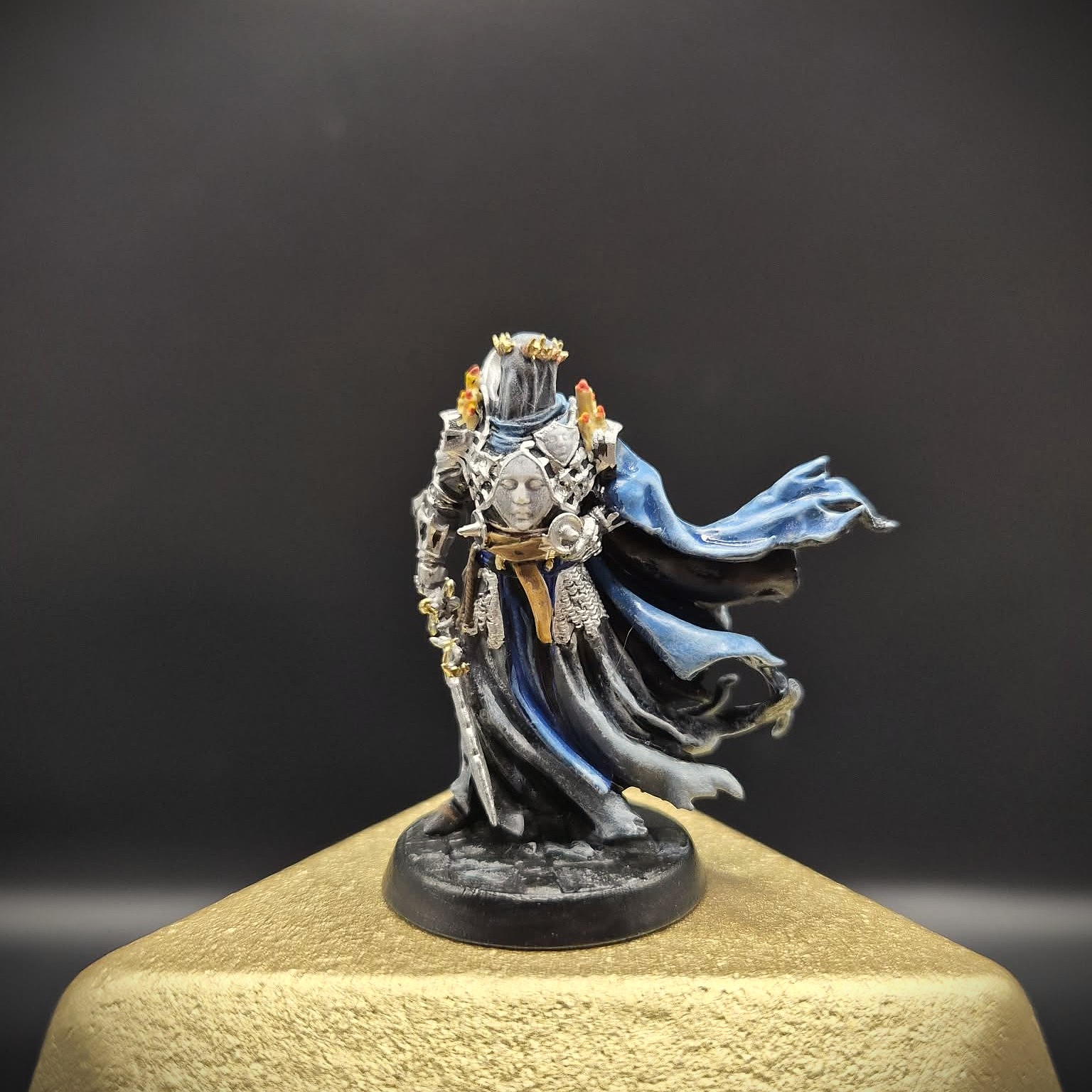
My wife was the first to say, “Why don’t we make something better? I can paint them.” So we did. I bought our first 3D printer, we picked up some paints, and we made our first little goblin horde. They weren’t perfect, but they had character — and when they hit the table, our family lit up.
That was the moment Roll 32 was born.
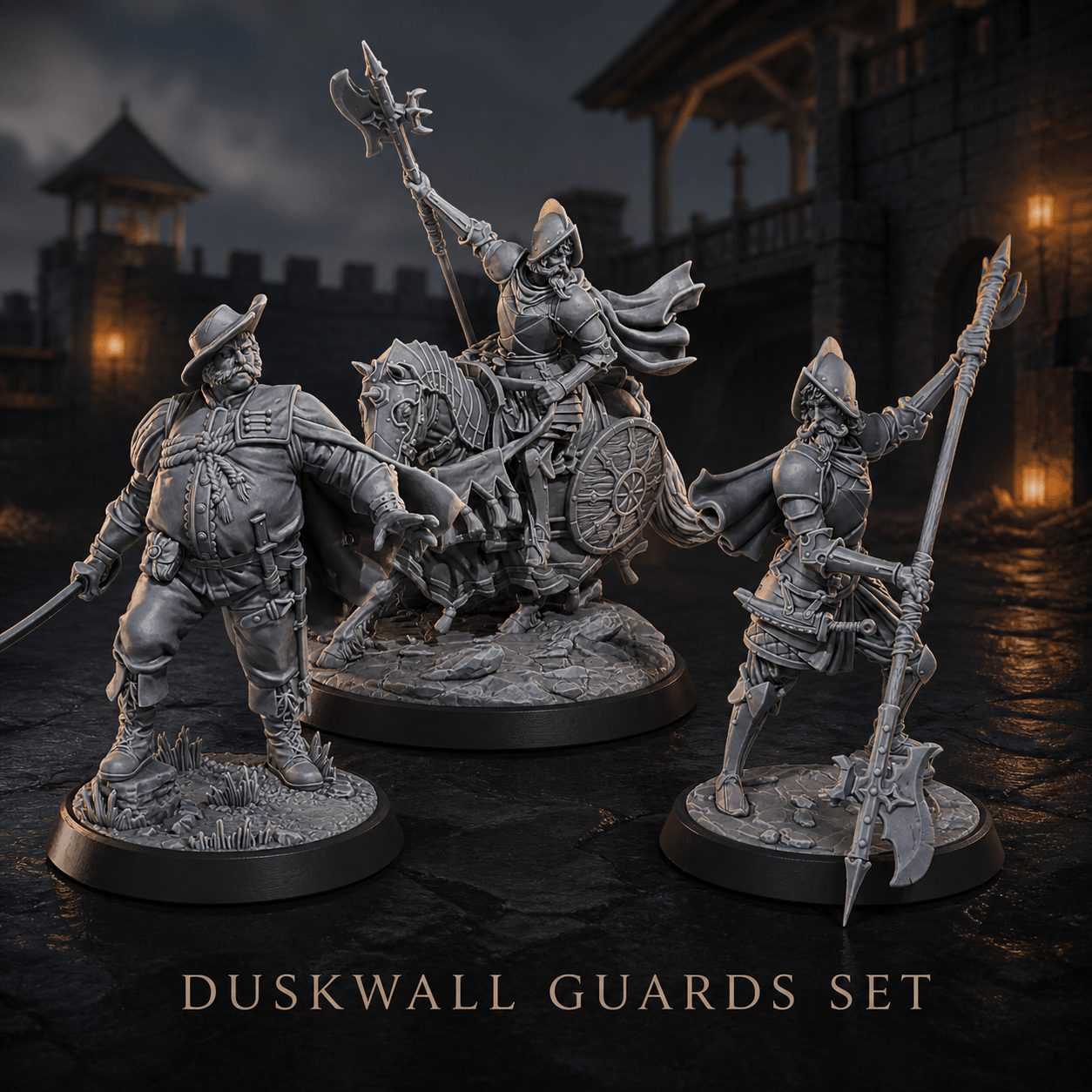
The name comes from the scale of our miniatures — 32mm — and the action that moves every adventure forward: rolling the dice. Today, Roll 32 exists to help players and game masters bring their imagination to the table with miniatures that feel worthy of the stories they’re telling.
I’m sure it wasn’t obstacle-free, but would you say the journey has been fairly smooth so far?
No, it has not been a smooth road — but I’m not sure anything worth building ever really is.
One of the biggest challenges has been building Roll 32 while also working full-time and raising a family. There are plenty of long days where we are balancing day jobs, family responsibilities, printing, painting, packaging, website work, customer experience, events, and all the little details that go into trying to build something real. It can easily turn into 12- or 13-hour days.
The other challenge is that we are not trying to make the cheapest version of this business. We care about the details — the quality of the prints, the way the miniatures feel on the table, how the packaging looks, how customers experience the brand, and whether the final product actually feels special. That makes things harder, but that is also the point.
There has been a steep learning curve: 3D printing, resin handling, painting workflows, licensing, e-commerce, photography, shipping, marketing, conventions, hosting painting classes, and everything in between. Every part of the business has had its own lessons learned.
But the difficulty has also clarified why we’re doing it. Roll 32 is being built around the same table where it all started — with family, imagination, and the belief that the pieces we put in front of players should make the story feel more alive. It has not been easy, but it has been worth building.
Appreciate you sharing that. What else should we know about what you do?
At Roll 32, our work is not just making miniatures — it is creating a full tabletop experience.
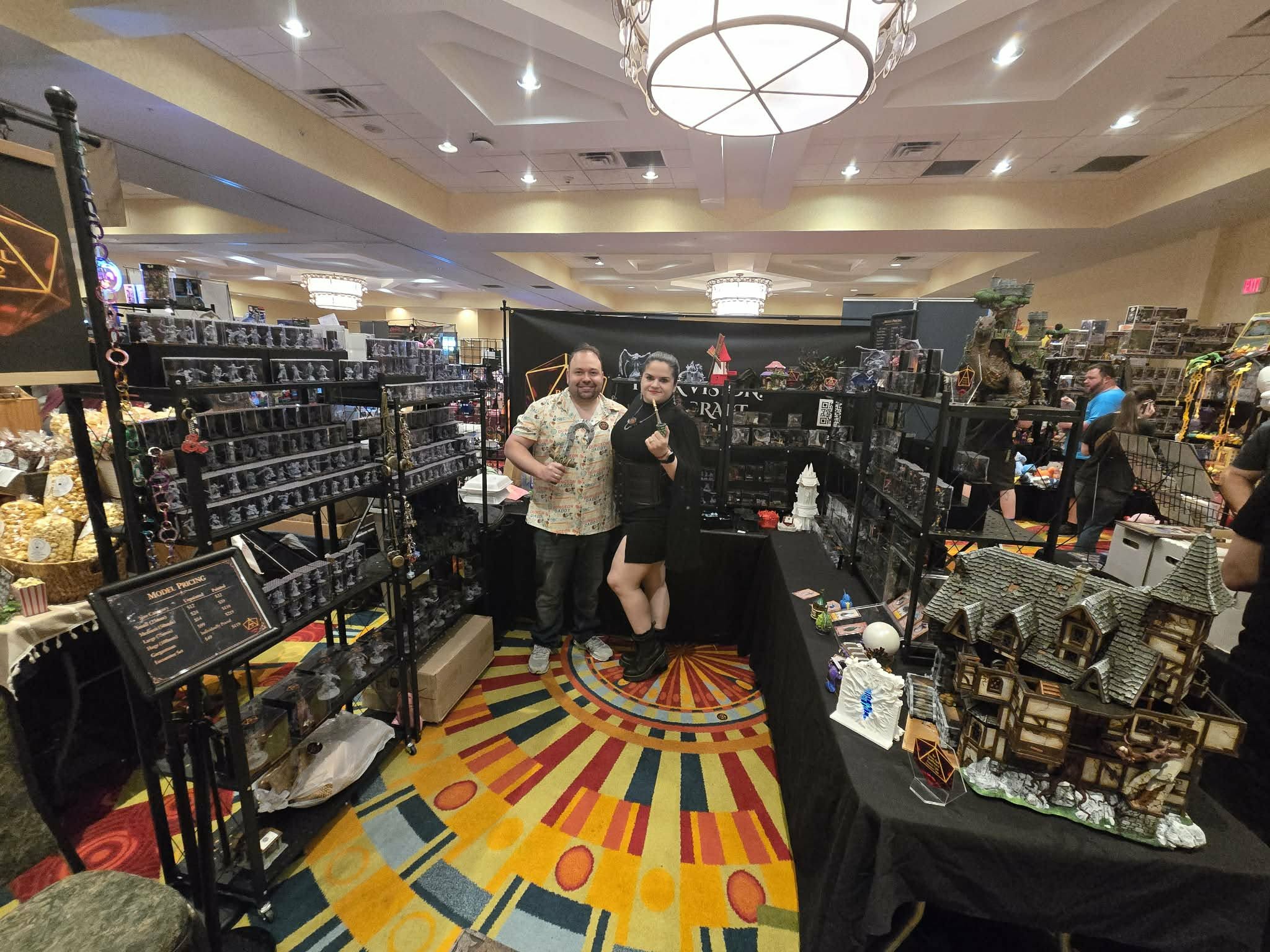
A big part of that started at the Ybor market. Selling there became more than just a way to introduce Roll 32 to people; it became something we genuinely enjoyed doing together. Setting up the booth, talking to players, meeting game masters, watching people pick up a miniature and immediately imagine a character or encounter — that experience helped shape the business. It was also good for us as a couple. Roll 32 gave us something creative, challenging, and exciting to build side by side.
The painting side of Roll 32 is led mostly by Marie. She comes from a family of painters and started with canvas, not miniatures. Painting something that small is a completely different skillset, and there was definitely a learning curve. But many hordes of monsters later, what started as a hobby became professional artisan tabletop work. Her painted pieces are now one of the things people recognize us for, and it has been incredible watching her style evolve from traditional painting into miniature storytelling.
What we are most proud of, though, is the full Roll 32 experience. The art is not only in the miniature itself. It is in the website, the booth, the packaging, the product presentation, the unboxing, the dark fantasy atmosphere, and the way everything is designed to feel like it belongs to the world of tabletop roleplaying. We built all of that from scratch, and we are still learning every day.
What sets Roll 32 apart is that we are not trying to make shopping feel like a transaction. We are trying to make it feel like the beginning of an adventure — something tailored specifically to TTRPG players, collectors, and game masters who want the physical pieces on their table to feel as epic as the stories they are telling.
Any advice for finding a mentor or networking in general?
For us, the best networking has come from simply showing up, talking to people, and being willing to learn.
We have done events and markets in places like Lakeland, Ybor, Orlando, and St. Pete, and one of the most valuable parts of those experiences has been meeting other vendors and small business owners. We have spoken with people who have been doing this for years, as well as people who are just getting started, and the biggest lesson has been not to be shy. Most people we have met have been open, friendly, and honest about their own ventures. They have shared what has worked for them, what has not, what is worth looking into, and how to connect with others locally.
That kind of insight is invaluable, especially when you are building something from scratch. You can learn a lot from people who are already out there doing the work.
At the same time, we think it is important to do your own research and understand your specific niche. What works for one business may not work for yours. A brick-and-mortar store, a convention booth, a local market, and an online shop all require different approaches, different investments, and different ways of reaching customers.
So our advice would be: talk to people, ask real questions, listen carefully, and be respectful of what others have learned. But do not copy someone else’s path blindly. Learn from it, then figure out what actually works for your own customers, your own products, and your own goals. Make your mark. Find out how to stand out from the others and make sure your prices are listed.
Pricing:
- Many unpainted miniatures start in the affordable single-mini range, with larger models, terrain, sets, and painted options priced according to size and complexity.
- Unpainted miniatures are available for players and game masters who enjoy painting their own pieces.
- Artisan-painted and customized options are available for customers who want table-ready miniatures.
Contact Info:
- Website: https://roll32.com
- Instagram: https://instagram.com/roll__32/
- Facebook: https://facebook.com/roll32miniatures/