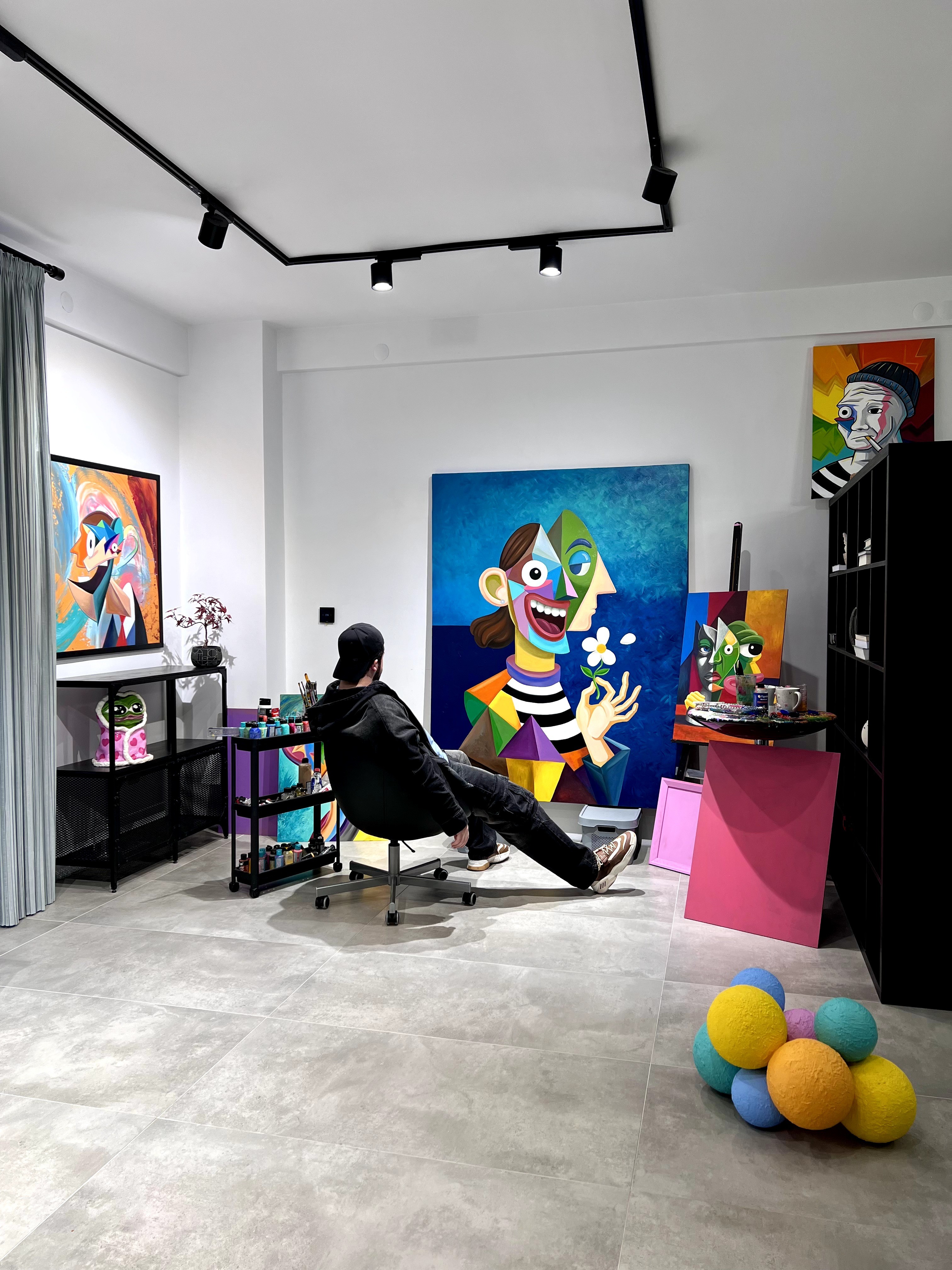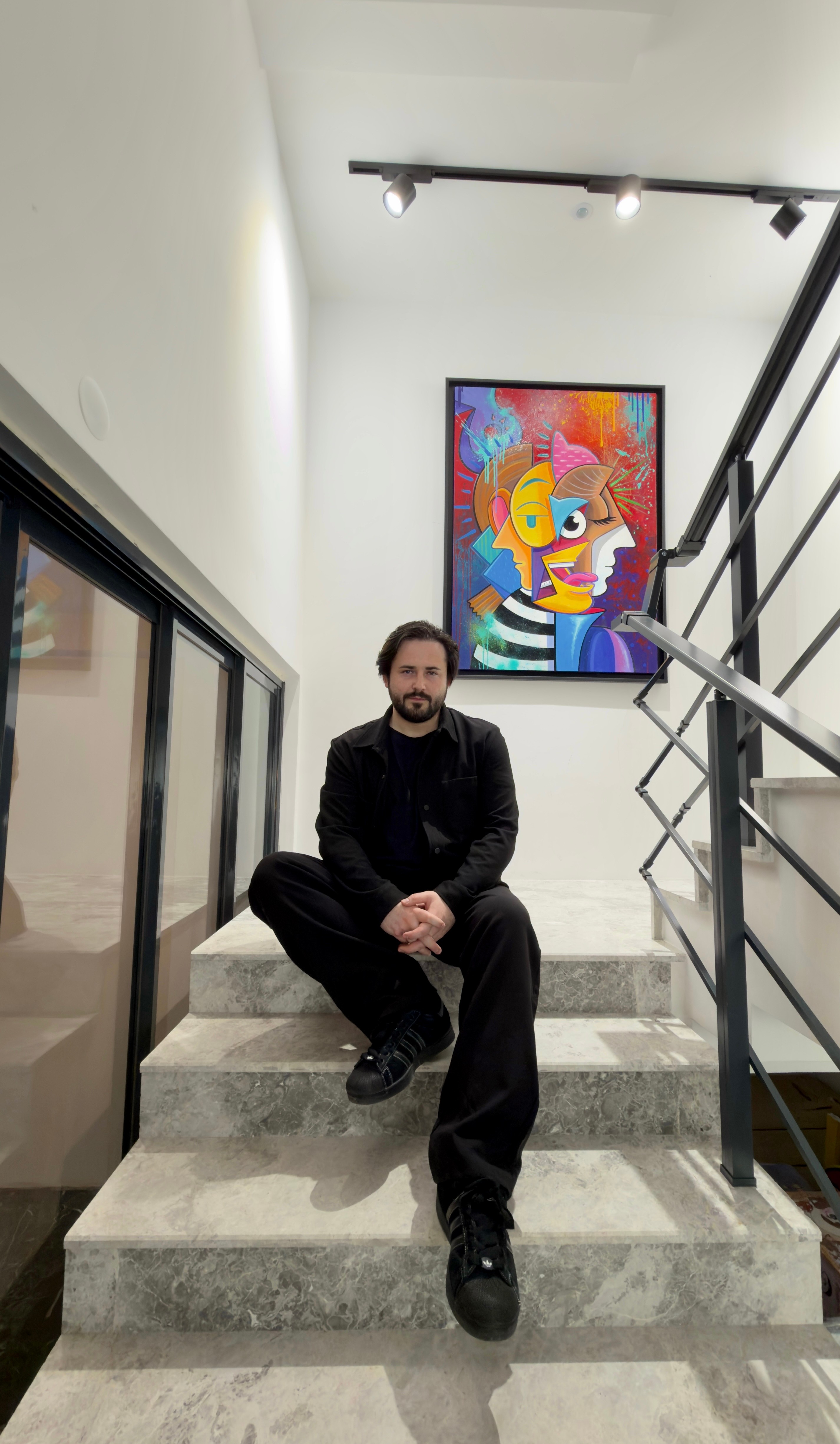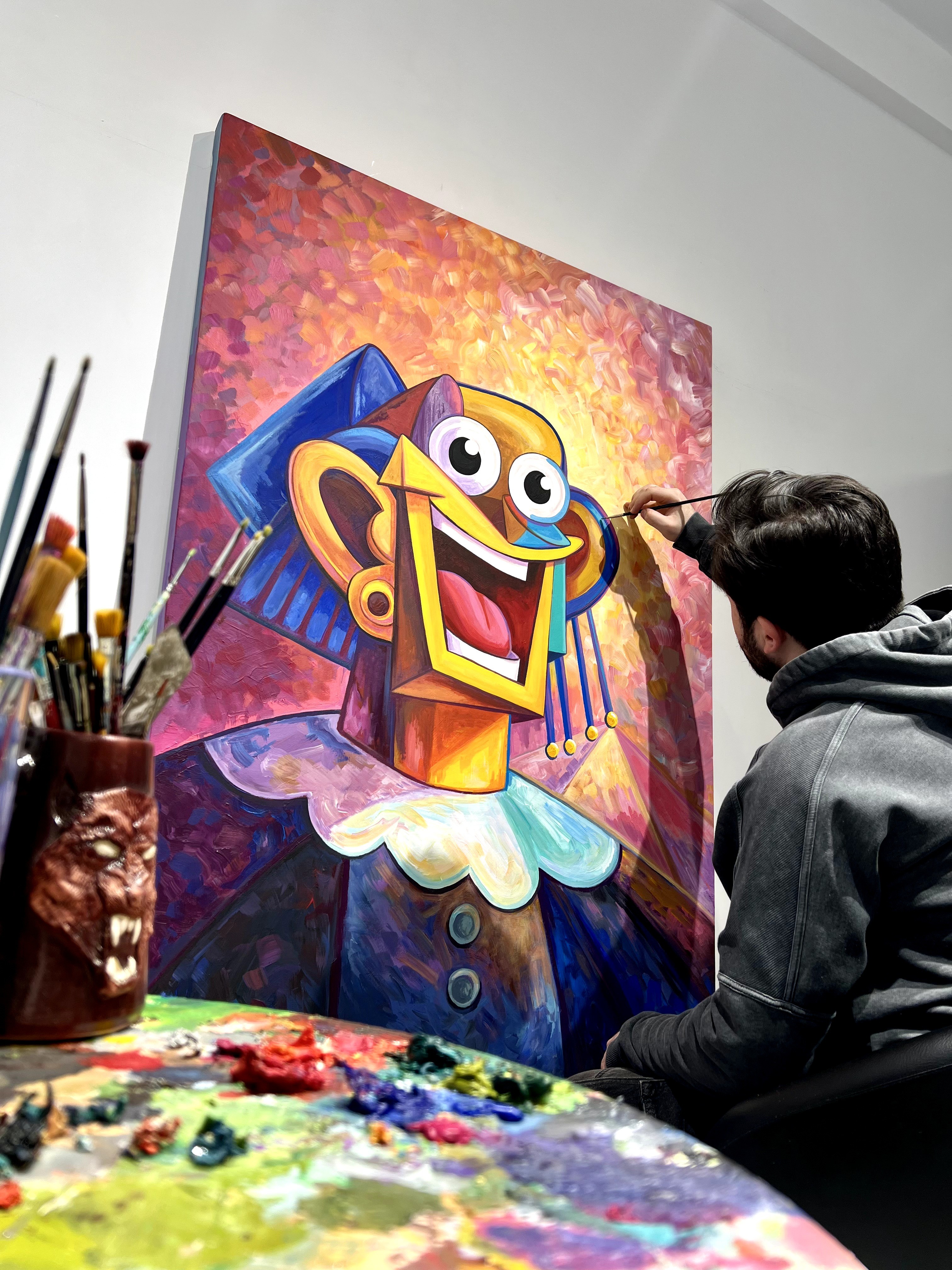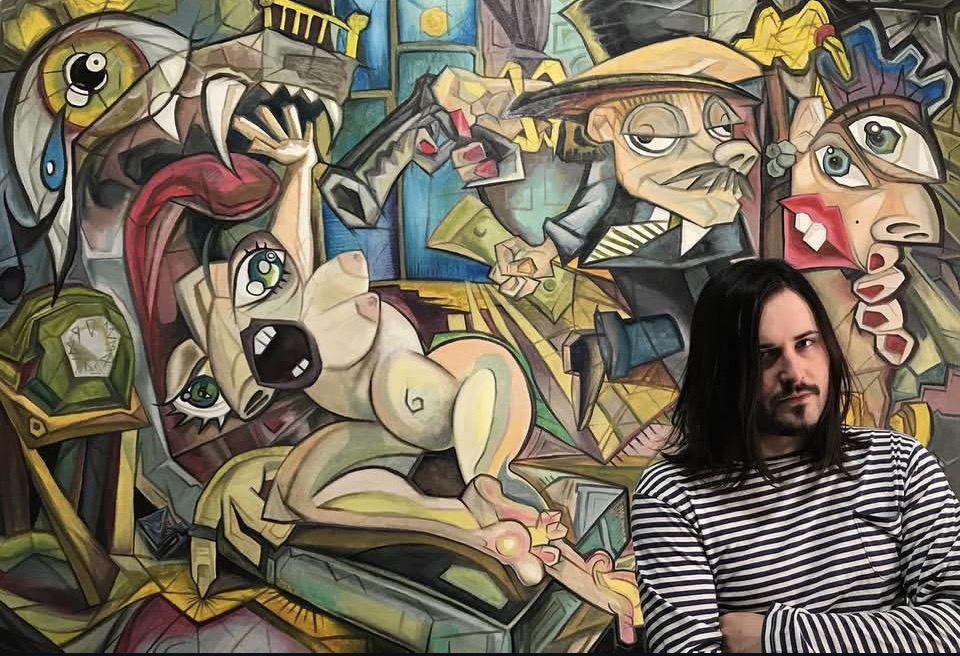




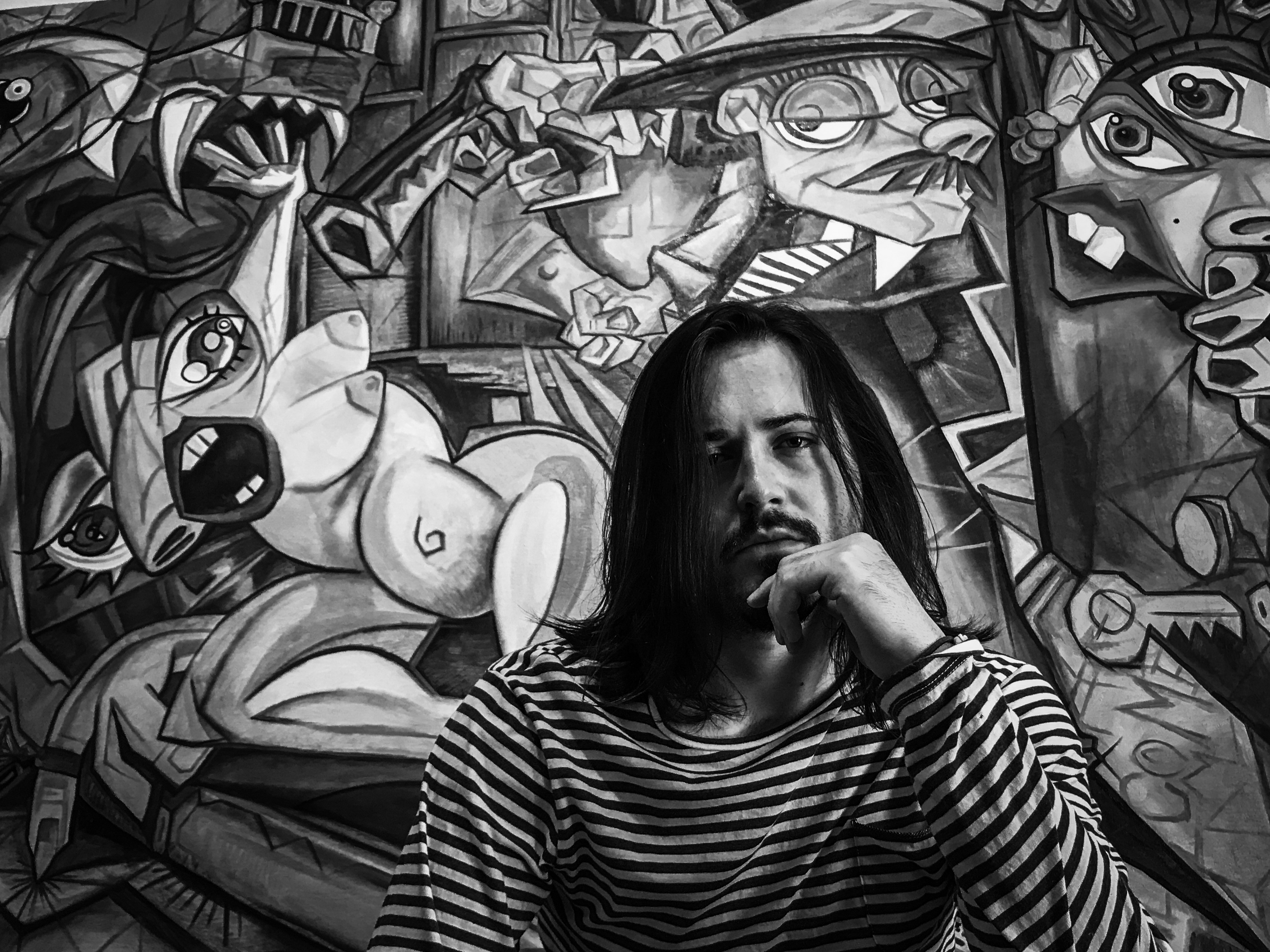
Today we’d like to introduce you to Melih Polat.
Melih, we appreciate you taking the time to share your story with us today. Where does your story begin?
My relationship with art goes back as far as I can remember. From a very young age, I was constantly drawing, creating my own characters, and finding ways to make things. Over time, I realized that this wasn’t simply a childhood interest; it was a natural part of who I was. That led me to pursue art academically, and I studied printmaking at the Faculty of Fine Arts at Anadolu University.
My university years were when I began searching for my own visual language. While studying printmaking, I was also deeply focused on oil painting, often spending my nights working on my own canvases. After graduating, I continued developing my practice professionally, and over time my work began reaching audiences beyond Turkey through galleries, art representatives, and collectors.
As my career evolved, curiosity led me into different disciplines. Alongside painting, I continued exploring sculpture, ceramics, printmaking, and digital art. With the rise of NFTs and digital art, I entered an entirely new creative space, and during my early years on Foundation, I became one of the platform’s Top 100 selling artists. That experience significantly expanded my international visibility and introduced my work to collectors from around the world.
Today, my works are held in private collections across more than 35 countries. But when I look back at the journey, what matters most to me isn’t the numbers or any particular milestone. I’m still creating with the same curiosity I had as a child, exploring different materials and continuing to develop my own visual language. I think I arrived where I am today not because of one defining decision, but because I kept moving forward for years without losing that sense of curiosity.
Would you say it’s been a smooth road, and if not what are some of the biggest challenges you’ve faced along the way?
Of course, I faced many challenges along the way. I actually entered the professional art world quite early. I was still in my first year of university when I continued producing work while also beginning to work with my first art representative. He had previously been a gallerist, and once I stepped into the realities of the art market with him, I quickly realized that many things were not as straightforward or ideal as they were often presented in art school.
Balancing my education with constant production, exhibitions, collectors, and the effort to build a career was exhausting. There never seemed to be enough time, and I eventually had to extend my university studies by two semesters. At the same time, I felt that I had to keep moving forward. I can barely remember a day from those years when I was doing nothing. There was always this need to create, along with endless research, reading, trying to understand the international art world, and searching for a visual language of my own. Making art was demanding enough, but taking it so seriously and allowing it to occupy so much of my life was a challenge in itself.
One of the biggest turning points in my career came during the pandemic. In 2019–2020, my art representative was planning to open a gallery in New York dedicated exclusively to my work, the Melih Polat Art Gallery. In preparation for it, I spent almost an entire year largely isolated in my studio, producing an extensive new body of work. Then COVID arrived, and suddenly the entire plan disappeared.
At the time, I saw it as a major loss. Looking back today, I’m not so sure. Perhaps not opening that gallery was actually better for my career. The idea of an entire gallery built around a single artist now feels somewhat limiting to me. Many of the works I created during that period eventually entered collections through different galleries, auctions, and art dealers anyway. Maybe the gallery would have been incredibly successful, or maybe it would have taken my career in the wrong direction. I’ll never know. Sometimes your career is shaped not only by the decisions you make, but also by the plans that never happen.
It was during that same uncertain period that NFTs and digital art entered my life. They helped me through a very difficult financial period, but more importantly, they pushed me toward an entirely new discipline. I immersed myself in digital creation, connected with collectors through both digital works and physical paintings offered through NFT technology, and my international network expanded very quickly.
Looking back now, I can see that some of the greatest challenges in my career also became the turning points that led me somewhere new. I think being an artist means learning to accept that you cannot control everything. Sometimes a plan you have spent years preparing disappears overnight, and another path you never anticipated suddenly opens in front of you.
And there’s a nice coincidence in all of this: today I have a significant number of collectors in the United States, and there are even five or six of my works in collections in Tampa. When I think about the journey from that unrealized New York gallery to where I am today, I sometimes feel that life has a way of drawing its own path for you.
As you know, we’re big fans of you and your work. For our readers who might not be as familiar what can you tell them about what you do?
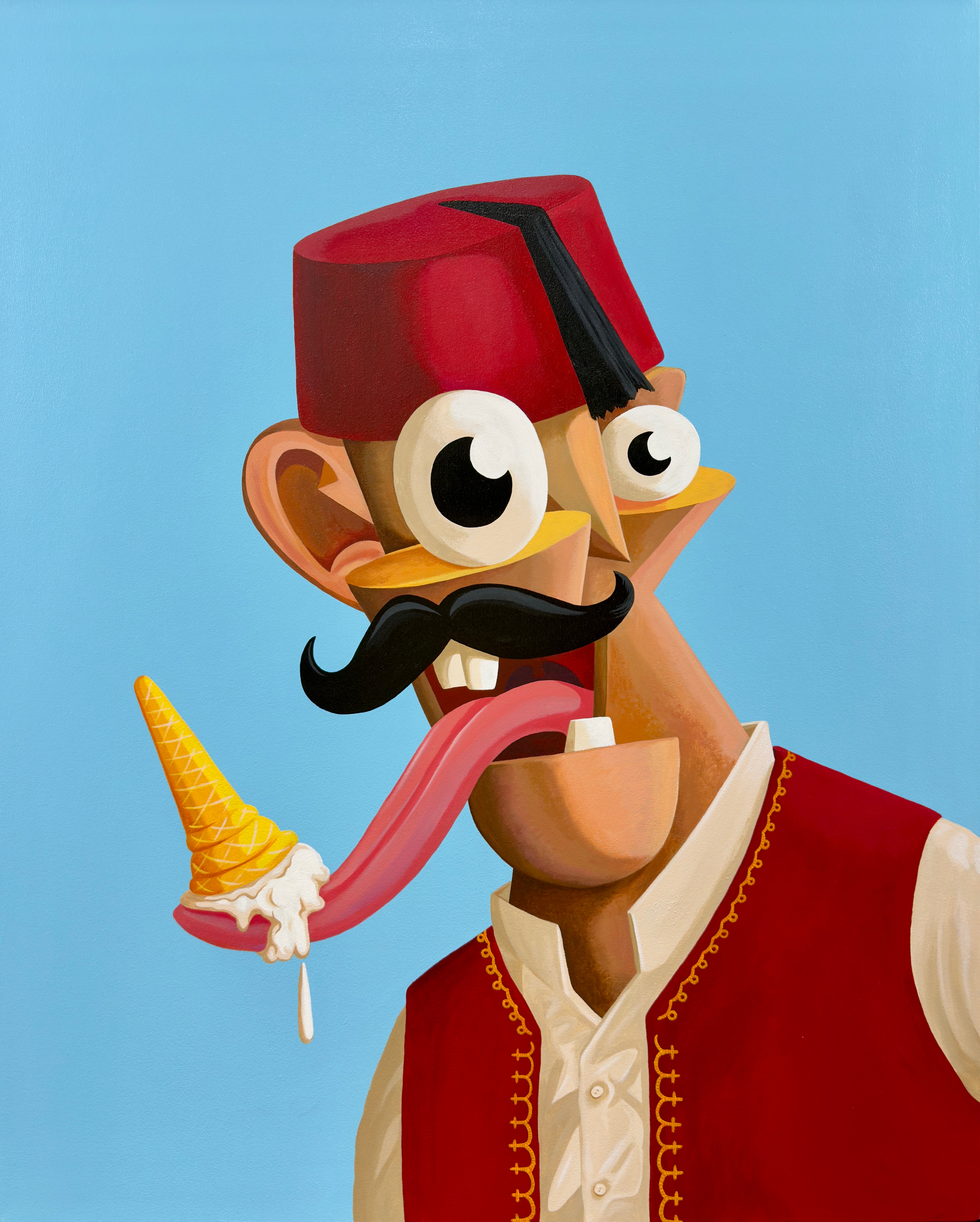
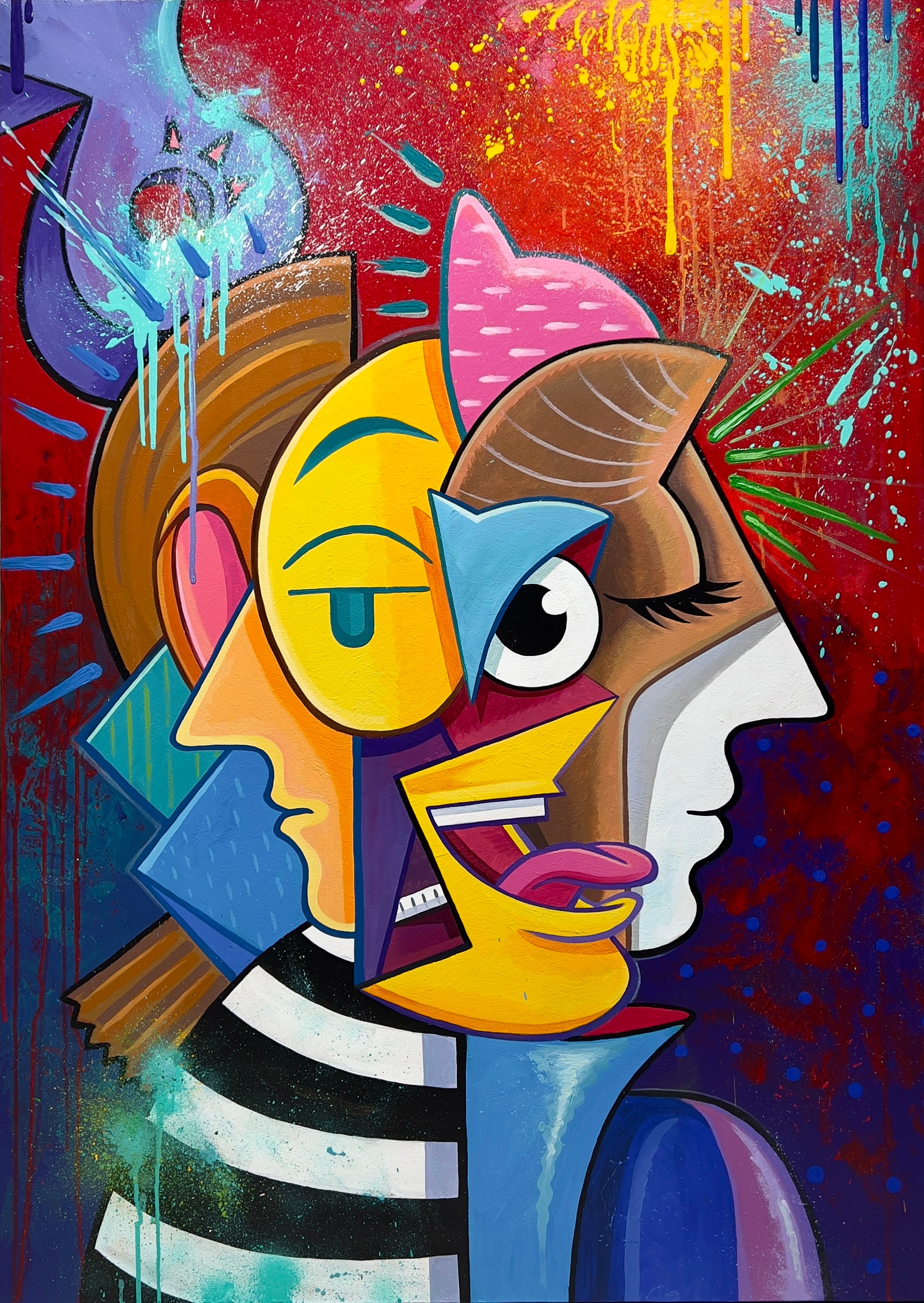
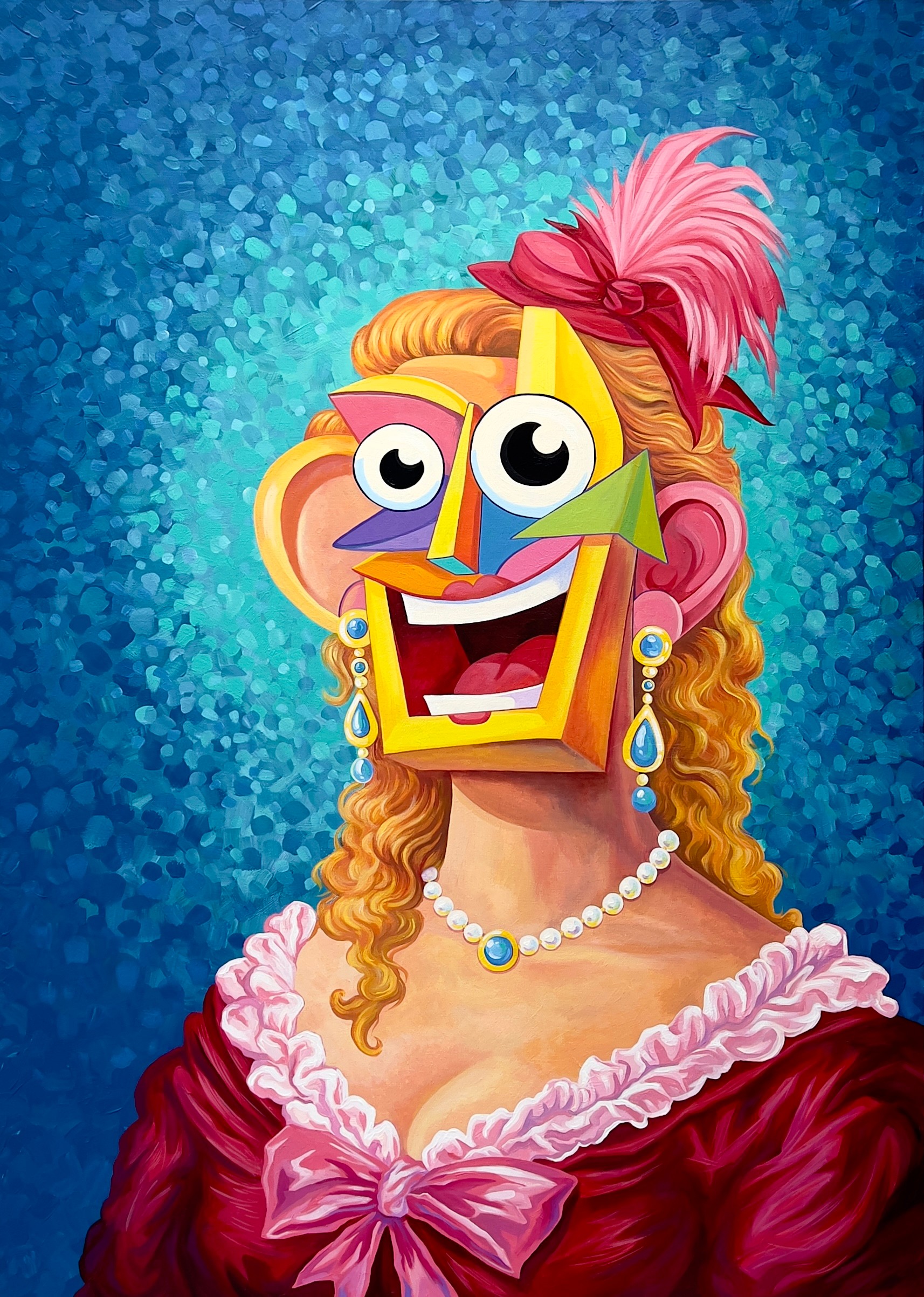
Today, painting sits at the center of my practice, but sculpture, ceramics, printmaking, and digital art are also important parts of what I do. In my paintings, I work with a visual language that moves between Surrealism, a neo-Cubist approach to form, and symbolic figuration. The human body, everyday objects, and familiar imagery are often fragmented, reconstructed, and given meanings different from those they carry in ordinary life. Color, for me, is not simply an aesthetic element either; it is one of the main tools I use to build the psychological atmosphere of a painting.
My earlier work had a much more distinctly Surrealist language. Over the years, however, the moment I realized I was becoming comfortable within that language, I chose to transform it rather than protect it. Fragmented forms, geometric structures, and a neo-Cubist sense of space gradually entered my paintings. Looking back, I think that evolution has been incredibly important to me, because I want my work to be recognizable, but I never want it to become predictable.
I think that’s what excites me most: building a visual language and then being free enough not to be afraid of losing or transforming it. I don’t want to be an artist who spends decades repeating himself within the same safe space. When I discover that something works, the idea of repeating it for the rest of my life makes me more restless than secure. If my curiosity is leading me somewhere else, I want to follow it. Sometimes that results in a new technique, sometimes an entirely different material, and sometimes a complete restructuring of my own visual language.
That’s also why what I’m most proud of isn’t a particular exhibition, sale, or career milestone. Of course, having my work enter collections in different parts of the world means a great deal to me. But what I’m truly proud of is having built, over the years, a visual world that feels unmistakably my own without allowing that world to become static.
I believe that developing a language of your own is important for an artist, but having the courage to question that language when necessary is just as important. There may be nothing safer than repeating myself, but there is nothing more exciting to me than rediscovering myself.
Can you share something surprising about yourself?
I think one thing people may not know about me is that my life has never revolved exclusively around visual art. In fact, as a child, I was quite seriously involved in sports. I played competitive football for about six years as a licensed player for one of Eskişehir’s long-established clubs, before eventually leaving football during my first year of high school.
After that, music became a major part of my life. During high school, I had an instrumental metal band with friends, and we even recorded a demo album together. Around the same time, I worked as an editor and art director for metal music magazines. I was also writing and directing short films, and later, playing the piano became another passion of mine.
Looking back, I don’t really see any of these experiences as completely separate from one another. The discipline of football, the rhythm of music, creating the visual identity of a magazine, storytelling through film… I think all of them somehow found their way into the way I create today.
Perhaps the surprising part is this: people know me today through my paintings, but behind those paintings there’s a little bit of football, a lot of metal music, a few short films, and a curiosity that never really went away.
Contact Info:
- Website: https://www.melihpolat.com
- Instagram: https://www.instagram.com/melihpolat.art