




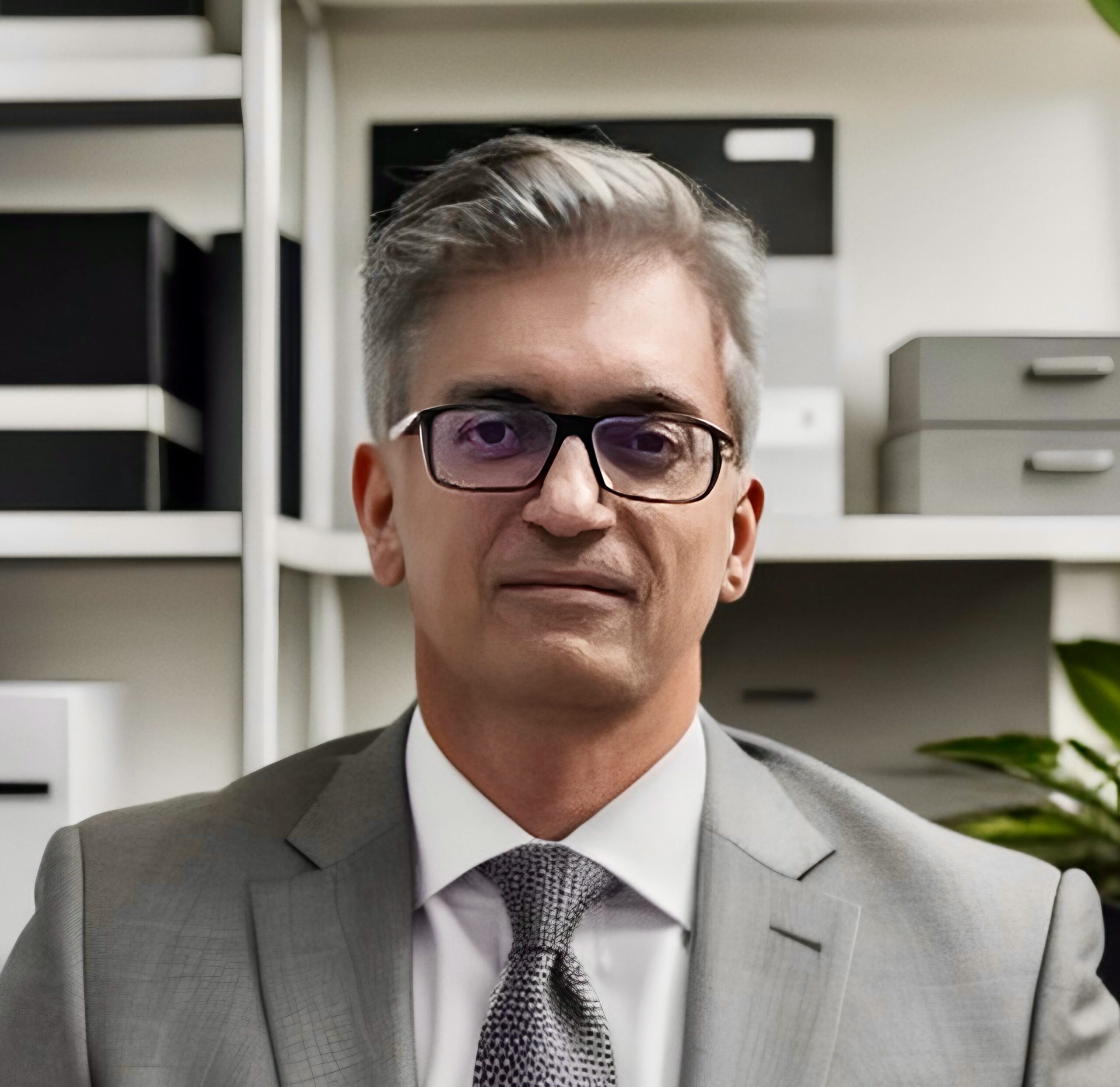
We’re looking forward to introducing you to Khalid Saeed, D.O.. Check out our conversation below.
Khalid, so good to connect and we’re excited to share your story and insights with our audience. There’s a ton to learn from your story, but let’s start with a warm up before we get into the heart of the interview. What is something outside of work that is bringing you joy lately?
Honestly, writing has been my biggest source of joy lately outside of work. After recently publishing “The Glucose Rebellion” and “Tilted”, I realized how much I love the process—not just the science and storytelling, but connecting with readers who see themselves in the pages. I’m already deep into my third medical book, and it’s been energizing to dive back into that mix of research, humor, and unfiltered honesty.
Can you briefly introduce yourself and share what makes you or your brand unique?
I’m Dr. Khalid Saeed, a board-certified physician and founder of Tampa Bay Concierge Doctor, a personalized, membership-based medical practice built around the idea that great healthcare should be accessible, unrushed, and tailored to you—not dictated by a crowded waiting room or a 7-minute appointment slot. My approach combines evidence-based medicine with the time and attention it actually takes to get to the root of health issues, whether that means managing complex chronic conditions or helping patients optimize their wellness.
Great, so let’s dive into your journey a bit more. What’s a moment that really shaped how you see the world?
One of the biggest perspective shifts in my life came when I went from being “the doctor” to also being “the patient.” Being diagnosed with Dysautonomia—and later Type 2 Diabetes—forced me to experience the healthcare system from the other side of the exam table. I suddenly understood the frustration of not being heard, the fatigue of navigating endless appointments, and the emotional weight of living with a chronic condition. It reshaped how I practice medicine. I became more focused on listening deeply, personalizing care, and cutting through the noise to give patients what they actually need to thrive.
If you could say one kind thing to your younger self, what would it be?
I’d tell my younger self, “Don’t give up—every challenge you’re facing now will one day become the fuel for how you help others. The setbacks, the self-doubt, the curveballs you never saw coming—they’re not just obstacles, they’re training. You’ll use every bit of it to connect with patients in ways you can’t yet imagine, to write books that speak to people living through the same struggles, and to build a life and career that blends your passion for medicine with your own lived experience. Keep going, because what feels like a detour now is actually the road that will take you exactly where you’re meant to be.”
Next, maybe we can discuss some of your foundational philosophies and views? What are the biggest lies your industry tells itself?
One of the biggest lies the healthcare industry tells itself is that more technology, more billing codes, and more metrics automatically equal better care. We’ve convinced ourselves that efficiency is the same as effectiveness, when in reality, the patient experience is often getting worse—not better.
Another lie is that the “standard of care” is always enough. Guidelines are important, but they’re built for averages, not individuals. Real life doesn’t fit neatly into checkboxes, and people aren’t algorithms.
And maybe the most damaging lie? That doctors and patients are on opposite sides of the table. In truth, we’re on the same team—but the system is designed in a way that often burns out the doctor and wears down the patient, leaving both frustrated. That’s one of the reasons I started Tampa Bay Concierge Doctor—to strip away the noise, the rushed visits, and the red tape, so medicine can get back to being what it should be—a partnership focused on the person, not the paperwork.
Before we go, we’d love to hear your thoughts on some longer-run, legacy type questions. What is the story you hope people tell about you when you’re gone?
I hope people say, “He truly cared—and he proved it in how he practiced medicine, how he wrote, and how he lived.” I want to be remembered as a doctor who listened without rushing, who fought for his patients in a system that often forgets them, and who used both science and humor to make complex health issues understandable and empowering..
If my books are still on someone’s shelf years from now—dog-eared, highlighted, and passed along to a friend—then I’ll know I left something that kept helping people long after I was gone. Ultimately, I want the story to be about connection, compassion, and showing that medicine works best when it remembers the human in front of it.
Contact Info:
- Website: https://tampabayconciergedoctor.com
- Instagram: dr.khalid.saeed
- Linkedin: khalid-saeed-do
- Facebook: khalid.saeed.693987