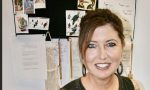




 Today we’d like to introduce you to Kendrick Henry.
Thank you so much for sharing your story and insight with our readers. To kick things off, can you tell us a bit about how you got started?
It started with a health issue. I had been diagnosed with IBS (Irritable Bowel Syndrome) at the age of 12 and had already been to the hospital many times, not able to go to the bathroom for weeks at a time.
But by the time I was 25, going to USF to complete my Master’s Degree in Architecture, I didn’t feel like a master of my body. So, I began to study herbalism. I came across Dr. Sebi who was talking about moringa and its medicinal benefits. The power of cleansing and detoxing to help regain the function of the liver with fiber and essential nutrients.
That’s when I got serious and for about 2 years, I embarked on a fasting journey. It started on Friday evenings, I wouldn’t eat until Saturday evening, only drinking moringa tea. Then, I began fasting every weekend on moringa tea and water alone. Then, I would do 1 week a month on moringa tea and water. Then, I did several 10-day, 18 days, and ended with a 30-day moringa tea and water fast. By that time, I had no issues going to the bathroom and I haven’t had any issues since. Essentially cleansing my colon and liver to full function, with the help of moringa.
That’s when I opened my Plant Nursery. Not knowing what to start selling, I planted every seed that I ate and began painting my van with my new logo at the beach. A family that owned a plant nursery came over and asked if I would visit their place. Once I did, I left that day with a little side hustle job while completing the Architecture program. It was great to get the mentorship because their main suggestion was to just get my top 5 plants to sell.
Keep it simple. There are a lot of plants out there, so they asked, what would be my number 1? I replied, Moringa! That’s when they offered to gift me 80 moringa trees they had leftover from their last job, in return for the day’s work. At the end of the day, I took those 80 trees and began knocking on people’s doors in Tampa asking if I could plant a tree in their yard. They said for what? I said, it’s food, and I could come to harvest the greens and sell the products I make at the farmers market. Many agreed and one of them asked, ‘Is this a Co-op?’ I didn’t know what that meant at the time, but I replied “I guess it is.”
Once I graduated with a Master’s Degree in Architecture in 2016 from USF, I sold my vending machine business. During that time in school, I would take my federal grant/loan money from each semester and would buy vending machines in locations and I built up a route of over 31 vending machines around Tampa and St. Pete, buying them in locations already cash flowing. It was a good daily cash flow and a convenient schedule to service the machines between classes. Buying sodas and candy at Costco, Sam’s Club, or BJ’s.
So, once I sold those machines I could be a full-time market farmer. The trees I had planted about 1 year prior were producing and now I had a route of trees I could harvest during the week, dry the greens, make teas and powder and supplements for the weekend markets. Tampa Bay has an amazing farmers market culture and I became known as the Moringa Man. Once I chose moringa, to this day, I haven’t even really grown or sold anything else. It’s always been and will be my number 1.
That’s when I started to organize a legally recognized co-op. I attended Cooperative Entrepreneurial courses at Pinellas Technical College and had been attending markets for about 2 years. I had planted thousands of moringa trees in over 300 locations throughout Tampa Bay and St. Pete, each property calling me to come to harvest their trees when they got too big. I would harvest, dry, and package the leaves for tea and other handmade moringa products.
That’s when John Kohler, from Growing Your Greens spotted me at the Hyde Park Farmers market and said he’d like to interview me. The crazy thing was that I had just moved from my small retail store in St. Pete to the very nursery I worked for. They offered to sell me the property, and that’s where I am today. Doing a rent-to-own on the 2.5-acre property in Plant City that I worked at 10 years ago. Once John Kohler’s video was released at the start of the pandemic, I had more than $10,000 worth of orders coming in a week.
That’s when I started getting attention from across the USA with my YouTube channel and with an official co-op registration in place, someone officially signed up, but they were in Las Vegas. That was an issue because a co-op can only have members in the same state that the co-op is registered. My cooperative mentor said that I couldn’t have members outside of Florida. So, I closed that Co-op business and opened a Collective.
A collective is a management company for co-ops. Now, my collective has over 400 members across the world. Learning and Growing Moringa with my help, in the private members area. We use my book, “Grow Moringa The Ultimate Guide” as the curriculum and base to help others start their Moringa businesses.
We all face challenges, but looking back would you describe it as a relatively smooth road?
It has not been a smooth road. Although I have stuck with moringa this entire time in the plant business (10 years), there have been several ups and downs throughout each season.
Farmers markets can be fun but the weather is a huge factor, it has to be perfect for a good turnout. If it’s rainy, or too cold or too hot, it can affect sales. There are hurricanes and storms that I have to dodge in the summer. There are frosts and cold snaps that I have to prepare for in winter.
There are high demands during the year and supply may be low at that time because moringa is a tropical tree, but most sales happen in the winter, or there may be an influx of product and not the demand in the summer. The school season plays a role in sales, holidays, and the state of the economy.
I’m constantly adjusting the offers and pricing. I’m always creating new content to keep up with trends and be relevant. I’m sending emails and text messages, creating shorts, reels, and TikTok to be on every social media platform. I’m learning how to be a marketer. I’m an architect, building a community, and need to sell that to the potential members.
Starting, I was living in a house and managing an Airbnb. I was promoted to super host. I created an experience around visiting me, growing and harvesting fresh food from the backyard for the visitors and making dinner, sharing the evening with guests. It was fun but not fulfilling as I wanted to have more freedom.
So I moved out and rented a small store in St. Pete and lived out of my van and the store for 2 years, essentially homeless, before getting offered to buy the property I’m on now. Even now, It is not an easy road. Having to clear the whole property and build a moringa farm from scratch, alone.
There have been several challenges with the house and also the direction of the company. I feel like I’m finally getting a feel for the business and what I can and cannot do. What I want to do and what I don’t want to do.
Mostly learned about boundaries and promises as a business owner. Learning sales and marketing and trying to figure out how to put all the systems in place to make it all work like a well-oiled machine.
The hardest thing I’ve ever done was write my book. Grow Moringa, The Ultimate Guide. It took 4 years and it still needs another edit. I’m glad that it’s finished, now on Amazon and my website sells a few copies a day.
One of the most challenging experiences I’m facing now is people. I’m not in the Moringa business, I’m in the business of people and managing hundreds of people in the collective, who are like children, not knowing how to plant a seed, need guidance and reassurance that they can start a moringa business like me.
Then, of course, there are the workers. Directly working with me to make the products. When I turn around, they’re not doing things the way that I asked, instead they’re doing it their way or another way that I didn’t even think they would do. Managing people is a skill to master and I am on the road to taking that challenge head-on because getting out of the solopreneur mindset into a CEO entrepreneur mind can be the most rewarding when others are working in sync with the beat of my drum.
Thanks – so what else should our readers know about your work and what you’re currently focused on?
Most people get confused that an Architect does math. We don’t. We’re artists.
Creating the concept of the space, using art, emotion, and feeling, and expressing the concept of a new building or space in drawings, sketches, and poems. It’s more of a theoretical and psychological exploration into creating a building. All the other technical things come in when structural engineers come into the mix.
I started my scholastic career thinking that I wanted to build the space station. So I got accepted to the number 1 aeronautical university in the country. Embry-Riddle in Daytona Beach. My major was aerospace engineering and I thought that I would be able to use my creativity in the classroom.
I’m left-handed and was always in band practice or the art room, becoming the number 1 tenor sax player in the State of Maryland by the age of 13, with several of my artworks in the governor’s mansion, winning several art completions and art.
But, I failed out of Embry-Riddle within 2 years and I spent the next 2 years wondering what I would do while attending community college. Not giving up, my parents said that maybe architecture is where my heart is, and I began the most amazing journey of becoming an artist and creative person made me very happy.
To this day, my projects are on display at USF and my portfolio has been on the director’s desk, when new students come in he says this is what you are striving for. Showing them my thesis project.
I designed a network of rooftop beehives that would be installed on the building in downtown Tampa. The concept is still a passion of mine to make a reality, and as I get a little more stable with my collective business, I’d love to revisit that artistic side.
The crisis has affected us all in different ways. How has it affected you and are there any important lessons or epiphanies you can share with us?
Yes, that’s it important to be resilient, resourceful, and prepared for anything.
If everything shut down tomorrow, I know that I’d be okay because I grow food and have a relationship with nature, to be able to find edible weeds, honey bees, and a network of others that would also be able to help in times of need.
Pricing:
- Grow Moringa Collective Membership: $1,000 one-time payment or make 4 yearly payments of $250 or 40 monthly payments of $25. No further payments after reaching $1,000 in the member account.
- Paperback book: $48
- E-book: $9.98
- BioBox: $54
- Moringa Microgreens Kit: $38
Contact Info:
- Website: https://growmoringa.com
- Instagram: https://www.instagram.com/wegrowmoringa/
- Facebook: https://www.facebook.com/growmoringa
- Linkedin: https://www.linkedin.com/company/grow-moringa/
- Twitter: https://twitter.com/GrowMoringa
- Youtube: https://www.youtube.com/channel/growmoringa