




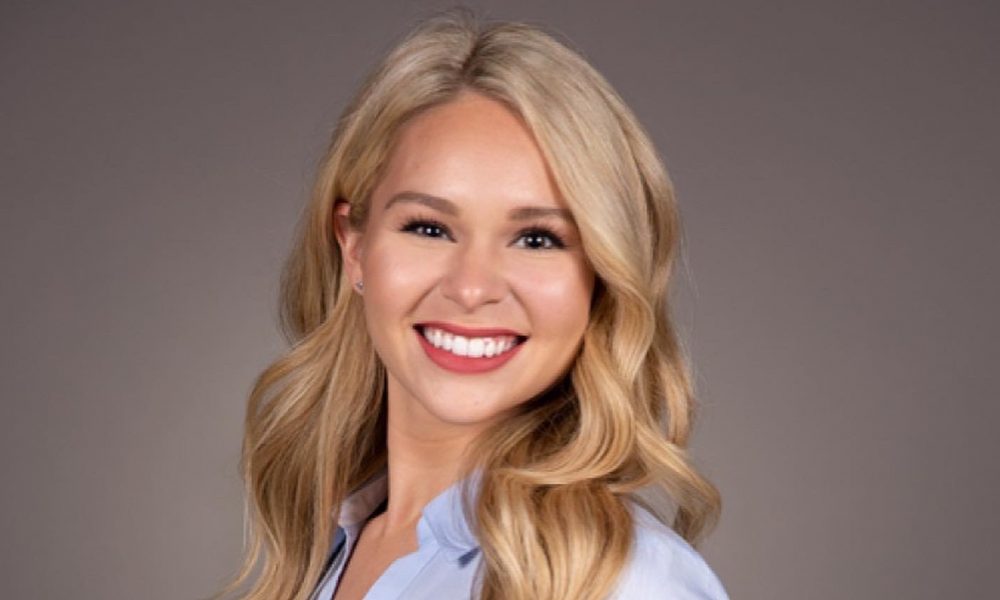
Today we’d like to introduce you to Jacqueline Sineway.
Hi Jacqueline, please kick things off for us with an introduction to yourself and your story.
Growing up, I knew fairly early on that I wanted to be a physical therapist. I started dancing when I was about five years old, and for the rest of my life, I was drawn to how the body works in complex ways to produce beautiful movement. Continuing into high school, I then expanded my physical interest beyond dance into yoga, Pilates, and weight training and have been hooked on exercise ever since. When I took my first Human Anatomy course, I felt a sense of “knowing” that I wanted to dedicate the rest of my education to muscles, bones, nerves, joints, ligaments, tendons, tissues, and how to help people rehabilitate and optimize function of their bodies to improve pain and quality of life through exercise, hands-on treatment, body awareness, training in functional daily life activities, and sport. It all just made so much sense to me!
Nothing was going to get in my way of getting into a Doctorate of Physical Therapy program, and I exceeded the basic entry-level requirements of most programs trying to learn as much as possible about the profession, shadowing and working as a physical therapy tech at various clinics in different settings, volunteering with a special needs dance program and as a Human Anatomy teacher’s assistant, and earning multiple certifications in Pilates and Spinning group exercise to prove my love for movement and rehabilitation. While working at a Women’s Health and Pelvic Rehabilitation clinic, I used my knowledge and experience of Pilates and the core muscles to assist with exercise progressions for patient treatments. I started to learn more about the pelvic health physical therapy specialty, which for those unaware, broadly treats all things pee, poop, sex, and pain. Yes, you have muscles “down there” controlling all these things!
During my time in my Doctorate of Physical Therapy (DPT) program at the University of North Florida, I became especially interested in furthering my knowledge about Pelvic Health. I completed my first continuing education training in pelvic PT while I was still a second-year student so that I would be able to participate in an internship with a Pelvic Physical Therapist. My professor even asked me to lecture to my cohort on my newly-gained pelvic floor knowledge, since Pelvic PT is not included in our typical DPT curriculum as it is such a niche specialty. After my internship, I knew I had found my calling as a Pelvic PT – I applied to a one-year, post-doctoral residency program to prepare me to sit for my boards exam in Women’s and Pelvic Health.
One long and rigorous year later, I became a Board-Certified Pelvic Health Physical Therapist and began working at an outpatient clinic. Fast forward to COVID-19. The pandemic forced many of my colleagues and peers to explore other options in physical therapy as so many people were being laid off or furloughed. For some, this meant forming their own businesses. Although my position at the clinic was stable, I was ready for a new challenge – a private practice side-hustle. Alas, Better Pelvis, LLC, my concierge pelvic physical therapy practice, was born in May of 2021. I provide specialized treatment to empower people, improve their quality of life, and deliver high-quality pelvic physical therapy care the way that I feel everyone deserves.
Can you talk to us a bit about the challenges and lessons you’ve learned along the way? Looking back would you say it’s been easy or smooth in retrospect?
Struggles; not necessarily, I wouldn’t call it that. Learning experiences; absolutely. Starting a business is definitely not something I thought I would do this early on in my career. I thought, well, I must need at least 5 years of experience (or something) to be qualified to even think about starting a private practice. What I have learned is that no one knows what they’re doing, especially in the beginning, regardless of experience level, and that’s okay. It is all learned, absolutely, through doing. Owning and running a business is not taught in physical therapy school. At all. What has been the greatest help to me is having a supportive family of entrepreneurs to help guide and encourage me along the way, so I’m extremely thankful to have not gone at it alone. I probably wouldn’t have if it weren’t for my family and PT colleagues’ influences. My sister (an entrepreneur) ingrains in me to continue to treat people well and remain authentic, and my mom (also a former entrepreneur) preaches that “attitude is everything.”
As you know, we’re big fans of Better Pelvis. For our readers who might not be as familiar what can you tell them about the brand?
Better Pelvis is a concierge pelvic health physical therapy practice serving the Tampa Bay area. We provide mobile, one-on-one physical therapy visits in the privacy and convenience of your home, by a Board-Certified Pelvic Health Doctor of Physical Therapy. Dr. Jacqueline Sineway, PT, DPT, WCS spends at least one hour with every single patient, and it is her passion to get to the root of your impairments to find lasting relief. Pelvic health physical therapy covers a wide range of physical concerns for all genders with pelvic floor dysfunction, including: urinary incontinence (leaky bladder), urinary symptoms, pelvic or abdominal pain, GI and bowel symptoms, orthopedic pain (low back, hip, tailbone), sexual dysfunction or pain, prolapse, pre and postpartum, diastasis recti, post-laparoscopic surgery concerns, and more. More than half of us will deal with pelvic floor issues at some point across our lifespan. These issues are extremely common, but not normal, and can be improved or resolved with PT treatment. Our mission is to empower people to confidently live the lives they deserve.
In terms of your work and the industry, what are some of the changes you are expecting to see over the next five to ten years?
Pelvic health physical therapy is not a new specialty by any means, and thanks to TikTok and Instagram, people are gaining much more awareness about its existence. These topics can be taboo and rarely talked about, and therefore people do not get the help for issues that are often times very straightforward to address with pelvic PT treatment. People (and even many MDs) aren’t aware that it exists or what we do to help people. As conversation and awareness continues to be brought about by social media, I see a much-needed shift approaching towards pelvic PT becoming standard care to prevent and treat pelvic floor dysfunction, as it is in other countries.
Contact Info:
- Email: betterpelvis@gmail.com
- Website: www.betterpelvis.com
- Instagram: https://www.instagram.com/betterpelvis/