



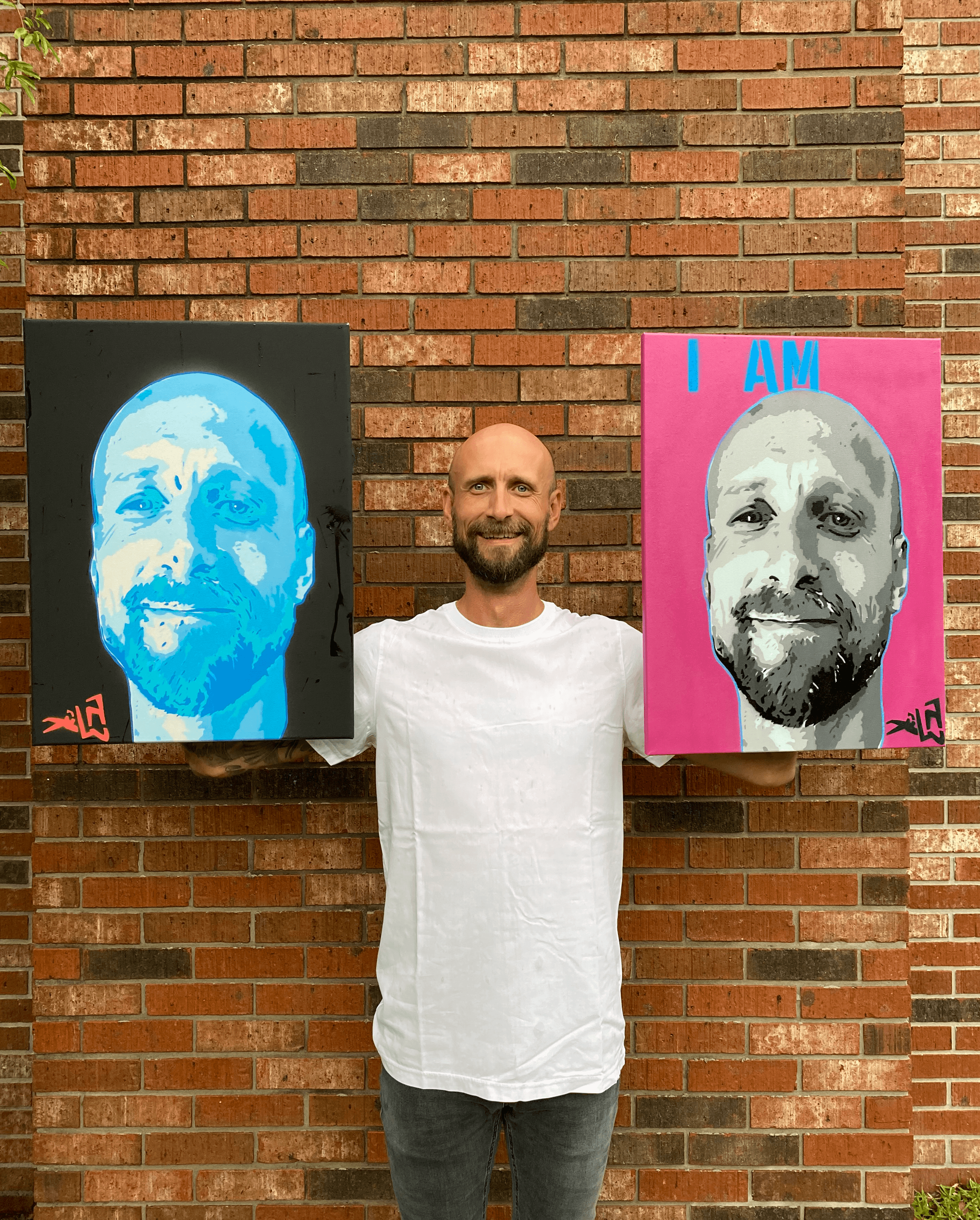
Today we’d like to introduce you to Denis Laszczok.
Hi Denis, so excited to have you on the platform. So before we get into questions about your work-life, maybe you can bring our readers up to speed on your story and how you got to where you are today?
It started when I was around 13 or 14, back in Europe. I got into graffiti, just being drawn to walls, letters, the whole culture around it. From that point on I never really stopped painting. It became a constant in my life, no matter what else was going on.
When I moved to Tampa, something shifted. I started painting on canvas and putting my work in front of a wider audience for the first time, instead of just the streets. And Florida turned out to be the perfect place for that step. Street art and pop art have been getting more and more popular here and there’s a real openness to this kind of art form in this region that I hadn’t necessarily felt everywhere else.
From there it’s been about building things up piece by piece — finding my first clients, putting work out there consistently, and slowly building a small base of collectors who actually connect with what I’m doing. That part means a lot to me. It’s one thing to paint for yourself, it’s another when someone decides your work belongs in their space or their collection.
I’m still very much in that building phase — growing the client base, getting the work seen by more people — but every step so far has confirmed that this is the direction worth pushing further.
Alright, so let’s dig a little deeper into the story – has it been an easy path overall and if not, what were the challenges you’ve had to overcome?
No, it hasn’t been smooth. I don’t think it ever really is for an artist.
One of the biggest struggles has been creating visibility, especially online. Painting the work is one thing. Getting it seen is a completely different skill set: building an audience, figuring out how to present the work, staying consistent on social media. Nobody teaches you that as an artist. It took a lot of trial and error to figure out what actually works.
On top of that, I’m still building an actual brand around the work, instead of just posting random pieces. Giving it a clear identity and consistency so people recognize it is still very much a work in progress.
The other big challenge is balance. I have a job and a family, and art doesn’t pause for either of those. Finding the time and energy to paint, build the brand, engage online, and still show up for my job and my family is the hardest part day to day. It all has to happen in the same limited hours.
Can you tell our readers more about what you do and what you think sets you apart from others?
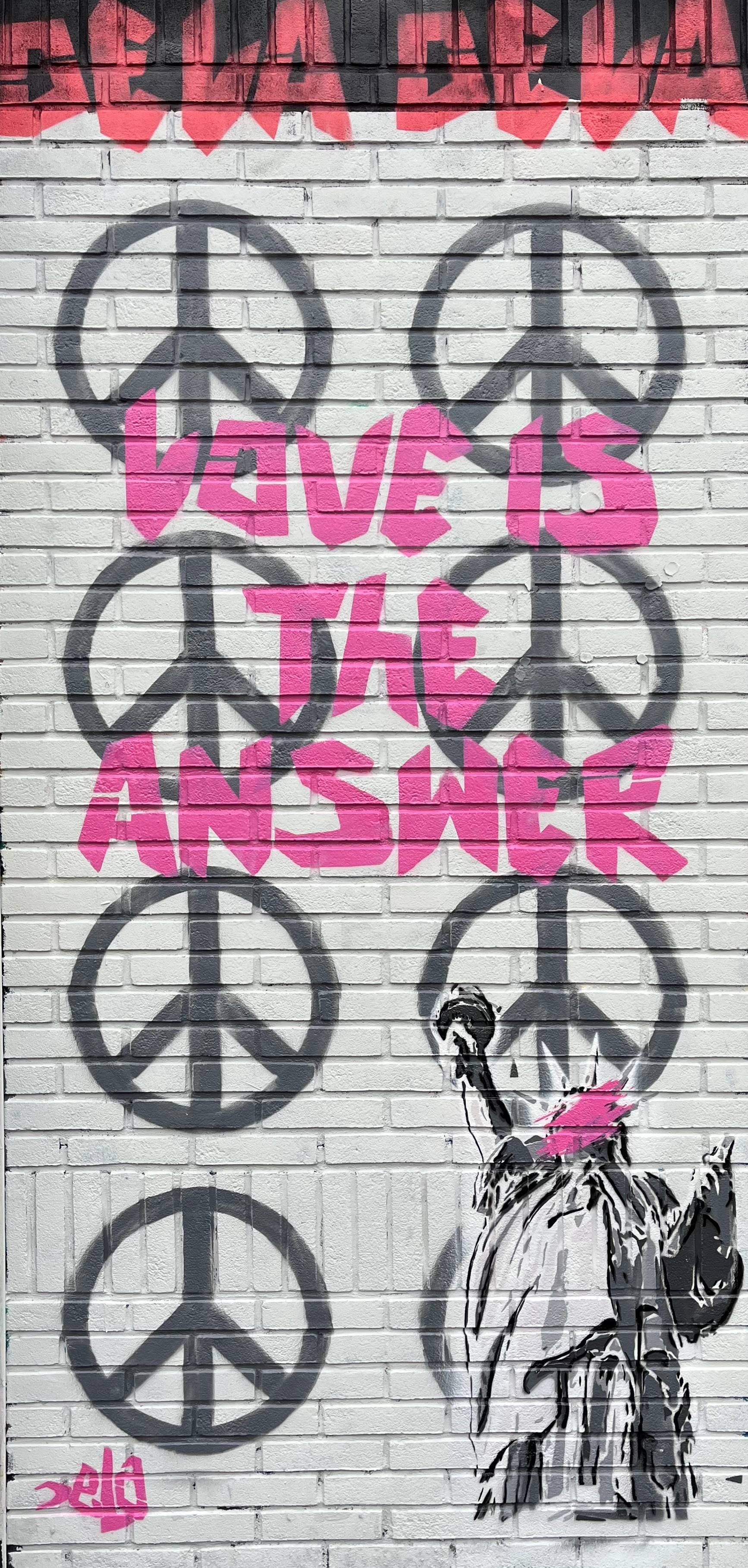
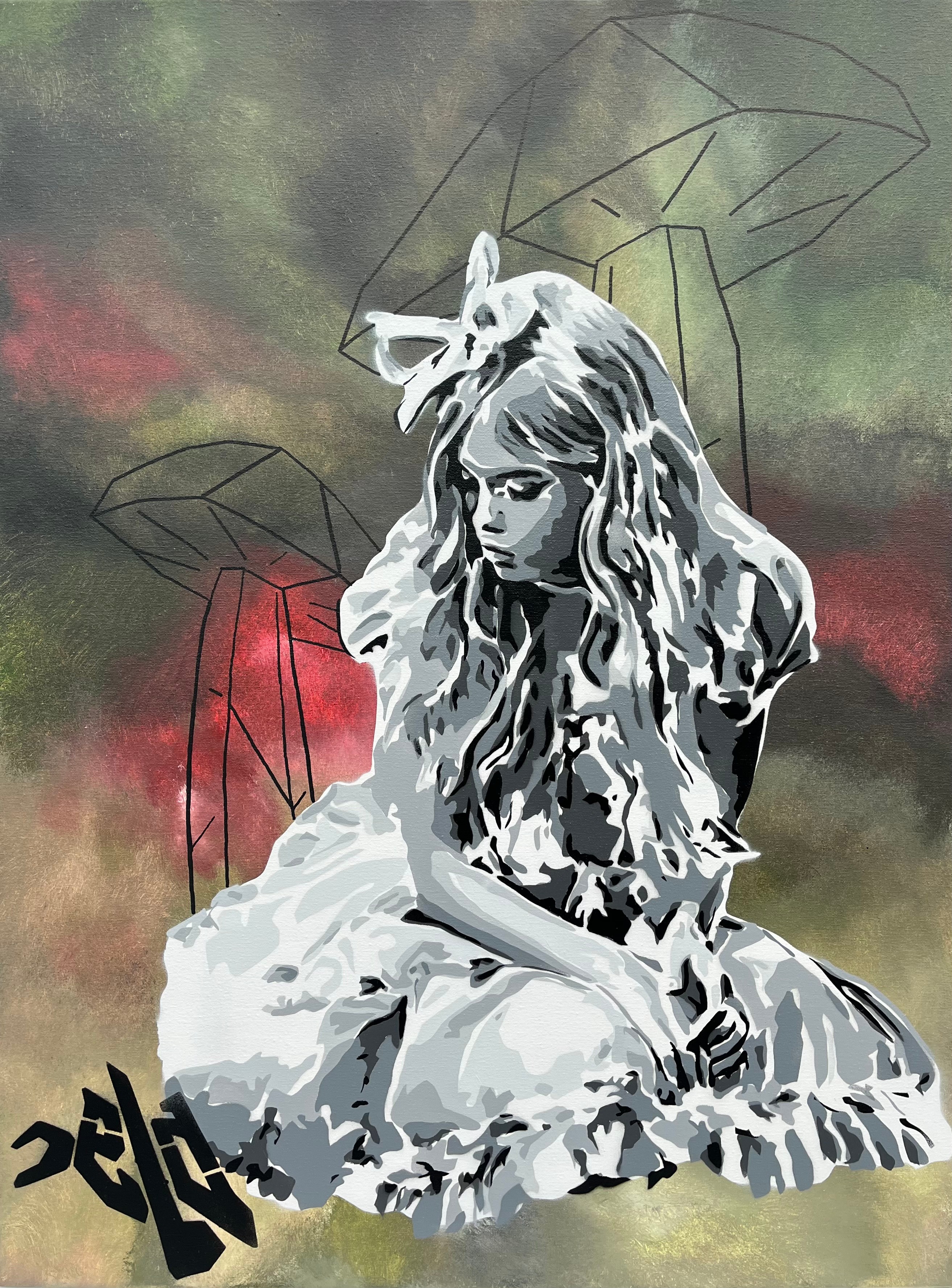
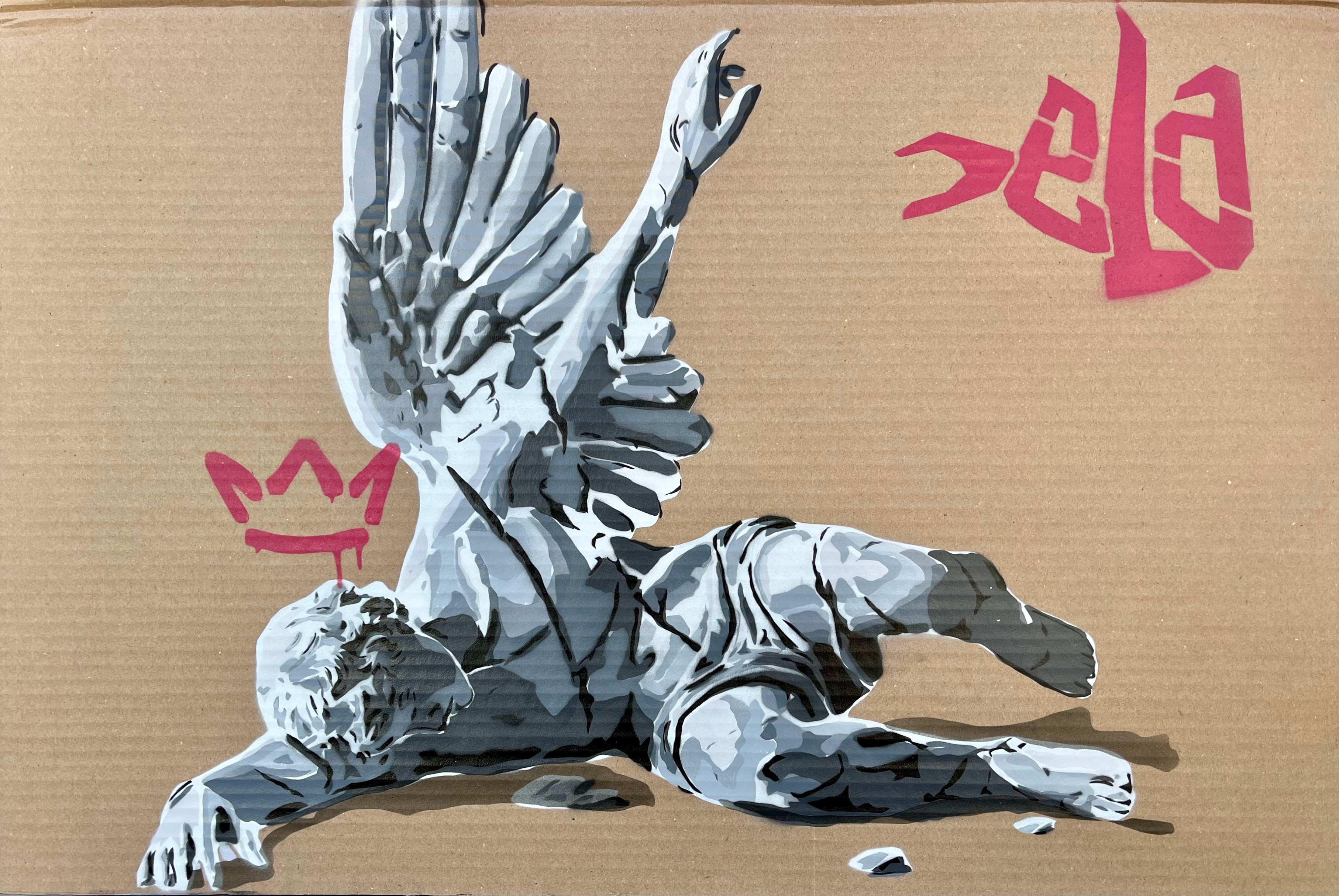
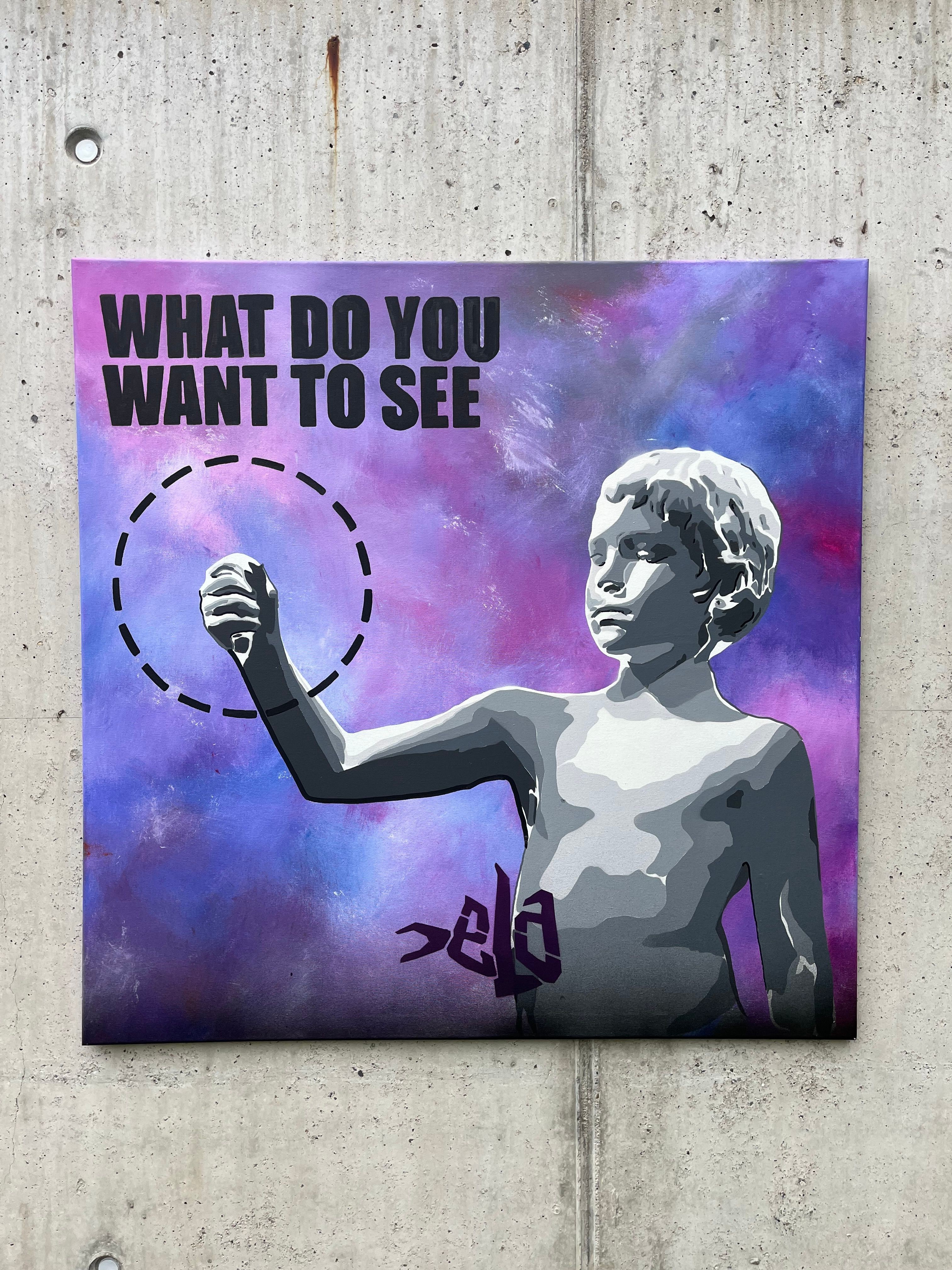
I work across spray paint, acrylics, marker and chalk to create what I call urban fine art. I’m self-taught, coming from a graffiti background and my work sits at the intersection of street culture and fine art rather than fully in one or the other.
What I specialize in is taking traditional objects and infusing them with street art elements: intricate multilayered stencils, bold colors, techniques that come straight out of graffiti but applied to surfaces and formats you wouldn’t normally associate with it.
I’m known for blurring that boundary between urban culture and fine art. A lot of what I do is about illuminating connections between the physical and the metaphysical world, using visual language that comes from the street but points toward something bigger than the street.
What I’m most proud of is that the mission behind the work has stayed consistent: creating urban fine art for everyone, not just for a gallery crowd or a graffiti crowd specifically. Seeing collectors from completely different backgrounds connect with the same piece is proof that it’s working.
What sets me apart is probably that I don’t try to make the work look clean or finished in the traditional fine art sense. The multilayered stencils, the rawness, the visible process, that stays in the final piece on purpose. It’s fine art, but it doesn’t hide where it came from.
How do you define success?
Success for me isn’t a number or a title. It’s collectors choosing a piece and deciding it belongs in their space or their life. That means more to me than any follower count or sale on its own.
And beyond that, success means being able to do what I love and having the freedom to actually follow that dream. Not everyone gets the chance to build something around what genuinely drives them, so the fact that I can pursue this at all is already a win in my eyes.
Contact Info:
- Website: https://www.delaartist.com
- Instagram: https://www.instagram.com/dela.artist
- Facebook: https://www.facebook.com/denis.laszczok
- Youtube: https://www.youtube.com/@dela.artist