



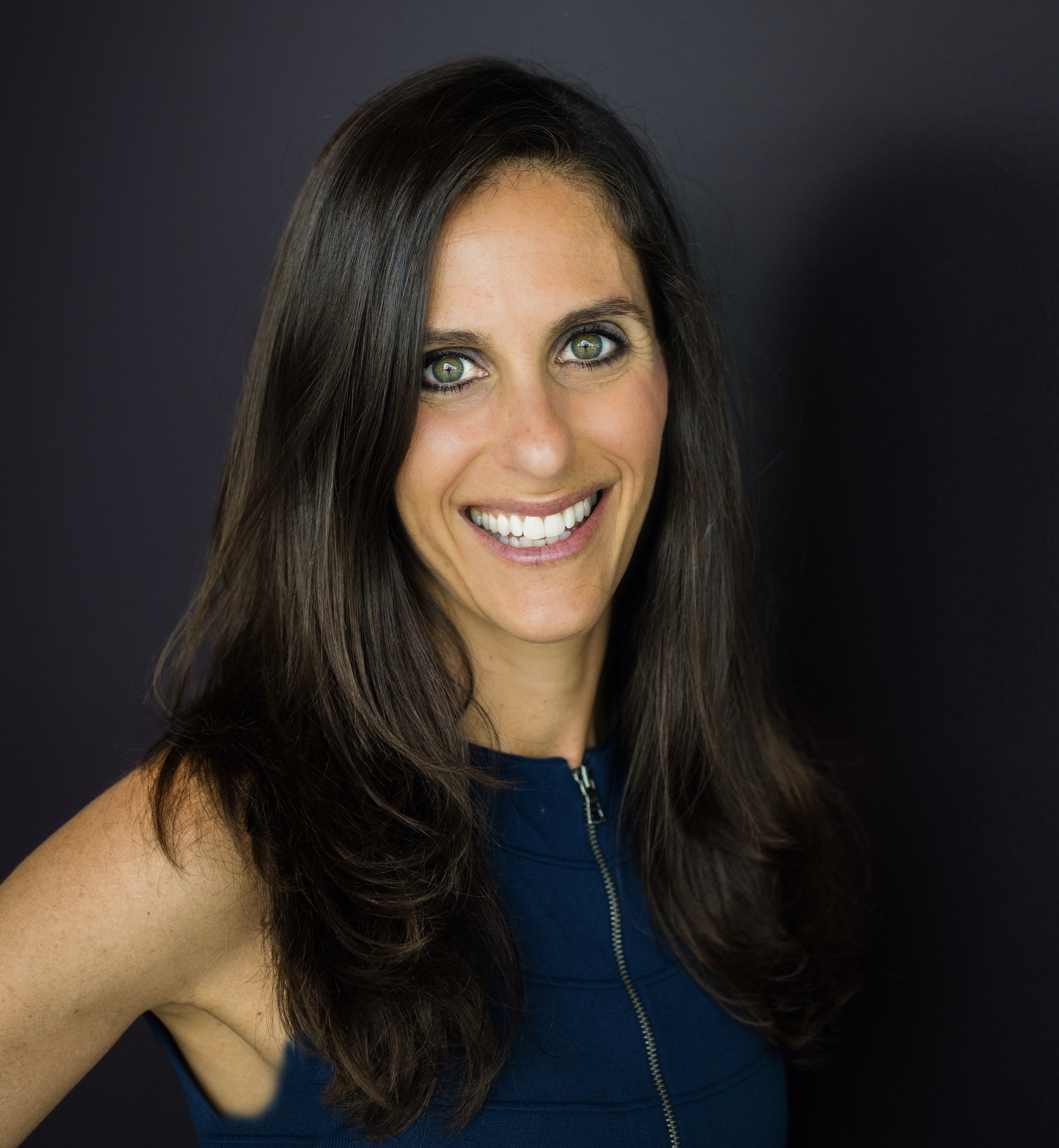
Today we’d like to introduce you to Allison Geller.
Hi Allison, so excited to have you with us today. What can you tell us about your story?
My interest in communication began early. My father was a college professor who taught public speaking, and from a young age, he emphasized the importance of clear, intentional communication. Growing up with those ideas made me especially aware of how communication style and delivery shape understanding and credibility.
That awareness became deeply personal when I watched my grandmother, who learned English as a second language, struggle to be understood and, at times, be dismissed because she spoke differently. Seeing how communication shaped the way others treated her left a lasting impression on me.
After completing my fellowship, I worked as a medical speech-language pathologist with adults experiencing cognitive, voice, and swallowing disorders. The work was fast-paced and high-stakes, and I saw firsthand how communication could directly affect outcomes, trust, and quality of life. Over time, I also began to notice a gap. Many capable professionals outside the medical setting faced communication barriers that limited how they were perceived or heard, yet they did not fit within traditional speech therapy models.
That realization led me to create Connected Speech Pathology. Drawing on my clinical background, I built a practice that bridges evidence-based speech therapy with real-world professional communication coaching. Today, my team and I provide virtual speech therapy, accent modification, and communication coaching to individuals around the world, helping them communicate with clarity, confidence, and credibility.
Would you say it’s been a smooth road, and if not what are some of the biggest challenges you’ve faced along the way?
Overall, the experience has been incredibly rewarding, though growth has come with moments that required quick adaptation. Connected Speech Pathology was already fully remote and serving clients worldwide before COVID, but the pandemic dramatically accelerated demand for virtual services. That surge created pressure to scale quickly while protecting the clinical quality, consistency, and individualized care that define our work.
Meeting that moment required building systems, expanding the team, and making leadership decisions in real time. It also meant learning to set clear boundaries around growth, delegate intentionally, and resist the pressure to scale at the expense of quality. That period permanently changed how I approach growth and leadership.
Great, so let’s talk business. Can you tell our readers more about what you do and what you think sets you apart from others?
What sets Connected Speech Pathology apart is that we are a niche practice focused on how people communicate at a high, functional level across real-world contexts. Our work goes beyond traditional professional communication coaching because we also address the underlying speech, voice, fluency, and cognitive-communication factors that influence how someone is heard, perceived, and understood.
Because our team is clinically trained in areas such as voice production, fluency, articulation, executive functioning, and neurodiversity-affirming communication, we can work with clients more comprehensively and precisely. This allows us to support communication not just as a performance skill, but as a system that can be assessed, trained, and strengthened over time.
That clinical depth is what allows our professional coaching to be both practical and effective. Whether we are working on leadership presence, accent clarity, gender-affirming voice, or confidence in high-stakes conversations, our approach is grounded in how communication actually works, not surface-level techniques or one-size-fits-all strategies.
What I am most proud of, brand-wise, is that we have built a practice known for thoughtful, ethical, and individualized work. Clients come to us because they want real change, and they stay because our approach respects both their goals and their identity.
Can you talk to us about how you think about risk?
I don’t think of myself as a risk-taker in the traditional sense. I tend to approach decisions thoughtfully and with a strong respect for preparation, quality, and long-term sustainability. For me, risk is less about bold leaps and more about making informed choices when there is enough clarity to move forward.
That said, building a fully remote, globally serving practice before virtual care was widely accepted was a meaningful risk. At the time, many people questioned whether high-quality speech therapy and professional communication coaching could be delivered effectively online. I believed it could be done well if the work was grounded in strong clinical training, clear systems, and accountability. The rapid growth that followed during the pandemic validated that approach, but it also reinforced the importance of being intentional rather than reactive.
Looking ahead, I think about risk as a tool for growth rather than something to avoid. I’m open to taking risks that support innovation, expand access, and allow the practice to evolve thoughtfully, while staying grounded in the standards and values that define our work.
Contact Info:
- Website: https://connectedspeechpathology.com/
- Instagram: https://www.instagram.com/connectedslp/
- Facebook: https://facebook.com/connectedspeechpath
- LinkedIn: https://linkedin.com/company/connected-speech-pathology
- Twitter: https://twitter.com/ConnectedSLP
- Youtube: https://youtube.com/@connectedspeechpathology

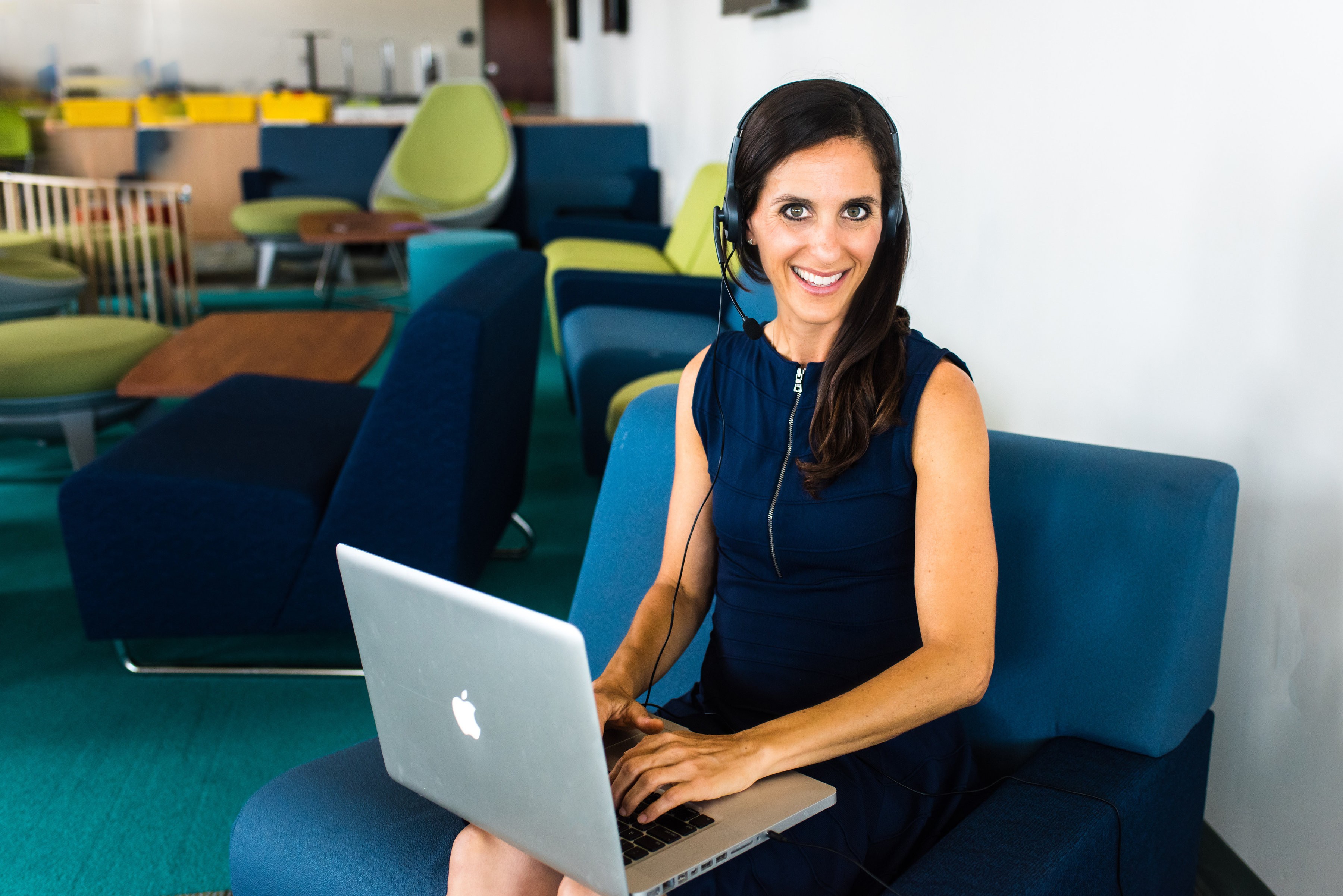
Image Credits
Maggie Fuller Photography
https://www.maggiefullerphotography.com/