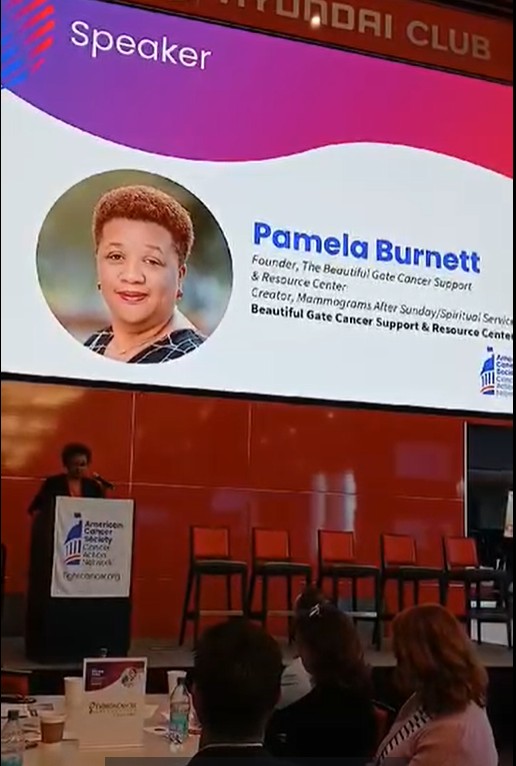



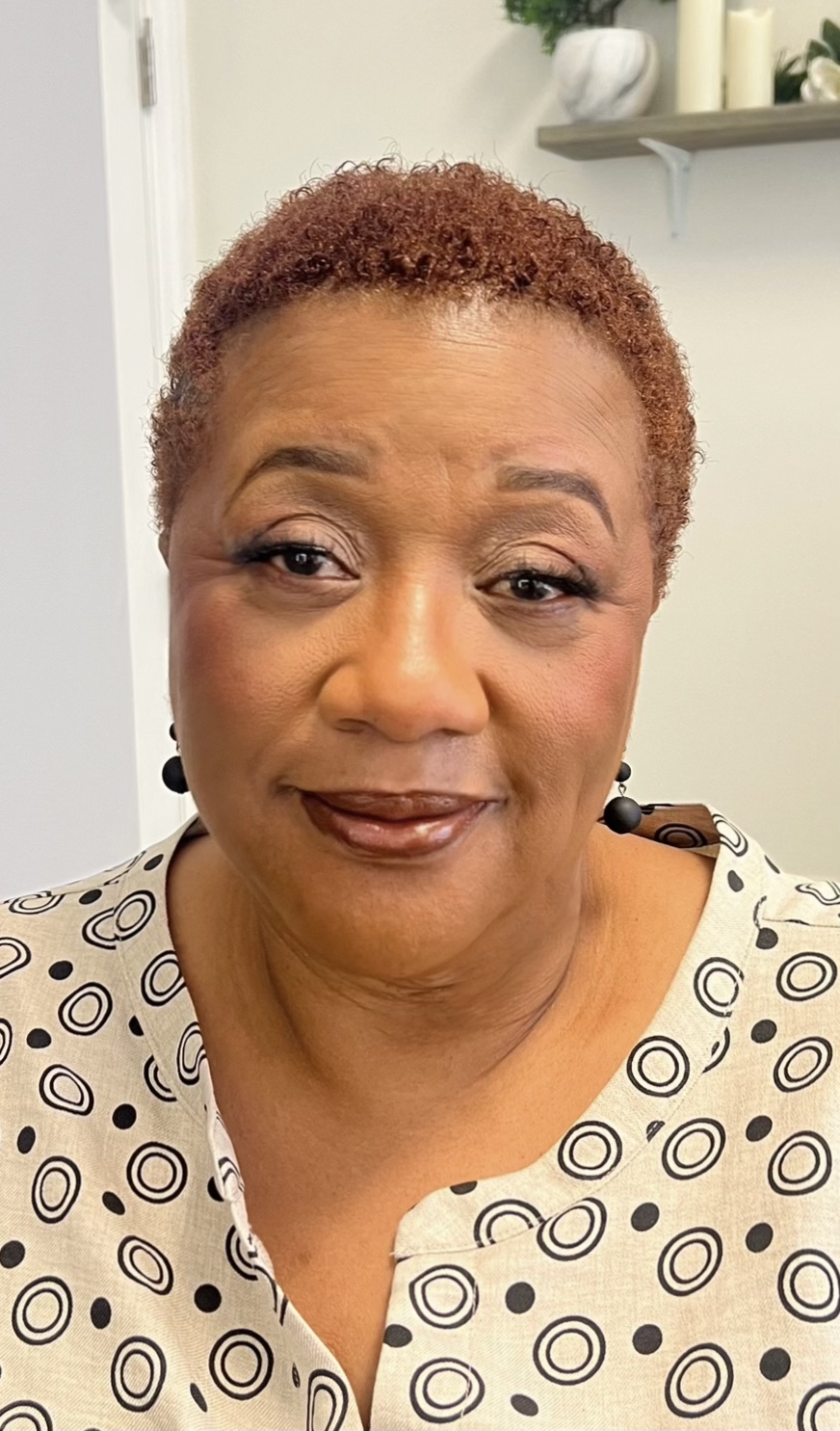
Today we’d like to introduce you to Pamela Burnett.
Hi Pamela, so excited to have you on the platform. So before we get into questions about your work-life, maybe you can bring our readers up to speed on your story and how you got to where you are today?
My story unfolds with a cancer diagnosis that came as a shock after months of routine checkups and reassurances. The disbelief was immediate, rooted in a history of regular healthcare and a long series of mammograms, each one promising that all is well. When the words “You. Have. Cancer.” finally came, they shattered that sense of security. The disbelief was overwhelming.
What followed was a grueling series of treatments. I endured forty-five rounds of radiation. A small wound refused to heal, leading to a persistent staph infection. This complication ultimately required the removal of my breast. Later, a reconstructive surgery attempt failed, adding to the pain and anxiety I was already feeling. Each medical setback layered fresh emotional wounds, bringing up memories of childhood abuse and compounding my trauma.
That burden was not just physical. Emotionally, the struggle was relentless. I hid my suffering behind a mask of bravery, turning to alcohol to dull the pain, desperate to maintain composure for those around me. The constant strain led to a breaking point—a crisis marked by thoughts of giving up. Salvation came in the form of a timely call from my therapist and a chance encounter with a stranger holding a sign that read, “Repent.” That encounter snapped me out of despair and gave me the courage to finally face my trauma honestly in therapy.
Healing through therapy was neither quick nor easy. It took weeks, if not months before I could truly open up. The work was slow and difficult. All the while, my physical fight continued. The staph infection lingered. Depression and unresolved pain weighed heavily on me. Just as I began to recover from spinal surgery—one of two over the past decade—a memory study MRI revealed brain lesions. The new diagnosis: Multiple Sclerosis (MS). Each diagnosis felt like another blow.
Over time, therapy and faith nurtured resilience within me. The biblical image of Jesus calming the storm became a guiding metaphor, helping me find peace amid chaos. Through both professional help and spiritual growth, I learned that my own voice could be powerful in my recovery. This personal transformation was a turning point. As I grew stronger, I began to see that my healing was not just for myself. It inspired me to help others faced with similar struggles.
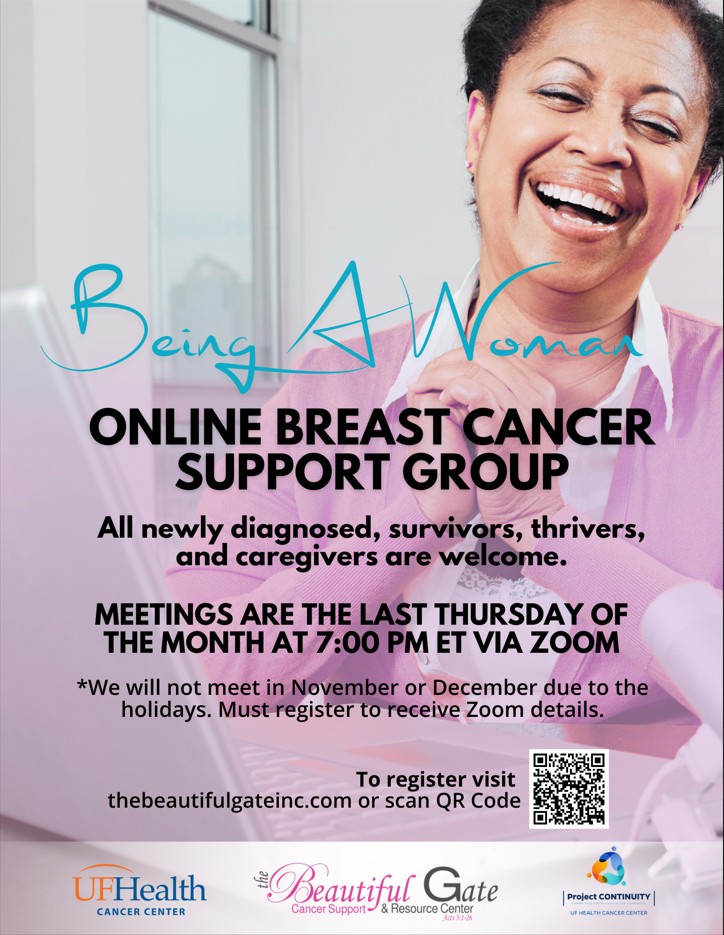
Out of my suffering, I found purpose. In 2006, I founded The Beautiful Gate Cancer Support and Resource Center—a non-profit born from a desire to support African American women facing cancer. Starting with modest resources in my church. Over time, The Beautiful Gate grew. We developed programs, built coalitions, and focused on serving underserved women. Our work includes educating the community and providing crucial stress management for women and their families. The mission is rooted in hope and resilience, helping others face their battles with strength.
Helping others brought purpose and healing into my life. Each time I feel discouraged, the stories and needs of others remind me why I must keep going. Before cancer, my life seemed simple but lacked deeper meaning. The diagnosis forced me to confront old pain and led me to new purpose. Through leading The Beautiful Gate, I transformed my suffering into advocacy, turning survival into service for those who need it most.
Reflecting on my journey, I see a path marked by setbacks, despair, and slow recovery. Yet, hope always finds a way forward. Faith, therapy, and service helped me grow in resilience. I learned that true healing is more than surviving; it is about finding meaning and using your voice to make a difference. My experiences have shaped a lifelong commitment to helping others, and I am dedicated to empowering fellow survivors to discover their own hope and strength. Through advocacy and community, every challenge can become an opportunity for healing and purpose.
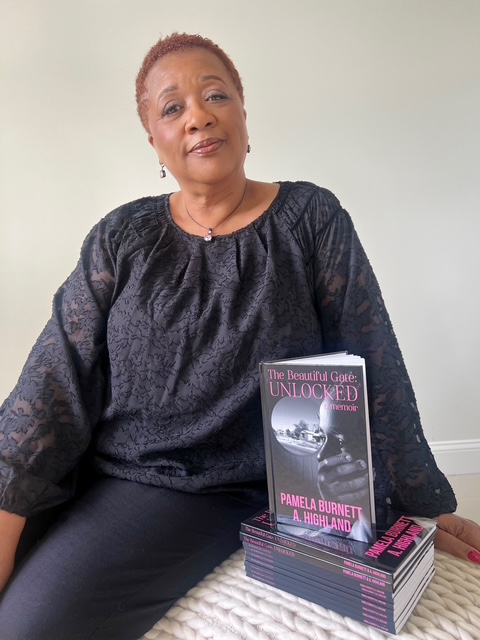
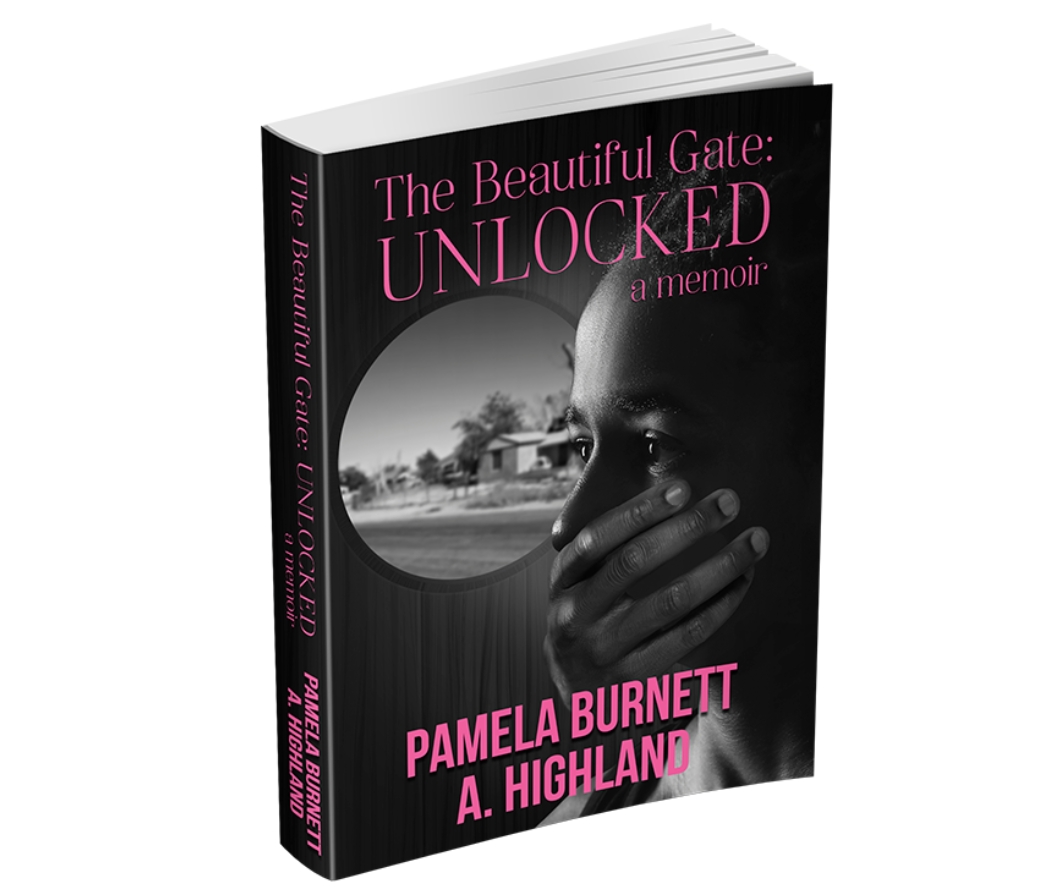
My memoir, The Beautiful Gate: UNLOCKED is my breast cancer story.
Can you talk to us a bit about the challenges and lessons you’ve learned along the way. Looking back would you say it’s been easy or smooth in retrospect?
Getting diagnosed with cancer turned my world upside down. After years of checkups and clear results, I was shocked and scared when I heard the news. The comfort I felt about my health disappeared, and I faced a lot of uncertainty.
The treatments were tough. I went through radiation, dealt with infections, and had surgeries that didn’t work. Each setback made things harder and brought back painful memories from my childhood. I tried to act brave, but sometimes I used alcohol to cope, and it often felt like hope was slipping away.
Depression and the struggle to open up in therapy became part of my daily life. When I finally started to get better, I was diagnosed with Multiple Sclerosis, which made everything even harder. Still, I managed to start The Beautiful Gate Cancer Support and Resource Center, even with few resources. It took a lot of strength and faith to keep moving forward.
It hasn’t been easy. What I learned is that healing isn’t just about surviving—it’s about finding meaning in tough times. By turning my challenges into ways to help others, I hope to inspire people to find hope and strength, and to see every challenge as a chance to heal, both for themselves and for their community.
Alright, so let’s switch gears a bit and talk business. What should we know?
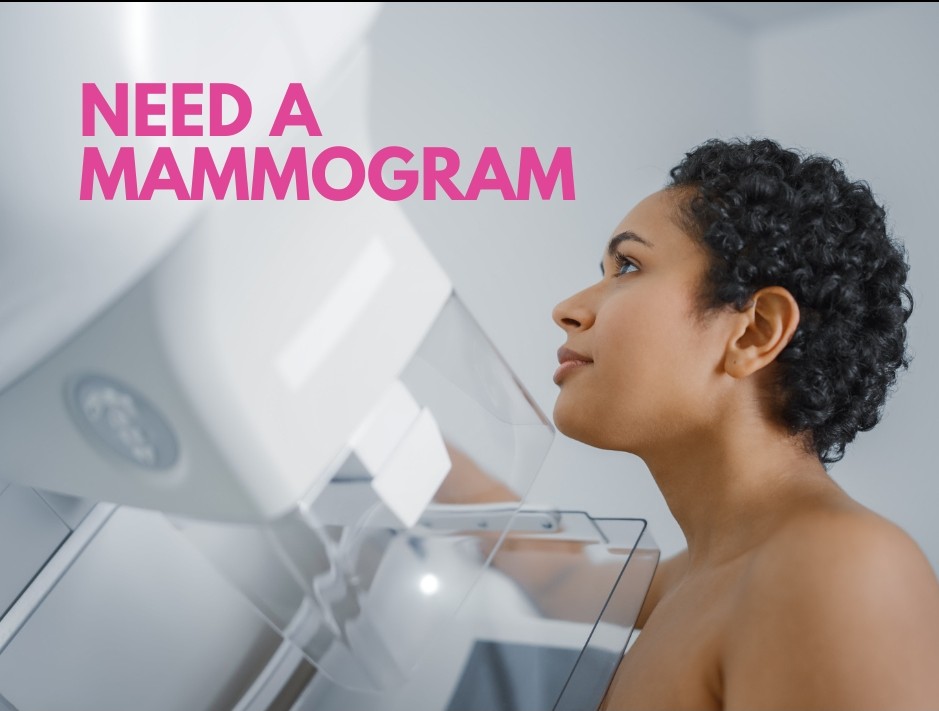
My professional journey and career have been shaped by a deep commitment to breast cancer advocacy and support, especially for women from underserved communities. I founded The Beautiful Gate out of a calling that grew from my personal experience with breast cancer. At 40, I was diagnosed with this disease, and I realized how little I—and so many in my community—knew about the importance of mammograms and early detection. That experience, filled with fear and uncertainty, inspired me to become outspoken and proactive about breast health. I didn’t want any woman to feel as alone or unprepared as I did, so I made it my mission to change that.
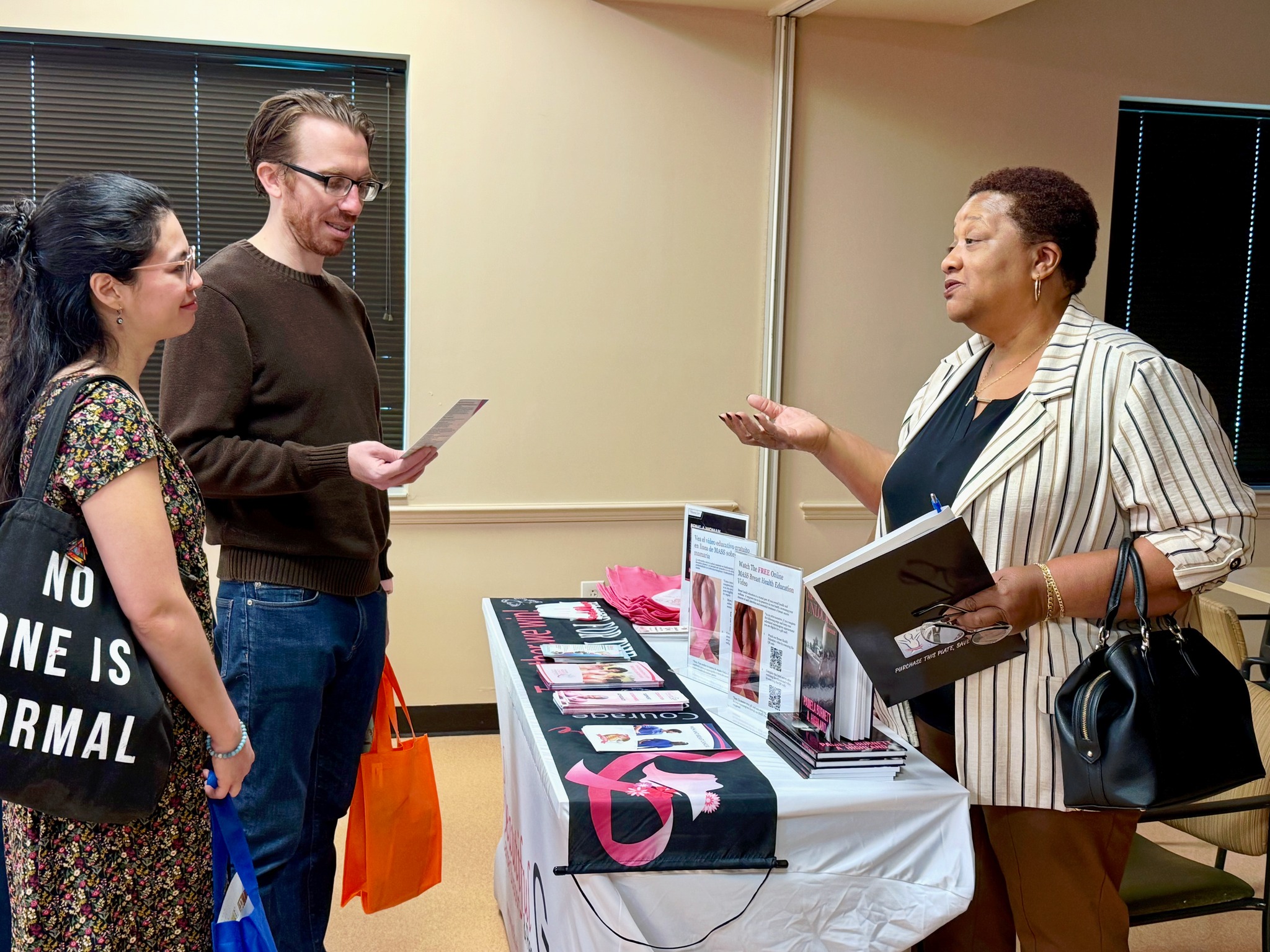
Through The Beautiful Gate, I have had the opportunity to deliver outreach, education, and essential resources to individuals impacted by breast cancer, helping improve access to care—especially for women of color and those lacking insurance coverage. I am committed to ensuring that all women receive the necessary knowledge, support, and respect as they navigate their health journeys.
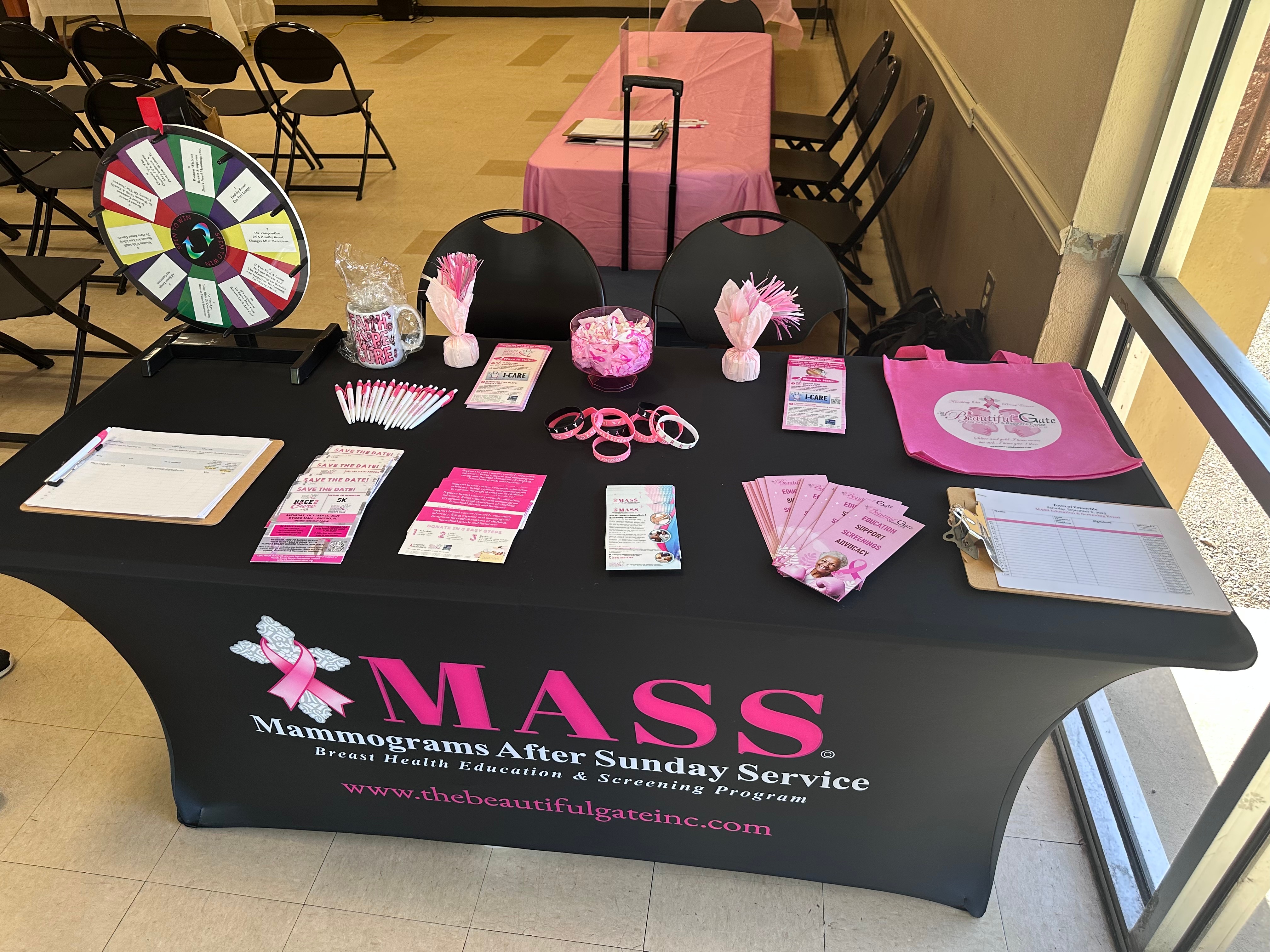
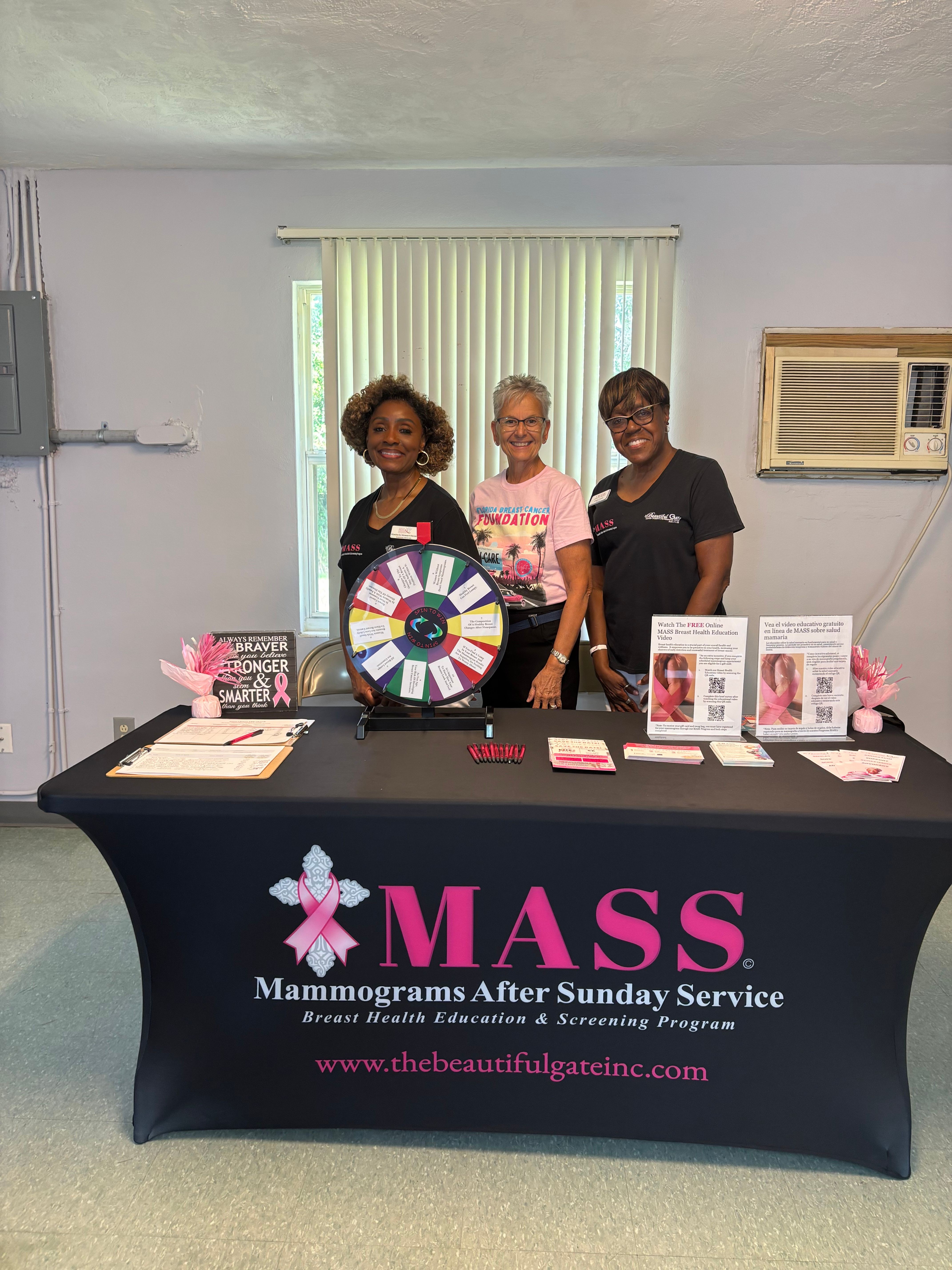
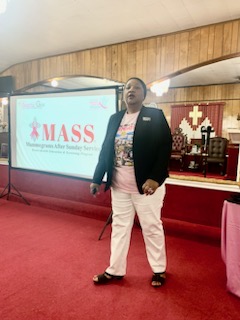
Under my leadership, The Beautiful Gate has partnered with organizations like the Florida Dept of Health Breast & Cervical Cancer Early Detection Program, University of Florida Cancer Center, and hundreds of places of worship across Florida to deliver our MASS: Mammograms After Sunday Service Program. These partnerships expanded our support groups, educational workshops, and financial aid for women facing cancer treatment.
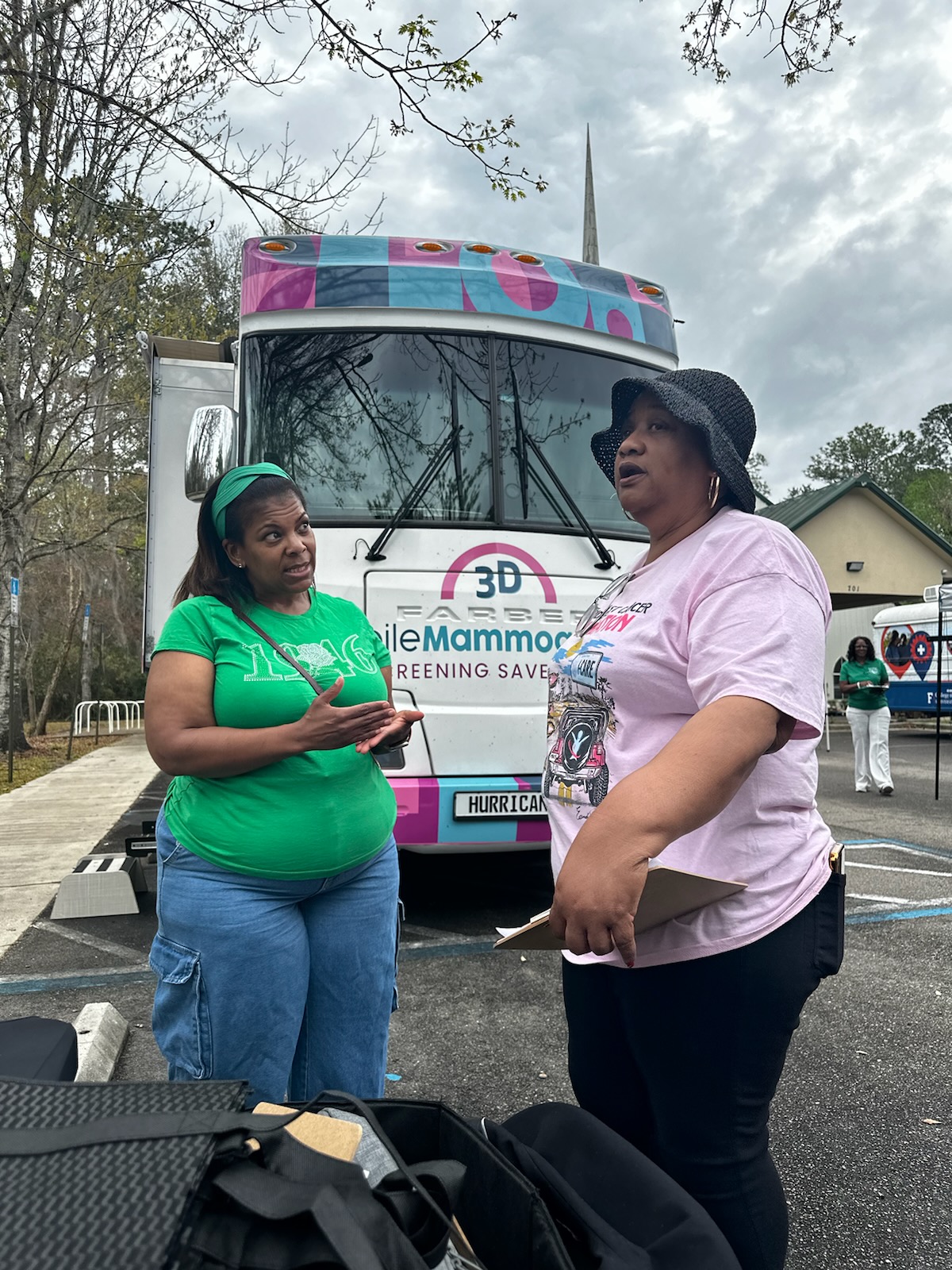
Part of my professional role is to connect people with state and federally funded health programs, like mobile mammogram units and the Florida Department of Health’s Breast & Cervical Cancer Early Detection Program. I am passionate about making sure our services are accessible to anyone who needs them—regardless of insurance status—and that we provide enrollment assistance in English, Spanish, and Creole. My goal is to remove as many barriers as possible so women can get the screenings and support they deserve.
Looking back, my personal battle with breast cancer has fueled my dedication to breaking down healthcare barriers, promoting early detection, and supporting survivors and their families. I am grateful every day for the opportunity to serve and to make a difference in the lives of women in my community.
So, before we go, how can our readers or others connect or collaborate with you? How can they support you?
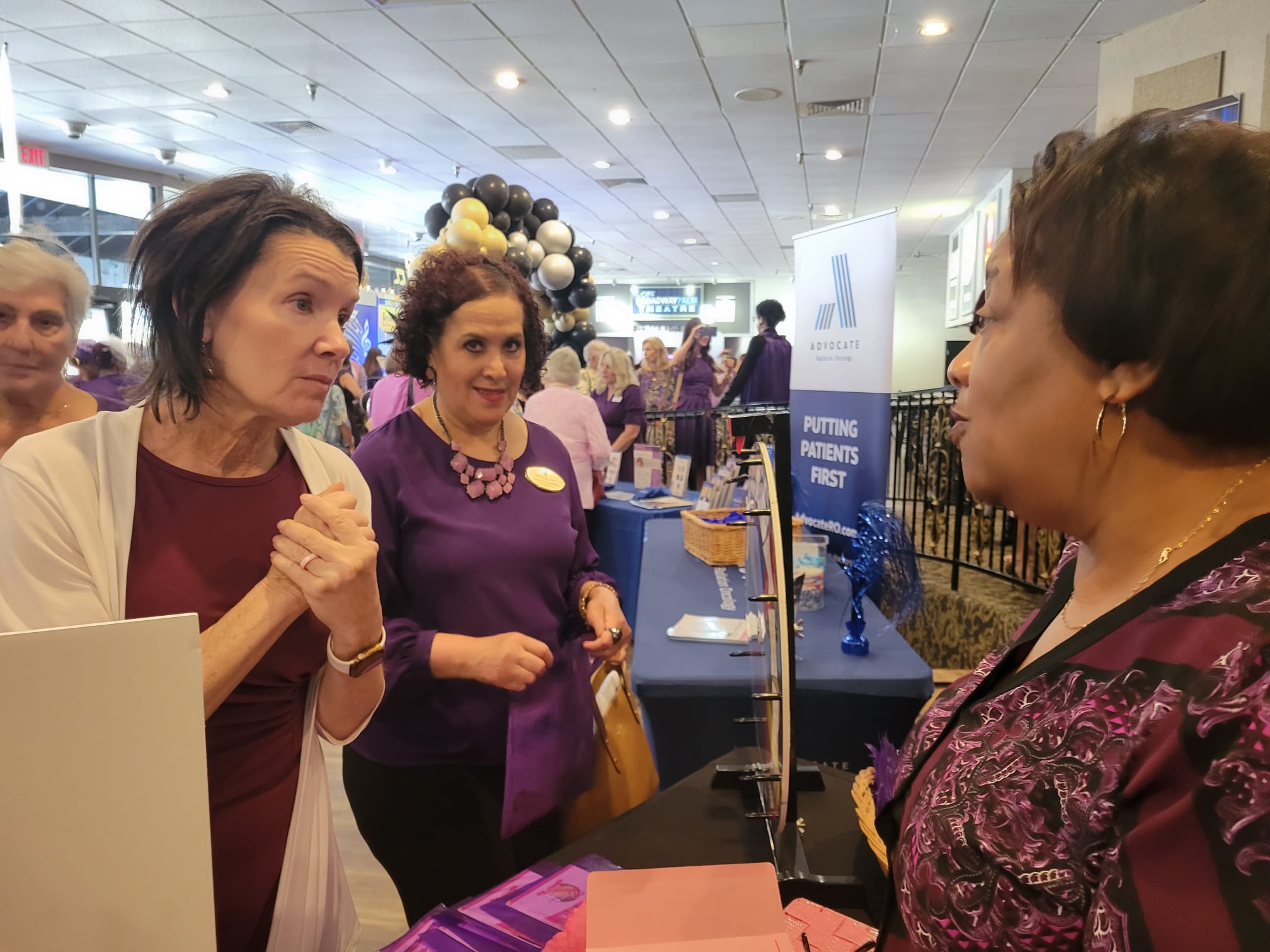
People can help The Beautiful Gate in several ways. Volunteer your time to assist with breast health education, outreach events, or administrative tasks. You can also share with your partners, community groups, like churches, to host our breast health education sessions or screening events, reaching more women who may need support.
Another way to make a difference is by sharing information about the importance of annual breast and cervical screenings—not just during October, but all year. Spread the word through social media or by talking to people in your community. If you know women who are uninsured or underinsured, connect them with The Beautiful Gate or the Florida Department of Health’s programs for free or low-cost screenings.
Donating money to The Beautiful Gate or its partners helps fund screenings, outreach, and education for women in need. If you are a survivor or supporter, sharing your story can inspire others, reduce stigma, and bring people together. You can also join advocacy groups to promote policies that improve access to cancer screenings for all women. No matter how you help—by volunteering, raising awareness, or supporting with donations—you are part of the effort to empower women and save lives.
Contact Info:
- Website: https://thebeautifulgateinc.com/
- Facebook: https://www.facebook.com/thebeautifulgatecsrc/
- Youtube: https://www.youtube.com/@TheBeautifulGateCSRC