


Today we’d like to introduce you to Veronica Morejon.
Hi Veronica, thanks for joining us today. We’d love for you to start by introducing yourself.
I never set out to create Breach the Surface — an initiative that supports science teachers in public schools. It all started when I was doing a research project on microplastic pollution at the St. Petersburg College STEM Center. I received a mini-grant from the Tampa Bay Estuary Program to do outreach on the harmful effects of microplastics.
Then COVID-19 hit, and traditional in-person outreach wasn’t possible. So I turned to podcasting instead. In the last four years, that single outreach idea has grown into a full nonprofit focused on strengthening ocean education in public schools — starting in Hillsborough County and expanding statewide over the next five years.
Our pilot program, Ocean Class, made its debuts in Hillsborough County schools this year, and Shellphone, our podcast featuring ocean experts from across the country, continues to grow every month.
The need for this work is urgent. The general public’s knowledge of ocean issues is alarmingly low. A 2005 study, Environmental Literacy in America, found that less than 2% of American adults are environmentally literate. And in 2018, the International Ocean Literacy Survey showed that the U.S. public is more literate about video games and gambling than the world’s oceans — and that’s honestly frightening.
Growing up in Apollo Beach and graduating from H.B. Plant High School in 2019, I was already familiar with Hillsborough County’s marine science curriculum. I knew where the gaps were. That allowed me to approach science directors in Hillsborough and Pinellas to ask how we could support and expand what students were learning.
Hillsborough had recently updated its curriculum, so I worked closely with teachers to build on it. We’re hoping to receive critical feedback from educators that will continue shaping Breach’s programs as we scale across Florida. Right now, all 29 Hillsborough public high schools offer at least one marine science class — but fewer than half offer more than one, and none offer more than two, even though there are five potential course options available.
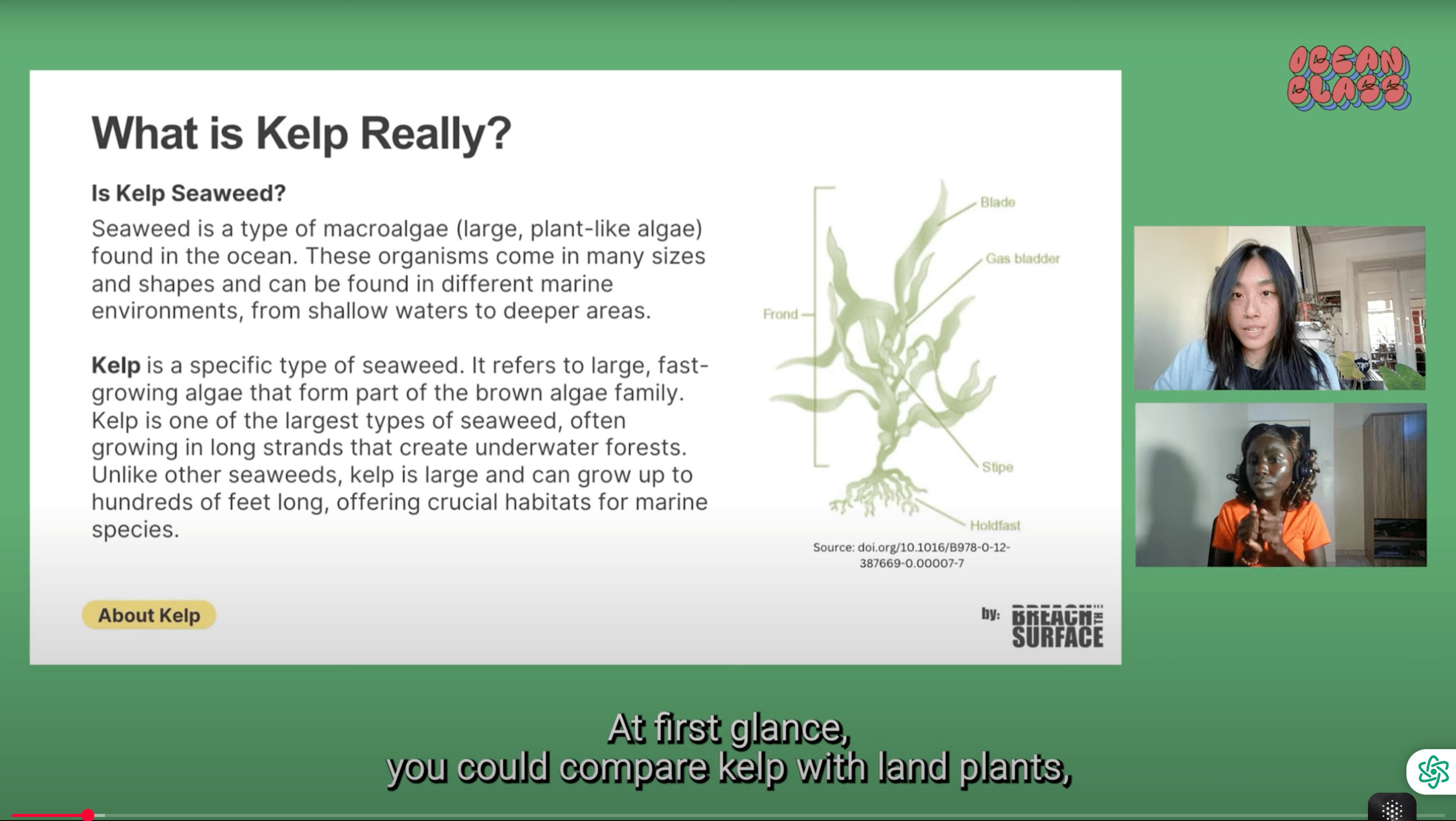
Ocean Class is designed to expand lessons tied to the curriculum, including topics like kelp forests and deep-sea coral reefs — ecosystems that don’t exist locally but teach vital concepts like food webs, biodiversity, and ecosystem structure.
Our schools need innovative programs that fill these gaps. We aim to engage students, teachers, and the broader community in ocean education that highlights critical issues like climate change, pollution, overfishing, and habitat loss. A big part of our approach is accessibility — our content lives across podcasts, webinars, and social media, because if we don’t meet students where they are, we won’t create the impact needed.
I also want to reach students far beyond those already enrolled in marine science classes. Many assume that growing up in Florida means everyone has equal access to the ocean. That couldn’t be further from the truth. Systemic barriers — from funding to language to geography — limit opportunities for many students.
Even here in Tampa Bay, with miles of coastline, some students have never visited the ocean. Recently, we funded a field trip for students from Broward Elementary to the Tampa Bay Watch Discovery Center. Seeing how little exposure they had to our own bay was eye-opening. Partnerships like this are essential as we expand beyond digital learning into real-world environmental experiences.
Solving the challenges facing our oceans will take an all-hands-on-deck effort. We need every student — in every school — to have the knowledge and opportunities necessary to confront climate change, pollution, habitat destruction, and the other issues shaping our planet’s future.
Alright, so let’s dig a little deeper into the story – has it been an easy path overall and if not, what were the challenges you’ve had to overcome?
Not at all — the path has been meaningful, but far from smooth. Growing up in Tampa, right next to the water, I learned early what it means to be surrounded by the ocean yet still feel disconnected from it. There’s a misconception that simply living in Florida means everyone has equal access to marine experiences and education. In reality, there are systemic barriers — from school funding and transportation to language access and geography — that keep many young people from engaging with the ocean in any meaningful way.
Over the years, I’ve worked with incredible climate and conservation organizations, and eventually founded my own nonprofit, Breach the Surface, so I could build the initiatives I wished existed. From art-activism exhibitions and youth field trips for marginalized students, to launching the Shellphone Podcast and working on statewide climate advocacy projects, this journey has been full of passion — but also challenge.
Running a nonprofit as a young founder is not easy. There’s a unique space young leaders fall into — not “youth participants,” but not yet seen as “industry veterans” either. It often feels like Goldilocks, searching for opportunities that are just right for the stage we’re in. Navigating that gray area has been one of our biggest hurdles.
Another major challenge has been carving out recognition in a conservation field where people often expect to see research labs or beach cleanups — not digital education programs, podcasting, and curriculum development. Education-based conservation doesn’t always look like traditional activism, and explaining why a microphone can be as impactful as a trash-picker requires ongoing storytelling and advocacy — especially to long-established decision-makers who vote on funding and partnerships.
But every challenge has clarified our mission even more. We’re proving that ocean conservation isn’t one-size-fits-all and that empowering young people through education and digital access is just as important as what happens in the field or on the shoreline. And despite the obstacles, seeing students connect to our oceans for the first time makes every step worth it.
We’ve been impressed with Breach the Surface, but for folks who might not be as familiar, what can you share with them about what you do and what sets you apart from others?
Breach the Surface is an ocean-education nonprofit dedicated to making marine science accessible, engaging, and relevant for young people — especially in communities where access to the ocean isn’t guaranteed, even in a coastal state like Florida. We exist to bridge the gap between traditional science education and the real-world ocean issues today’s students will inherit.
What makes us unique is that we focus on digital ocean literacy, not just in-person outreach. By developing dynamic digital resources — podcasts, webinars, student-friendly lessons, and visual storytelling — we offer students and teachers tools that go beyond the textbook. These programs don’t just replicate classroom learning — they enhance it through expert interviews, narrative-driven content, creative teaching aids, and immersive media experiences that spark curiosity and emotional connection.
We’re known for approaching ocean conservation through communication, education, and creativity. Our Shellphone Podcast and Ocean Class Webinar brings marine experts to young audiences in an approachable, exciting way, and our school programs help educators incorporate ocean science topics that might otherwise be overlooked.
What I am most proud of brand-wise is our commitment to accessibility — ensuring that marine science isn’t reserved for students who already have access to coastlines, resources, or specialized programs. We’re giving students and teachers the tools to engage with ocean issues anywhere, from the classroom to their phones. Features like our ASL transitions, english to spanish interpretations and interactive glossaries ensure no one gets left behind. And every program we build is rooted in curiosity, community, and creativity — because conservation should feel inspiring, not intimidating.
Ultimately, our programs aren’t just about delivering content—it’s about reshaping how ocean education is delivered, understood, and valued. It’s a tool to foster lasting stewardship by equipping today’s learners with the knowledge they need to protect our oceans tomorrow.
Do you have any advice for those just starting out?
Yes!
1. Start donor relationship building early!
2. Cold calling/emailing will grant you more opportunities then you know.
3. Barter with other local community leaders and business owners – be confident on what you have to offer!
Pricing:
- ALL OUR RESOURCES ARE FREE
Contact Info:
- Website: https://breachthesurface.org/
- Instagram: https://www.instagram.com/breachthesurface and @shellphonepodcast https://www.instagram.com/shellphonepodcast
- LinkedIn: https://www.linkedin.com/company/breachthesurface/
- Youtube: https://www.youtube.com/@breachthesurfaceinc
- Podcast: https://breachthesurface.org/shellphone/
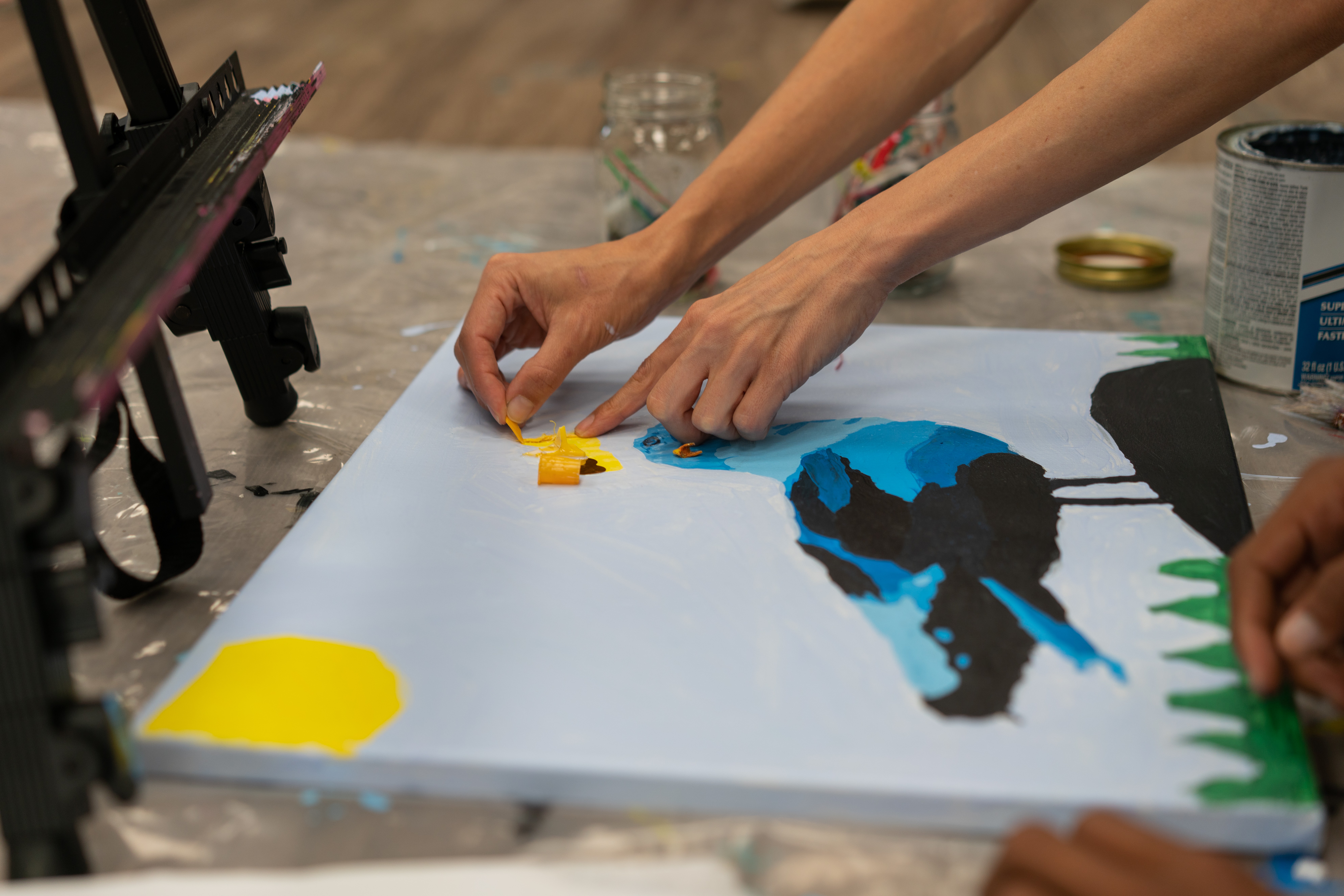
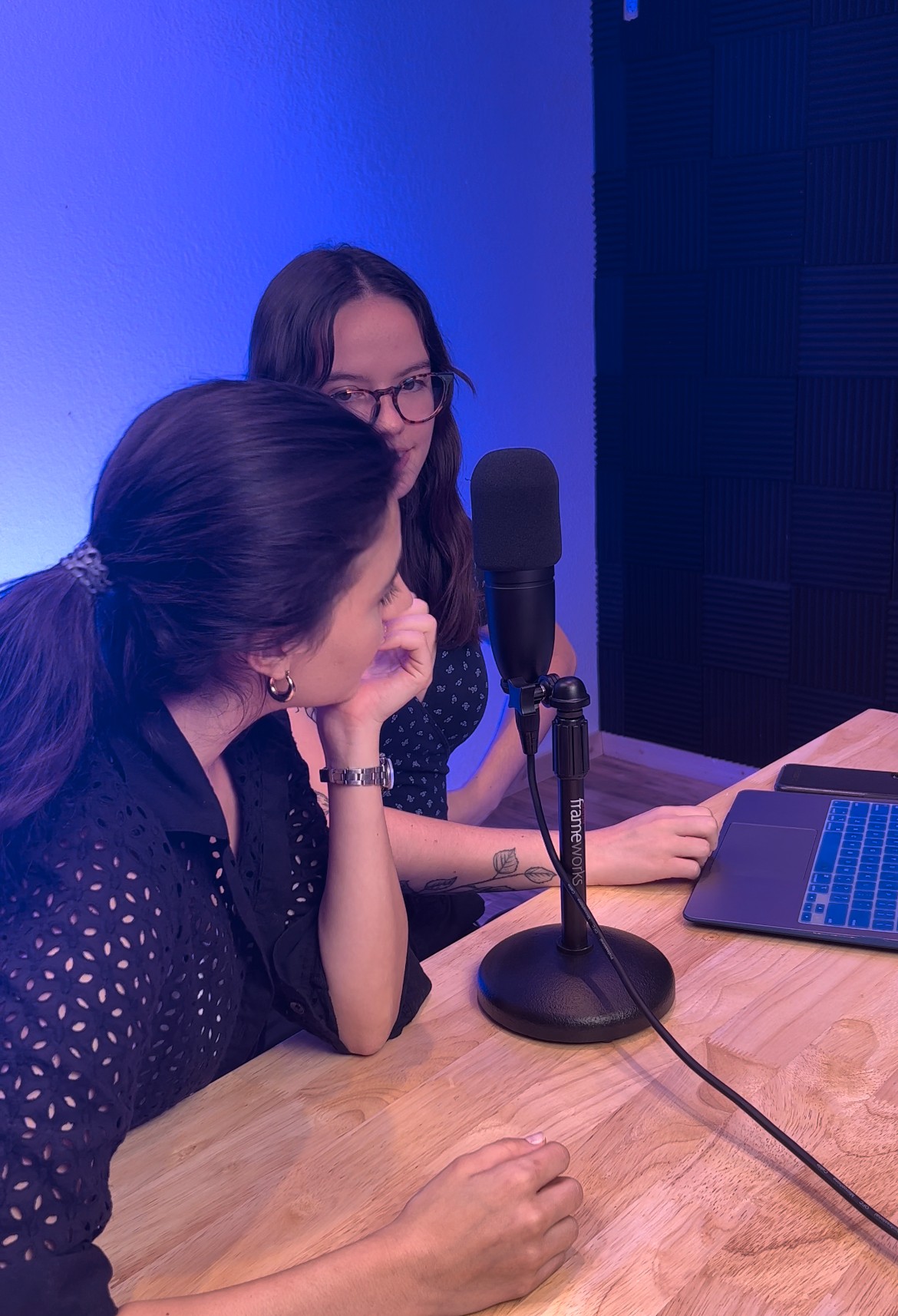
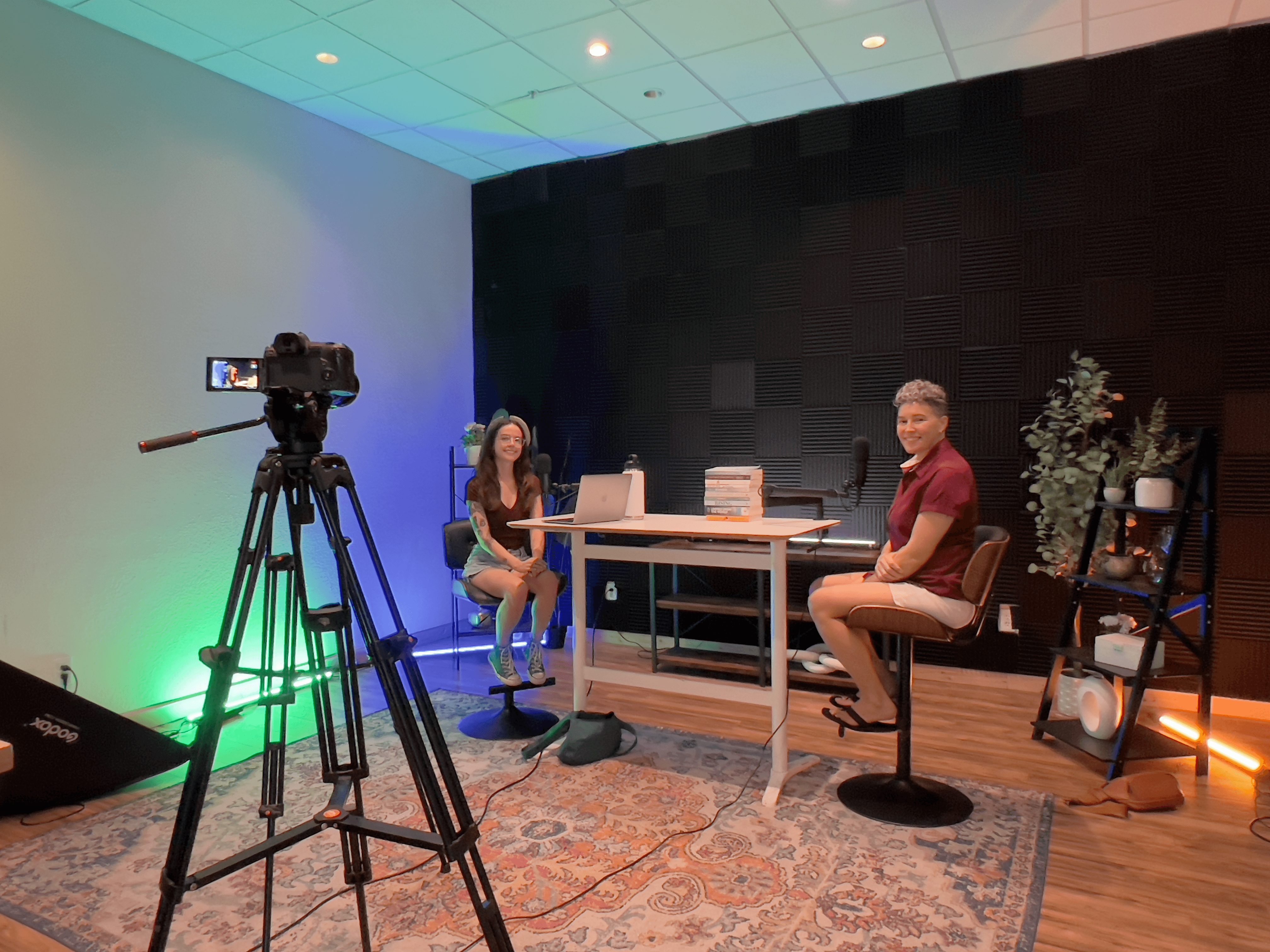
Image Credits
Image of bird art piece by Zach Nicolaou, all else provided by Breach the Surface.