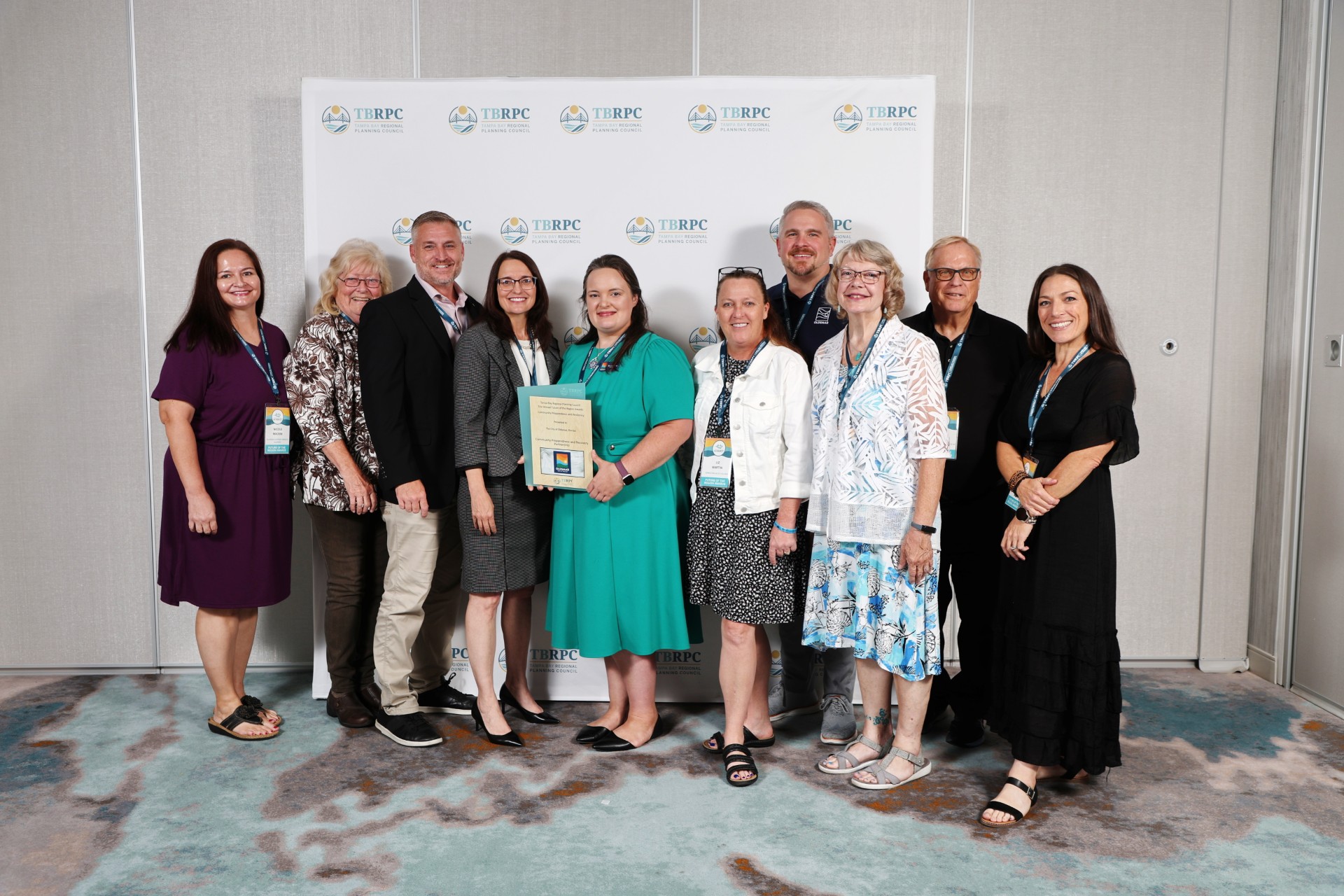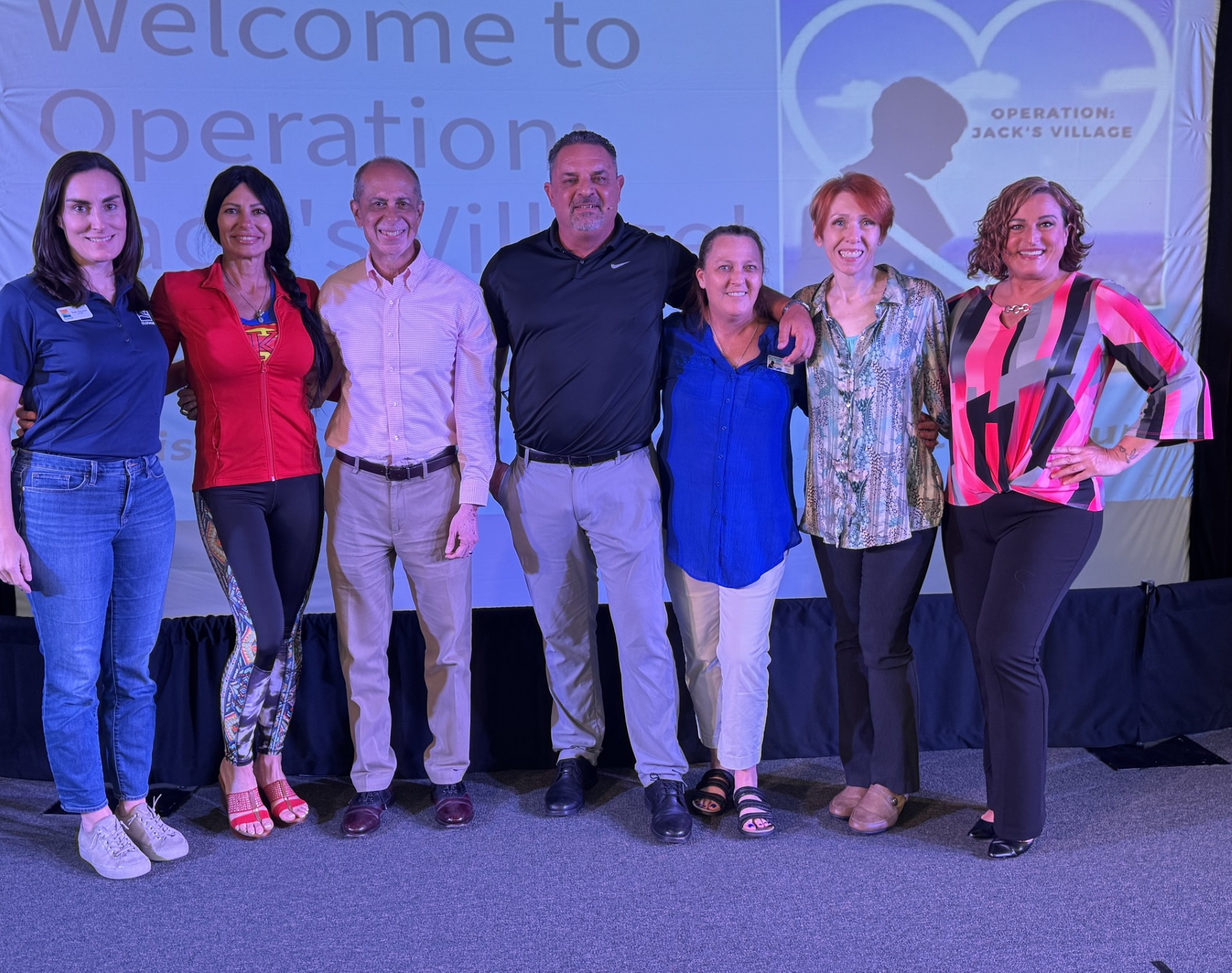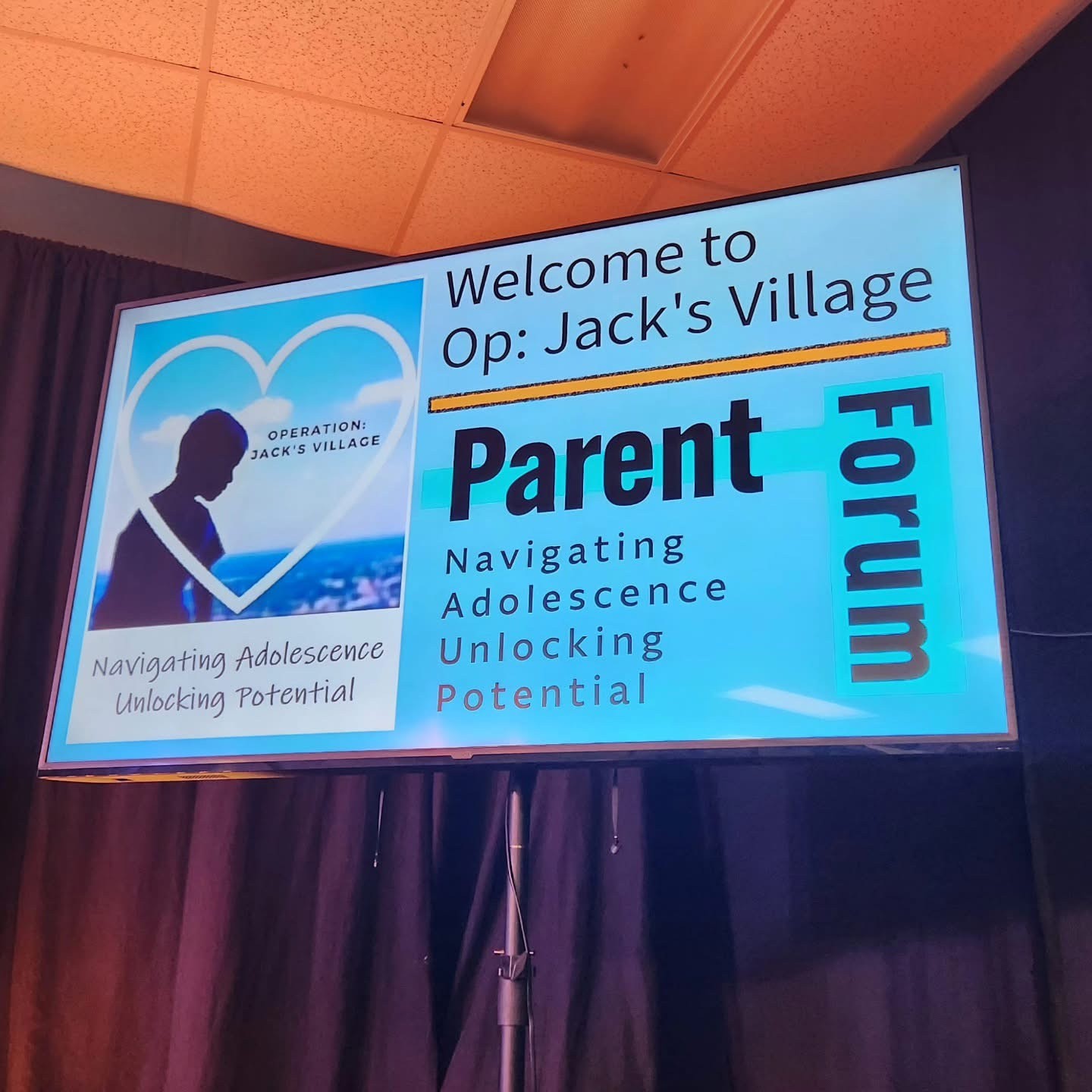



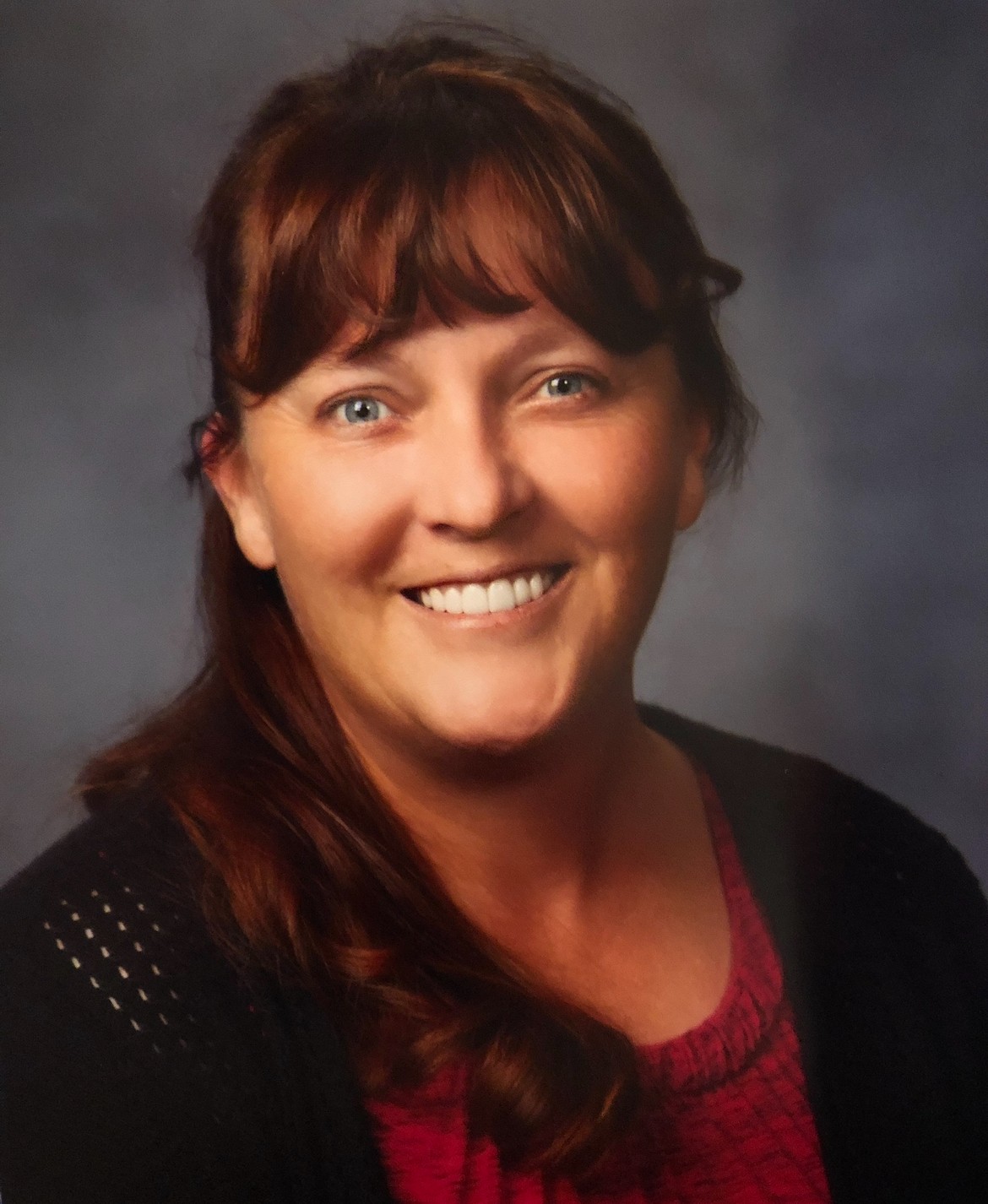
We’re looking forward to introducing you to Liz Martin. Check out our conversation below.
Liz, a huge thanks to you for investing the time to share your wisdom with those who are seeking it. We think it’s so important for us to share stories with our neighbors, friends and community because knowledge multiples when we share with each other. Let’s jump in: What’s more important to you—intelligence, energy, or integrity?
Integrity! Without integrity, intelligence can be misguided and a waste of your energy.
Can you briefly introduce yourself and share what makes you or your brand unique?
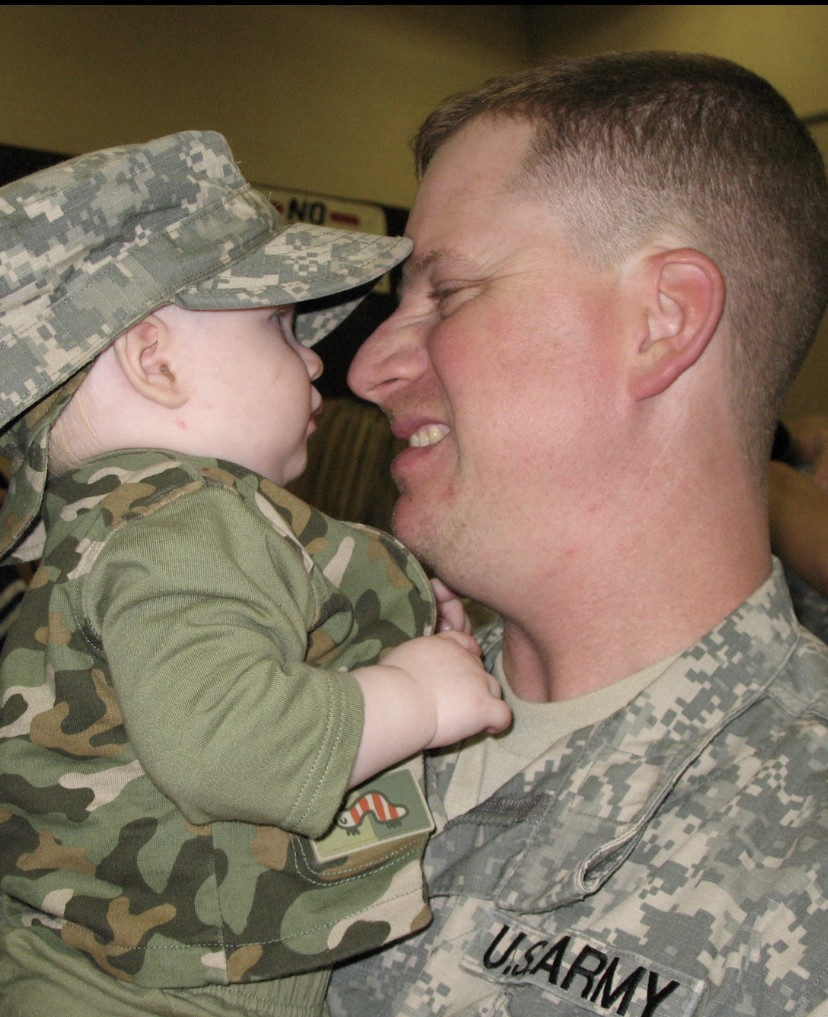
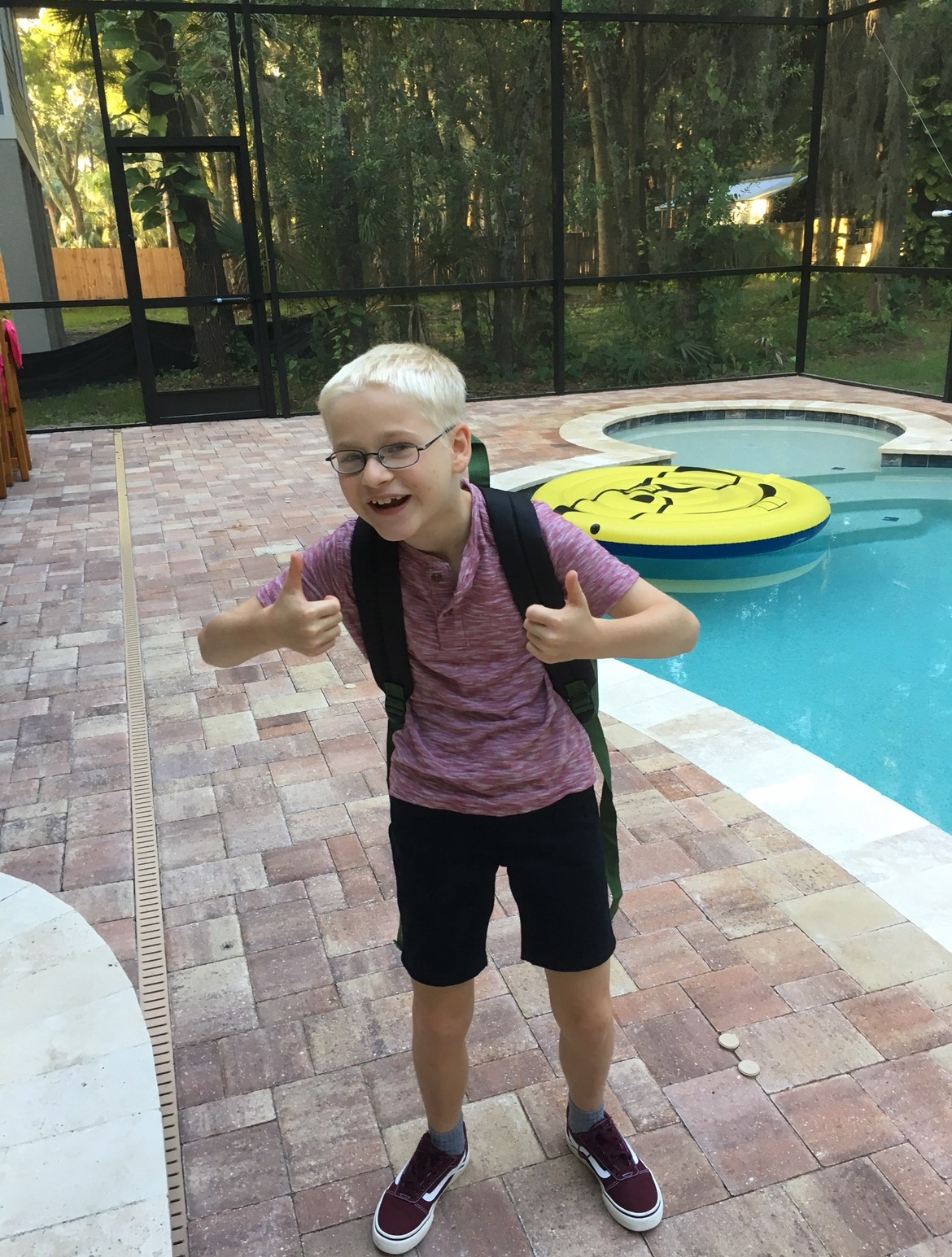
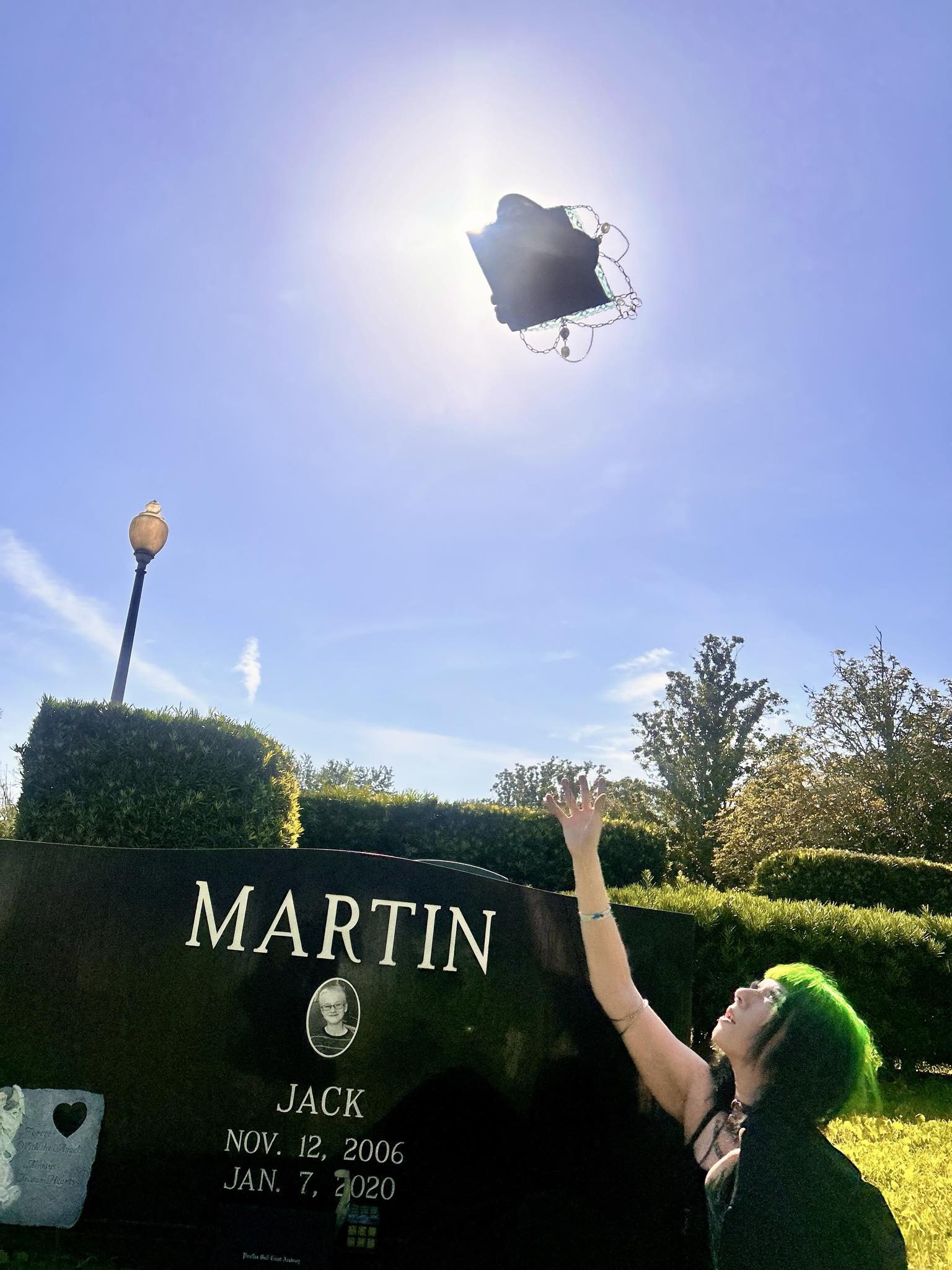
Hi, I’m Liz Martin, an entrepreneur, a veteran, a retired aerospace senior planning project manager, and the founder of Operation Jack’s Village. I started this work after losing my son Jack to suicide at age 13. That loss changed everything. I took my grief and turned it into a mission to expand our thinking on how to bridge our cultural and systemic gaps to empower them in ways that support navigating adolescence and unlocking their potential.
Operation Jack’s Village is a community led effort to support kids, especially those from military families. We focus on building emotional resilience and strong relationships, using a whole-person approach that helps families, schools, and communities work together before a crisis happens. Our goal is to make sure every young person has the support they need to survive, thrive, and soar!
I’ve spent years working in complex systems, managing big programs, and building coalitions. Now, I’m using that experience to change how we support our youth—through smarter education planning, stronger partnerships, and real accountability. This isn’t just a project. It’s a promise to Jack, and to the 1,642 Florida kids we’ve lost since Jack died.
But let’s be honest, turning the ship around feels like steering the Titanic. The clock is ticking, and we’re still headed in the wrong direction. That’s why I won’t stop pushing for upstream solutions, systems that understand dysregulation before it’s labeled as trauma, and a culture that sees secondary education as a one size fits all place, always reacting to crisis, but as a space to scaffold development, connection, and emotional growth.
We don’t need more reactive policies and programs. We need frameworks that meet kids where they are and before they fall through the cracks.
Great, so let’s dive into your journey a bit more. What part of you has served its purpose and must now be released?
I’ve been that person, the one engineers and coworkers pointed to when the job was messy, complex, or broken. “That’s a @#$ job,” they’d say. “Let’s get Liz to fix it.”
From aging out of foster care and facing homelessness, to solving high-stakes process failures in aerospace, I’ve lived the training for this challenge. And now, that training has served its purpose.
It’s up to all of you, parents, educators, policymakers, nonprofit leaders, to take that Lean Six Sigma-level analysis and use it to save lives. The clock is ticking. And no, AI won’t solve this for you. This is not about technology, it’s about relationships.
But I will stand beside you. I will keep pushing. Because this isn’t just reform. It’s remembrance. It’s responsibility. It’s Jack’s legacy.
When did you last change your mind about something important?
When I started this journey, I thought it was about learning what happened with Jack. About understanding how a child, or anyone for that matter, could fall so low that they lose touch with reality. I wanted to know how someone could feel so alone that they forget there are people who love them, who would wrap their arms around them and walk with them through any struggle.
But over time, and through more than 27,000 hours of research, interviews with kids, parents, educators, and quiet observation, I realized it’s not just about understanding pain. It’s about recognizing the choreography we all live inside; the bio-psycho-social operating system that shapes how we connect, regulate, and survive.
I changed my mind when I saw that dysregulation isn’t a flaw, it’s a signal. Our systems aren’t broken because they don’t care, they’re broken because they weren’t built to respond to the complexity of human development in the 21st century and we’re accelerating at breakneck speed. We are outpacing the very scaffolding we need to stay regulated, connected, and whole. What we need isn’t just empathy. We need design. We need scaffolding. We need to meet people where they are, before they disappear into silence.
That shift, from learning to redesigning, was the moment I knew this wasn’t just a mission. It was a responsibility.
So a lot of these questions go deep, but if you are open to it, we’ve got a few more questions that we’d love to get your take on. Where are smart people getting it totally wrong today?
Smart people often miss the mark not because they lack intelligence or compassion, but because they rely on systems and language that fail to resonate with the people they are trying to help. Their solutions are designed for theoretical scenarios rather than the nuance of real people, and their well-intentioned messaging can feel clinical, abstract, or emotionally unsafe to young people. Words like “trauma” and “stigma,” while accurate, can alienate youth who are already dysregulated, then they receive it as a system isn’t built for them. When help is offered in ways that feel cold or disconnected, it’s not the help that’s rejected it’s the delivery.
Systems also tend to measure surface level outcomes like attendance or symptom reduction, but these metrics don’t capture safe connection or relational trust. Without trust, data is just noise, and children remain unseen. Despite repeated efforts, we continue to replicate the same mistakes by ignoring developmental context and clinging to outdated practices. Programs reward compliance over connection, checking boxes instead of building bridges.
Ultimately, the failure lies in communication children understand. Real reform begins not with labeling at a time when identify is fragile or metrics, but with listening with humility, and with the intent to build safety through human trust. Without that foundation, all the apps, well intentioned evidence-based programs and special numbers, will not produce what we are looking for and true prevention remains out of reach.
Okay, so let’s keep going with one more question that means a lot to us: What light inside you have you been dimming?
My love for music.
I recently picked my cello up again. For five years, I dimmed the light of my own presence.
Not intentionally, but because the grief was too raw and the cello was sacred space. My cello sat silent, not because I stopped loving music, but because it held memories too much to bear. Weekly lessons with Jack were more than music, they were our rhythm, a staple in our bonded ritual, our shared commitment to growth. When he was gone, the cello then became a painful reminder to what was once whole. And I couldn’t bring myself to play.
But recently, I chose to pick it back up. Not because the pain is gone, but because I’ve learned that light doesn’t wait for perfect conditions. It waits for permission. And I’m giving myself that permission now.
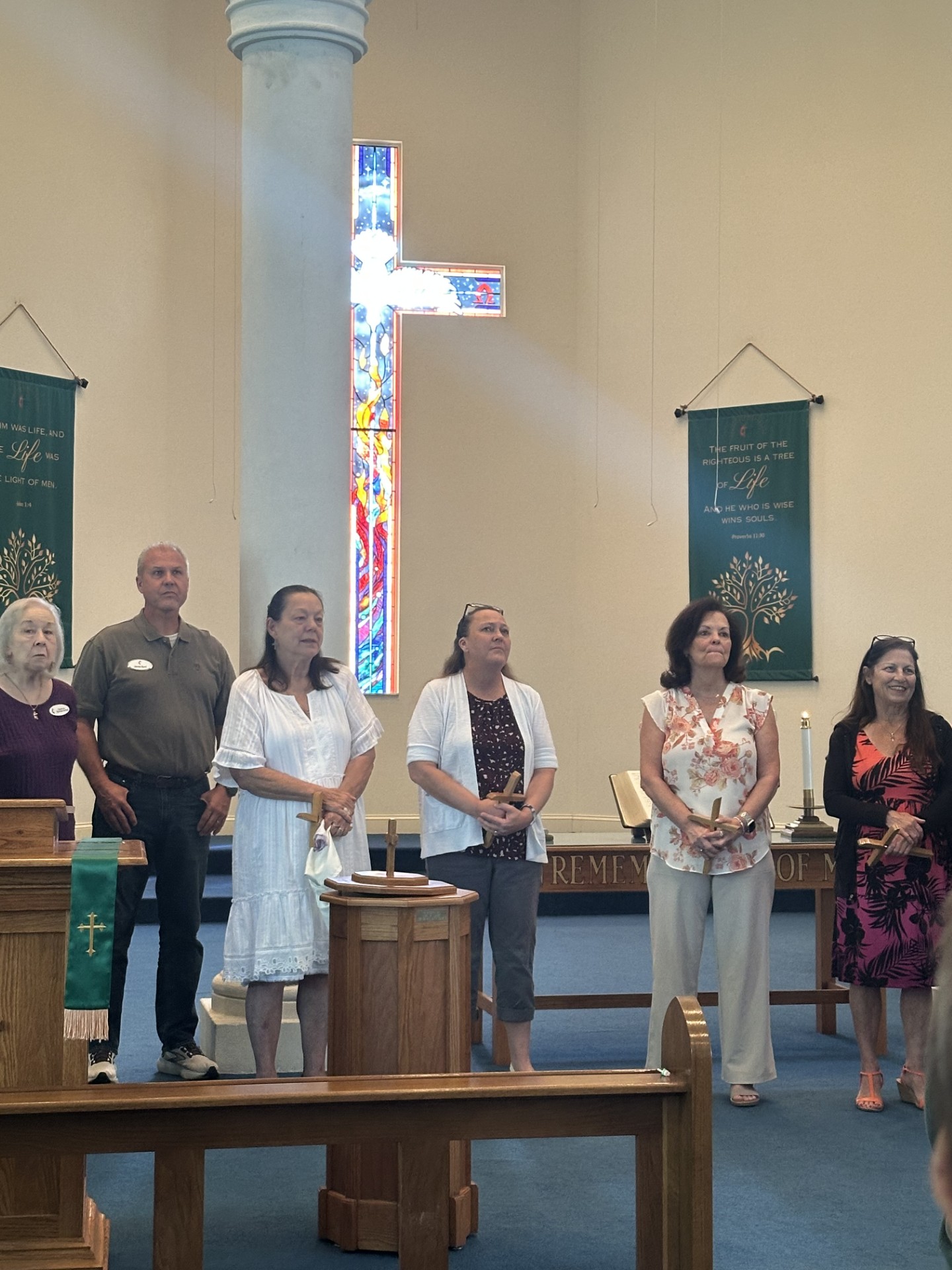
I’ve recently joined the worship team at Oldsmar Community United Methodist Church, and now each Sunday, I play not as a cellist reclaiming skill, but as a mother reclaiming meaning. The support of this church and the culture of Oldsmar have held me in ways I didn’t know I needed. They’ve reminded me that healing is not a solo act, it’s a communal one. And it’s a reminder that truly transformative systems, must start with the individual.
The light I’ve been dimming is the one that says. I’m still here. I’m still growing. I’m still capable, even in the aftermath. That light is flickering again, but not in defiance of the grief, as a way through it.
I’ll never ask others to walk through hard things I won’t walk through myself. I am grateful and appreciate the grace of this community, someone reminded me that the light is not gone, its waiting and the world needs the kind of glow only you can give. I’m walking, with sore fingers, rusty skills, and a heart wide open.
Contact Info:
- Website: https://www.opjacksvillage.org
- Instagram: https://www.instagram.com/operationjacksvillage
- Facebook: https://www.facebook.com/groups/Jacksvillage
- Youtube: https://www.youtube.com/channel/UCofUh6B8Er1H-rq6g411xQQ