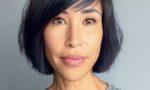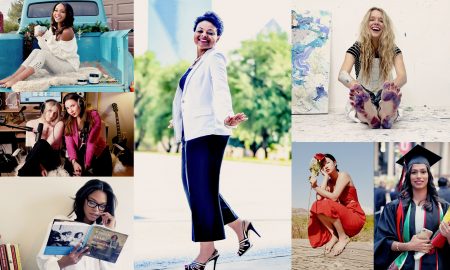



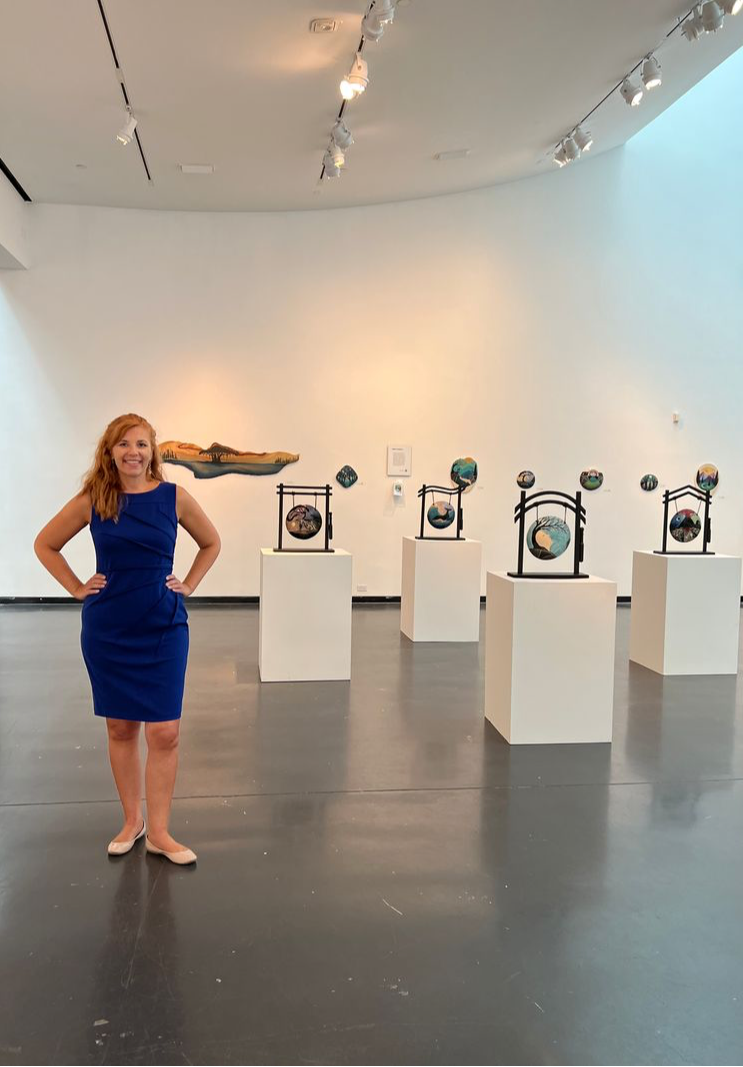
Teresa Mandala shared their story and experiences with us recently and you can find our conversation below.
Teresa, we’re thrilled to have you with us today. Before we jump into your intro and the heart of the interview, let’s start with a bit of an ice breaker: What are you being called to do now, that you may have been afraid of before?
I feel like I’m being called to expand internationally, which is something I was hesitant about before. Right now, I’m exploring an art residency in the Yucatán, Mexico. What excites me most is the opportunity to immerse myself in indigenous and ancient cultures. These are wisdom traditions that deeply fuel the spiritual aspect of my work, but that I can’t fully access here in the States. The residencies there intentionally weave this teaching into the experience, which feels like such a powerful alignment for me as an artist.
As a woman, I’ve carried some fear about stretching into other countries, but I feel that calling strongly now. It’s less about leaving something behind and more about opening myself to the deeper knowledge and connection that can only be found by stepping beyond my comfort zone.
Can you briefly introduce yourself and share what makes you or your brand unique?
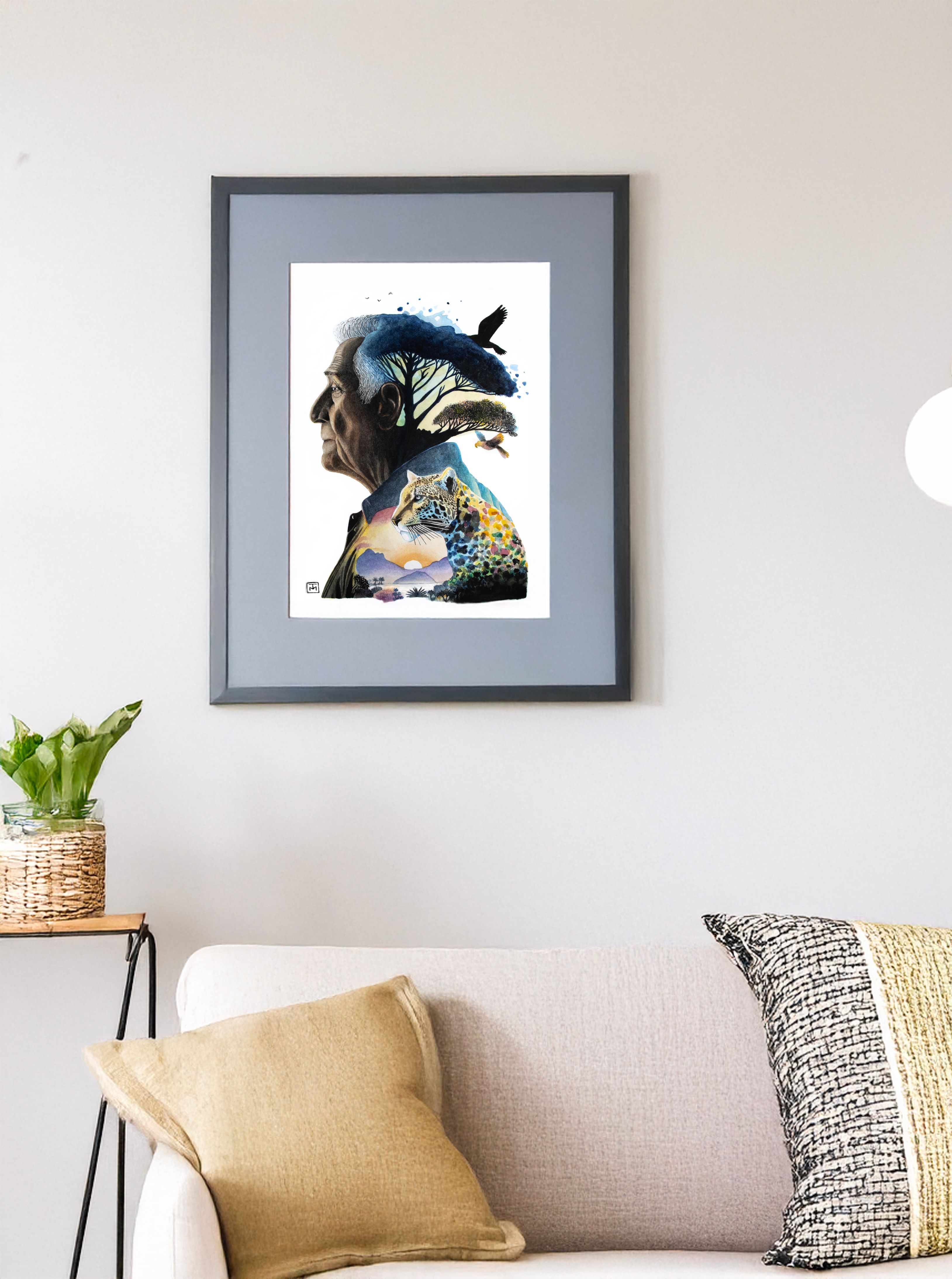
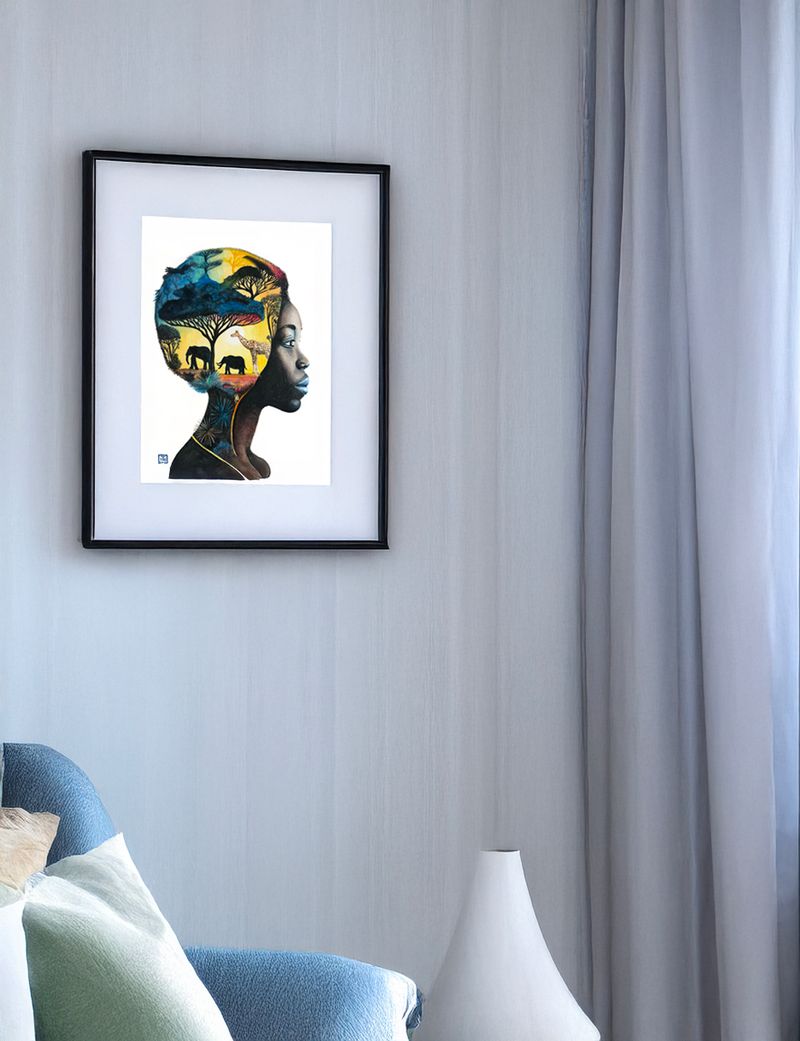
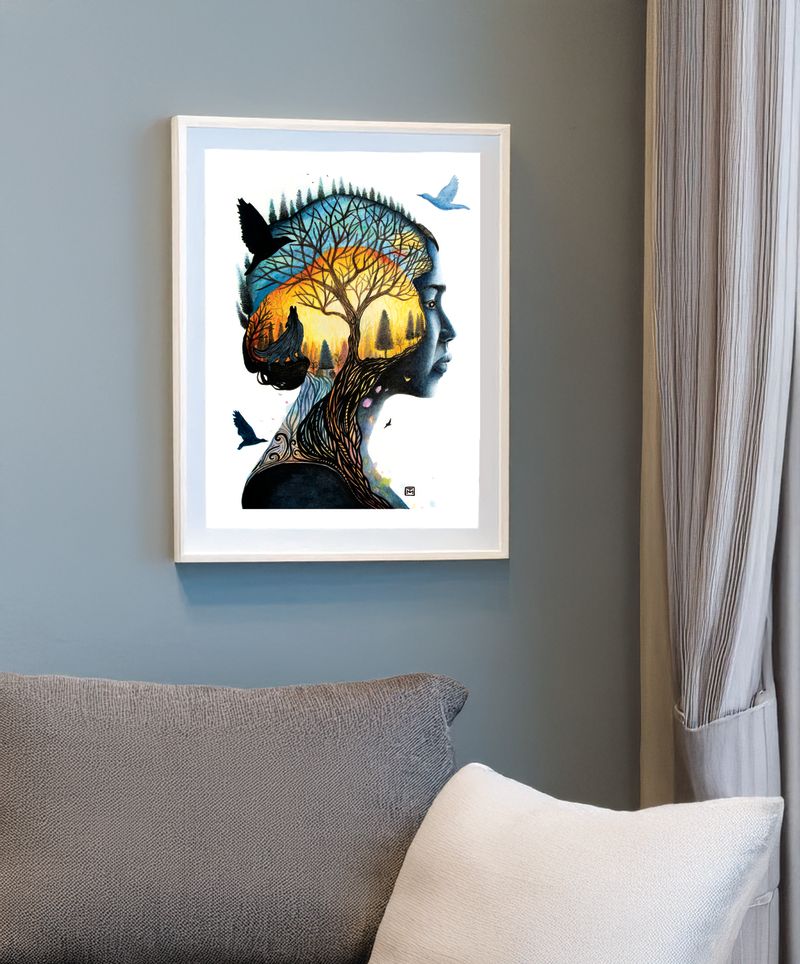
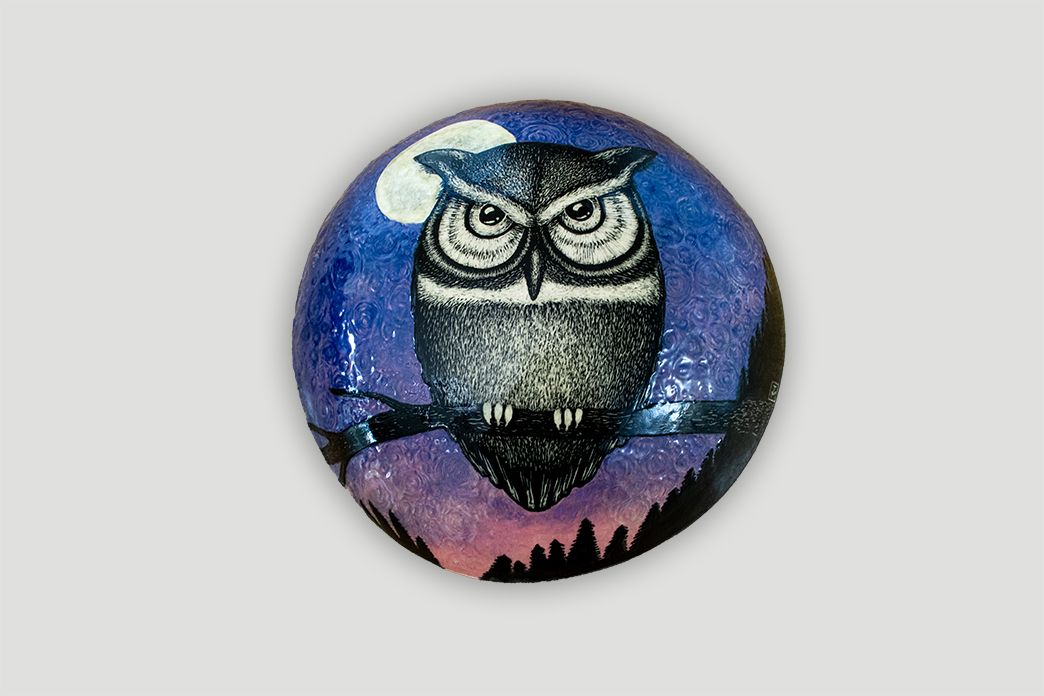
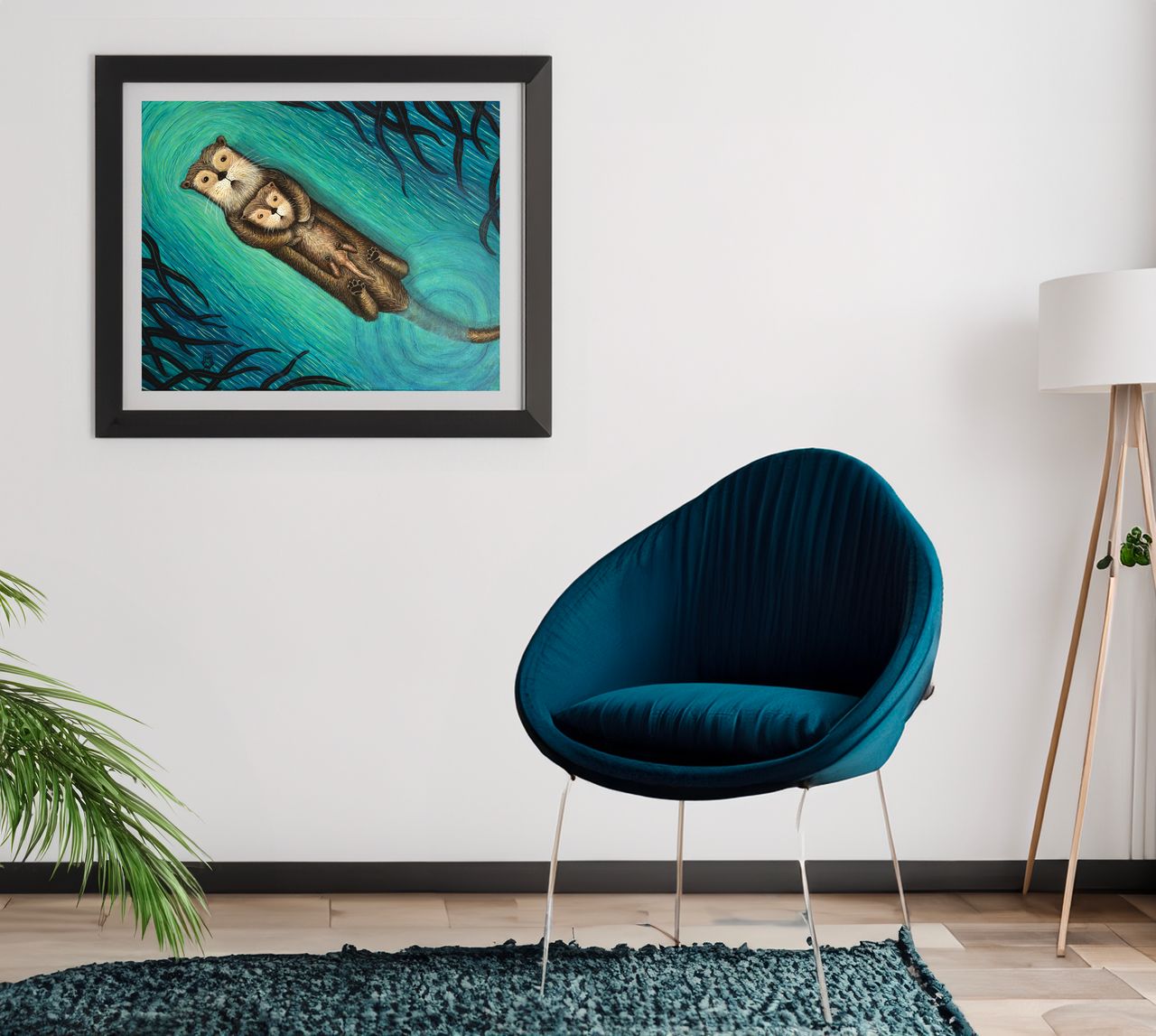
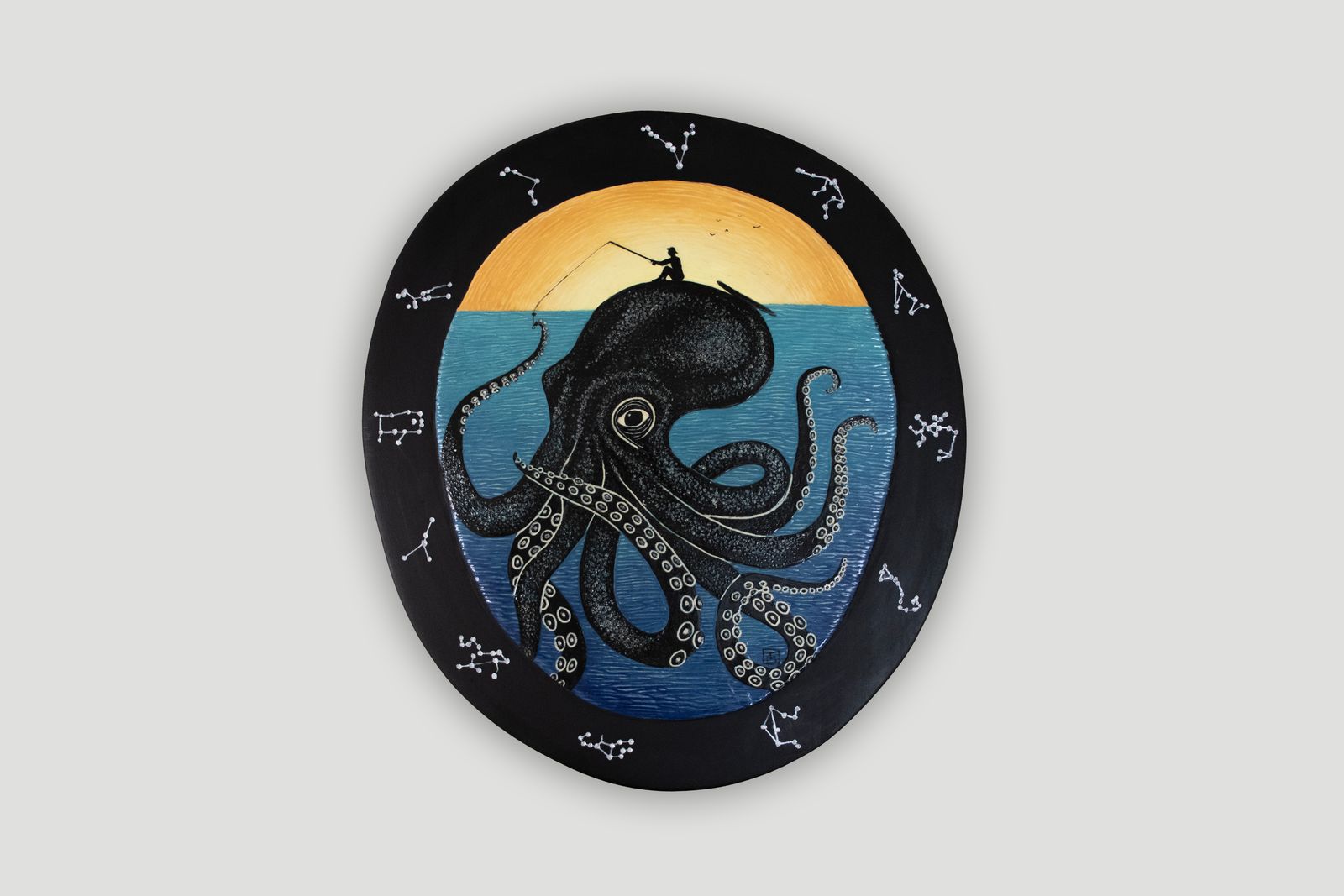
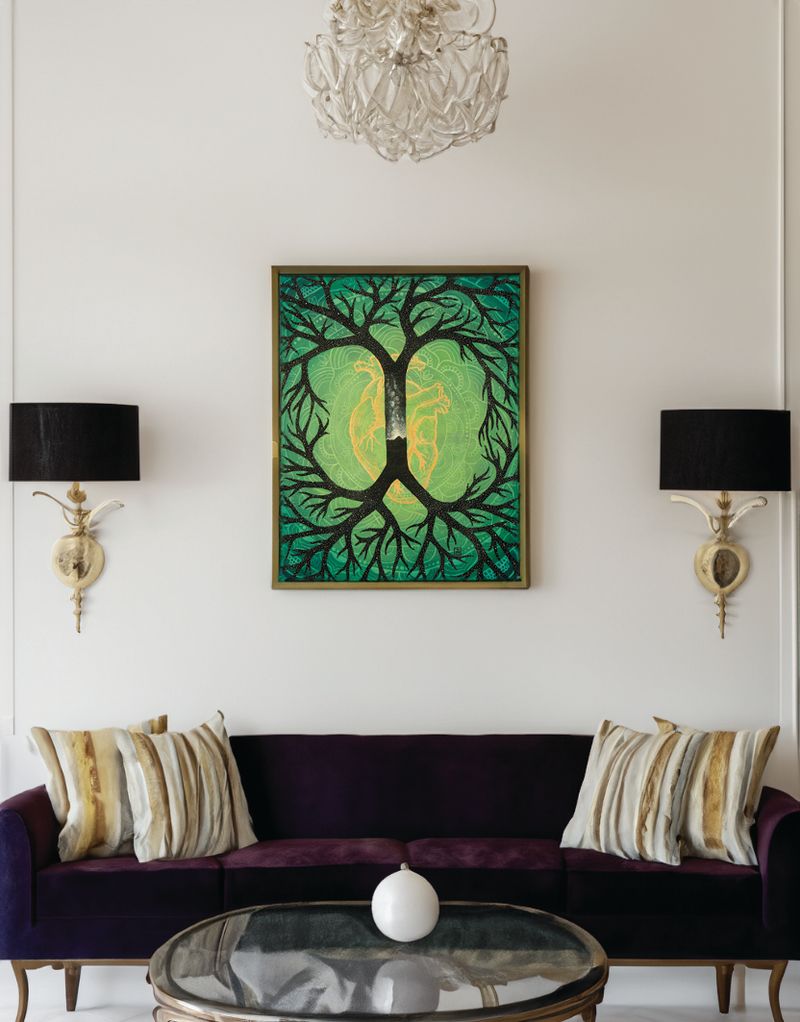
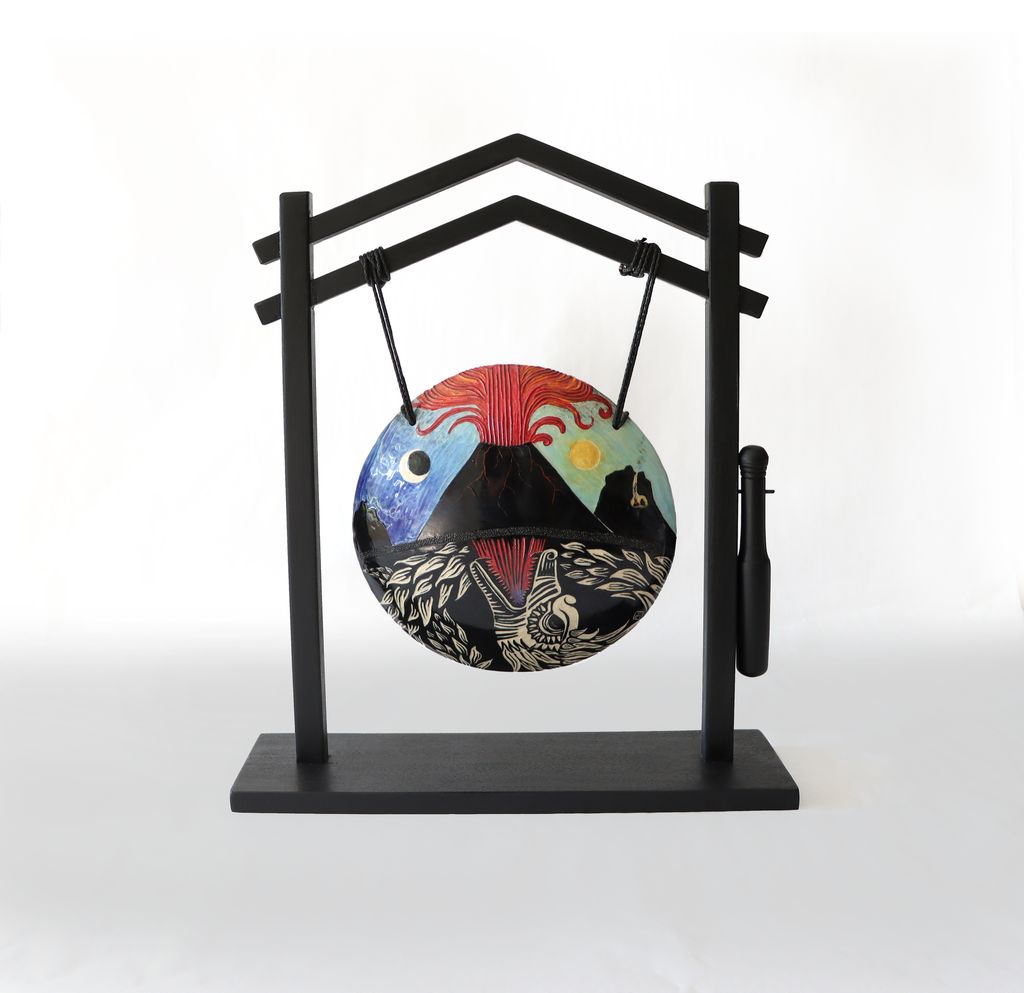
I’m Teresa Mandala, a multidisciplinary visual artist and designer. whose artwork explores the intersections of spirit, culture, and nature. My practice has always been about uncovering wisdom traditions, reconnecting with what has been lost, and creating pieces that invite viewers into reflection and transformation. What makes my work unique is the way I weave together the seen and unseen, using natural imagery, symbolic language, and an intuitive process to create art that feels alive and deeply personal.
Recently, I’ve been feeling called to travel more, and that has changed how I approach my work. Ceramics have been a big part of my artistic journey, but they are heavy, fragile, and not easy to bring along when moving between places. Because of that, I’ve returned to my roots in painting, especially watercolor. It feels like a natural shift since watercolor has a fluidity and immediacy that allows me to respond to the energy of a place or a person in the moment.
In these paintings, I have been integrating symbolism with nature and weaving those elements into portraits of diverse people. For me, these portraits are more than likenesses. They are windows. They expose what is behind the veil and offer a glimpse into the unseen, the parts of ourselves and our shared humanity that are often hidden but deeply present.
Appreciate your sharing that. Let’s talk about your life, growing up and some of topics and learnings around that. What relationship most shaped how you see yourself?
The relationship that has most shaped how I see myself is my relationship with my daughter. Becoming a single mother at 17 forced me to grow up quickly and taught me lessons about strength, resourcefulness, and resilience that I never learned as a child. Through her, I discovered that I am capable of far more than I ever imagined, and that the way people perceive me often reflects their own fears, limitations, or biases rather than the truth of who I am.
Attending the Kansas City Art Institute as a single mother was both inspiring and challenging. I was one of only a handful of students who were also parents, and every day required balancing the demands of school, work, and parenting. I remember a professor once telling me I would never graduate and that I should give up. Instead of letting it discourage me, that comment lit a fire within me. It became motivation to prove not just to him, but to myself, that I could succeed.
A few years later, when I walked across the stage to graduate with my daughter by my side, I ran into that same professor and saw the shock on his face. That moment was deeply satisfying, but more importantly, it was a vivid reminder of the resilience, determination, and love that motherhood has instilled in me. It has shaped not only how I see myself as a parent, but also how I show up as an artist and as a woman in the world.
What did suffering teach you that success never could?
I’ve come to realize that the way I show up for myself directly affects how much suffering I experience. Our strongest, most vital relationship should always be with ourselves.
There was a time when I often abandoned myself. I ignored my own desires, stifled my instincts, and tried too hard to fit in or meet other people’s expectations. The more I did that, the more I suffered. I felt disconnected, frustrated, and often lost. Over time, I learned that leaning into self-love, self-awareness, and honest self-reflection changes everything. The more I deeply know and honor myself, the better my life has become.
This practice of self-compassion doesn’t stop with me. It ripples outward into every relationship in my life. When I am gentle and understanding with myself, I can be truly compassionate with others. Suffering, in this way, became a teacher. It showed me that the most profound growth and freedom come from the work we do on ourselves, from embracing our own humanity fully and without judgment. Success can offer accolades or recognition, but suffering taught me how to live fully, how to love deeply, and how to create with authenticity and courage.
Alright, so if you are open to it, let’s explore some philosophical questions that touch on your values and worldview. Is the public version of you the real you?
Is the public version of me the real me? Absolutely. I strive to live my life authentically in every way, and that means showing up fully with my work, my relationships, and even in casual interactions. I have found that when I embrace my true self, it attracts people who do the same. My closest circle is filled with individuals who honor their own authenticity, and together that creates a space where vulnerability, honesty, and growth are celebrated rather than hidden.
Being authentic publicly does not mean I am without inner complexity or challenges. It means I do not pretend to be someone I am not or hide the parts of myself that feel messy or evolving. I believe the more we allow ourselves to be seen as we truly are, the more meaningful our connections and our work can become. Living authentically has also taught me that my art, my voice, and my presence in the world are strongest when they reflect who I really am without compromise or mask.
Thank you so much for all of your openness so far. Maybe we can close with a future oriented question. What do you think people will most misunderstand about your legacy?
I think people might misunderstand the depth of intention behind my work and my life. On the surface, my art may look like beautiful objects or striking imagery, but each piece carries layers of spirit, culture, and personal exploration. My legacy is not about recognition or accolades. It is about creating work that invites reflection, connection, and a deeper understanding of ourselves and the world around us.
Sometimes people might overlook the struggle and resilience behind my art. Becoming a single mother as a teenager, navigating life and creativity as a woman, and constantly seeking wisdom beyond what is immediately visible has shaped everything I do. I remember times when doors were closed or voices doubted me, and those experiences became lessons that fueled my work. My hope is that people will see my legacy not only in the art I create but in the courage, authenticity, and compassion that made it possible. I want my work to show that embracing your full self, including your challenges, can open the door to growth, insight, and a life lived fully.
Contact Info:
- Website: https://www.teresamandala.com
- Instagram: https://www.instagram.com/tmandalastudio/
- Linkedin: https://www.linkedin.com/in/tmandala/
- Facebook: https://www.facebook.com/TmandalaArt
- Youtube: https://www.youtube.com/@TMandalaStudio
- Other: www.bella-designs.biz (advertising/design website)