



We recently had the chance to connect with Parth Shaha and have shared our conversation below.
Good morning Parth, it’s such a great way to kick off the day – I think our readers will love hearing your stories, experiences and about how you think about life and work. Let’s jump right in? What is a normal day like for you right now?
I typically start my morning early, sometimes at 3 or 4 o’clock. I use that time to respond to all emails before I get bombarded with the unexpected operational issues that come up during the day. Most of the time, I use those early hours to catch up, but sometimes I dedicate them to special projects, such as planning renovations at one property or advancing initiatives at the hotel or another building.
After the kids go to school at 8, I usually go into the hotel or whichever project I’m focused on at the time. For example, right now I’m working on renovations at a former church, we’re repurposing it to offices. From there, my day tends to ricochet because new issues and completing existing priorities. The day typically finishes once I’ve addressed everything that’s urgent or pressing, or at least made meaningful progress on it. Some days that means I finish around 2 o’clock, and other days it can be 5 or 6 o’clock.
Can you briefly introduce yourself and share what makes you or your brand unique?
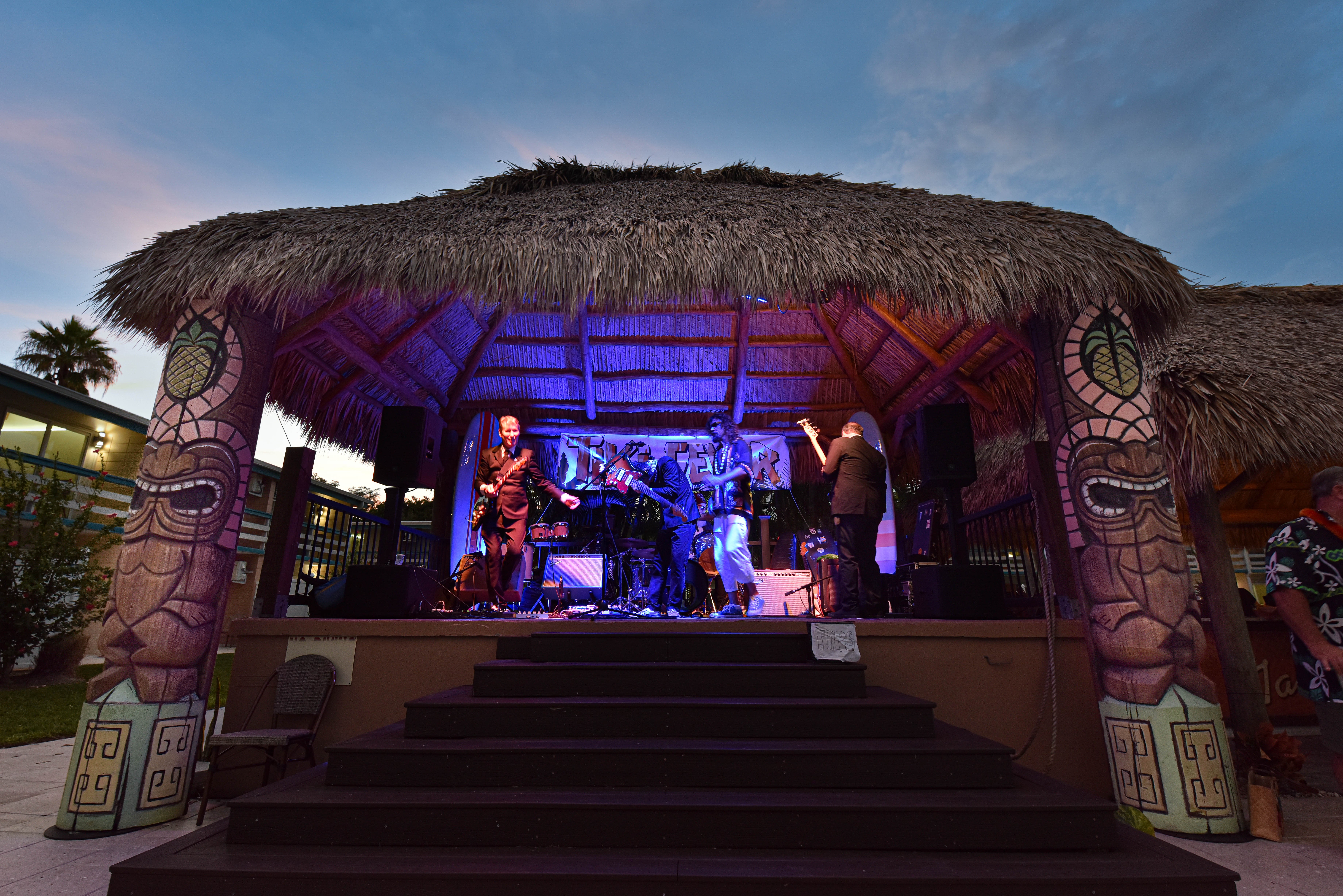
I’m a hotelier, and over the years I’ve operated several hotels across different brands in the economy and mid-scale segments. In 2019, I moved to Florida and acquired the Golden Host Resort along with the Bahi Hut, which is not only the oldest tiki bar in Florida but also the longest continuously operating tiki bar in the country.
What makes this project unique—for me and for my guests—is that it’s an experience. I’ve serviced a lot of guests across multiple hotels, but the biggest impact I’ve been able to make is at this property. When people arrive, they immediately feel it—not just the warm weather and sunshine, but also the energy of the hotel environment: the décor, the staff, and the overall atmosphere, all geared toward creating happy guests.
Unlike working under brand regulations, here I have more creative freedom to shape the guest experience. That freedom allows me to create unique initiatives—whether it’s offering a complimentary drink in place of breakfast, organizing pool parties, or adding cabanas to the pool area. I also get a lot of hotel takeover groups, and I even host my own three-day festival, Tiki Fever, which immerses guests in music, tiki culture, and community.
Ultimately, my goal is to make this property more than just a place to stay. Sarasota has incredible beaches, events, and attractions, but when guests come back to the Golden Host, I want it to feel like their second escape. A place where they can go up to their room to get ready, then come down to the bar, relax by the pool, and feel like everything they need is right here without stress or worry.
Amazing, so let’s take a moment to go back in time. Who were you before the world told you who you had to be?
I graduated in 2008 from Loyola Chicago, where I studied molecular biology and minored in biochemistry. At that time, I was very confused about who I was and what the world was telling me I should be. I was good at the sciences, but it wasn’t truly my passion. By the time I figured that out, I was already too far into the process to change career paths without extending my college debt and prolonging school.
After college, I went to Target and worked at their headquarters in sourcing. From there, I moved into branch management at a regional bank in Illinois and Wisconsin. It wasn’t until I got into my first hotel that I realized the path I had taken wasn’t really who I should be, but rather what I was good at. My eventual realization across all of those roles—research, sourcing, banking, and hospitality—was that the skills and the application of them towards the jobs was more important than the tasks themselves.
What’s been consistent throughout is that I’m good at data, understanding patterns, and prioritizing what’s important. In the lab, when we ran experiments that might take months, success depended on knowing what to prioritize in the process. That same methodology carried over into my work at Target, the bank, and eventually into hotels.
So who I was before the world told me who I had to be? At first I followed what the world told me I was good at. Now, I’m applying what I’m good at to the things I want to do.
Was there ever a time you almost gave up?
Philosophically, I believe that the difference between failure and success on any given project comes down to one thing: are you willing to get up and try again every time you fall? I’ve carried that mindset throughout my life.
I had a rough upbringing. My family immigrated to the U.S. in 1993, when I was seven or eight. The process of coming here was difficult. Learning English was difficult. We lived in the suburbs of Chicago, and we were the wrong ethnicity in the wrong neighborhood—but that was all we could afford. There was a lot of racism, and we also struggled financially, at times to the point that food was an issue.
What carried me through those years and all the hardships that followed was always long-term thinking. As a kid, I didn’t consciously understand that if I thought 10 years ahead, everything would be okay. But going through so many obstacles, I built a habit of survival and persistence. Eventually, once you move beyond just surviving, it becomes a conscious choice to live happily instead of staying stuck in that survival mindset. That’s become a routine meditation point for me, drop the survival mindset but keep the persistence. That shift is very difficult, but it’s necessary.
So yes, the thought of giving up has occurred at many different points in my life. But the choice to give up—that’s never happened.
So a lot of these questions go deep, but if you are open to it, we’ve got a few more questions that we’d love to get your take on. Where are smart people getting it totally wrong today?
I have a lot of peers who are successful in their industries or line of business, and what I see is that people don’t live consciously enough. This doesn’t just apply to smart people—it applies to everyone—but it’s especially disappointing when I see it in people who have struggled, persevered, and thrived. They put in all that effort to succeed, but they don’t improve themselves as much as they improve their financial circumstances.
As you grow and achieve financial freedom, that should give you more time to invest in your personal life, personal development, character, and awareness. If you don’t allocate that time proportionately, then your happiness doesn’t grow alongside your bank account. And that’s where I see a lot of people suffering from their own success.
I know people who have tens of millions of dollars and yet they’re deeply unhappy. If you have the freedom to walk away from the stress of making money or maintaining it, why keep yourself bound to a path that clearly makes you miserable? I believe it’s because too many people just move through life as it comes instead of consciously considering the whole picture.
Okay, we’ve made it essentially to the end. One last question before you go. Could you give everything your best, even if no one ever praised you for it?
I think feeling acknowledged and seen is a struggle that everyone has. In one form or another, that’s what we all want—to feel loved, to feel noticed, to feel like we matter. But the other side of that is, you must see, acknowledge, and love yourself first. Before you ask it of anyone else, did you give those things to yourself?
For example, if you’re in an argument and you feel like the other person isn’t understanding you or isn’t caring about your perspective, the most important thing isn’t what they’re doing—it’s whether you understand your own point and whether you’ve given your own perspective enough acknowledgment.
There’s a saying I heard recently: whatever we want from the world, we need to give ourselves first. That really stuck with me. I’m trying now to focus on that—prioritizing giving myself what I want from others before asking them to give it to me. That shift in mindset, that diminishing of expectation, changes a lot in your relationships in a very positive way.
Contact Info:
- Website: https://www.bahihut.com
- Instagram: https://www.instagram.com/explore/locations/511181388953688/bahi-hut/
- Facebook: https://www.facebook.com/BahiHut/