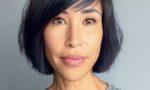



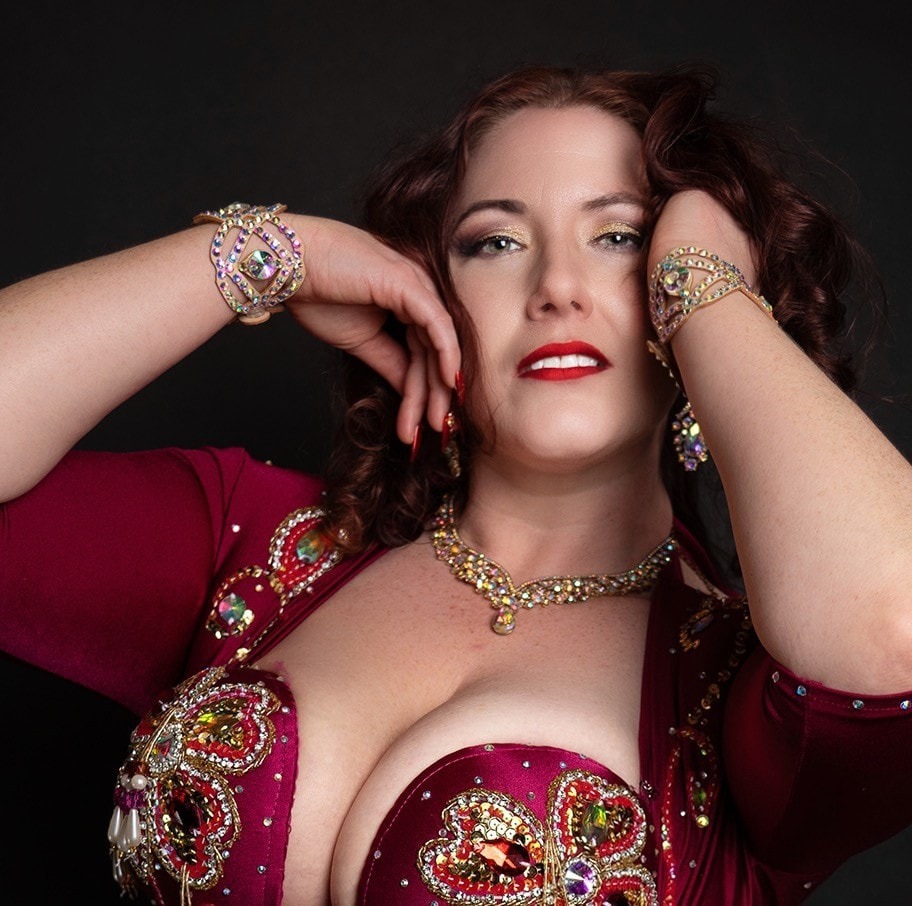
We’re looking forward to introducing you to Oriana Brooks. Check out our conversation below.
Oriana, a huge thanks to you for investing the time to share your wisdom with those who are seeking it. We think it’s so important for us to share stories with our neighbors, friends and community because knowledge multiples when we share with each other. Let’s jump in: What are you most proud of building — that nobody sees?
One of the things I’m most proud of is the organic network of artists, dancers, producers, and musicians that has grown out of Fanoos Magazine. When I started it, I was focused on creating a platform to share voices and stories, but over time, it became much more than just an online publication. We’ve featured a wide range of contributors—speakers, writers, performers—and what’s been really rewarding is seeing them connect and collaborate beyond the pages of the magazine. To most readers, each article or interview might seem like a standalone feature, but behind the scenes, there’s this evolving community that’s learning, growing, and creating together. That’s where the real magic happens.
Can you briefly introduce yourself and share what makes you or your brand unique?
My name is Oriana, and I’m an international bellydancer and instructor based in Temple Terrace, Florida. I’ve been performing Middle Eastern dance for nearly 20 years, and my passion for authentic Egyptian technique and history has taken me all over the world to share and teach this art form. In addition to performing, I’m the creator of *Fanoos Magazine*, a platform dedicated to elevating voices in the dance community. I’m also a published author and a proud member of both Disco Iskandar Troupe and Boom Boom Shake. If that wasn’t enough, I sit on the board of directors of both Jawaahir Dance Company and CARE Arts Global. Everything I do is rooted in a deep respect for the culture and a drive to build meaningful connections through the art of dance.
Thanks for sharing that. Would love to go back in time and hear about how your past might have impacted who you are today. What part of you has served its purpose and must now be released?
I recently turned forty, and as a performing artist, that milestone feels both exciting and deeply meaningful. There’s definitely a real conversation to be had about ageism in our industry—years of training can take a physical toll, and there’s often this unspoken pressure around youth and visibility, especially for women. But I’ve started to see this stage of life not as a limitation, but as a powerful shift in how I approach my storytelling on stage. It’s influencing the music I choose, the way I present myself, and the emotional depth I bring to my performances. I used to believe there was a timeline I had to follow, but I’ve let that go. I’m learning that beauty isn’t confined to youth—it evolves, and it deepens. That realization is reshaping my art in really inspiring ways.
What have been the defining wounds of your life—and how have you healed them?
I entered a domestic violence shelter on my 28th birthday, and that moment—along with everything surrounding it—completely changed the trajectory of my life. It redefined what I thought adulthood would look like, and forced me to rebuild from the ground up. The trauma I experienced runs deep, and while parts of it may always stay with me, it’s also given me a profound emotional depth that I now channel into my art. As a performer, I’ve never shied away from intensity or vulnerability. Looking back, I think I was willing to take creative risks that others hesitated to take, because in my mind, I had already faced the unthinkable. That experience also fuels my commitment to helping others—I serve on the board of CARE Arts Global, where we provide support and resources to survivors of domestic violence and sexual assault. It’s important to me that I use both my voice and my art to uplift others who are finding their way forward too.
So a lot of these questions go deep, but if you are open to it, we’ve got a few more questions that we’d love to get your take on. What would your closest friends say really matters to you?
Anyone who’s studied with me or worked with me professionally knows that one of my core values is access. I believe deeply that Middle Eastern dance should be available to anyone who wants to learn it. This art form faces unique challenges in Western society—whether it’s the financial barriers or the cultural stigma that still surrounds it—and I’ve always been committed to pushing back against that. If someone comes to me with a genuine desire to learn, I’ll do everything I can to make that education possible. For me, it’s not just about technique—it’s about preserving and sharing something meaningful, and making sure it remains open to those who feel called to it.
Before we go, we’d love to hear your thoughts on some longer-run, legacy type questions. What is the story you hope people tell about you when you’re gone?
When I’m gone, I hope people remember me for my dedication, my love for the dance, and my openness. I’ve never wanted to gatekeep knowledge—this art is something to be shared, not hoarded. While I am a professional, I’ve always made an effort to show up as a real person. In our world, especially as public figures, there’s often pressure to present this polished image, like we have it all figured out. But I believe there’s power in honesty. I try to gently challenge that expectation by allowing space for emotion, vulnerability, and even struggle—both in my work and in how I show up in the community. To me, that’s what makes the art—and the connection—real.
Contact Info:
- Website: https://www.orianabellydancer.com
- Instagram: https://www.instagram.com/orianabellydance
- Facebook: Oriana Bellydance
- Youtube: https://www.youtube.com/@OrianaBellydancer
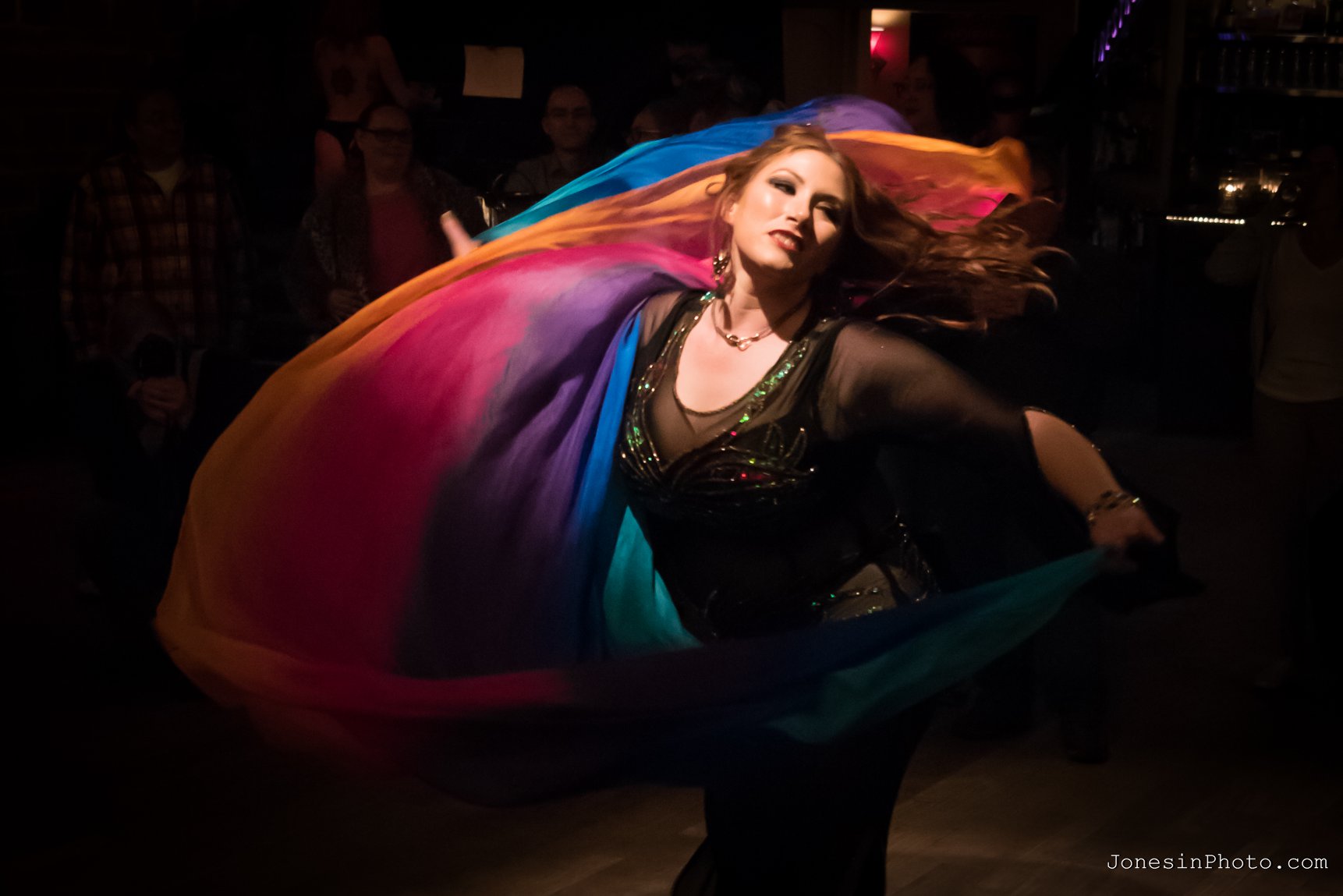
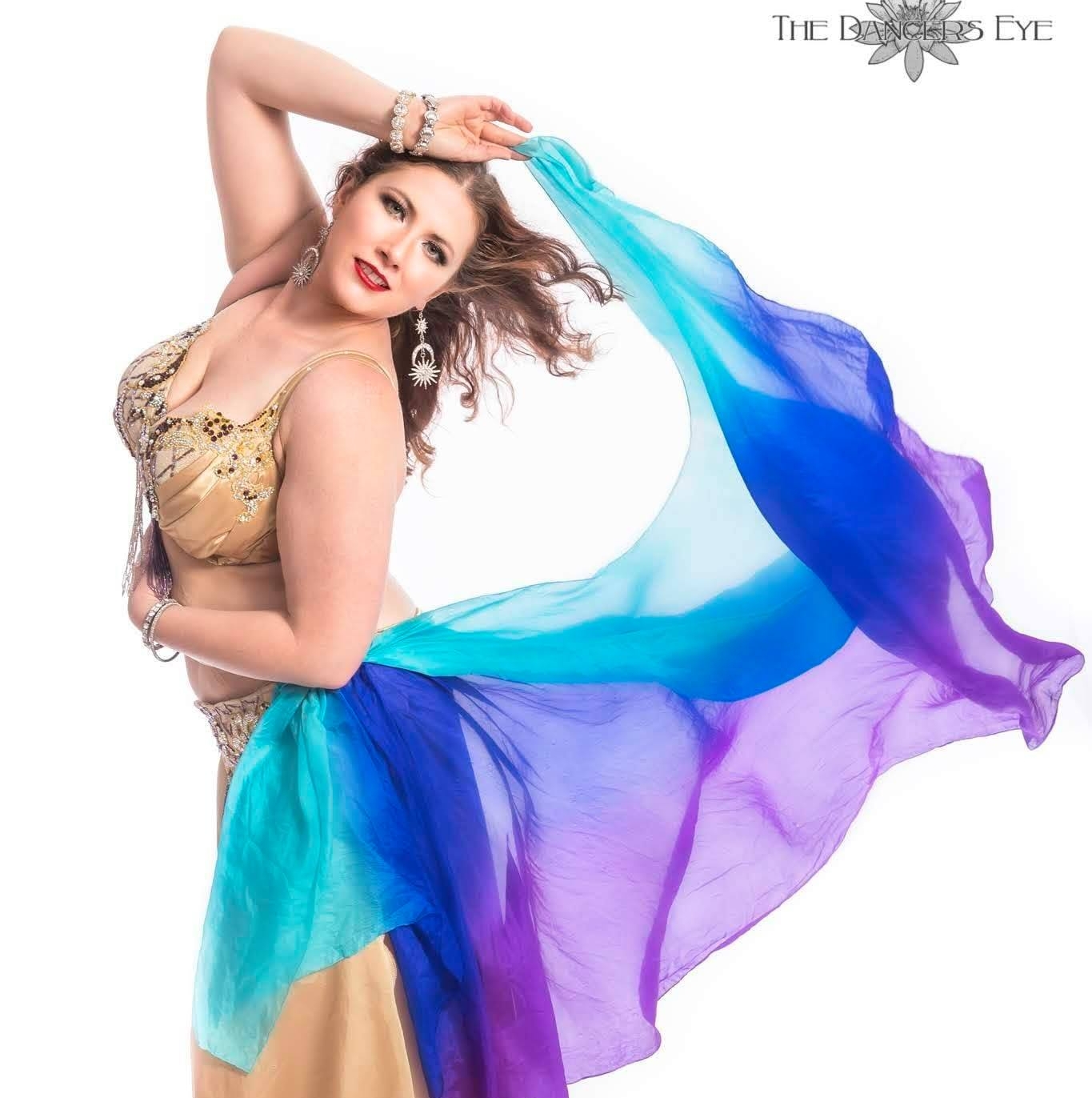
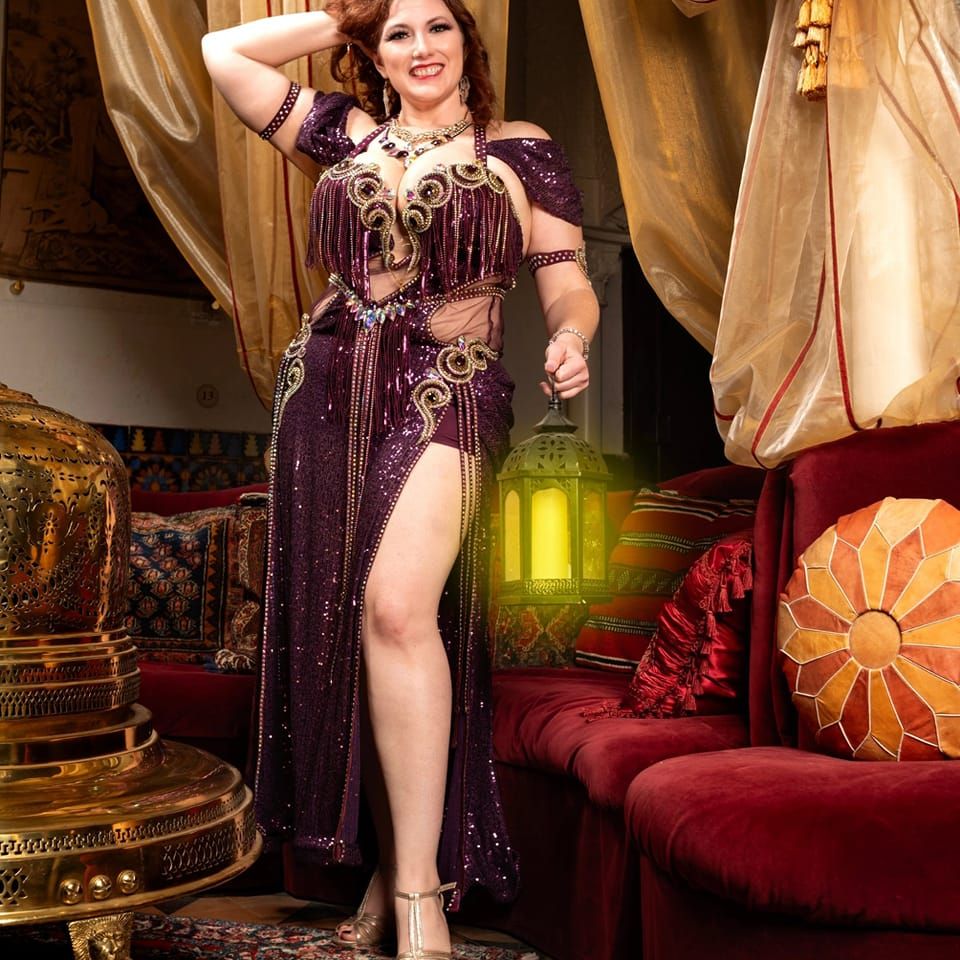
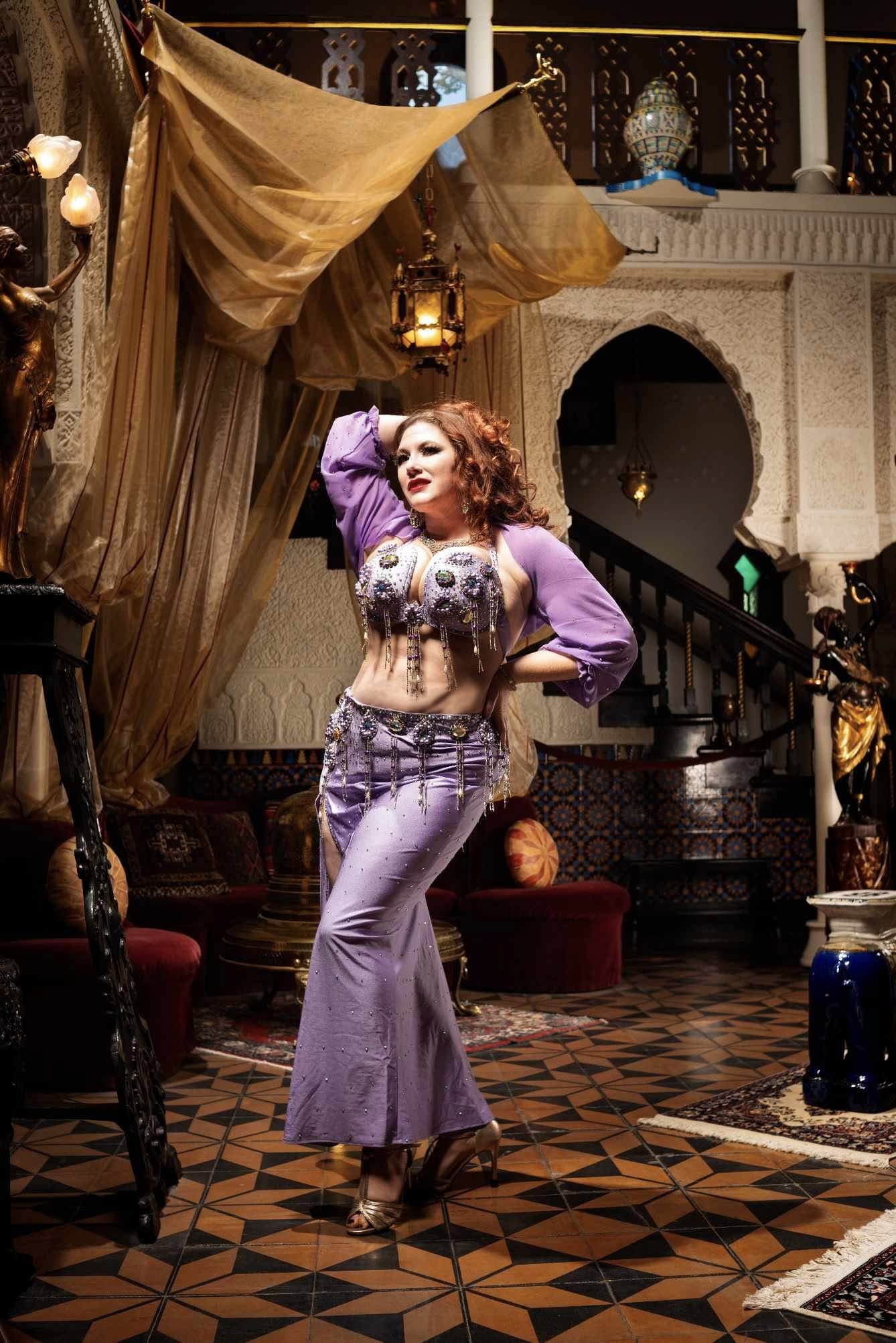
Image Credits
Dan Washington
Randy Poe