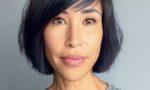




We’re looking forward to introducing you to Diana de Avila. Check out our conversation below.
Good morning Diana, it’s such a great way to kick off the day – I think our readers will love hearing your stories, experiences and about how you think about life and work. Let’s jump right in? What do the first 90 minutes of your day look like?
The first 90 minutes of my day are quiet but deeply intentional. I start with a cup of black coffee—simple and strong—and settle into morning prayer. I usually begin with the Liturgy of the Hours and canticles, letting that rhythm center me before anything else begins.
This simple routine is how I stay grounded as a neurodivergent savant artist. That rhythm helps me organize my day and calm the sensory noise that can come with a creative mind. Often, visual ideas—shapes, colors, or full-blown compositions—come during this time. That gentle space between silence and inspiration is where my work begins.
Can you briefly introduce yourself and share what makes you or your brand unique?
I’m a digital abstract artist, U.S. Army veteran, and acquired savant. My journey into art began unexpectedly after a traumatic brain injury and worsening multiple sclerosis in 2017. What emerged was a deep and unusual ability to create complex digital works, often rooted in fractals, geometry, and mathematical structures.
Through my practice, TechCanvas Studios, I focus on motion art, augmented reality, and algorithmic compositions that explore perception, structure, and transformation. I use fractal software, a myriad of tools, and post-processing techniques to push the boundaries of what digital art can express. I’m represented by ArtLifting and have work in public installations, corporate spaces, and exhibitions across the U.S.
Okay, so here’s a deep one: Who were you before the world told you who you had to be?
Before the world handed me an Army uniform, diagnoses, and expectations, I was a deeply curious kid — always asking questions, observing patterns, and dreaming big. On special summer vacations, I spent hours by Lake George in the Adirondacks, imagining mystical worlds I couldn’t see and leaning on my faith to make sense of it all. I was introspective, spiritual, and analytical — wired to think differently, even if I didn’t have the words for it yet.
Over time, I learned to fit into systems that valued structure and output — the military, religious life, academia, corporate roles. But when my health shifted after a TBI and worsening MS, the parts of me I had buried came back in full force — only now expressed through fractal software and digital tools. I suddenly became an artist!
In a strange way, I’ve returned to that imaginative, questioning girl by the lake — just with new tools, a deeper purpose, and a clearer sense of who I really am.
Was there ever a time you almost gave up?
Yes—more than once. When I was diagnosed with MS, followed by a traumatic brain injury and a cascade of unexplained symptoms, I hit a wall. My body was changing, my mind felt unstable, and the identity I’d built as a high-performing, capable person was unraveling. I couldn’t work in the same way. I was exhausted just trying to get through the day. There was a period when I felt stripped of everything—my career, my physical abilities, and the future I thought I had.
But in the middle of that breakdown, something unexpected happened. Creation struck like a bolt of lightning. It wasn’t gradual—it was sudden, intense, and undeniable. I began seeing the world in complex patterns, in motion, in color. I opened up fractal software, and what emerged felt like it had always been inside me, just waiting to be unlocked. That creative burst didn’t just give me purpose—it gave me a new identity. I went from nearly giving up to discovering I was an acquired savant, and that my life wasn’t over. It was starting again—on entirely new terms.
Next, maybe we can discuss some of your foundational philosophies and views? What would your closest friends say really matters to you?
My closest friends would say that what really matters to me is staying aligned with God’s purpose for my life. I’ve had to start over more than once, and through each shift, my faith has kept me grounded. Creating art is how I follow my calling now. I value authenticity, truth, and doing the work I feel I was entrusted with. I’m not especially interested in trends or image. What matters most is staying real, using the gifts I’ve been given—especially the ones that arrived so unexpectedly—and remaining centered in what God is asking of me.
Thank you so much for all of your openness so far. Maybe we can close with a future oriented question. What is the story you hope people tell about you when you’re gone?
I hope people say I didn’t just adapt to what life threw at me—I transformed it. That I took the hardest parts—loss, illness, identity fracture—and made something meaningful from them. That I stayed rooted in faith and used my art to reflect something bigger than myself. I want the story to be about resilience, integrity, and answering a call, not chasing trends. That I stayed true to who I was becoming, not who the world expected me to be. And hopefully that I gave more than I took.
Contact Info:
- Website: http://www.dianadeavila.com
- Instagram: https://www.instagram.com/_dianadeavila
- Linkedin: https://www.linkedin.com/in/dianadeavila
- Facebook: https://m.facebook.com/DianadeAvilaArtist/
- Other: ArtLifting Profile: https://www.artlifting.com/collections/diana-de-avila
Artsy Collection: https://www.artsy.net/artist/diana-de-avila
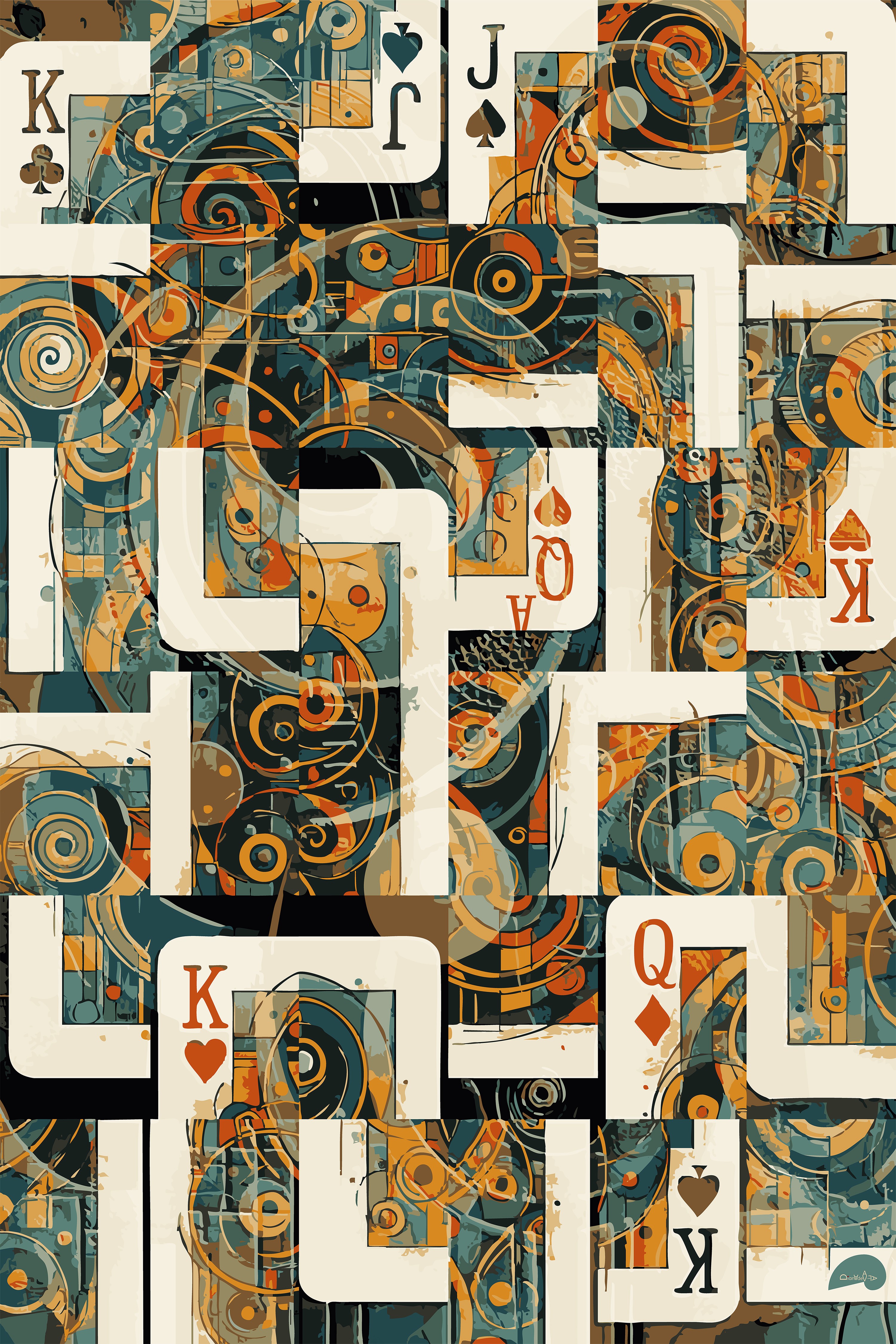
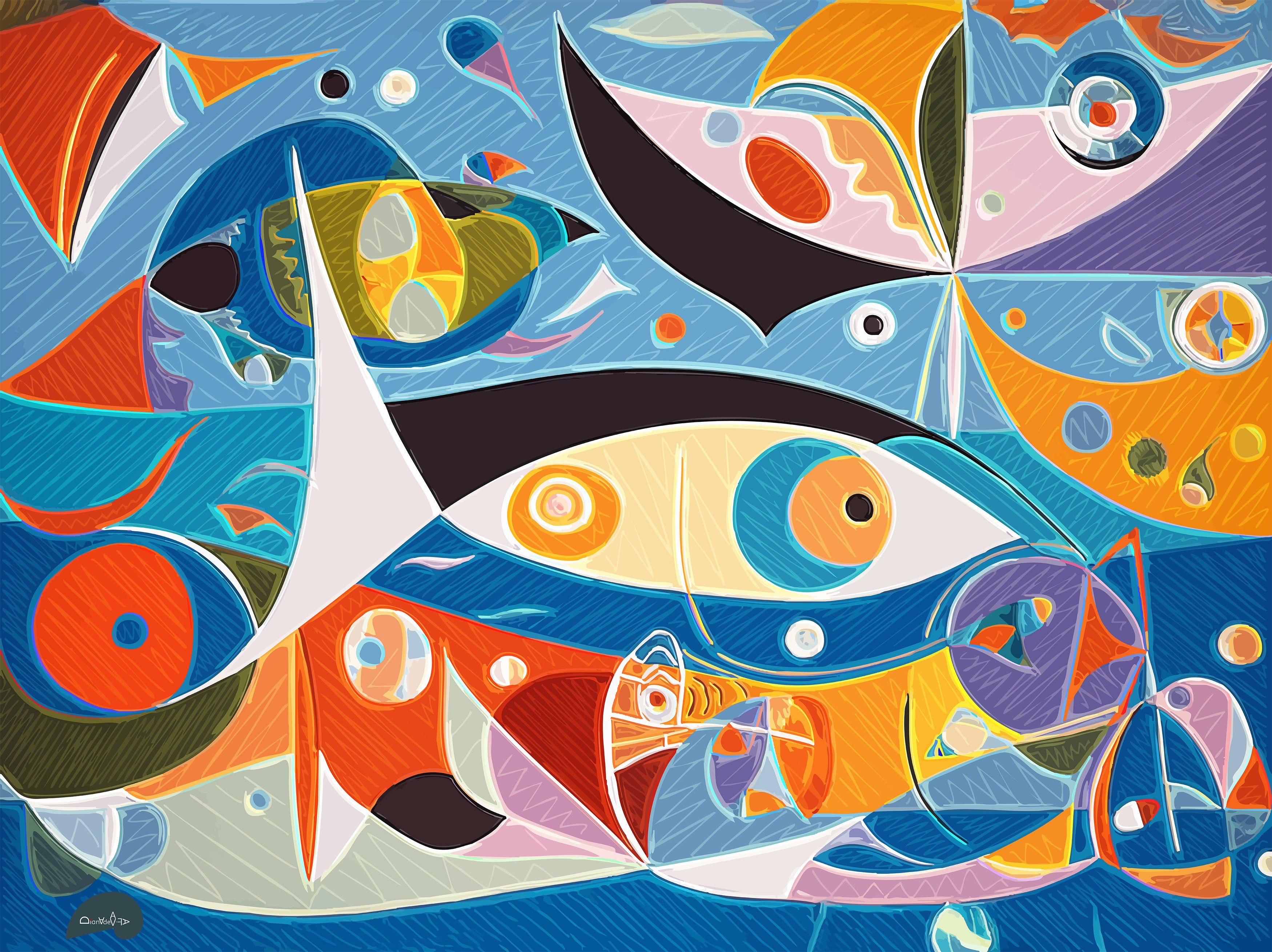
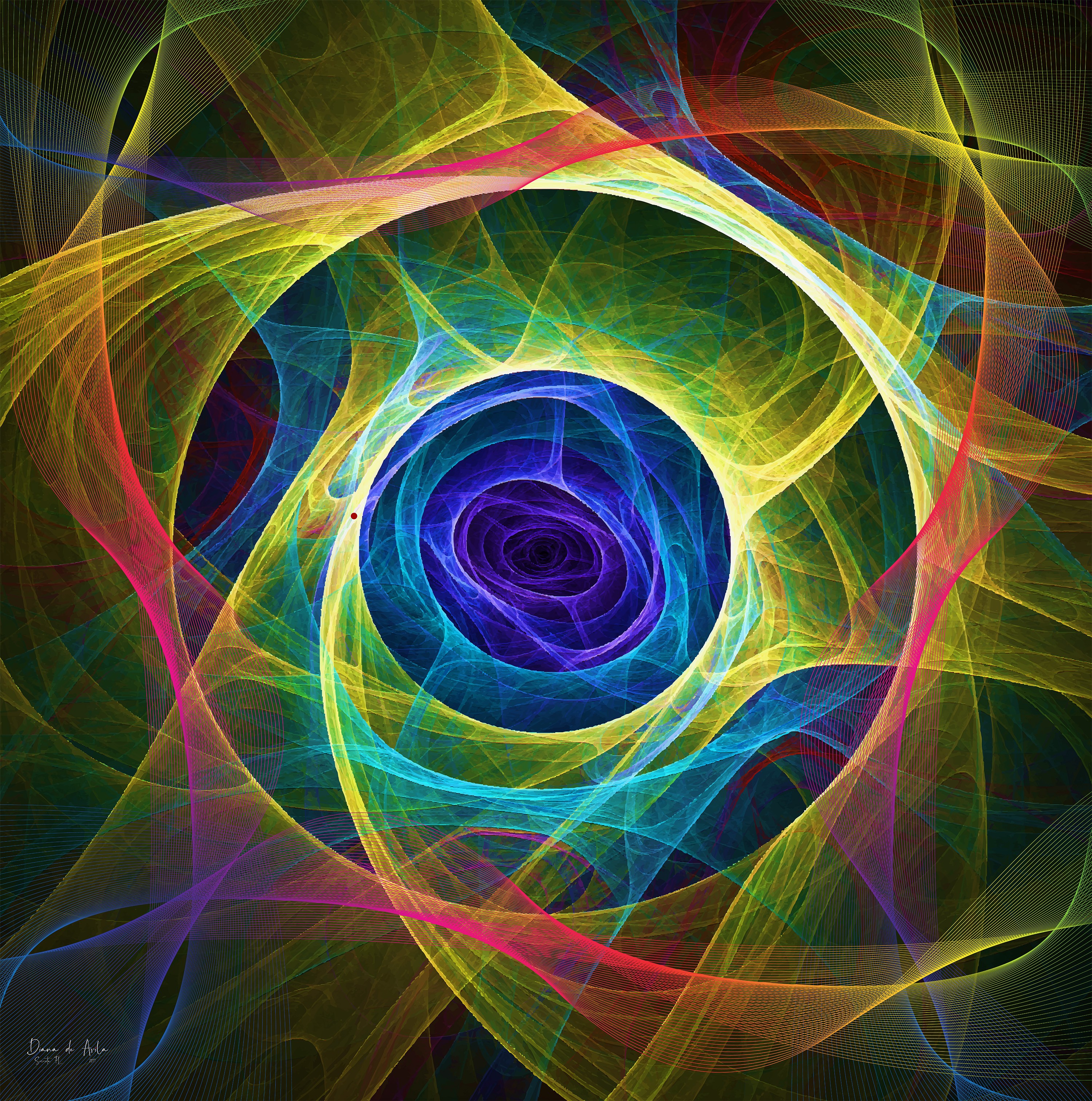
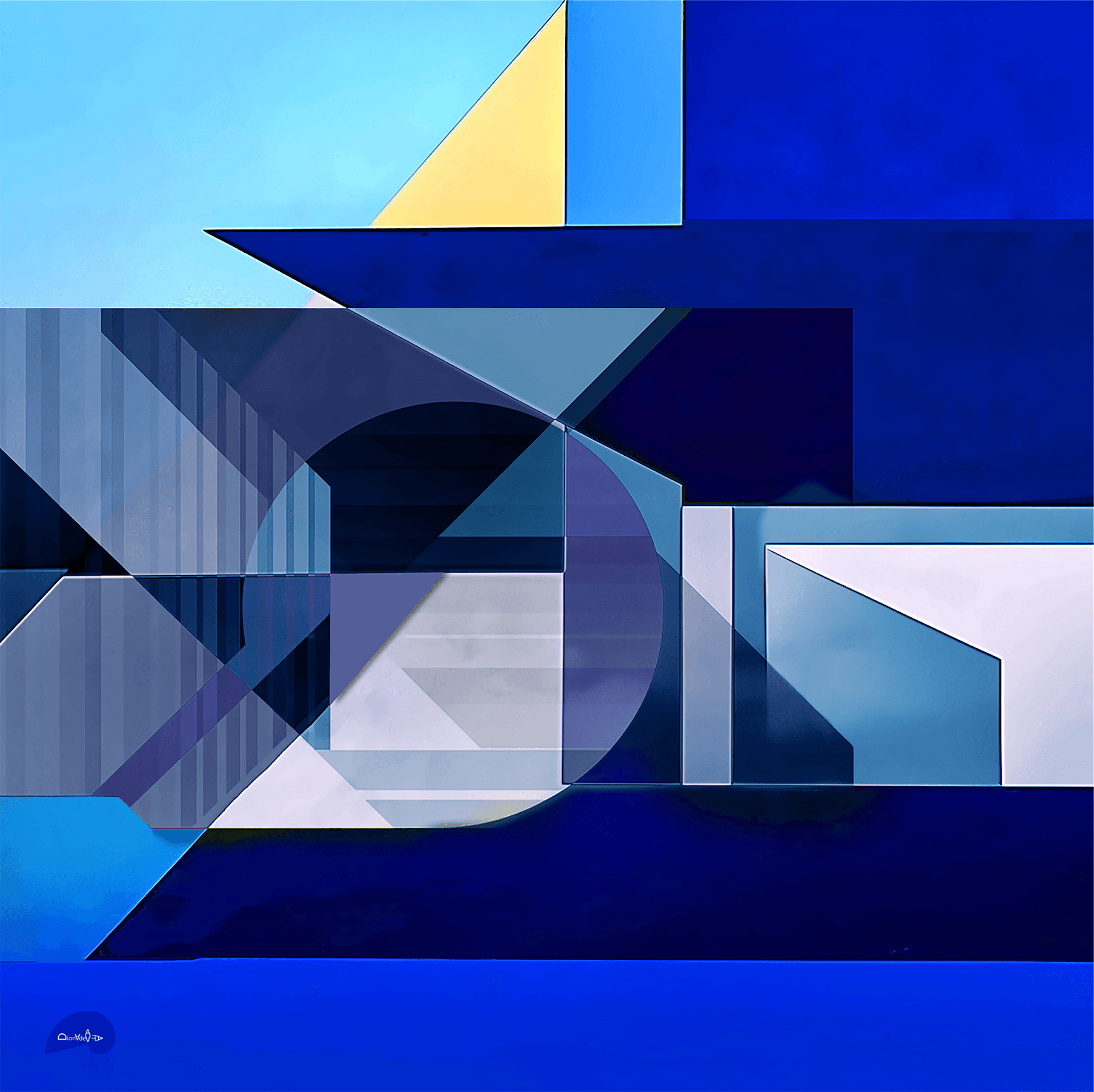
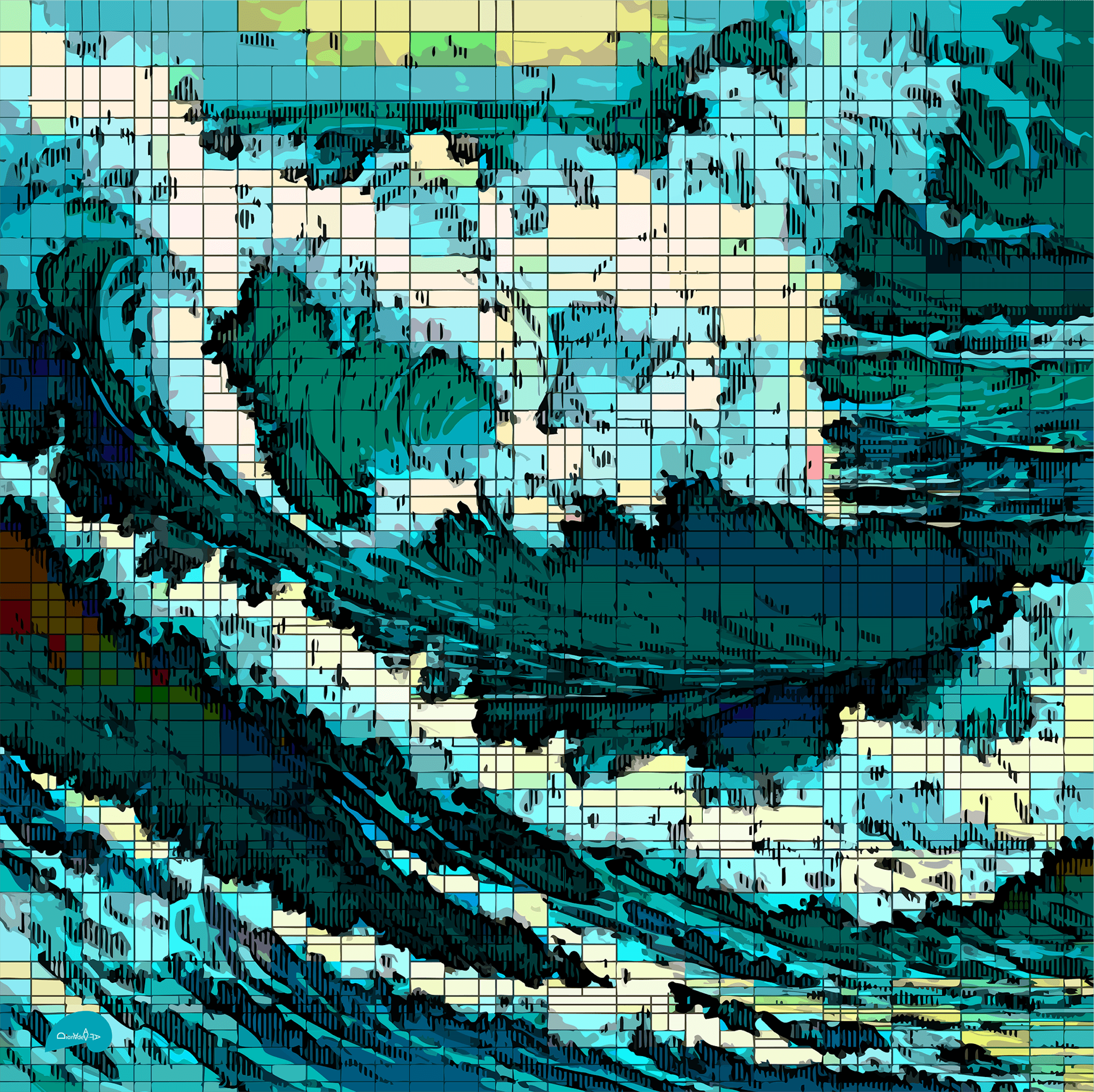
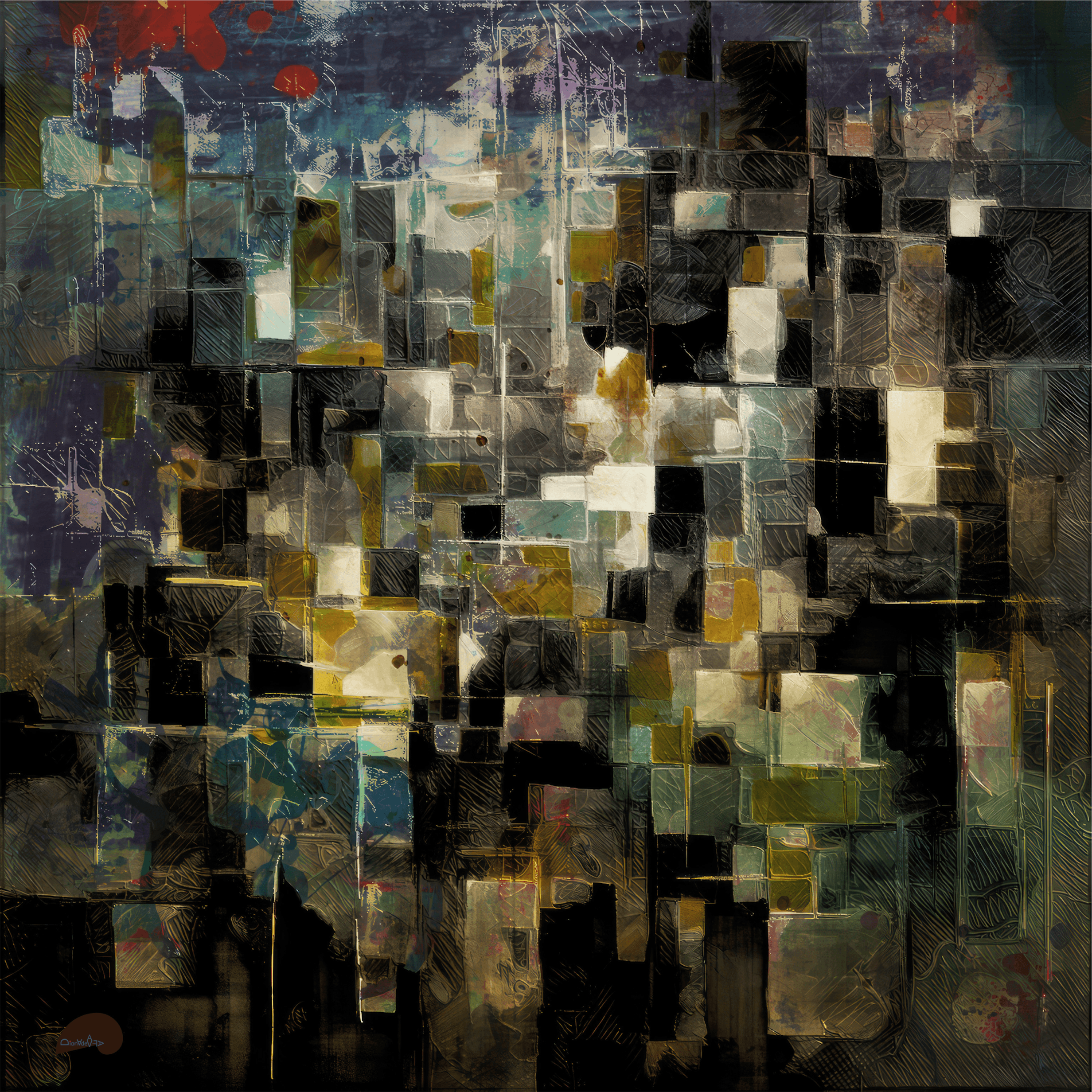
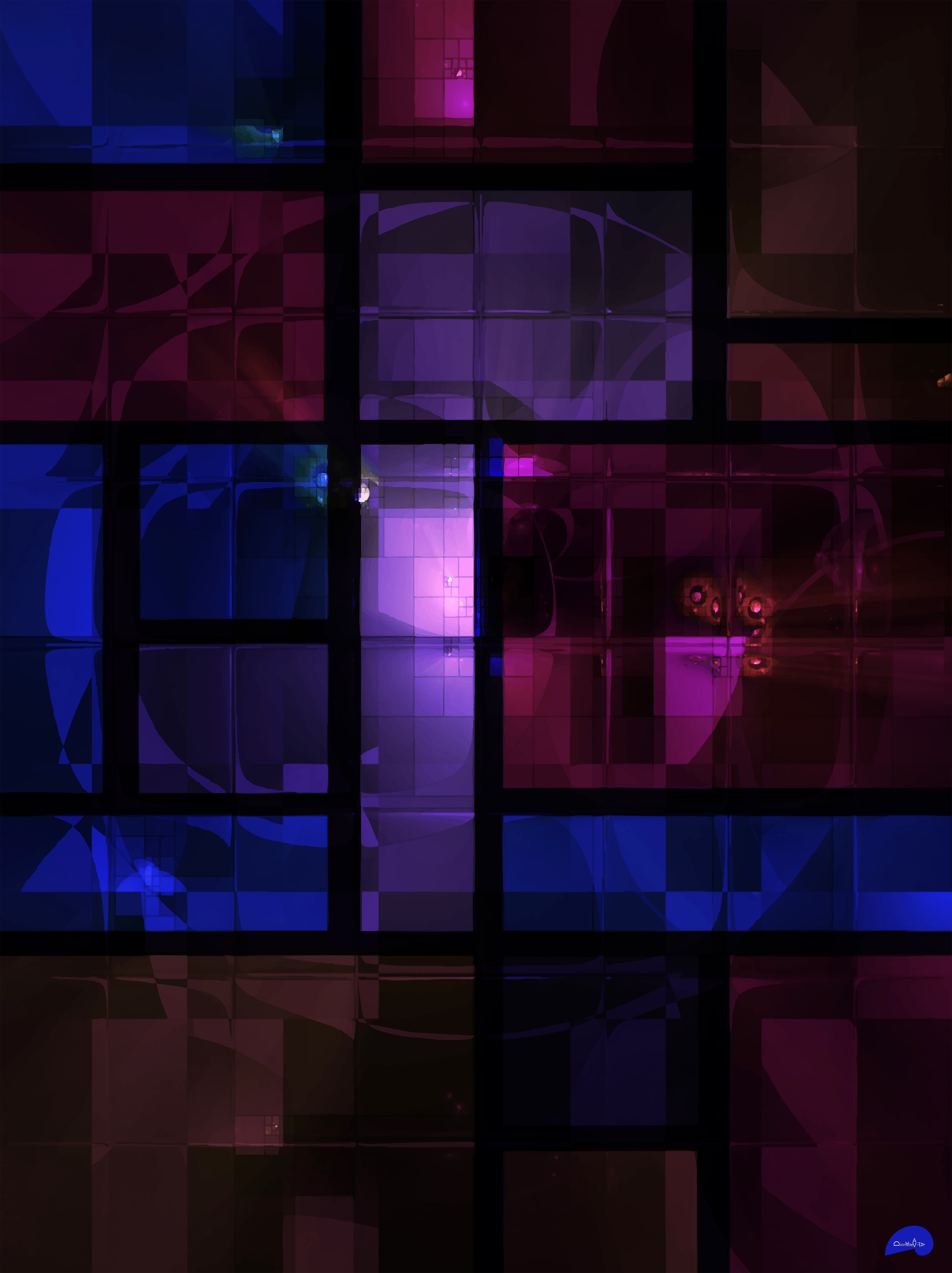
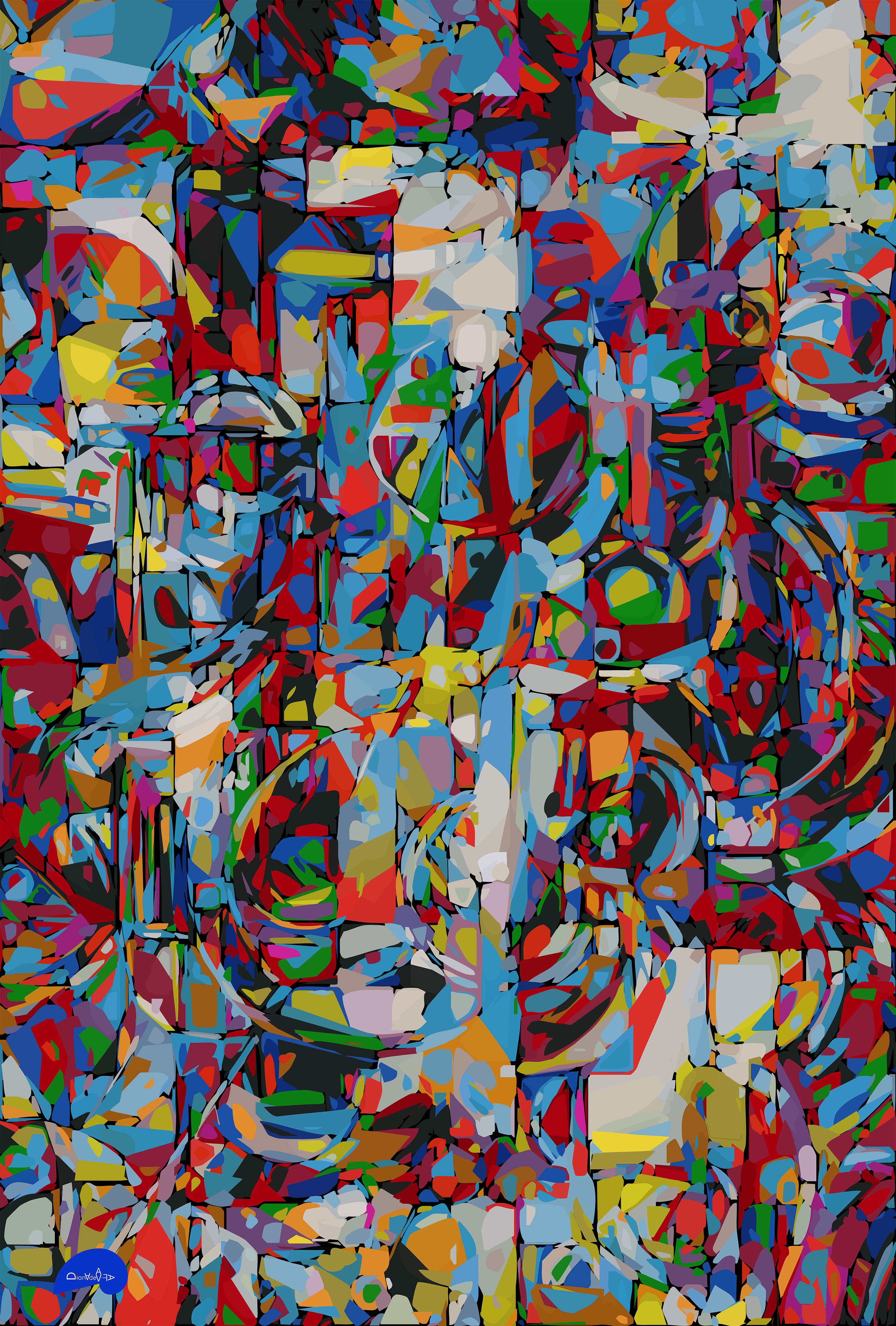
Image Credits
Chris Lake (for Headshot photo)