



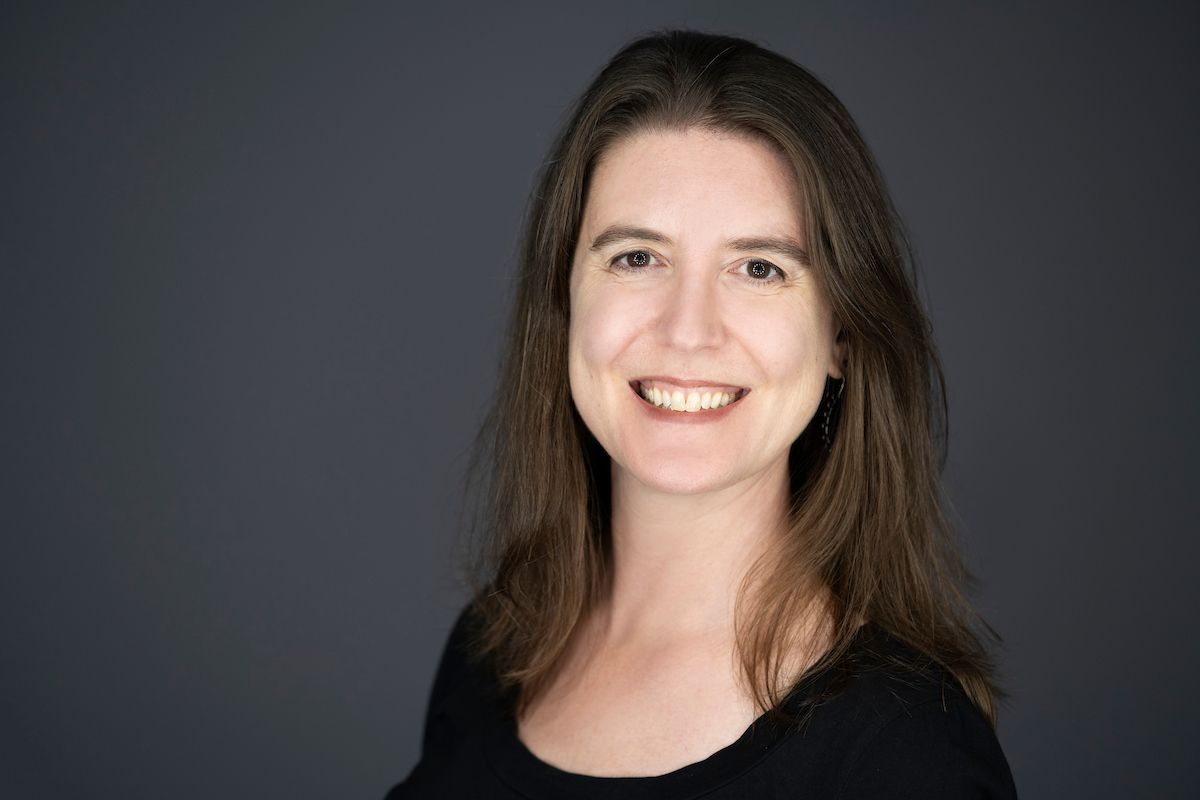
Today we’d like to introduce you to Jorie Berman.
Hi Jorie, thanks for sharing your story with us. To start, maybe you can tell our readers some of your backstory.
Looking back on my formative years, I see many things that influenced my artistic sensibility and my path to working with clay. I grew up surrounded by creatives and makers. Bubby, my maternal grandmother, was a collector of odd things and a maker of nearly everything. We used to make little characters out of acorns and puppets out of bizarre scrap materials she had collected. She made clothes for my Barbie and converted mushroom baskets into bassinets embellished with satin and lace, so the kewpie dolls she made for all neighborhood kids had a place to sleep.
My dad and stepmom are potters, and they ran a ceramic and folk-art gallery in the Little Five Points neighborhood in Atlanta when I was a kid in the 1980s. I visited them on weekends and spent a lot of time in the gallery being equally mesmerized by my dad throwing pots and enthralled by the punk pedestrians in leather and spikes, with colorful mohawks and tattoos.
I attended a handful of opening receptions at the gallery, which meant that I got to meet the most interesting people- eccentric artists and art collectors- and I really loved being around them! I folded paper cranes and gave them to the guests, and when it got late, my dad would make me a little “bed” on a worktable in the back so that I could sleep.
I also got to accompany my dad on a few buying trips. I met Howard Finster and explored Paradise Garden. I watched Mose T paint in his bedroom studio in Montgomery, Alabama until the paint fumes and heat got the best of me and I passed out. That day Mose let me pick out a painting to take home. I chose a painting of a pink bird/dragon-like figure. Years later, Mose gave my dad a painting to give me—a slice of watermelon filled almost all the page, leaving only enough room for his signature and an inscription of “For Jorie.” I was so impressed by the fact that he remembered me. I fainted yet again on a different studio visit, this time while watching RA Miller paint one of his tin cut-outs in the midday summer heat of rural Georgia.
When I started college, I was interested in studying either art or science. I started out on the science route, but I realized in that first year that I didn’t really fit in with the pre-professionals. I decided to pursue a life in the arts, so I majored in Studio Art with a minor in Italian. A semester before graduating with a Studio Art degree, I took my first ceramics class and fell in love with clay! People often assume that I grew up making pots because my parents did, but that is not the case at all. I may have even avoided clay so as not to follow in their footsteps. But once I took that first class in college I was hooked. I stayed on as a special student and earned my BFA in ceramics at UGA.
I then went to graduate school at RISD to hone my craft. I chose RISD because in many ways their ceramics program was opposite of UGA’s. At UGA, undergraduate students were encouraged from the onset to be expressive and find their own voice in clay. At RISD, technique and skill were taught first. I thought it would be good for me to tighten up some of my technical skills and to live in another part of the country. I wanted an opposite experience to round myself out.
I maintained a studio practice over the years, but my day job dictated how much time and energy I had left for the studio. It took 15 years, but in 2020 I finally was in a position to try being a full-time artist, so I started Biscuit Ceramics.
Alright, so let’s dig a little deeper into the story – has it been an easy path overall and if not, what were the challenges you’ve had to overcome?
There have been many struggles along the way, but I never had any illusions that being an artist would be easy. Relying solely on selling your art to make a living is extremely challenging. After earning my MFA, I taught as an adjunct professor at several colleges and waited tables to supplement my income. The adjunct lifestyle is tough—you never know if you’ll get classes the following semester, there’s no health insurance, and there was a lot of commuting. After many years of that uncertain lifestyle, I took a more secure job working in admin at an art school. The certainty and security were great, but the 8-5 hours made it hard to have enough time to do my own work.
In 2020, I was finally able to try making and selling art nearly full time. I feel extremely fortunate to have this opportunity, but in starting my own business, a whole new set of challenges arose! I had to learn about building out a website, e-commerce, marketing, taxes, packing and shipping, etc. There’s a steep learning curve and none of this stuff was taught in art school. Luckily, I really like learning new things. I took some online classes on running a business but have mostly learned “on the job.” The skills, processes, and mindset it takes to run a business are VERY different from those I use to make art, so it can be tricky to switch back and forth between tasks.
As you know, we’re big fans of you and your work. For our readers who might not be as familiar what can you tell them about what you do?
I’m a ceramic artist. I make pottery and sculpture for the home. While I often work in series, I am not a production potter. I’m not interested in making pieces that are identical to each other or look like they were made by a machine. Rather, each piece is unique, and I enjoy leaving evidence of my hand and the process by which it was made.
I have three main bodies of work that I’m always working on, each characterized by technique and/or the firing process. The first body of work falls into my Earthenware Collection. I make utilitarian objects (mugs, platters, bowls, vases, etc.) that I fire in an electric kiln in my home studio. I start with a red earthenware clay and use colored slips, stains, and glazes to accentuate patterns or motifs that I’ve stamped into the clay. The second body of work I refer to as the Cosmic Collection. These pieces are pit-fired in my backyard. The smoke and organic elements I add to the fire become embedded in the wares, giving the pieces an otherworldly appearance. The final body of work is the Anagama Collection. An anagama kiln takes several potters and several days of constant stoking of the fire. It is labor and time intensive, and there can be a lot of loss, but the results can be magic.
Are there any important lessons you’ve learned that you can share with us?
Gosh, I’ve learned so many lessons. I guess that’s just part of aging. One of the most important lessons I’ve learned is that I have to take care of my body. No success matters if you’re in pain. When I was younger, I naturally tended towards over-achieving and working until total exhaustion. I had some pretty bad habits. But that doesn’t work for me anymore. I have to make sure that I take breaks, exercise, eat healthy food, and get plenty of sleep.
Contact Info:
- Website: https://biscuitceramics.com
- Instagram: @biscuitbermanceramics
- Facebook: https://www.facebook.com/BiscuitCeramics
- LinkedIn: https://www.linkedin.com/in/jorie-berman-a0995672/
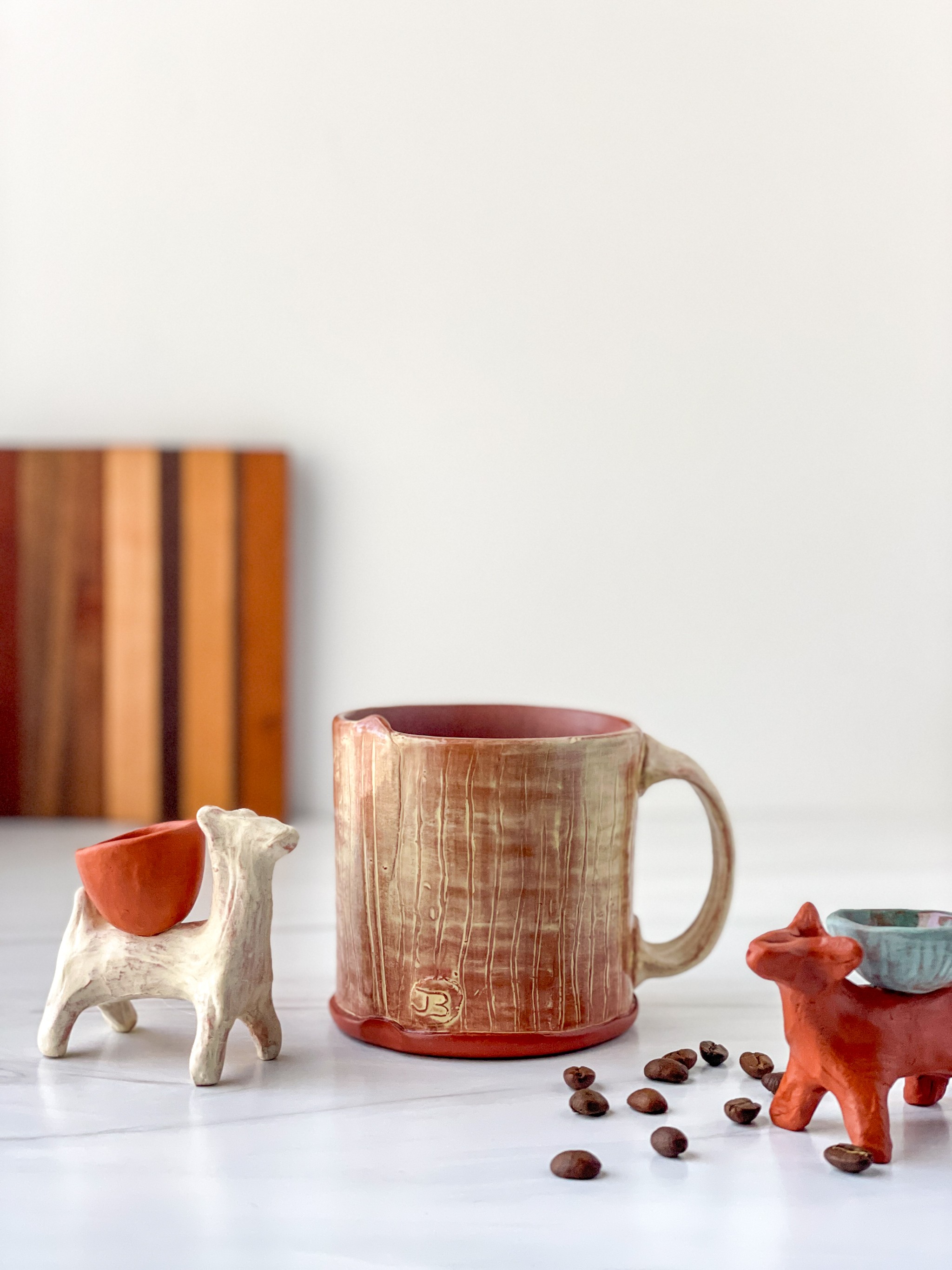
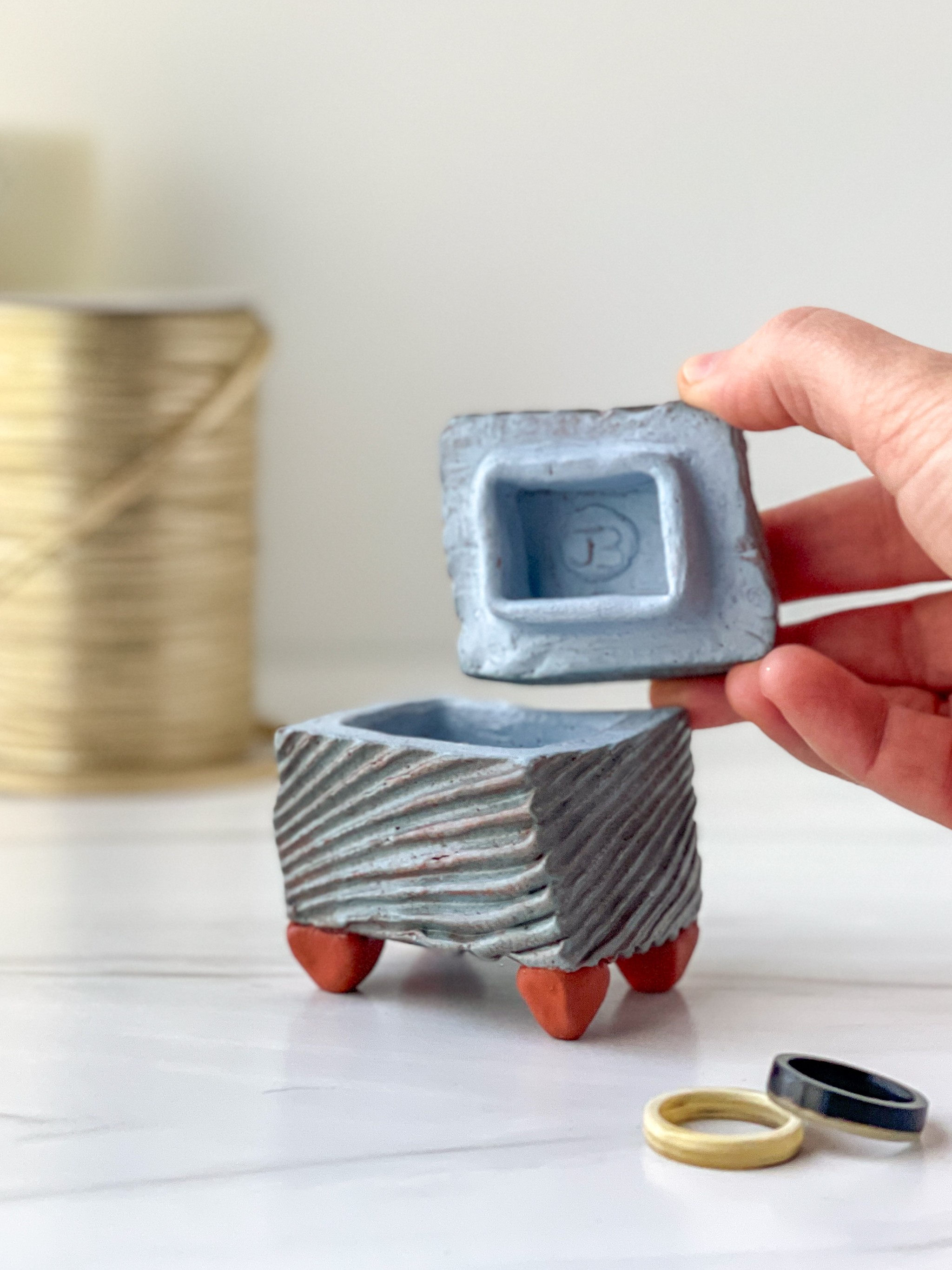
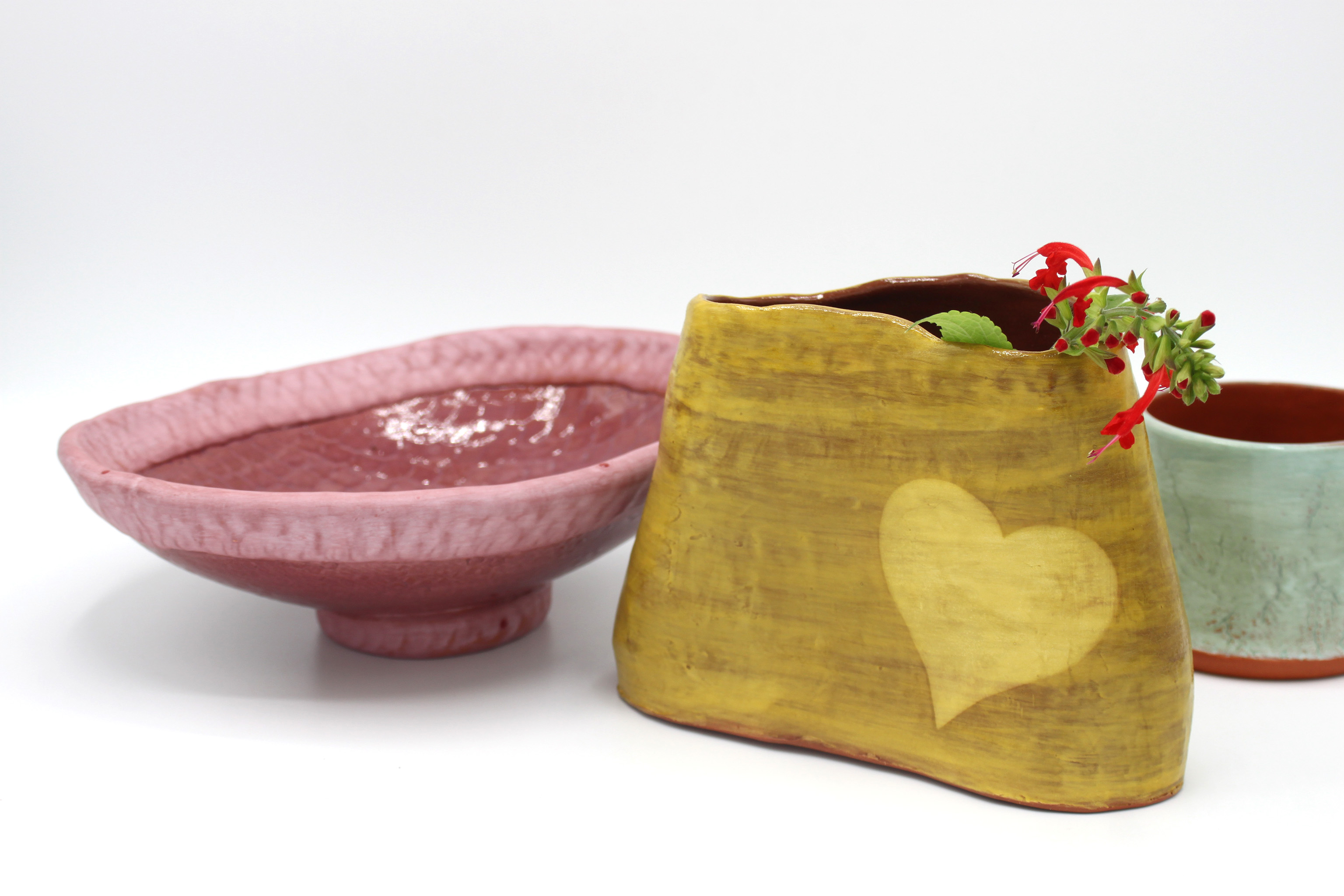
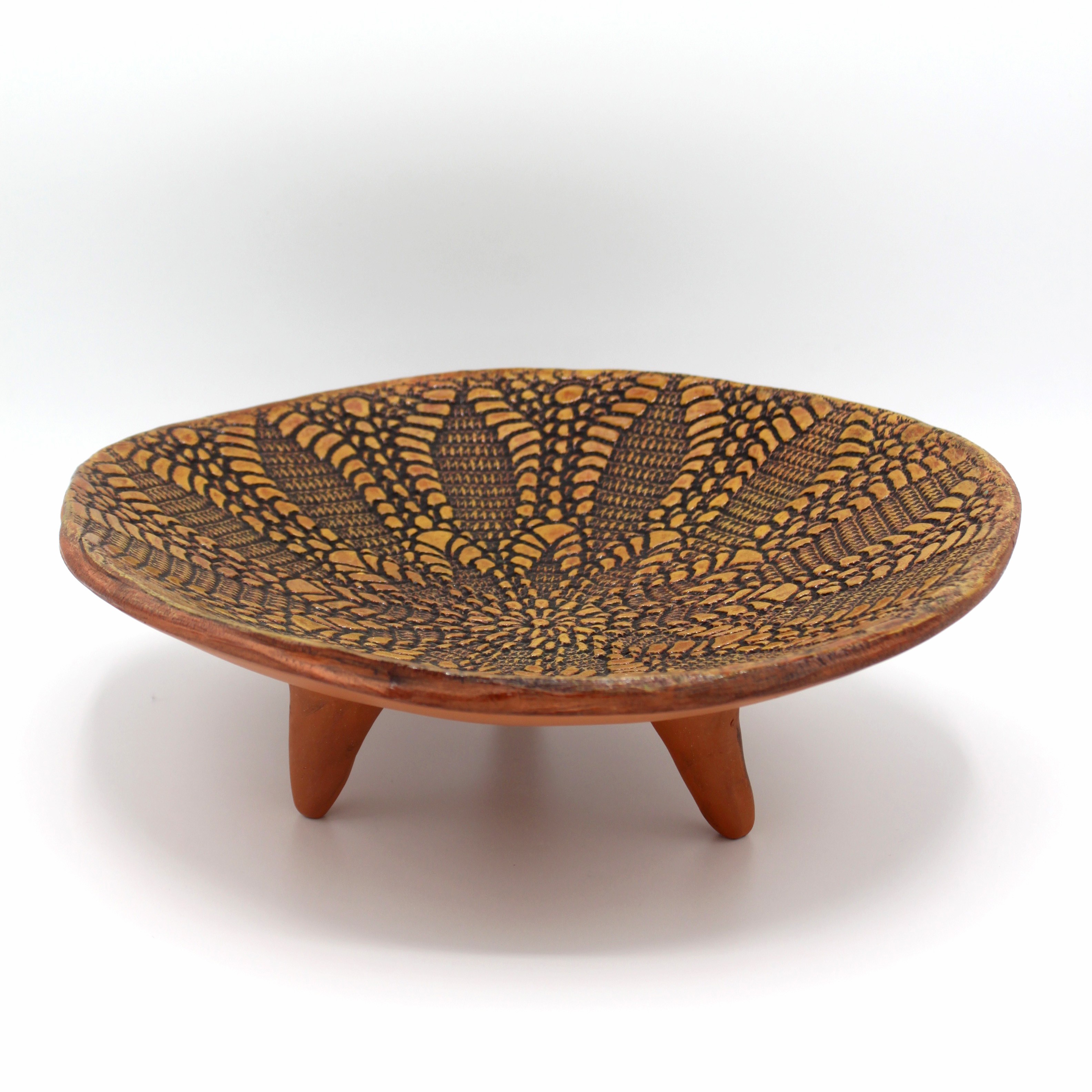
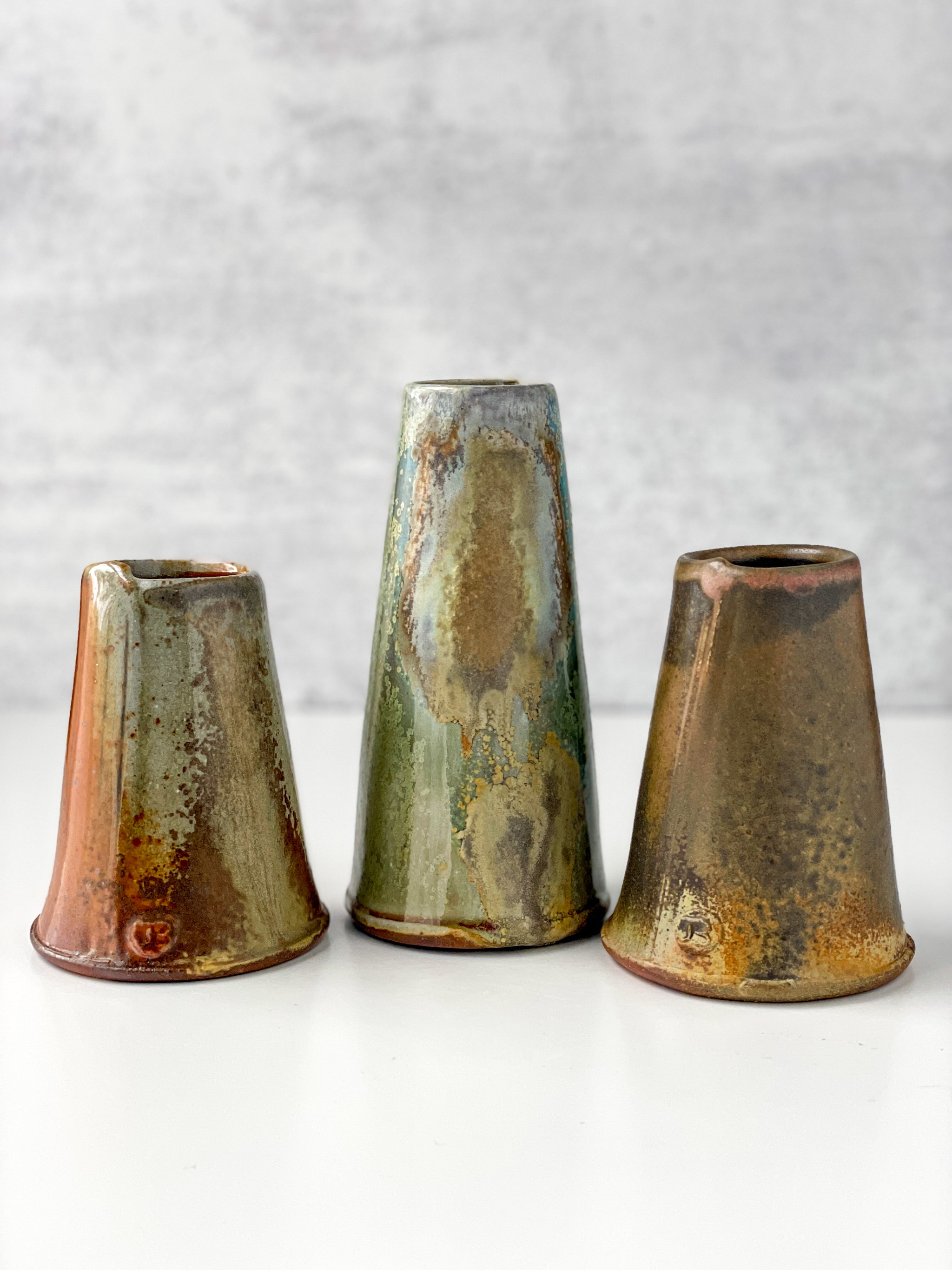
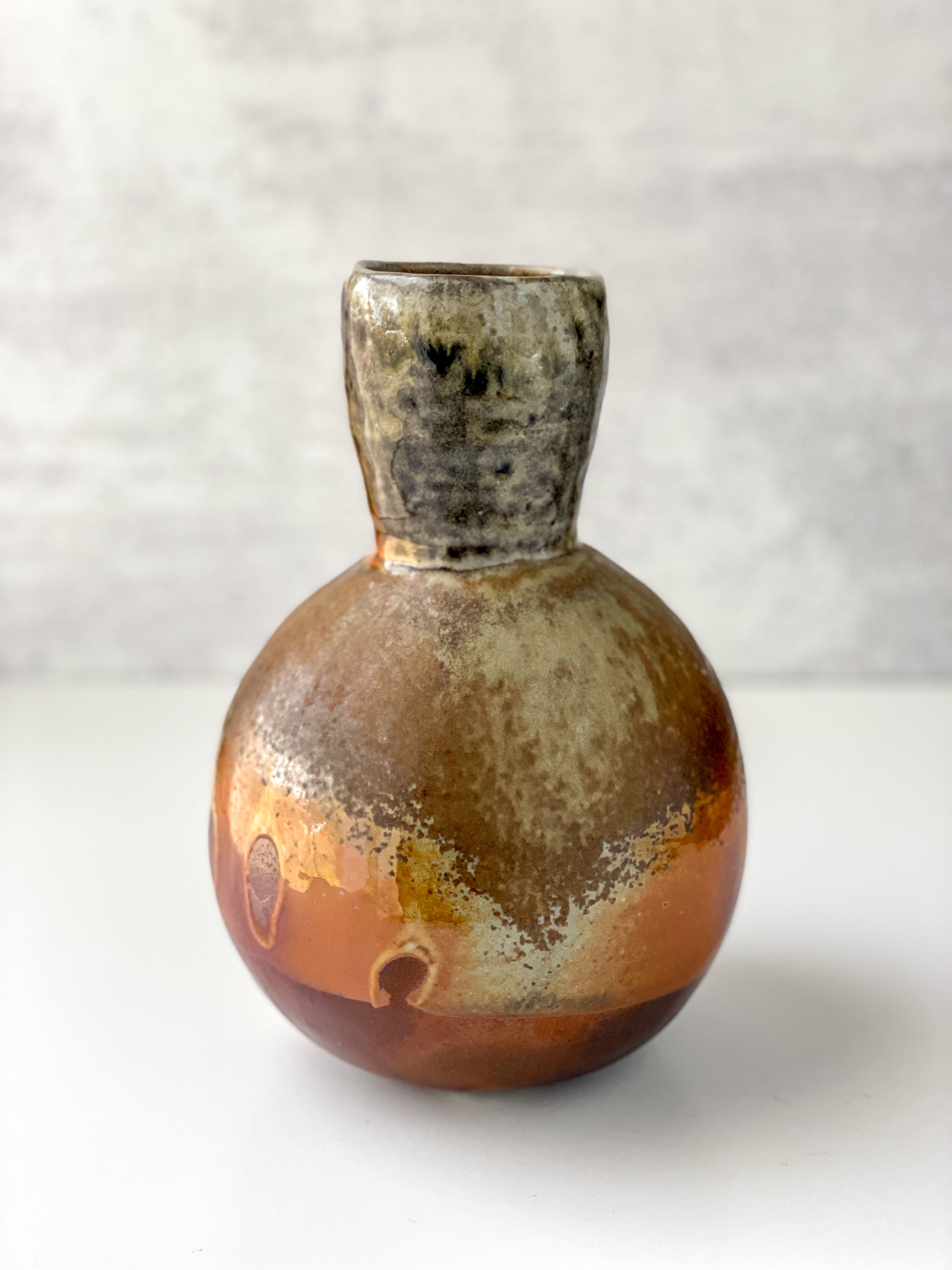
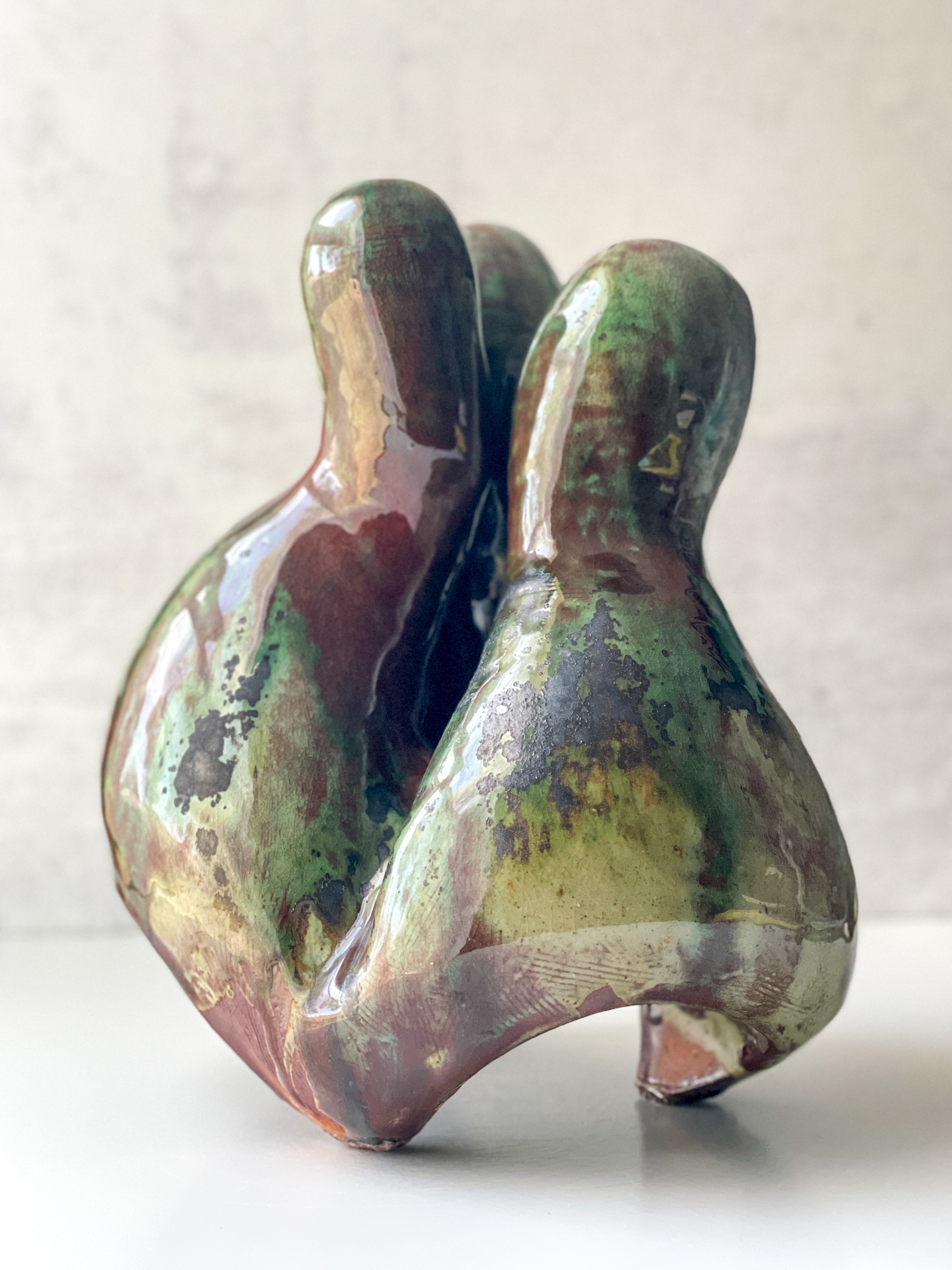
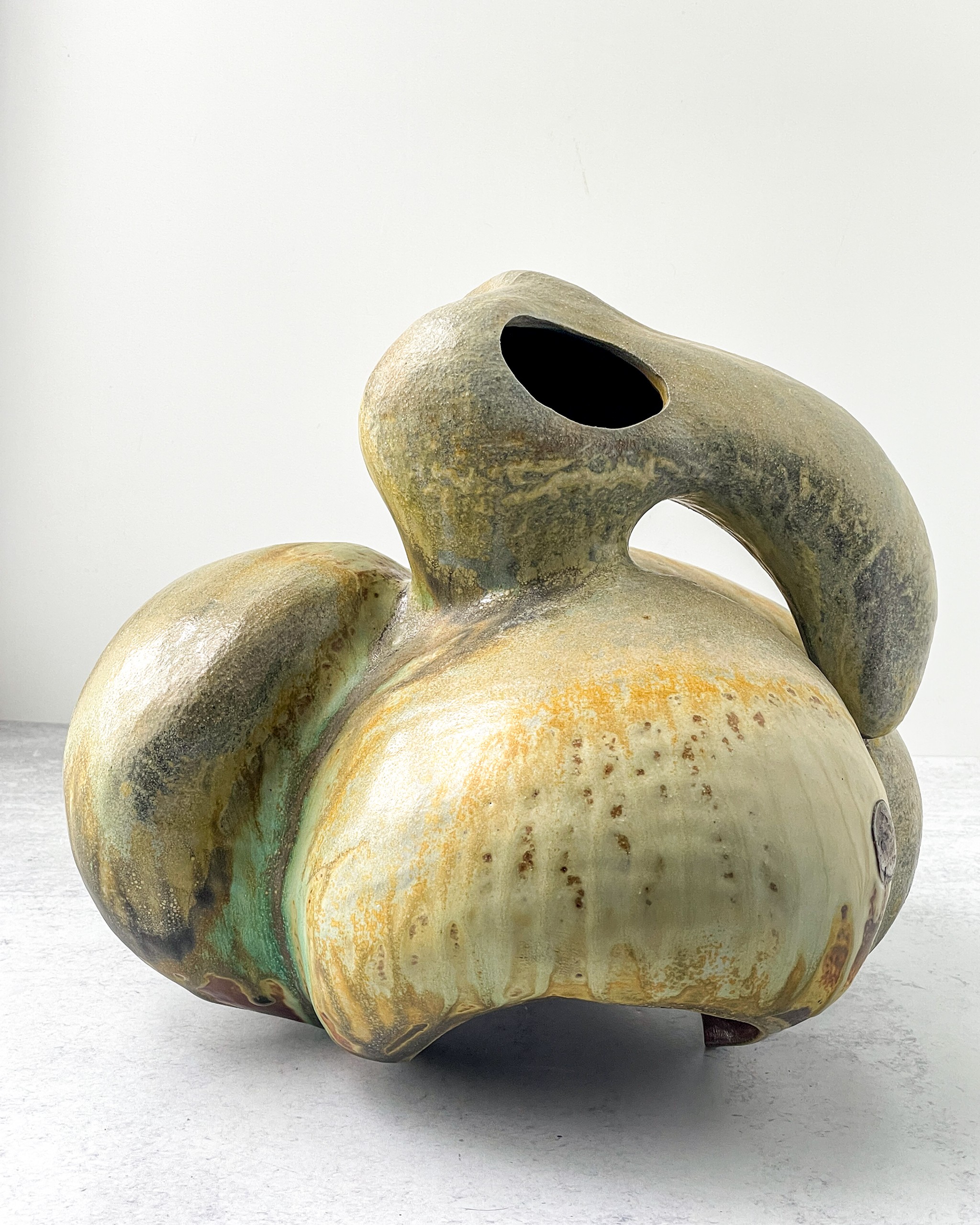
Image Credits
First image: Brian James
All other images: Jorie Berman